
Who Sits at the Top Table at a Wedding? Understanding the Key Roles and Traditions
Planning a wedding involves many important choices, and one of the key decisions is who sits at the top table during the reception. Typically, the top table includes the bride and groom along with their parents and key members of the wedding party.
This special arrangement highlights the support system surrounding the couple on their big day.
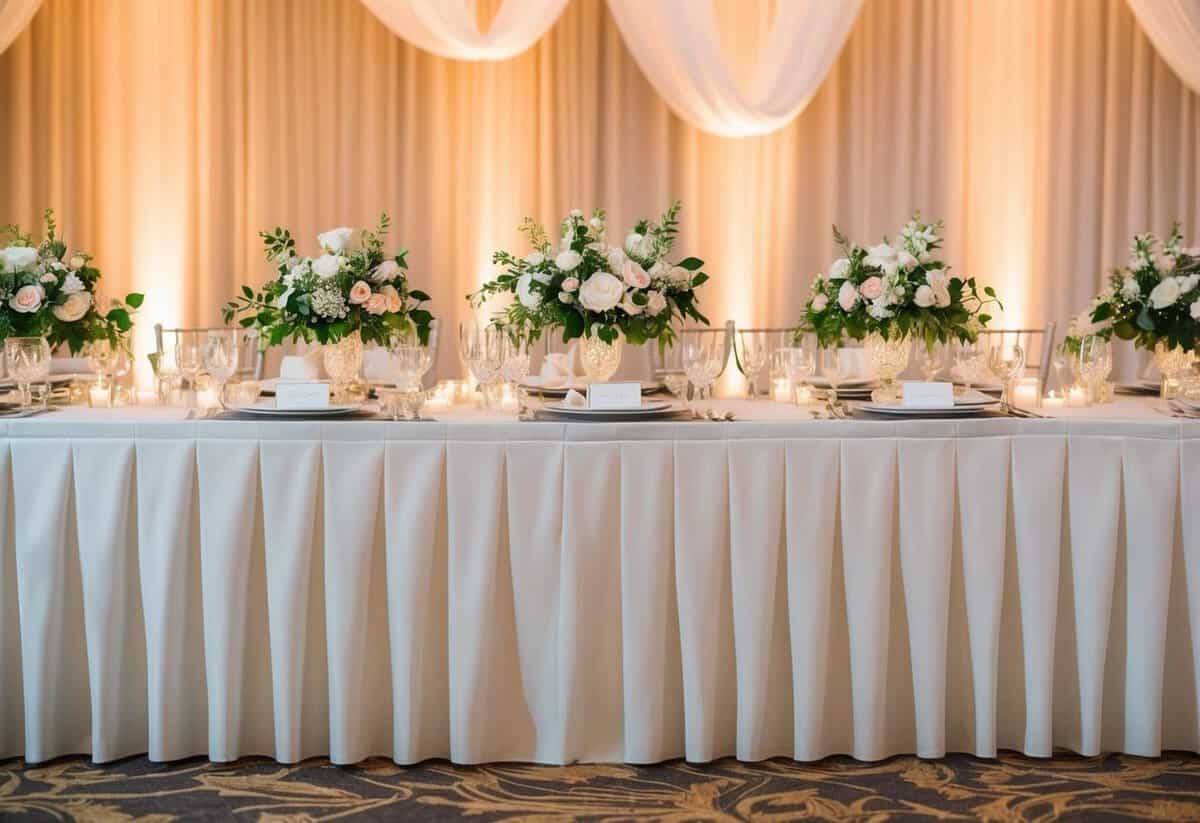
As you think about your seating arrangement, consider not just tradition but also the dynamics of your relationships.
In larger weddings, you might even include close friends or siblings at the top table to make the moment more personal. Understanding who should sit where can enhance the experience for everyone and make your wedding reception memorable.
Getting the seating right is crucial for creating a warm atmosphere. It helps ensure that everyone feels included and has a great time celebrating your special day. So let’s dive into the details of wedding seating and find out how to make the top table truly special!
Understanding the Top Table
The top table is an important part of your wedding reception. It’s where the key people in your life gather to celebrate with you. This section will outline the roles of these individuals and how the traditional layout is organized.
Roles at the Top Table
At the top table, the bride and groom are front and center. They usually sit facing their guests to soak in all the love and well-wishes.
Next to the couple, it’s customary for their parents to take their seats. This shows respect and appreciation for the family. You might also include step-parents here, depending on your family situation.
The maid of honor and the best man are typically seated nearby. They are your closest friends and played key roles in your wedding. Their presence at the top table underscores your bond with them.
Traditional Top Table Layout
The traditional layout often involves a rectangular table. The bride and groom sit in the middle, symbolizing their central role in the celebration.
On one side, the bride’s parents usually sit, while on the other side, you’ll find the groom’s parents. This arrangement creates balance and unity.
Seating can be flexible. Some couples choose to include siblings or even grandparents at the top table. Just make sure that it reflects your relationships and feels comfortable for you.
This layout helps everyone feel important during your big day.
Designing Your Seating Plan
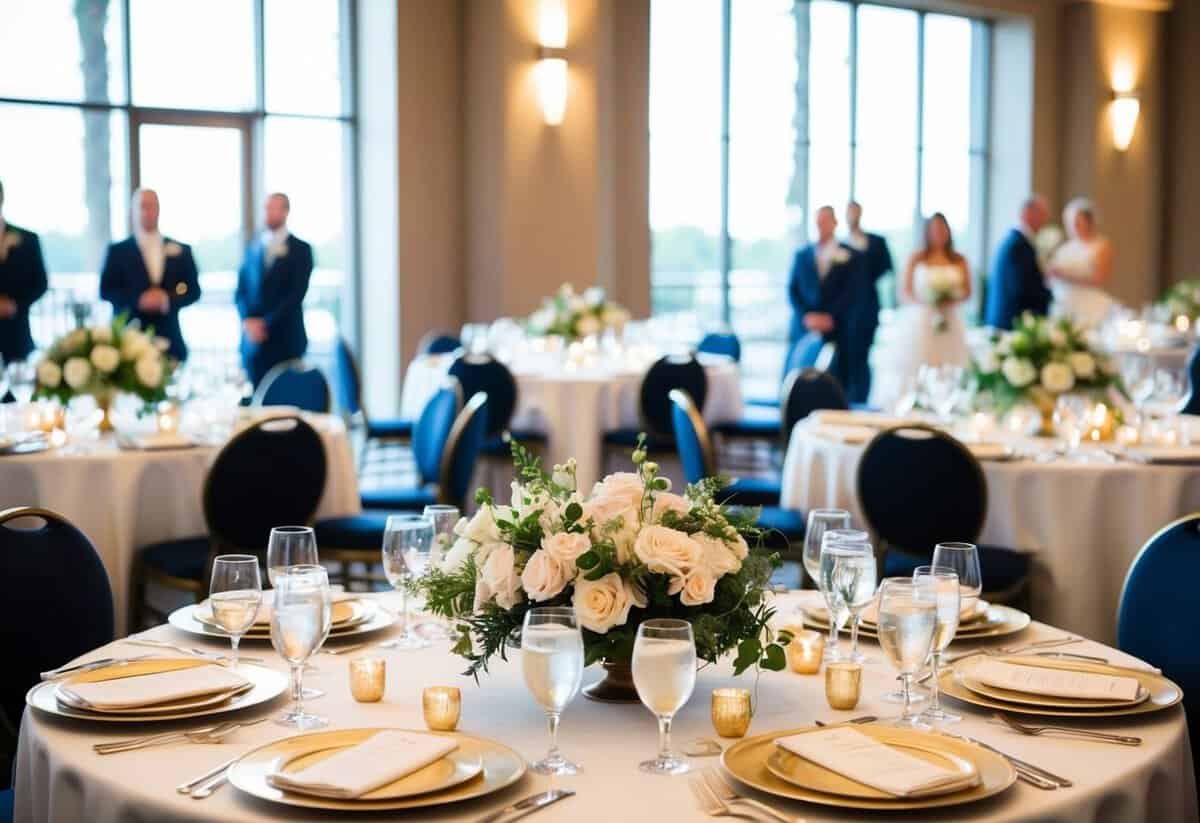
Creating a seating plan for your wedding is an important task. It helps keep guests comfortable and ensures everyone has a good time. You can manage family dynamics and avoid any potential stress with thoughtful arrangements.
Choosing the Right Seating Arrangements
Begin by deciding on your seating arrangements. The most common setups are the traditional top table or a sweetheart table for you and your partner.
Top Table Options:
- Traditional: Includes parents and close family.
- Sweetheart Table: Just the couple, which allows for more private moments.
Another option is to create a seating chart instead of assigning specific seats. This gives guests the freedom to choose where they want to sit while knowing who they will be dining with. Consider placing a list of names at the entrance to guide everyone.
Navigating Family Dynamics
Managing family dynamics is crucial when designing your seating plan. If you have divorced parents or family tensions, think about how to avoid awkward situations.
- Separate Tables: Place divorced parents at different tables.
- Neutral Guests: Assign a few other family members or friends to help keep things light.
Open communication with your family can ease stress. Discuss your plans with them to create a comfortable environment. Remember, the goal is to celebrate love and togetherness while keeping everyone happy!
Alternative Seating Options
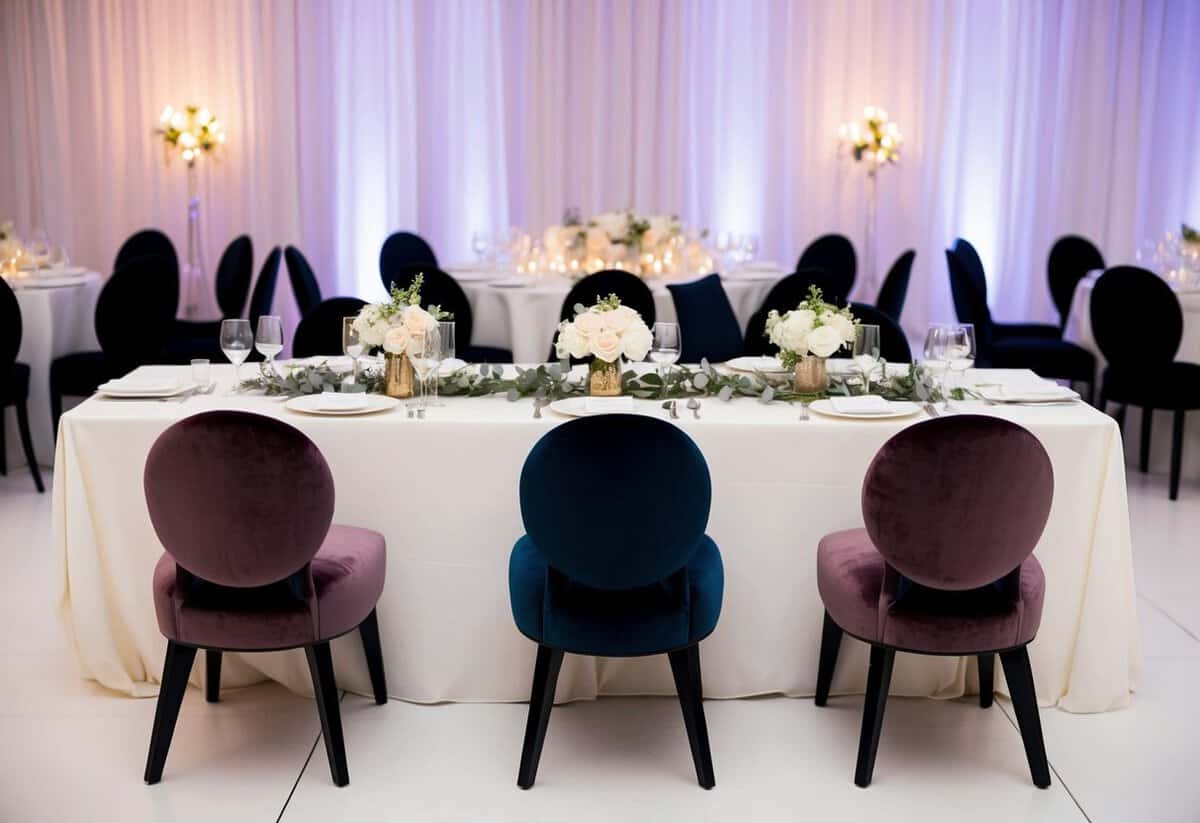
Looking to mix things up for your wedding’s top table? You have some great alternatives that can make your event special. Choices like the sweetheart table or a unique table shape can enhance the experience for you and your guests.
Sweetheart Table Versus Head Table
A sweetheart table is an intimate option for just you and your partner. It allows you to focus on each other during the reception. This setup often features a smaller table placed in front of the main dance floor or stage.
In contrast, a head table includes you, your partner, and the wedding party. It creates a sense of togetherness and can be larger to accommodate all those important to you. Keep in mind, having a head table means you’ll share the spotlight, while a sweetheart table offers a more private dining experience.
Round or Long Top Table
Choosing between a round or long top table can change the vibe of your reception. A round table encourages conversation among guests, making it perfect for a more casual, friendly atmosphere. It allows everyone to see each other easily and fosters connections.
On the other hand, a long top table gives a more formal or elegant feel. It can accommodate larger groups, perfect for a family table setup. This arrangement also looks great for photos, offering a classic backdrop for your special day. Think about what fits your vision best!
Coordinating With Your Wedding Planner
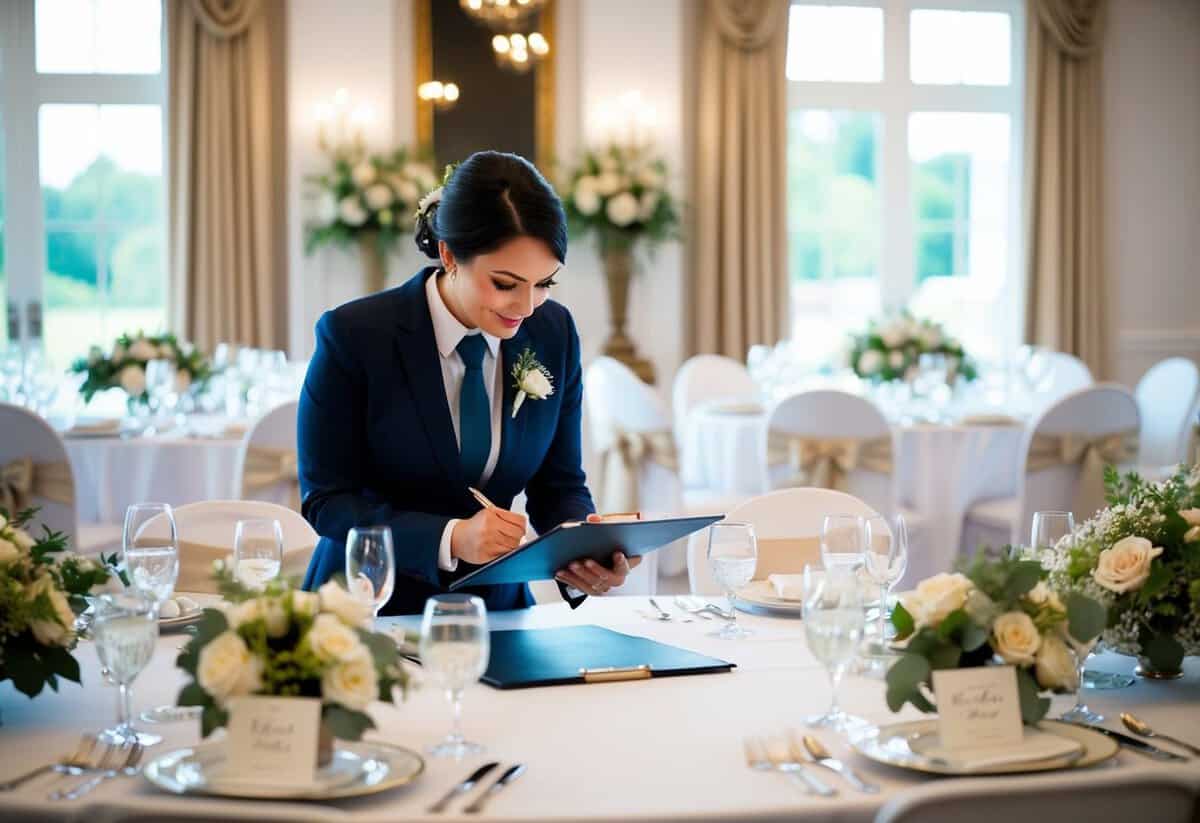
Working closely with your wedding planner is key to ensuring a smooth seating arrangement at your top table. Clear communication will help you express your vision and preferences, making the process easier and more enjoyable.
The Role of Communication
Your wedding planner can address your needs and concerns better with effective communication. Start by discussing your preferences for the top table layout. Do you want a traditional setup with your parents, or a more modern twist? Sharing your priorities will guide their suggestions.
It’s important to regularly check in on plans. This way, any changes in your guest list or seating arrangements can be managed swiftly. Remember, your planner is there to support you. Discussing your ideas openly will lead to a seating arrangement that reflects your style and makes everyone comfortable at the wedding breakfast.