
Who Sits at Top Table with Bride and Groom? Exploring the Honorary Guests
At a wedding, the top table is one of the most important spots in the reception. Typically, the bride and groom sit at the center, flanked by their parents, and often joined by the best man and maid of honor. This seating arrangement highlights the couple’s special day and allows them to share their joy with close family and friends.
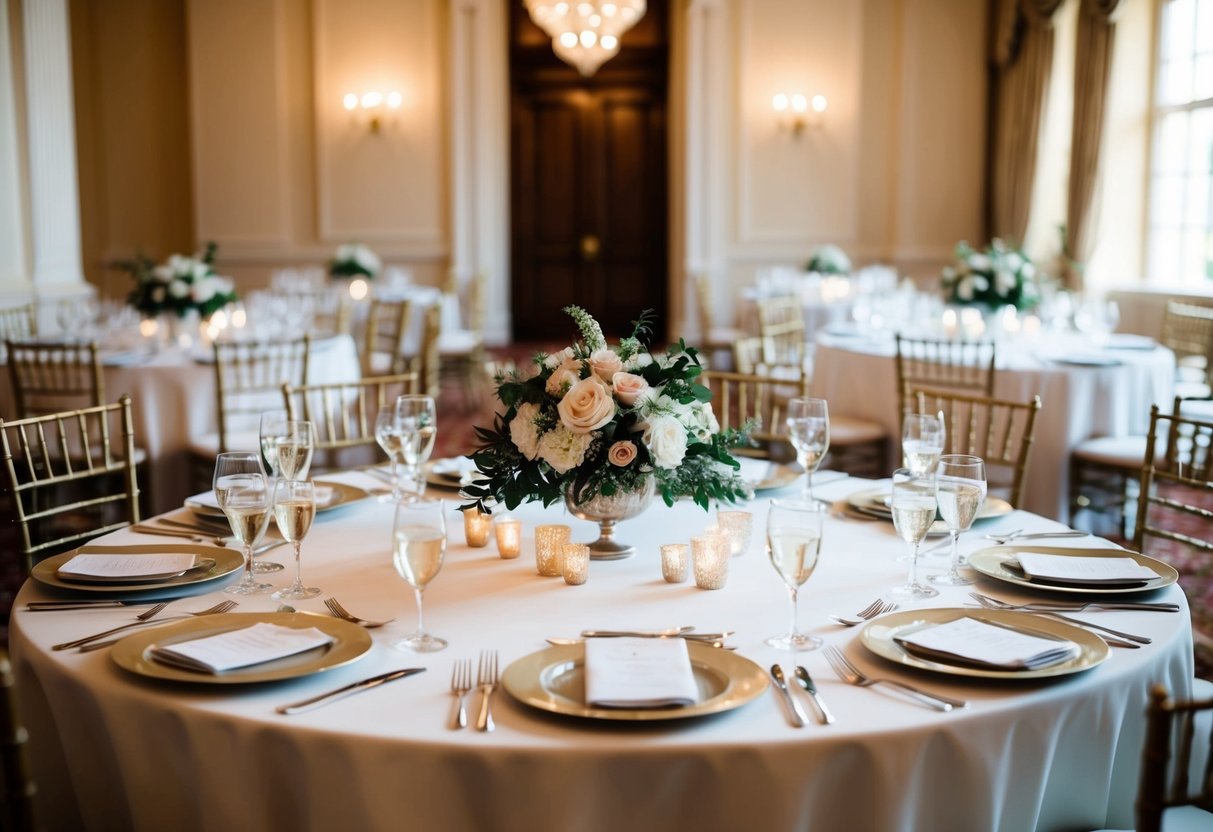
Choosing who sits at the top table can be a personal decision influenced by family dynamics and cultural traditions. Some couples may opt for a larger group, including close friends or other family members.
Understanding the traditional layout can help you make the right choices for your special day.
As you plan your wedding, think about how the seating arrangement at the top table reflects your personality and relationships. This choice can enhance your entire reception experience, making it memorable for you and your loved ones.
Setting the Scene: Top Table Traditions
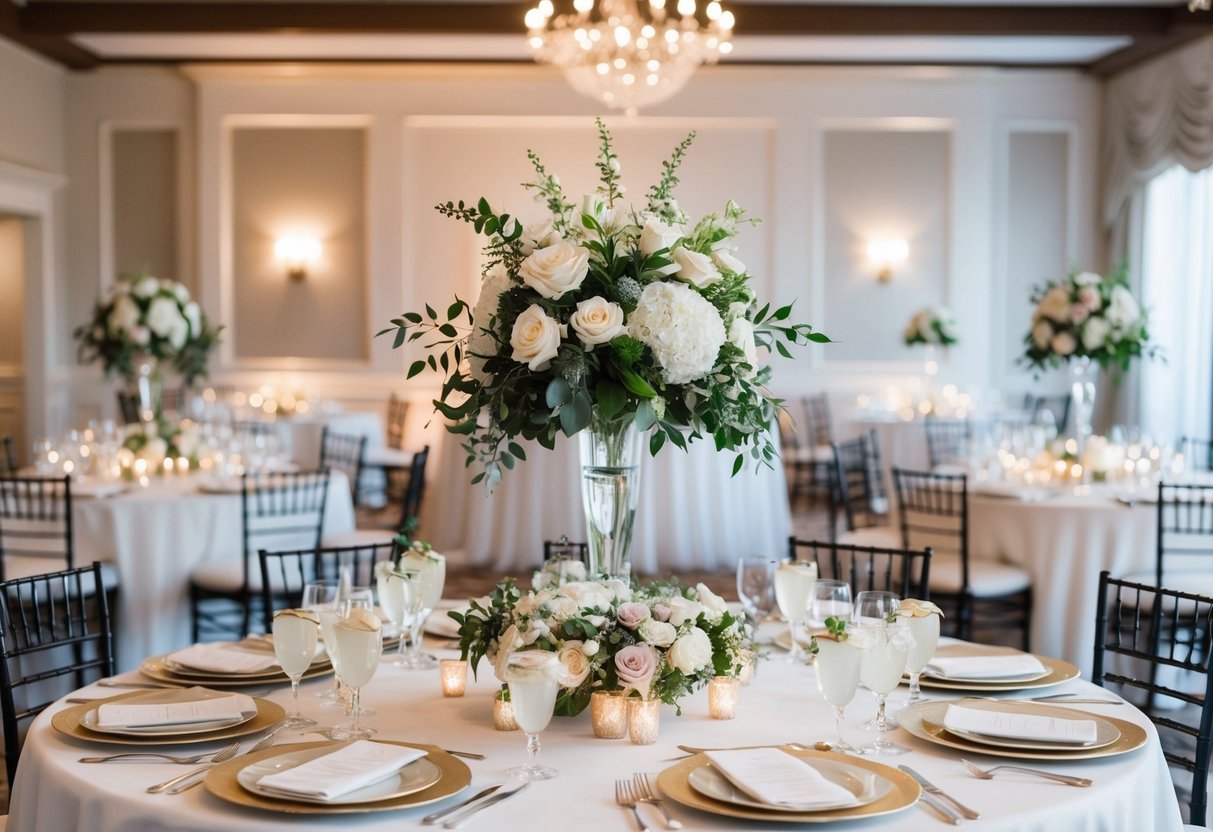
The top table is a key part of any wedding reception. It’s where you and your partner will sit, typically in the center, for all to see. This table sets the tone for your special day.
Traditional Top Table Layout
In a traditional top table, the layout usually includes:
- You, the Bride, and Groom in the middle
- Parents of the bride and groom on either side
- Best Man and Maid of Honor sitting next to the couple
This arrangement helps create a focus for guests during the meal, often called the wedding breakfast.
Variations on Tradition
While this layout is common, it can vary based on cultural traditions and personal choices. Some couples include close friends or siblings at the top table.
For example:
- If you have a larger wedding party, you might choose to expand the table.
- In some cultures, additional family members may also be included.
This flexibility allows you to personalize your wedding experience. You can adjust the seating to make it feel right for you and your loved ones.
The Wedding Party at the Top Table
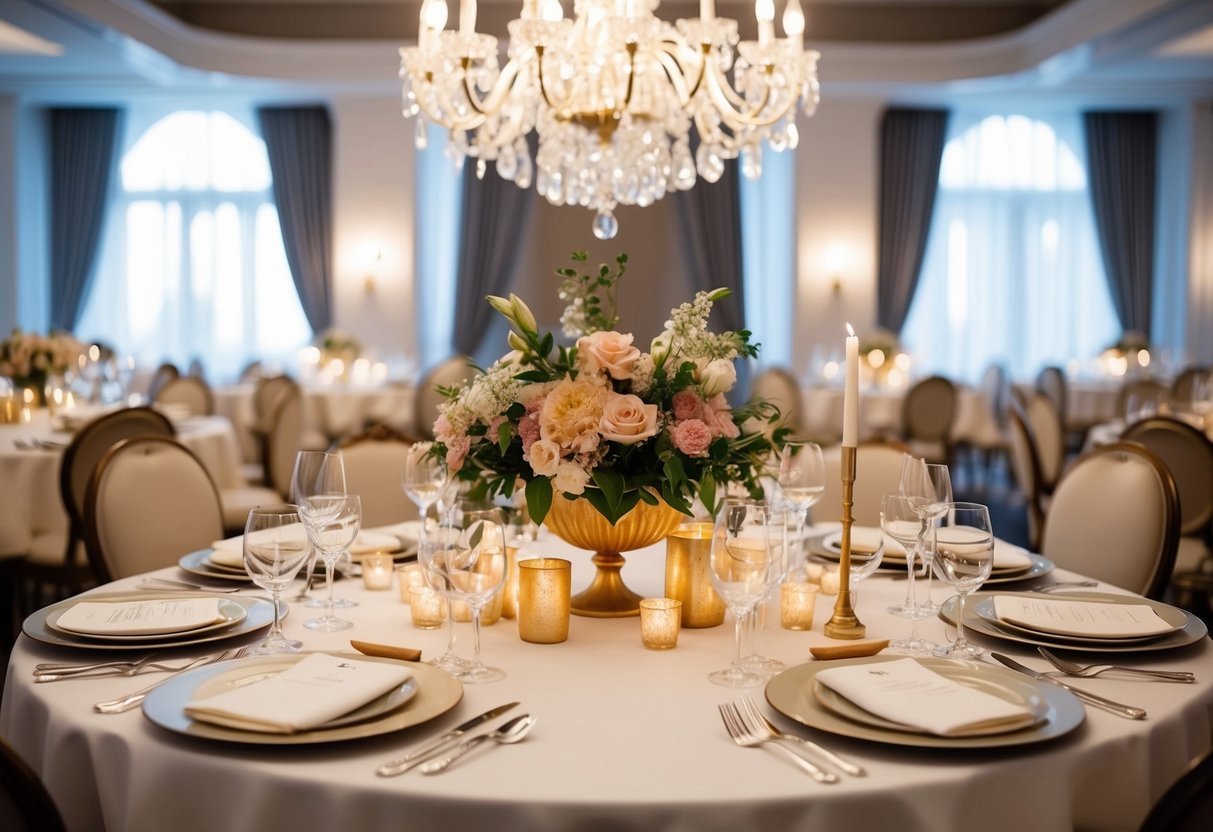
The people you choose to sit at the top table play a significant role in your wedding day. Understanding their positions and the dynamics between them can help create a harmonious atmosphere at your reception.
Roles and Arrangements
At the top table, you’ll typically find the bride and groom seated at the center. The maid of honour and best man usually sit right next to you. It’s common for the bridesmaids and groomsmen to sit nearby as well, often in pairs.
A typical arrangement might look like this:
| Position | Who Sits Here |
|---|---|
| Bride | You |
| Groom | Your partner |
| Maid of Honour | Your close friend |
| Best Man | Groom’s best friend |
| Bridesmaids | Close friends of the bride |
| Groomsmen | Close friends of the groom |
This arrangement allows everyone to easily interact and celebrate together during the reception.
Special Considerations for Family Members
When it comes to family members, seating can become a little more complex. If your parents are divorced or remarried, think carefully about their positions. You might consider seating step-parents at the ends of the table or nearby to maintain harmony.
It’s also nice to engage significant family members. For example, you might choose to seat your parents beside you, showing them honor on your special day. This can be a way to include divorced parents comfortably.
Your seating plan should reflect the relationships that matter most to you, creating a warm and welcoming atmosphere.
Modern Variations
When planning your wedding seating arrangements, you may want to consider some modern variations. These options can personalize your event while keeping with tradition.
The Sweetheart Table
A sweetheart table is a popular choice for newlyweds. This small, intimate setting allows you to enjoy your meal side by side without the larger group around. It usually sits in the center of the reception hall, making you the focal point of the event.
You can decorate this table to match your wedding theme, adding personal touches like special flowers or mementos. Many couples prefer to have their closest friends and family nearby instead of sitting at the traditional top table. This arrangement gives you a chance to socialize more freely.
Alternative Seating Layouts
If you’re looking for unique seating arrangements, consider alternative layouts. Instead of a traditional top table, think about placing friends and family together based on relationships. This creates a welcoming atmosphere for guests.
You might use a circular table or long communal style. This can make the dining experience feel more inclusive. Creating a seating chart that reflects your preferences helps ensure everyone has a good time. Think about who gets along well together and adjust the seating accordingly.
These modern changes can make your wedding day feel special and tailored to you.
Finalizing Your Seating Plan
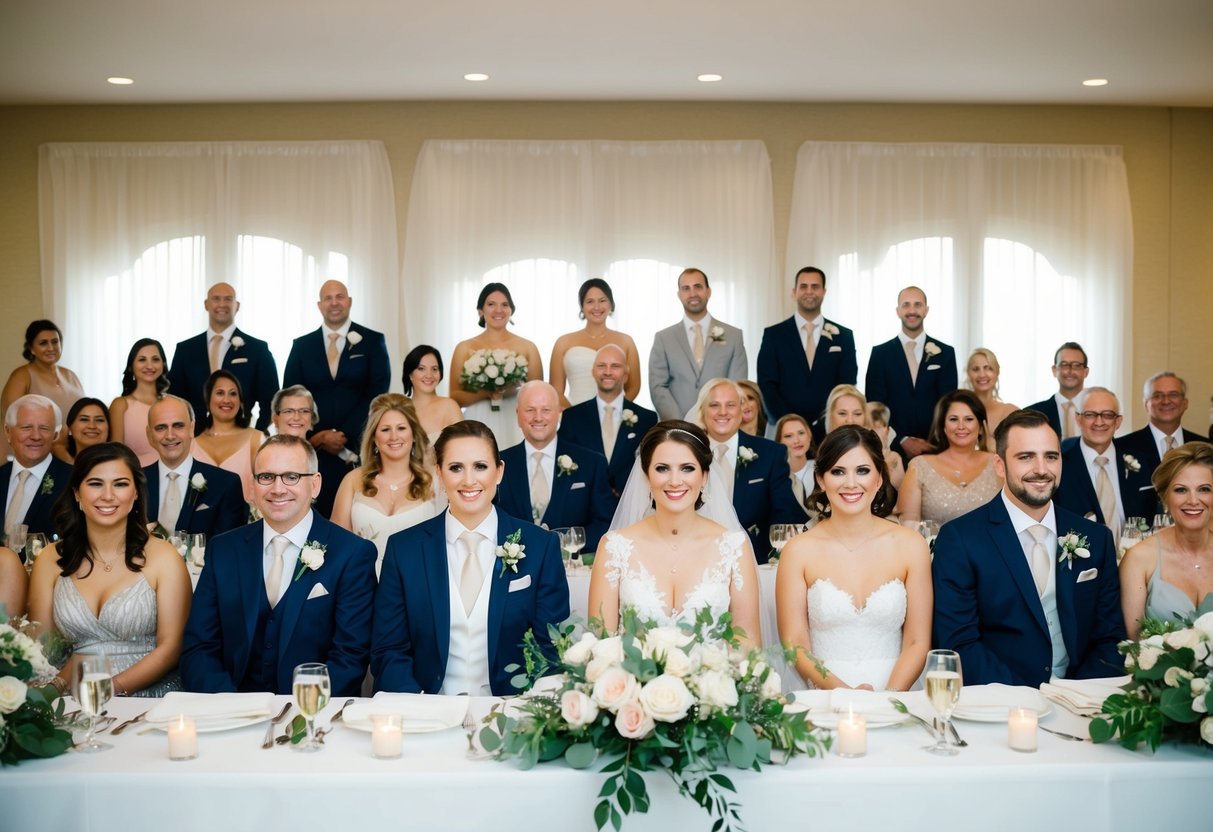
Creating a seating plan for your wedding can feel overwhelming, but it’s all about making your guests comfortable and happy.
Start by reviewing your guest list. Knowing who will attend helps with planning.
Next, think about the layout of your bridal table. The top table seating typically includes you, your partner, and your closest friends or family members. You might want to arrange guests in a way that encourages conversation.
Consider having a family table. This allows family members to sit together, which can create a warm environment. If you have children in your party, make sure they are seated with their parents.
For your reception, think about the flow of the room. Make sure your seating plan allows easy access to the dance floor and buffet or catered areas.
You can create a simple chart to visualize the wedding top table layout.
When you finalize your seating plan, communicate it clearly. Share it with your venue and ensure they understand the arrangements. A well-organized plan helps everything run smoothly during your wedding ceremony and reception.
Lastly, don’t forget to consider any special needs guests. Ensure their needs are met by seating them where they can access amenities easily.