
Who Sits Closest to Bride and Groom at Reception? Understanding Seating Arrangements for Your Big Day
At a wedding reception, you must know who sits closest to the bride and groom. Typically, immediate family members, such as parents and siblings, are seated nearest to the couple. They are followed by close relatives and honored guests. This seating arrangement helps create a warm atmosphere. It also allows those who mean the most to the couple to share in their special day.
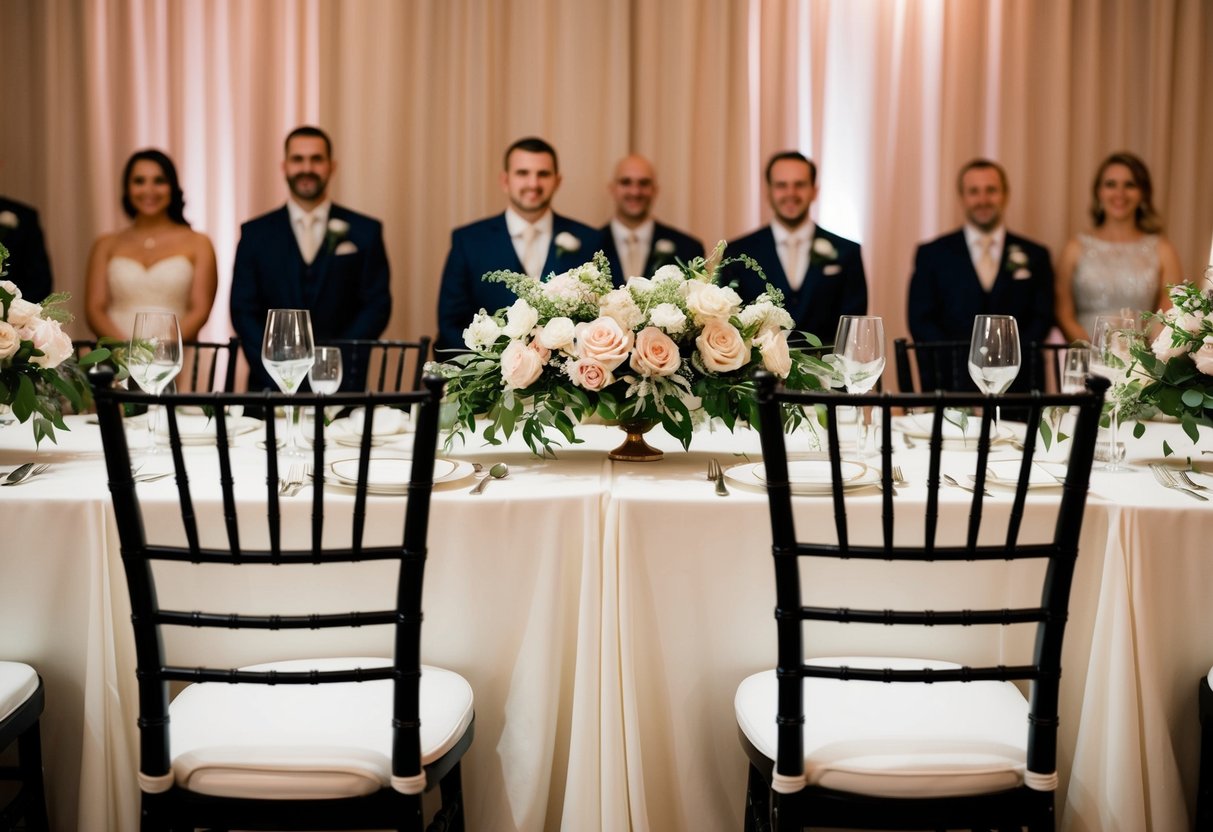
Choosing the right seating can enhance the experience for both the newlyweds and their guests. When family and close friends are placed near the couple, it fosters connection and love throughout the celebration. You want your loved ones to feel valued and included as they witness your joyous occasion.
As you plan your seating chart, consider not just family but also important friends who have supported you along the way. The goal is to create a welcoming environment where everyone feels comfortable and can enjoy celebrating your big moment together.
Understanding Wedding Reception Seating Fundamentals
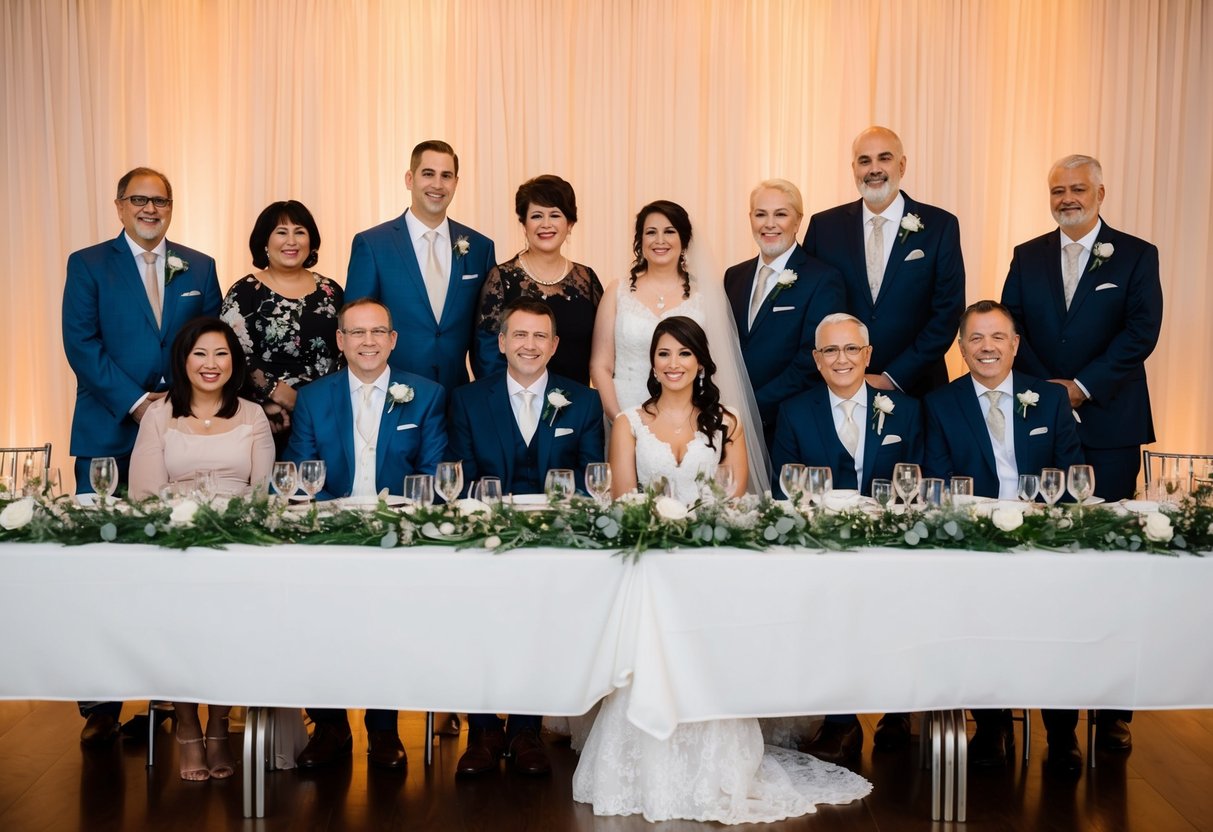
Seating at a wedding reception can be a bit tricky, but knowing the basics can help make the process easier. You’ll learn how to interpret seating chart terms and navigate family dynamics for a successful event.
Deciphering Seating Chart Terminology
When planning your seating chart, understanding key terms is essential. Common terms include:
- Bridal Table: This is where you and your partner sit, often at the front of the room.
- Sweetheart Table: A smaller table just for the couple, creating an intimate setting.
- Family Tables: Typically reserved for immediate family and close relatives.
These designations help you create a seating arrangement that highlights your relationships. Guests at the front enjoy proximity, making it easier for you to connect with them throughout the celebration.
Navigating Family Dynamics and Traditional Seating
Family dynamics can impact how you set up your reception seating. It’s important to consider relationships when arranging tables.
Immediate family members, like parents and siblings, usually sit closest to you. This shows their importance on your special day.
Also, think about any sensitive dynamics. For example, placing divorced parents at separate tables can help avoid awkward situations.
Traditionally, the maid of honor and best man sit near the couple. Keeping these considerations in mind helps create a welcoming atmosphere for all your guests.
Planning the Head Table
Choosing the right seating arrangement for the head table is essential for your wedding reception. It helps to create a joyful atmosphere while honoring close family and friends. You want to ensure that everyone feels included and comfortable throughout the celebration.
Arranging the Bridal Party and Close Family
When arranging the bridal party at the head table, begin with the bride and groom seated in the center. This highlights their special role on this day.
Next, consider placing the best man next to the bride and the maid of honor next to the groom.
You can also include other members of the bridal party, like bridesmaids and groomsmen. If you have divorced parents, be mindful of their comfort. You might seat them at different tables to avoid any awkwardness, or you could arrange a separate table for them nearby for support.
Options for Sweetheart Table
The sweetheart table is an intimate option for just the bride and groom. This setup allows for a cozy atmosphere during your meal together. It also gives you a chance to enjoy each other’s company amid the excitement of the day.
You can place the sweetheart table at the front, facing your guests. This way, you still feel connected to everyone while having your private space. Consider enhancing the table with beautiful decor or a floral arrangement to make it stand out.
Choosing between a head table and a sweetheart table depends on whether you want to be surrounded by loved ones or enjoy a more personal experience. Whatever you decide, ensure it reflects your style and comfort.
Detailing Specific Guest Accommodations
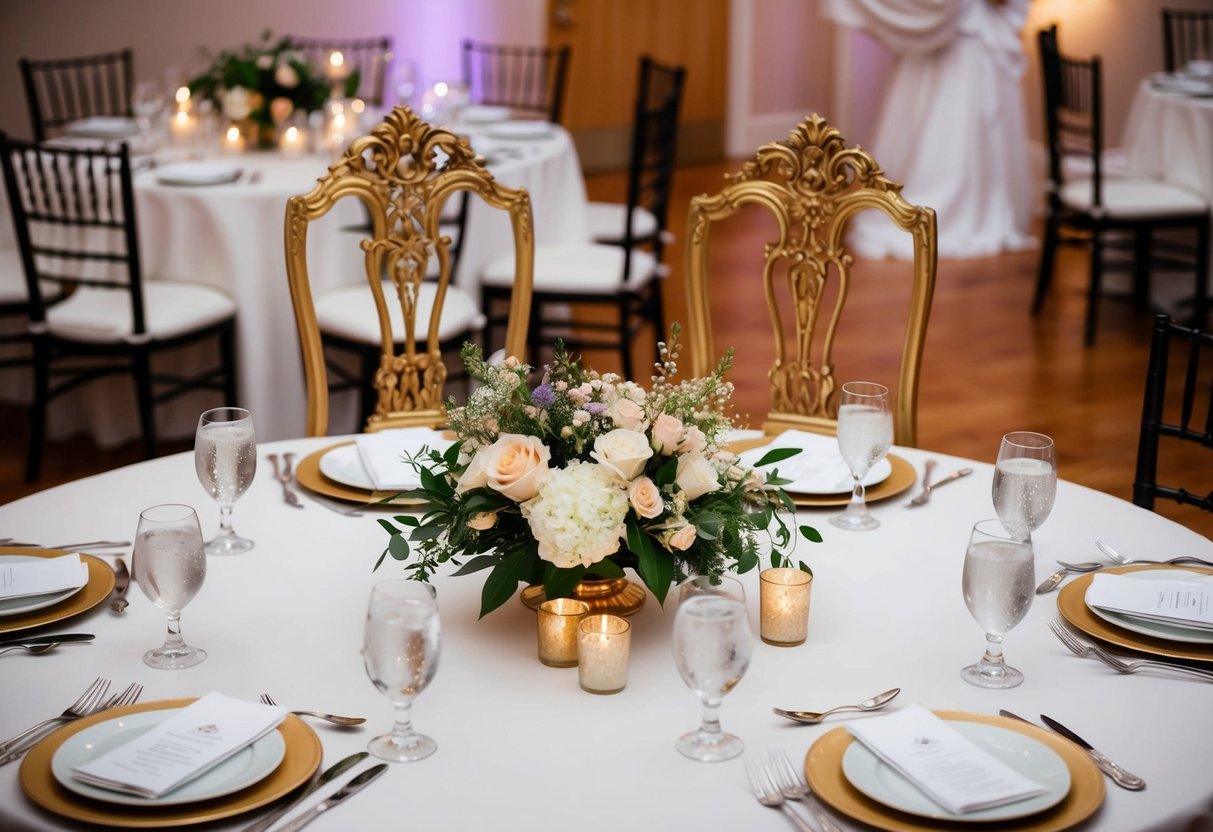
When planning your wedding reception, it’s important to handle guest accommodations thoughtfully. This includes managing your guest list and ensuring seating arrangements work smoothly for everyone.
RSVPs and Guest List Coordination
RSVPs are essential for knowing how many guests will attend. Ask your guests to respond promptly to help you finalize your guest list. This also allows you to make necessary adjustments to your seating arrangement.
Create a master list to track RSVPs. Include categories like confirmed, declined, and pending. This way, you can easily visualize who will be seated together.
Once the details are set, communicate any special needs. Some guests may have dietary restrictions or mobility issues. Knowing this in advance helps you accommodate everyone properly.
Assigning Tables and Managing Singles’ Seating
When assigning tables, consider the dynamics of your guest group. Grouping friends and family together enhances the experience.
For singles, think about creating a dedicated singles table. This gives them a chance to mingle and meet new people.
Clearly label each table with names to avoid confusion. Table assignments help guests find their seats quickly. You can include a seating chart at the entrance for extra guidance.
Don’t forget to think about seating etiquette. Keeping close relatives near the head table, like parents and siblings, encourages family bonding. Your thoughtful assignments will make your reception enjoyable for everyone.
Creating a Cohesive Seating Plan
When planning your wedding reception, a seating plan is key to creating an enjoyable experience. Utilizing place cards and escort cards can minimize confusion. Meanwhile, finalizing table shapes and numbers helps establish a comfortable atmosphere.
Utilizing Place Cards and Escort Cards
Place cards and escort cards are essential for guiding your guests to their seats. Place cards are typically set at each table, indicating where a specific guest should sit. This personal touch shows you care about their comfort.
Escort cards, on the other hand, help guests find their assigned tables. You can display them on a table near the entrance or on a decorative board.
Have fun with the design—consider using different colors or themes that match your wedding’s style.
Clearly mark reserved seats for special guests like parents and the bridal party. This organization ensures that everyone knows where to go, making the reception flow smoothly.
Finalizing Table Shapes and Numbers
Selecting the right table shapes and numbers enhances the social atmosphere of your reception. Round tables encourage conversation, while rectangular tables can create a more formal feel.
Evaluate the space you have, ensuring there’s enough room for movement. For larger weddings, a mix of table shapes keeps the setup visually appealing and encourages mingling.
Decide on the number of tables you’ll need. Then, create a layout that accommodates guests comfortably, leaving space for serving areas and dance floors. Planning ahead helps everyone have a great time celebrating with you.