
Who Sits Closest to the Bride and Groom? Understanding the Seating Arrangement at Weddings
At a wedding, seating arrangements can be tricky, but they play an important role in creating a comfortable atmosphere. The bride and groom should have their closest family and friends seated nearest to them. This often includes immediate family members, like parents and siblings, as well as best friends and other significant guests.
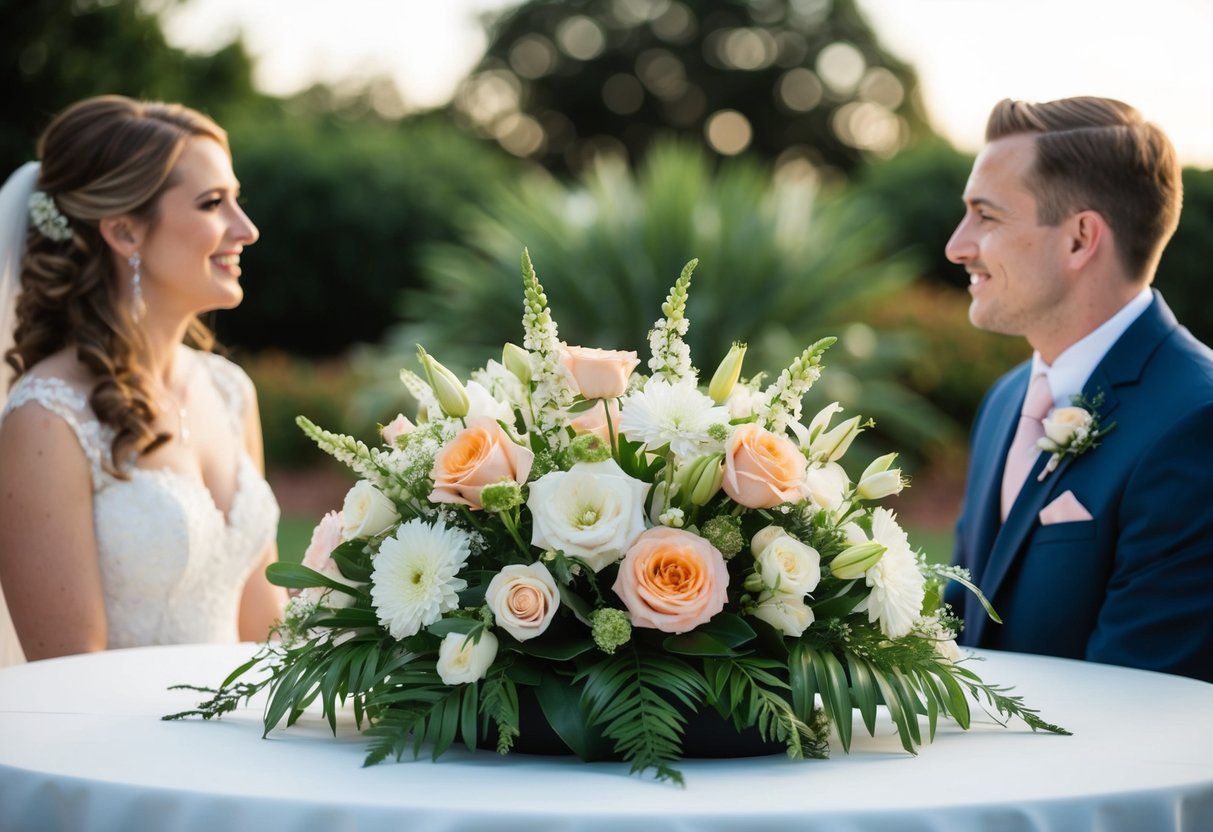
Understanding who sits where can help you plan effectively. Think about the relationships and how they might enjoy being close to the couple on this special day. By placing loved ones nearby, you ensure that everyone feels included and celebrated.
Understanding Traditional Seating Arrangements
In weddings, seating arrangements play a big role in reflecting family dynamics and honoring traditions. Knowing who sits where can help you plan your big day with respect and thoughtfulness.
Importance of Tradition and Etiquette
Many couples choose traditional seating arrangements for their wedding to honor their families and follow social customs. In these setups, the bride sits to the groom’s left, with the best man near her and the maid of honor next to him. This placement highlights relationships and support from important people.
It’s also polite to consider the feelings of family members. For example, placing parents in prominent positions shows respect for their roles. Following these traditions can help set the right tone and create a warm atmosphere for guests.
Roles of Parents and Grandparents
Parents usually have special seating arrangements at weddings. The bride’s parents often sit in the first row on the left side, while the groom’s parents sit on the right. This setup symbolizes the joining of two families.
It’s also nice to include grandparents. They can be escorted down the aisle and seated near the front. This not only shows honor but also allows them to be part of the ceremony’s special moments. Including parents and grandparents in key seating roles helps express gratitude for their support in your lives.
The Head Table Layout
The head table is a focal point during the reception. Traditionally, the bride and groom sit in the center, side by side. Next to the bride is the best man, while the maid or matron of honor sits next to the groom.
Bridesmaids and groomsmen sit on alternating sides. This layout highlights the couple and those closest to them. Placing key supporters at the head table strengthens bonds and offers a clear view of the couple for all guests.
Having an organized head table creates a festive mood and shows appreciation for your wedding party. Thoughtfully planning these details contributes to the overall joy of your special day.
Designing Your Seating Chart

Creating a seating chart for your wedding reception can feel overwhelming, but focusing on a few key aspects can help. You want to ensure that everyone enjoys the celebration and feels comfortable. Let’s explore the best ways to design your seating chart.
Seating Chart Basics
Start by determining your guest count and the layout of your venue. Think about the shape of the tables—round, rectangular, or a mix. This choice can affect how you arrange guests.
For larger gatherings, consider a floor plan that allows for easy movement and interaction.
Once you know the setup, list your guests in alphabetical order. This can make it easier to assign seats later.
Use either place cards at each setting or escort cards that guide guests to their tables. Remember, your seating chart should reflect your vision for the day and help guests connect and enjoy themselves.
Assigning Seats to Friends and Extended Family
When assigning seats, think about who gets along well and who might not want to sit together. Place your immediate family at a dedicated table to honor them, while placing extended family and friends nearby. This arrangement fosters a welcoming environment.
For single guests, consider placing them at a “singles table.” This allows them to mingle, and you can even include activities to encourage conversation.
Make sure to pay attention to any special dynamics, like divorced parents. Seating them at separate tables may help avoid awkwardness and keep the atmosphere light and cheerful.
Accommodating Special Guests
Some guests may require special considerations. For example, guests in wheelchairs need accessible seating.
Plan your table layout with pathways that allow for easy navigation. This respect for accessibility shows your thoughtfulness.
Children can also be a challenge. If you have many kids, consider creating a kids’ table with games and entertaining options. This keeps them engaged and allows parents to enjoy the adult conversation.
Always communicate these arrangements clearly when sending out invites, so guests know what to expect.
Seating for the Wedding Party

When planning where your wedding party will sit, it’s essential to consider both tradition and your personal preferences. The arrangement not only honors those who stand by you but also helps create a special atmosphere for everyone involved.
Placement of the Bridal Party
The bridal party typically sits at the head table during the reception. You will often find the bride and groom at the center, which highlights their importance on this special day.
The maid of honor usually sits to the groom’s right, while the best man is positioned to the bride’s left. Surrounding them are the bridesmaids and groomsmen, who can be arranged based on closeness to the couple.
For a more intimate feel, consider a sweetheart table. This setup allows you to enjoy a moment alone together while still being near your wedding party. Your wedding planner can help you figure out the best layout that complements your venue while keeping everyone comfortable.
Special Considerations for Attendants
When deciding seating for the attendants, think about relationships and dynamics. You should place friends who know each other next to one another to keep conversation flowing. If you have ushers and ring bearers, find suitable spots for them too.
You should also consider the seating during the wedding ceremony. Traditionally, the bride’s family sits on one side and the groom’s on the other. This layout can promote a sense of unity among guests. Lastly, make sure your attendants know where to sit. Clear instructions will help prevent any confusion on your big day.