
Who Sits Down First, Host or Guest? Exploring Dining Etiquette Together
When it comes to dining etiquette, a common question arises: who sits down first, the host or the guest? Typically, the host should sit down last after all guests are seated. This shows respect for your guests and creates a welcoming atmosphere.

You might be curious about the reasons behind this practice. Sitting last allows the host to engage with their guests and ensure everyone is comfortable before the meal begins. It sets the tone for the gathering and underscores good manners, making the event more enjoyable for everyone involved.
Understanding these social cues can help you navigate dining situations with ease. Whether you’re hosting a casual dinner or attending a formal event, knowing when to take a seat can enhance your dining experience.
History of Talk Shows and Influential Hosts
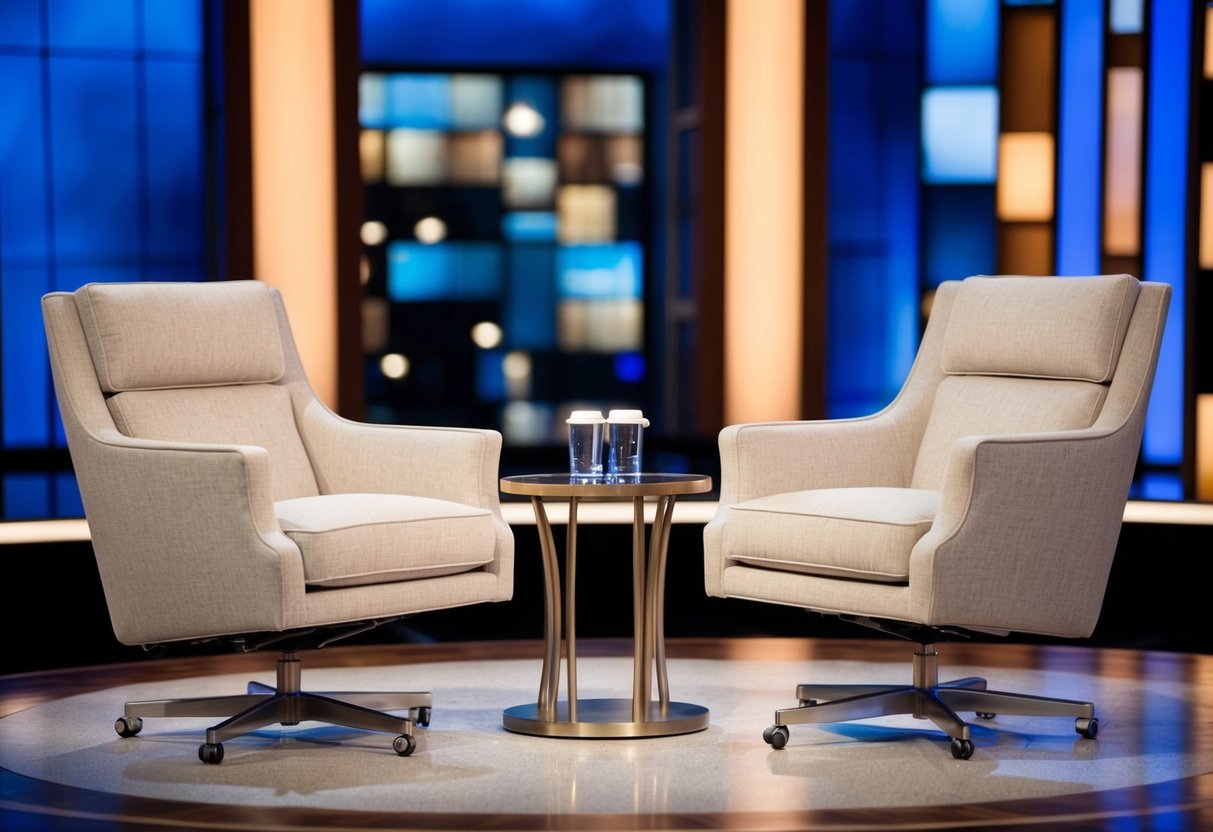
The talk show format has evolved significantly over the years, with many memorable hosts shaping its path. From early radio shows to modern television, each host has added a unique touch to the art of conversation.
The Origins of the Talk Show Format
The talk show format began to take shape in the early 20th century. It started with radio programs featuring one host discussing various topics. Early examples include Arthur Godfrey, who had a knack for engaging audiences with his charm. By the 1950s, the format transitioned to television.
Steve Allen is credited with creating the first successful variety talk show in 1954. His show combined interviews, comedy sketches, and musical performances, setting a standard for future late-night programming. This paved the way for Jack Paar, who brought a more personal touch to the conversation style, making guests feel more at ease.
Iconic Hosts and Their Legacy
As the years went on, several hosts became icons in the talk show world. Johnny Carson, who hosted “The Tonight Show” from 1962 to 1992, is perhaps the most famous. He mastered the art of interviewing and combined humor with insightful questions.
Following Carson, David Letterman introduced a new style, focusing on quirky segments and offbeat humor, which influenced many hosts after him. Oprah Winfrey revolutionized daytime talk by blending personal stories with inspirational content, attracting a devoted audience. Other notable hosts, like Craig Ferguson and Dick Cavett, also left their mark, each adding their own creative spin to the talk show landscape.
Talk Show Etiquette and Practices
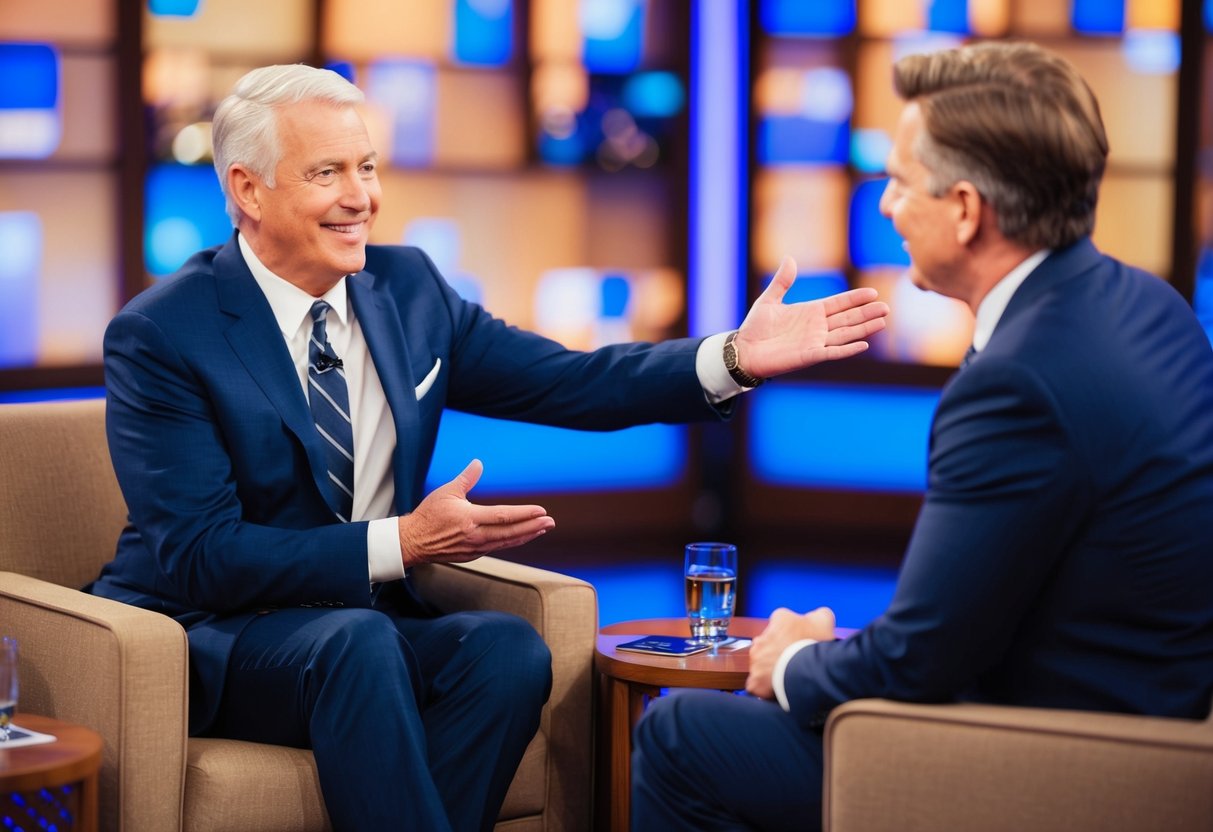
When watching talk shows, you might notice how guests and hosts interact when it comes to seating. Certain practices create a comfortable atmosphere and maintain respect during the show. Let’s look at the common etiquettes and customs that shape this experience.
Seating Arrangements and Guest Entry
Seating positions are carefully planned in talk shows. Often, the host sits to the right of the guest. This arrangement honors traditional etiquette, where guests sit at the host’s right side.
This design also places the host’s dominant hand closer for gestures, allowing easier communication. Furthermore, the set design typically ensures that the audience sees the guest on their left from the camera’s perspective.
Role of the Host in Talk Shows
The host’s role is crucial in setting the tone of the show. As the person welcoming guests, they must make everyone feel at ease.
You may notice that hosts often wait for guests to sit first. This ritual shows respect and courtesy. It’s not just about power dynamics; it’s about creating a friendly environment for conversation.
Engagement with Guests and Audience
Engaging with both guests and the audience is key to a successful talk show. Hosts often ask questions that encourage guests to share stories or insights.
In addition to talking, hosts acknowledge audience reactions. This connection keeps the energy flowing. Sometimes, hosts even involve the audience in discussions or games, creating a lively atmosphere that draws everyone in.
The Art of Conversation in Talk Shows
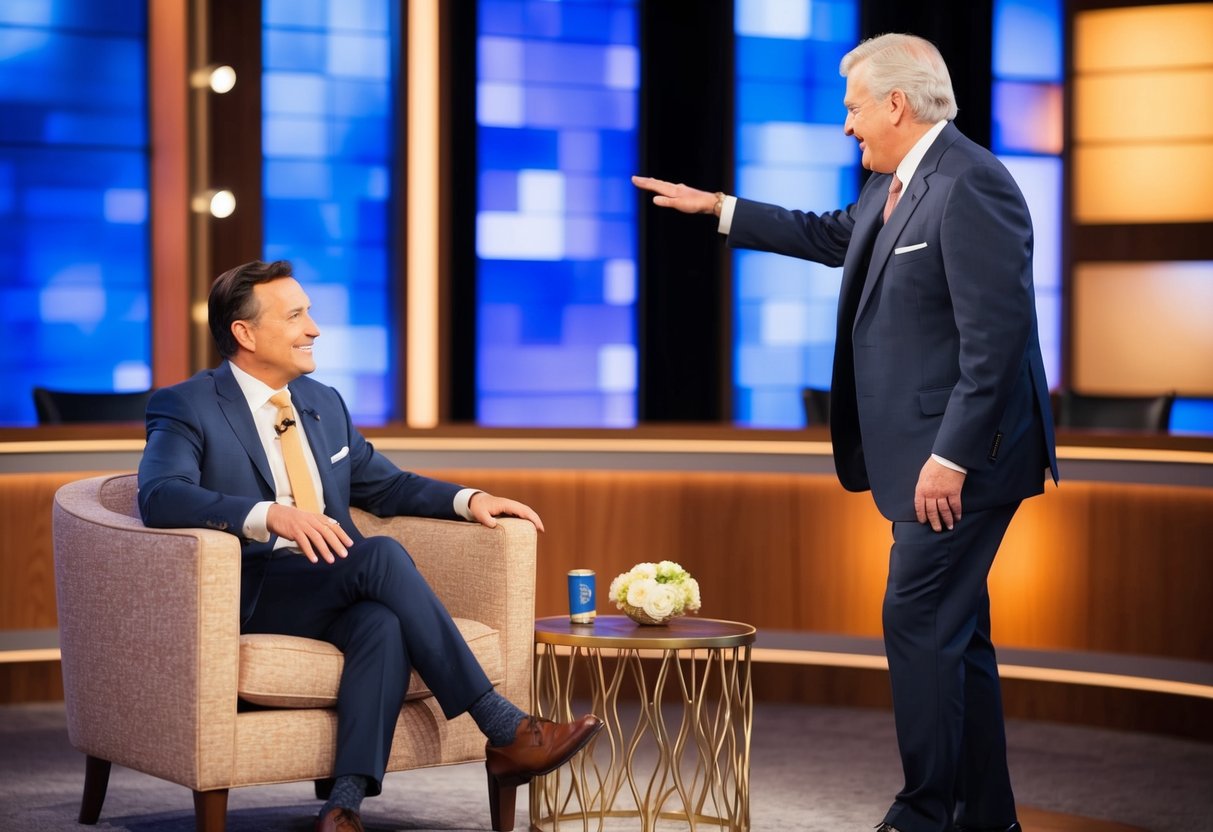
In talk shows, the conversation is a delicate dance between the host and the guest. You will find that mastering interview skills and balancing humor with seriousness are key to creating engaging dialogue.
Mastering the Interview Technique
As a talk show host, your role is to guide the conversation. You might think of Johnny Carson, who was famous for his smooth interview style. He listened actively and asked insightful questions.
This approach helps you keep the audience engaged. Start by establishing a connection with your guest. You can find common ground through shared experiences or notable events.
Use follow-up questions to dive deeper into interesting topics. This not only shows your genuine interest but encourages the guest to share more personal stories. For celebrity interviews, this technique can reveal hidden sides of famous personalities, making the conversation memorable.
Balancing Humor and Seriousness
Humor can lighten the mood and create a relaxed atmosphere. You can incorporate jokes or light-hearted comments, making guests feel at ease.
Yet, it’s important to gauge when to shift to serious topics. You want to provide a well-rounded conversation. For instance, while discussing a guest’s recent musical performance, sprinkle in humor but be ready to switch gears if they touch on sensitive subjects.
This balance keeps the audience engaged and encourages candid discussions. Your ability to blend humor with depth can make a significant difference in the impact of the conversation. Think about how musical acts often share personal stories alongside their performances, enriching the experience for everyone involved.
Modern Innovations and Media Interaction
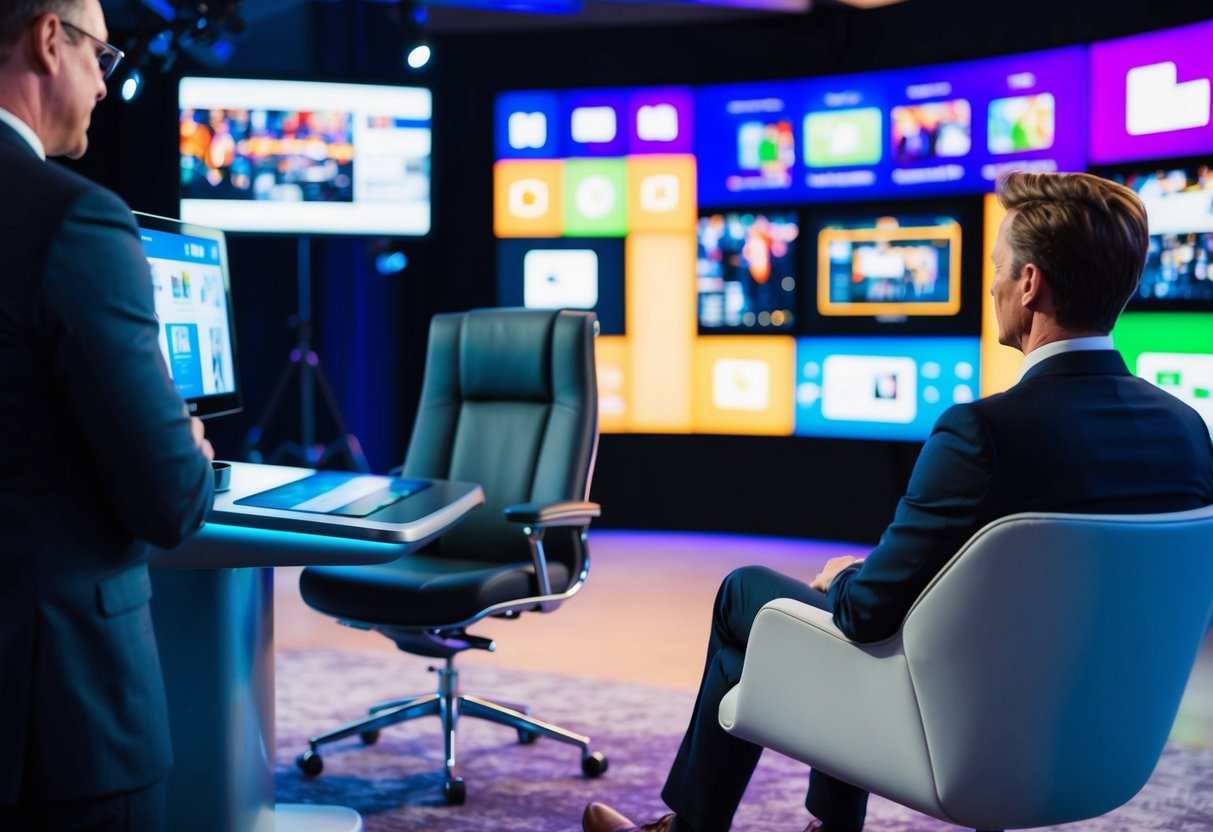
The way talk shows engage with their audience has changed significantly. With the rise of technology, hosts and guests now face new interactions that keep viewers connected and engaged.
Integration of Digital Communication
Modern talk shows often use digital platforms to enhance communication. Hosts can interact with audiences through social media, emails, and live chats. For example, your comments can appear in real-time during a broadcast, making you feel part of the conversation.
Many shows also incorporate apps or websites where you can vote on topics or questions for guests, creating a more interactive experience. Some talk show hosts, like Ross, even engage with viewers via their phone numbers, allowing for direct communication.
Adaptation to Changing Viewer Habits
Today’s world sees rapid changes in viewer habits. People often prefer shorter, more dynamic content.
Talk shows adapt by condensing segments or introducing fast-paced discussions to keep your attention.
Additionally, shows are focusing on unique topics to stand out. For instance, they might feature guests who discuss their passions, like cooking or lifestyle, rather than traditional interviews. This shift appeals to diverse audiences and encourages more viewers to tune in regularly.
As talk shows evolve, incorporating innovations and responding to viewer preferences will remain vital for maintaining your interest and engagement.