
Who Sits Next to Bride and Groom on Top Table? A Guide to Wedding Seating Arrangements
When planning your wedding reception, one of the key seating arrangements to consider is the top table. This special table is where you and your partner will sit, surrounded by your closest family and friends. Traditionally, the bride sits next to the groom, with their parents and the best man and maid of honor sitting nearby.
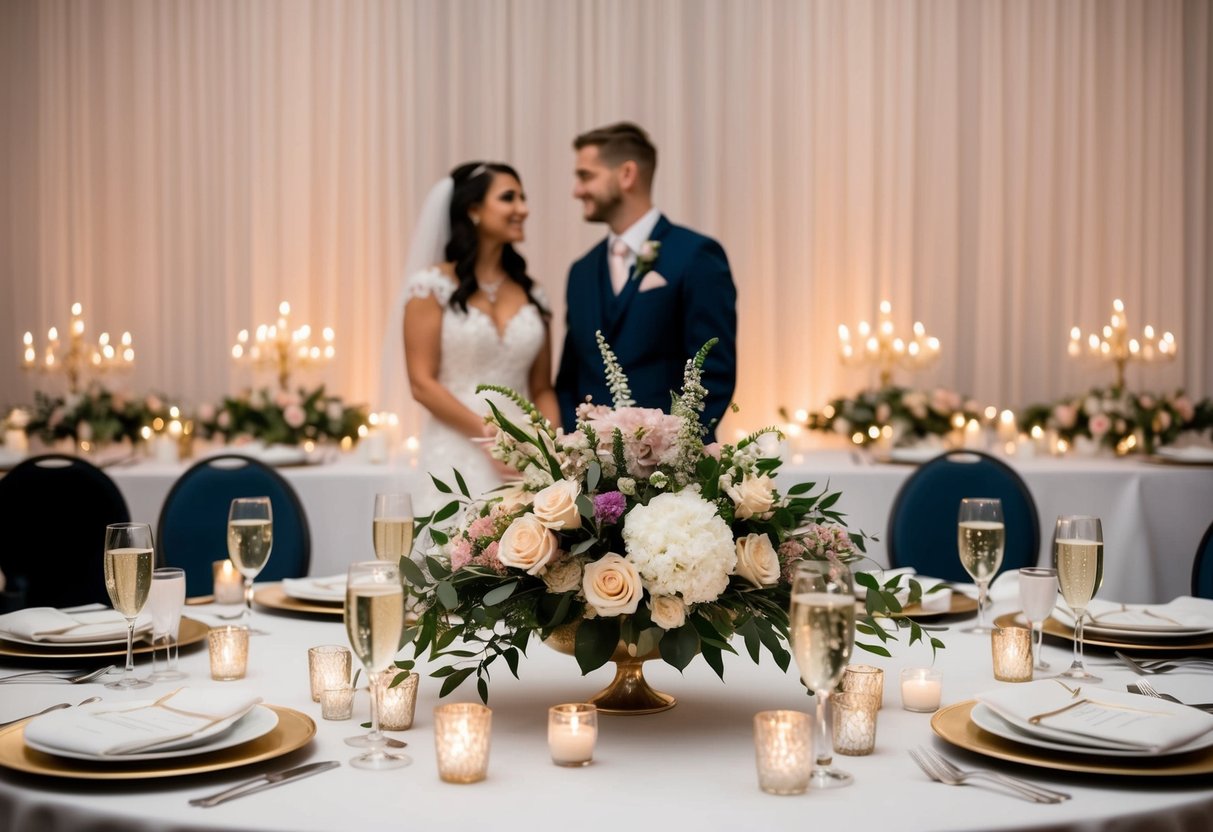
Understanding wedding etiquette for the top table can help you avoid any family drama or awkward moments. You might choose to sit your parents on either side of you or mix in siblings or close friends to make the arrangement more personal.
With so many options, it’s important to think about what feels right for you and your partner.
Creating a seating chart that reflects your relationships can enhance the joy of your celebration. Whether you stick with tradition or make your own rules, knowing who sits next to you at the top table can set a positive tone for your special day.
The Importance of Seating Arrangements at Weddings
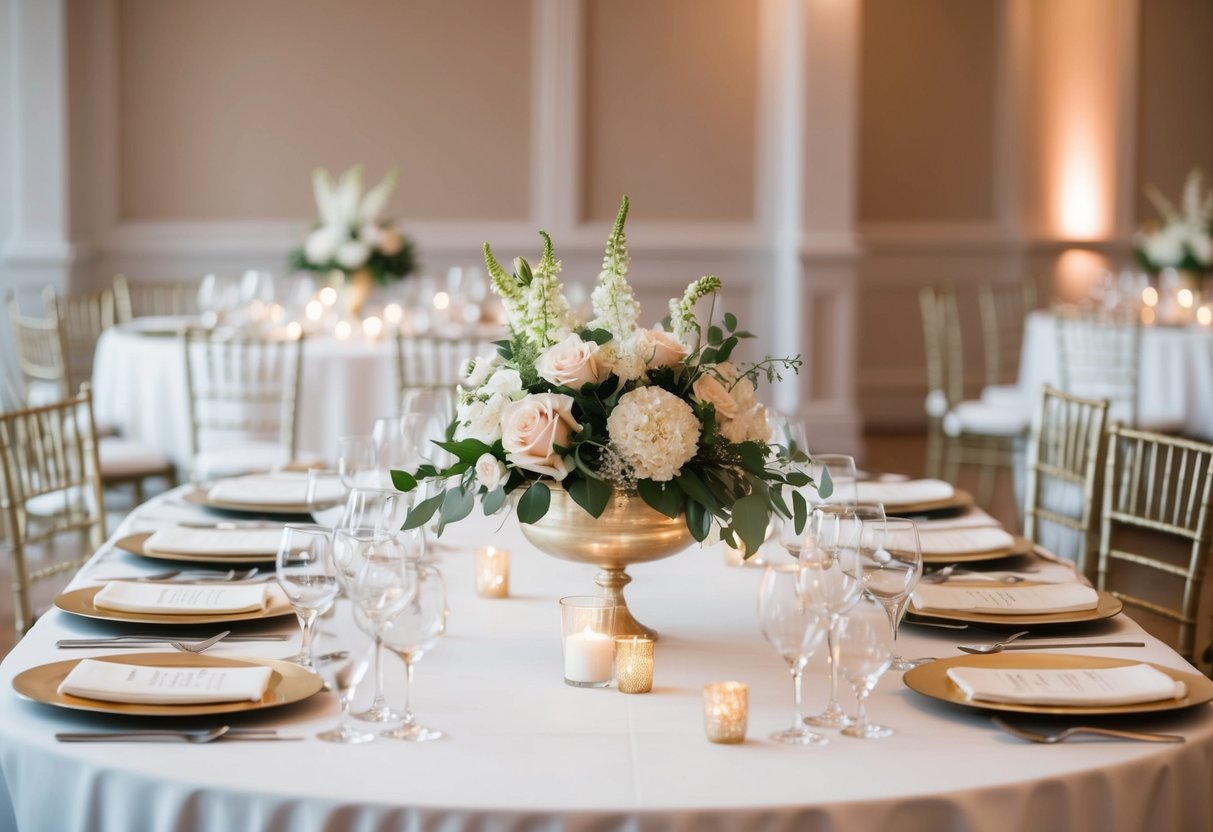
Seating arrangements play a key role in the success of your wedding. They affect how guests interact and enjoy the day. Carefully planned seating can enhance the atmosphere and help everyone feel comfortable.
Understanding the Top Table
The top table is often the centerpiece of wedding seating. It usually includes the bride and groom, their parents, and the best man and maid of honor. This arrangement highlights important relationships and celebrates the couple’s new life together.
Make sure to consider family dynamics when planning this table. If there are any strained relationships, it might be wise to seat them strategically. Thoughtful seating reassures guests and makes for a harmonious experience. Additionally, it reflects your plans for wedding festivities and celebrations.
Seating Arrangements and Wedding Dynamics
Your seating chart impacts social interactions during the reception. Placing guests together who share interests or know each other fosters lively conversations.
For example, friends from college can spark fun memories if they sit near each other.
On the other hand, you might want to separate guests who may not get along. A well-planned seating chart can help avoid awkward moments. Also, consider the guest list size; it can affect how tables are organized. Having a mix of family and friends at each table can create a welcoming vibe for everyone attending.
Who Traditionally Sits at the Top Table?
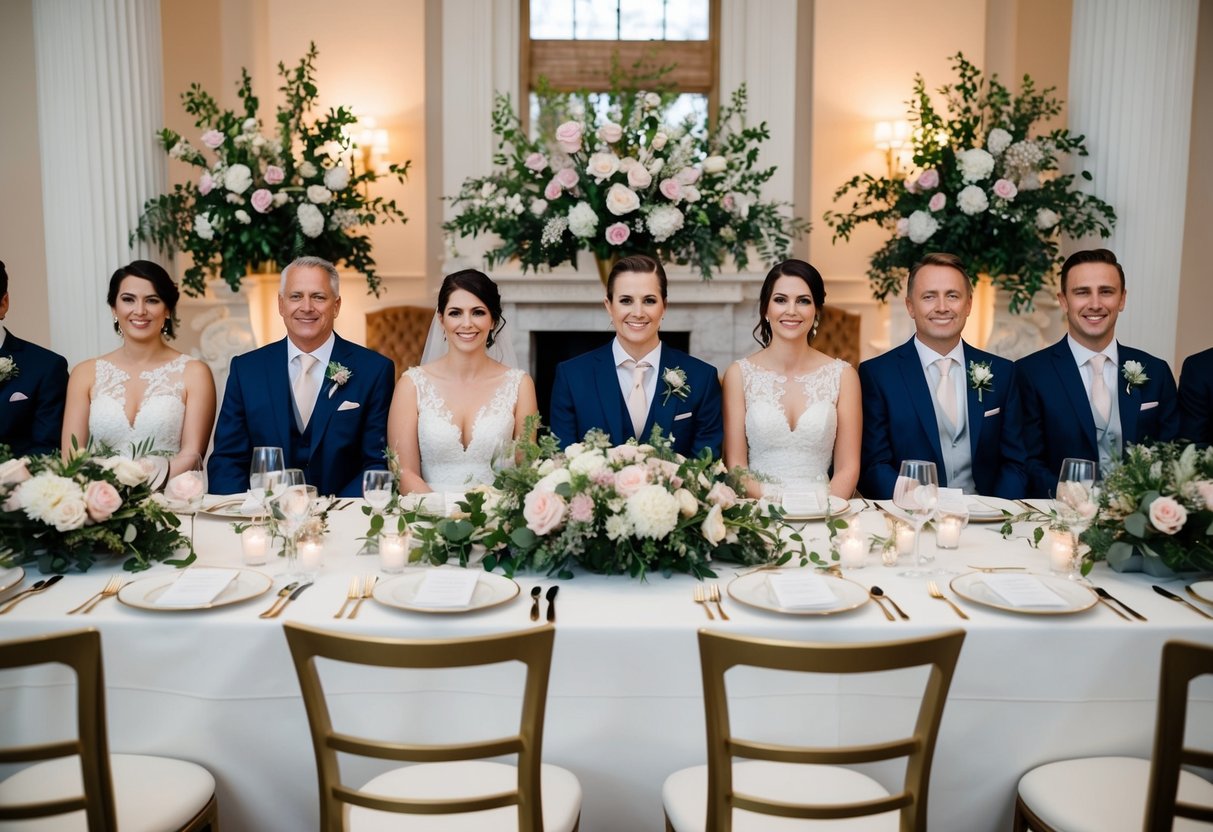
At a wedding, the top table is a special place where the bride and groom share their moment with loved ones. The seating arrangement follows some traditional guidelines that help create a clear and respectful layout.
Roles and Positions of Family Members
Typically, the bride and groom sit in the center of the top table, while their parents sit nearby. The bride’s parents usually sit on her side, while the groom’s parents sit next to him.
- Bride and Groom: Central positions.
- Bride’s Parents: Usually, the bride’s mother is on the left of the bride, and the father is on her right.
- Groom’s Parents: The groom’s father sits on the left of the groom, with the groom’s mother on his right.
The best man and maid of honor or chief bridesmaid often take seats next to the couple, adding to the significance of this shared family moment.
Placement of Divorced and Step-Parents
When parents are divorced or remarried, seating can become a bit more sensitive. It’s important to handle this thoughtfully to keep everyone comfortable.
- If the bride or groom has a step-parent, they typically sit next to their biological parent.
- For example, the bride’s step-father may sit next to her biological father, if appropriate.
This arrangement helps maintain family harmony. You can also create a unique seating plan that reflects your family’s needs while respecting everyone’s feelings. Effective communication prior to the wedding can help ensure all family members are on the same page about their seating arrangements.
Alternative Top Table Layouts
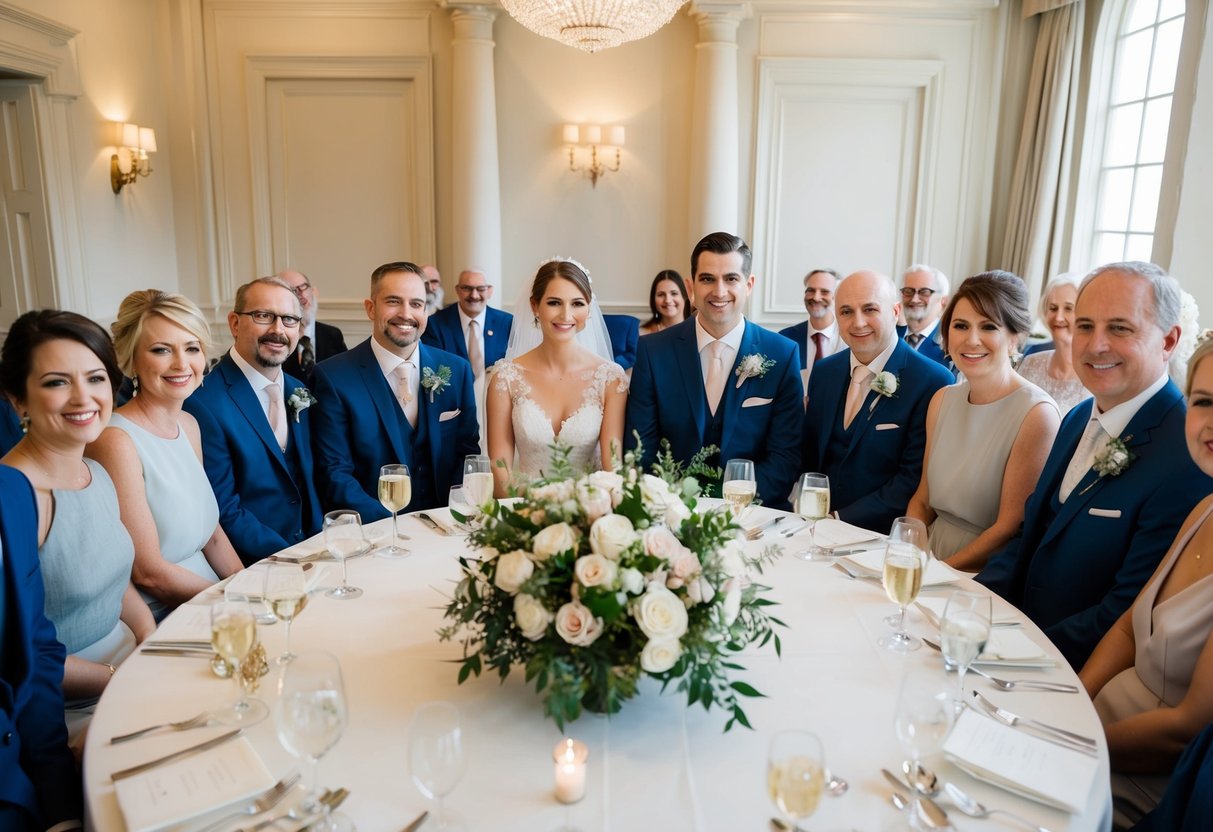
When planning your wedding, you might consider different ways to arrange your top table. These alternative layouts can help you include more guests and ensure everyone feels welcome during the reception.
Opting for a Sweetheart Table
A sweetheart table is a cozy option just for you and your partner. This setup places you at a small table, romantically decorated, away from the main bridal table. It gives you a private space to enjoy each other’s company.
By opting for a sweetheart table, you can create a more intimate atmosphere. Additionally, it allows your bridal party—like bridesmaids and groomsmen—to sit with their partners or friends at the main table. This arrangement makes the reception feel more inclusive while keeping the focus on you.
Inclusive Seating for Bridal Party Members
Another great choice is to involve your bridal party more in the seating layout. Instead of a traditional long table, consider creating a “U” shape or a round bridal table.
This way, you can easily include all your bridesmaids and groomsmen close to you.
With this setup, you can arrange place cards so that each bridal party member sits next to a guest they know. This not only encourages lively conversation but also helps ensure that no one feels alone. Having a mixed table also makes the reception feel welcoming and fun.
Handling Special Seating Requests
Every guest has unique preferences, especially in a big wedding. Consider creating a singles table for those attending alone. This can help them connect with others in a similar situation.
Also, listen to special seating requests from family members, especially if there is a need to avoid awkwardness. You can use place cards to designate who sits where, ensuring everyone feels comfortable. Customizing tables this way can enhance the entire reception experience and encourage bonding among guests.
Finalizing the Seating Plan
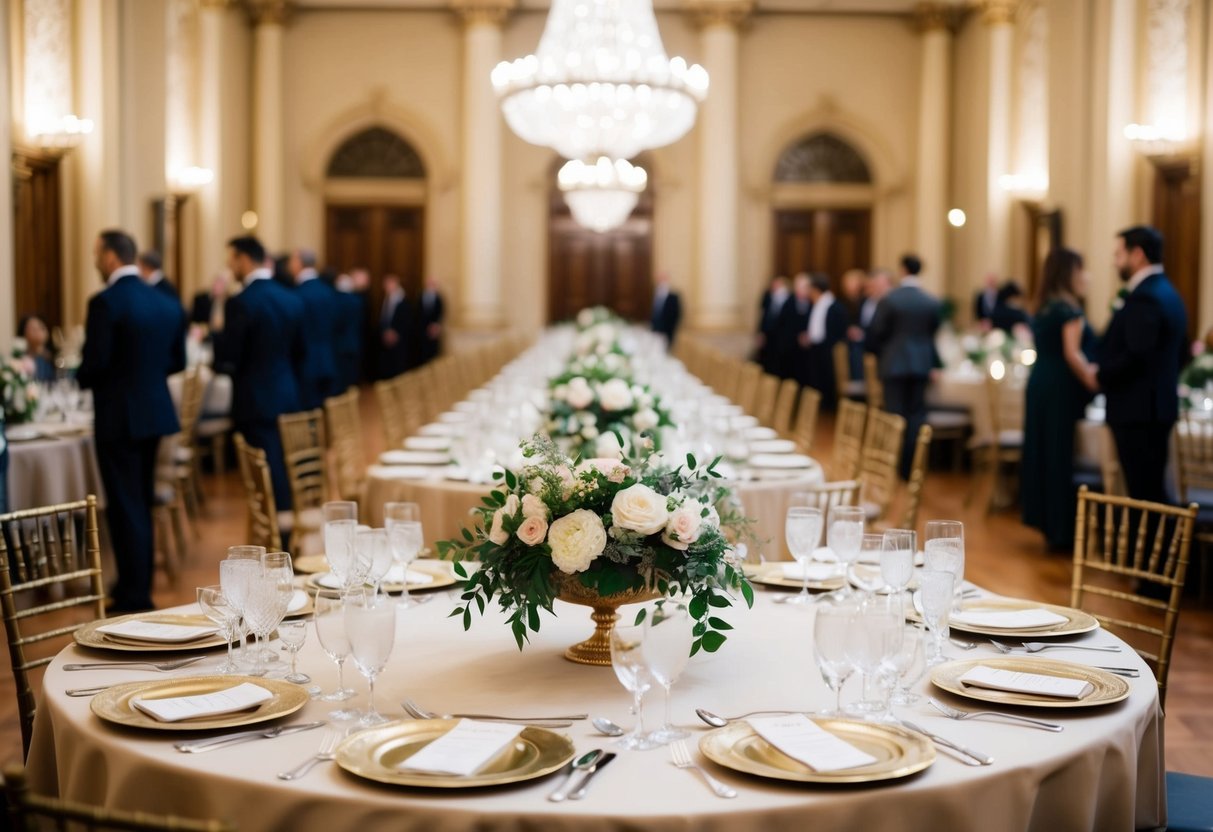
Creating your wedding seating plan can feel stressful, but it helps to follow a few simple steps.
Start by making a seating chart. This visual guide will ensure everyone knows where to sit.
Begin with the top table. The bride and groom sit at the center, with important people beside them. Typically, the groom sits to the bride’s right. Next to the bride may be the best man, and next to the groom is usually the maid of honor.
Once your top table is arranged, focus on the reception seating chart. Think about the dynamics of your guests. Seat friends near each other, and consider family relationships to avoid awkwardness.
For your wedding seating plan, consider these tips:
- Group similar friends to create a fun atmosphere.
- Avoid seating ex-couples at the same table.
- Provide a seating plan board at the entrance to guide guests.
You can also assign tables instead of specific seats for more flexibility. This approach can reduce the stress of managing every detail.
Lastly, remember that your wedding seating plan reflects your preferences. Keep it organized but feel free to adapt as needed.