
Who Sits Next to Bride at Reception? Understanding Wedding Seating Arrangements
At a wedding reception, choosing who sits next to the bride is an essential part of the seating arrangements. Usually, the groom sits to the bride’s right, and often the best man is seated to her left. This placement not only honors these key individuals but also helps create a warm and inviting atmosphere at the head table.
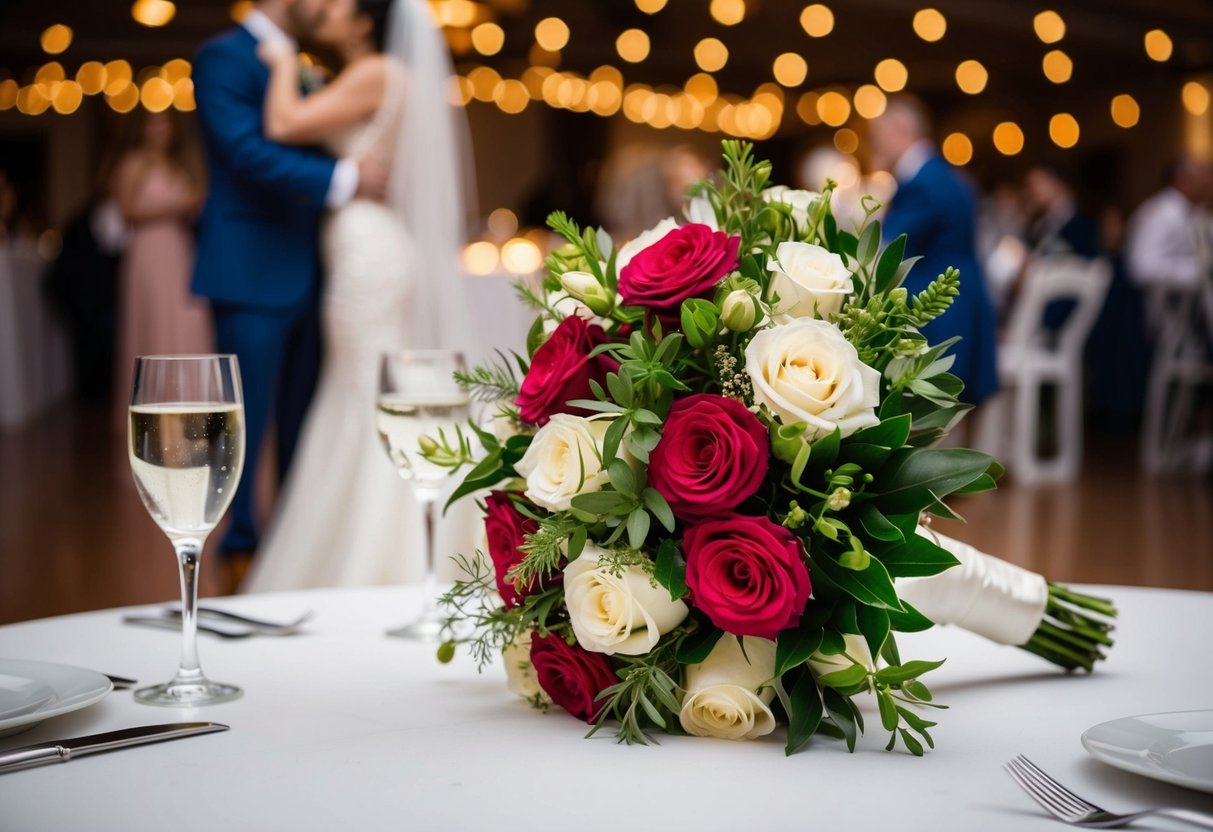
When planning your wedding seating chart, it’s important to consider the dynamics of your guest list. If you opt for a sweetheart table, just the two of you will be front and center. Alternatively, having a head table with your bridal party allows for more special moments and shared laughter throughout the evening.
Remember to think about seating chart etiquette, which can guide you in making thoughtful placements.
Creating a thoughtful seating plan helps everyone feel included and comfortable. By considering who should sit next to the bride, you’re not only enhancing her experience but also setting a positive tone for the entire reception.
Setting the Scene: Understanding Reception Seating Basics
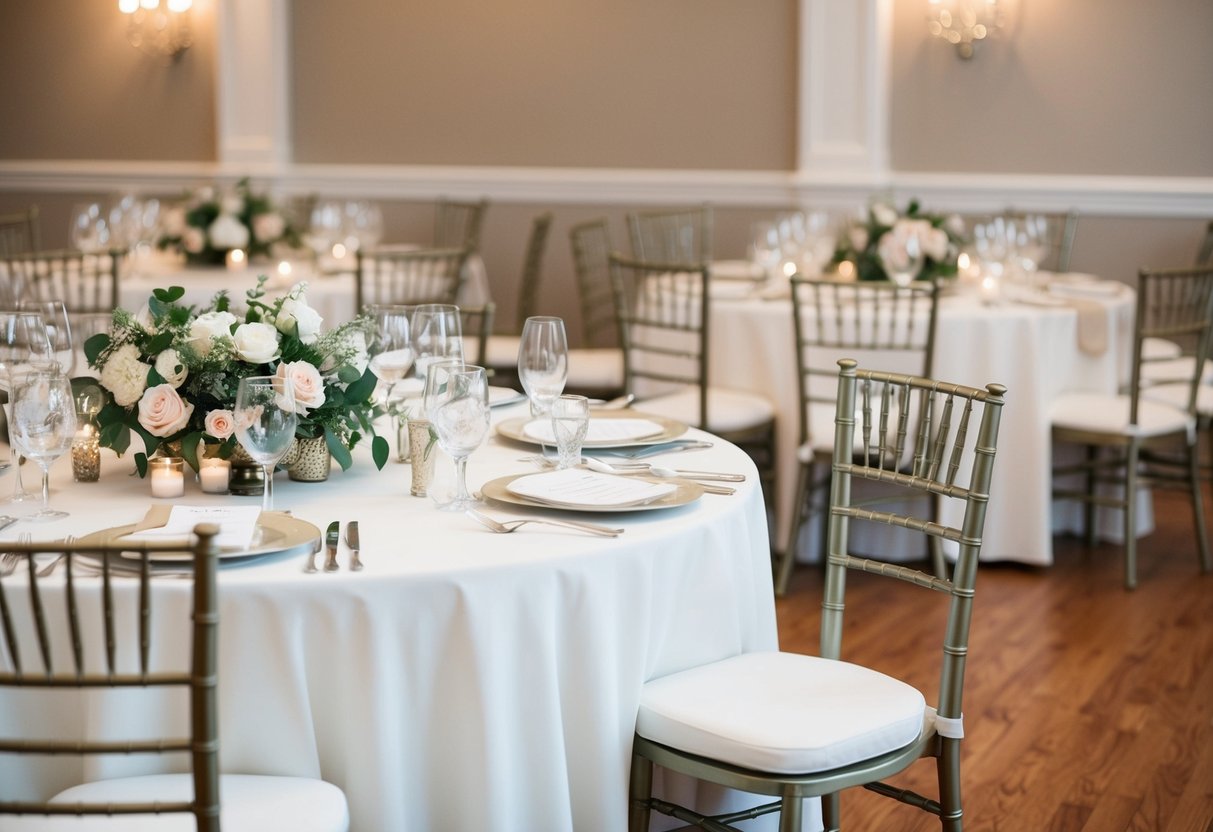
Creating a welcoming and organized seating arrangement is key to your wedding reception. You’ll want to think about the head table and how to design a functional floor plan that brings everyone together.
Defining the Head Table and Sweetheart Table
The head table is where you, as the bride, and your partner will sit during the reception. This table usually features the wedding party, including the best man and maid of honor. Traditionally, the groom sits to your right, while the maid of honor sits next to the groom.
In contrast, a sweetheart table is just for the two of you, offering a more intimate setting. This option allows you to enjoy quiet moments together while still being part of the celebration. Decide which table style suits you best by considering your personality and the overall vibe of your wedding.
Creating a Functional Floor Plan
Your wedding reception seating chart plays a vital role in how smoothly the event flows. Start by determining the size and shape of your tables and consider how many guests you’ll have. Use a simple grid or drawing to visualize the layout.
Think about family tables for close relatives, ensuring they feel included. Take into account any special needs guests may have and place them accordingly. A well-planned floor plan helps everyone mingle and enjoy the celebration, creating a joyous atmosphere for all.
Who Sits Where? The Bride’s Immediate Circle
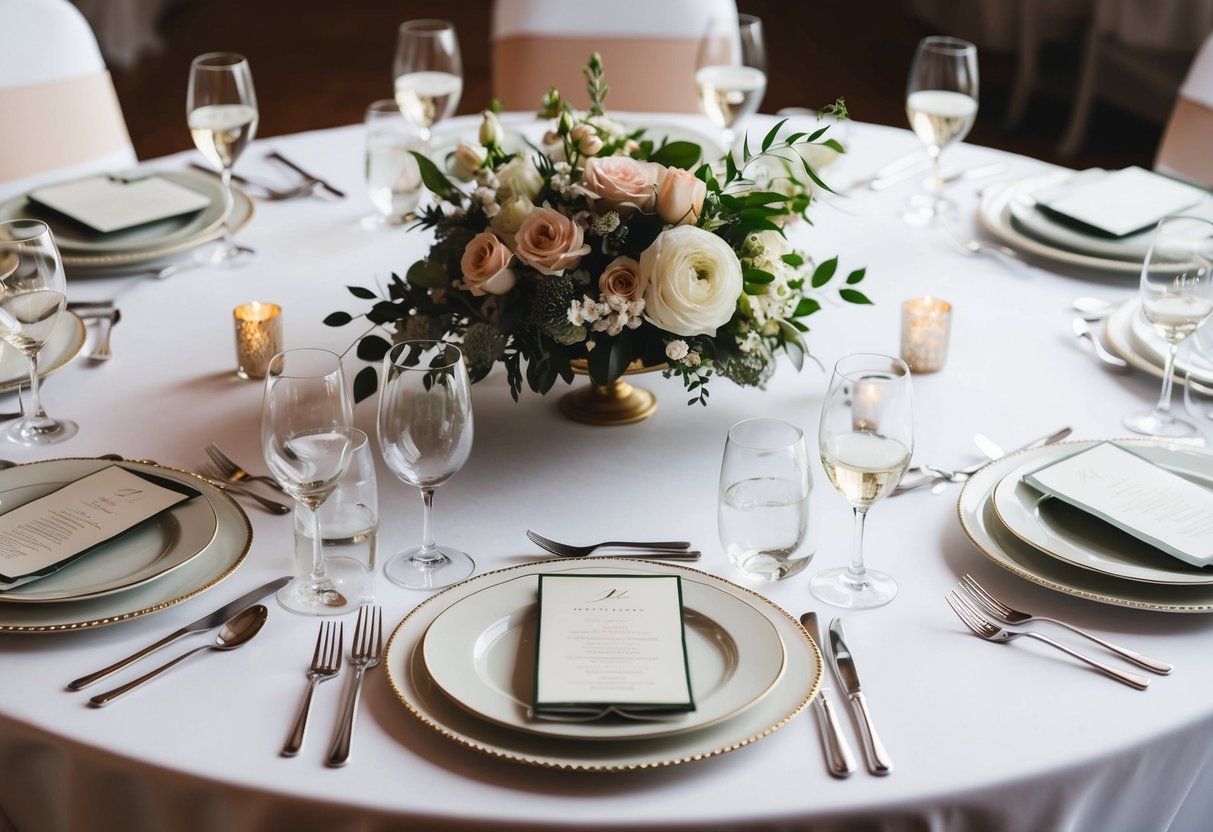
Planning the seating for the bride’s immediate circle can help create a warm and supportive atmosphere at your wedding reception. Key roles include the maid of honor, bridesmaids, and close family members.
The Role of the Maid of Honor and Bridesmaids
The maid of honor is usually seated next to you at the head table. This special spot allows her to easily support you throughout the event. Your bridesmaids should sit nearby, creating a sense of friendship and unity.
Consider arranging them based on their relationships with you. Placing your closest friends on one side can foster easy conversation. You might also choose to place taller guests at the ends to improve sightlines.
Seating VIP Guests and Family Members
Your VIP guests and family members also play a significant role in the reception. Close family members, like parents and siblings, should be seated at the head table with you. This inclusion reinforces family bonds on your special day.
For important guests who cannot sit at the head table, designate tables nearby. Use name cards to avoid confusion. It’s important to consider family dynamics too. Ensure everyone feels comfortable and acknowledged in their seating arrangements. This thoughtfulness will help everyone enjoy the celebration.
Planning and Etiquette Essentials
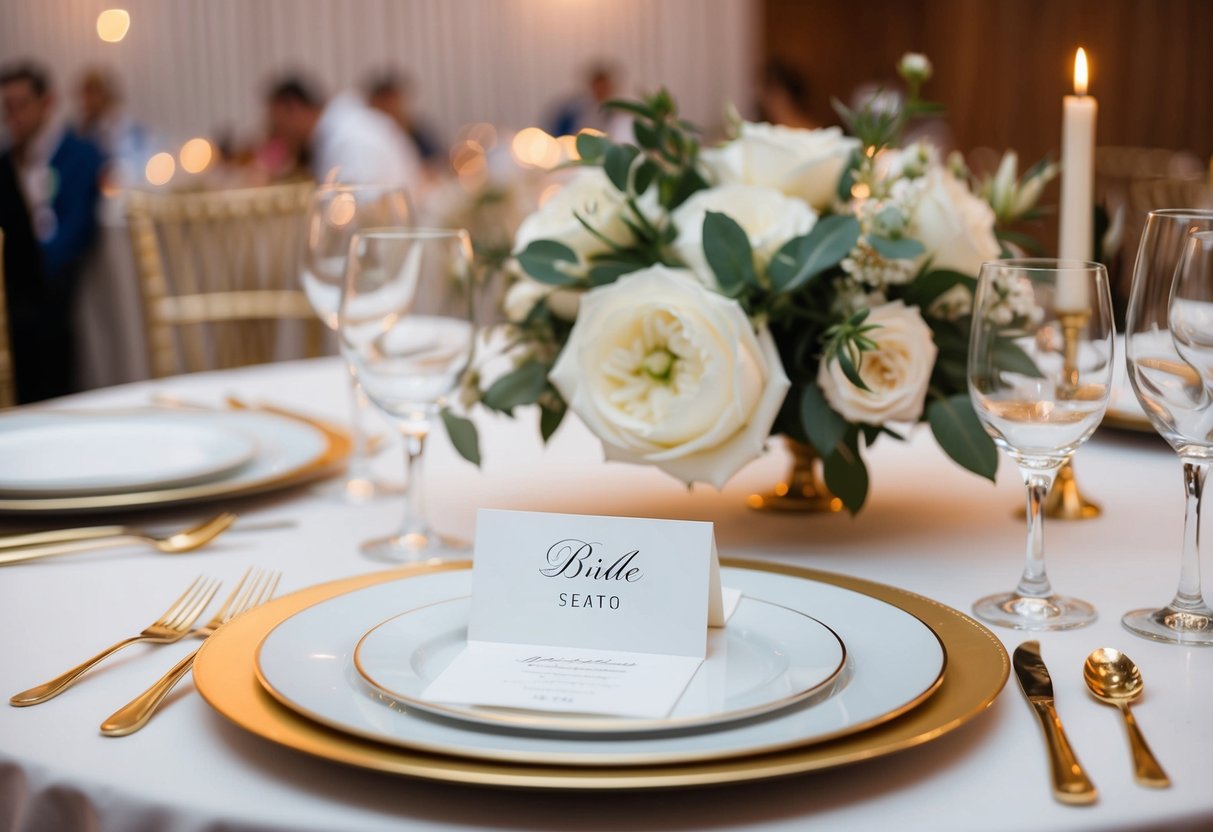
Creating a seating chart for your wedding reception is an important part of planning. It helps organize the event and ensures that guests feel comfortable. Here are some key tips and considerations for effective seating.
Key Tips for Effective Seating Chart Etiquette
When planning your seating chart, start with your closest family and friends. Typically, the bride’s family will sit on one side, and the groom’s family will be on the other. The bride sits at the center of the head table, with the groom to her right and the best man and maid of honor by their sides.
Use escort cards to direct guests to their assigned tables. This method helps everyone find their seat easily. Additionally, it’s a kind gesture to consider guest accommodations. Pair guests who know each other or share common interests to create a friendly atmosphere.
Make note of special seating requests. For example, if someone has a disability, ensure they are seated where access is easy. Avoid putting individuals who may not get along at the same table to keep the mood positive.
Navigating Plus-Ones and Singles Tables
When it comes to plus-ones, be clear in your invitations about who can bring a guest. Keeping the number manageable is important for your seating arrangements. Typically, close friends and partners are allowed a plus-one, while acquaintances might not be.
For singles, consider creating a singles table. This gives them a chance to mingle and meet new people. Assigning some fun seating can break the ice. Provide activities like conversation starters to keep the atmosphere lively.
In all cases, balance is key. Try to space out single guests and plus-ones across various tables. This ensures everyone feels included and helps to create a relaxed, friendly environment at your reception.
Final Touches: Assignments and Place Cards
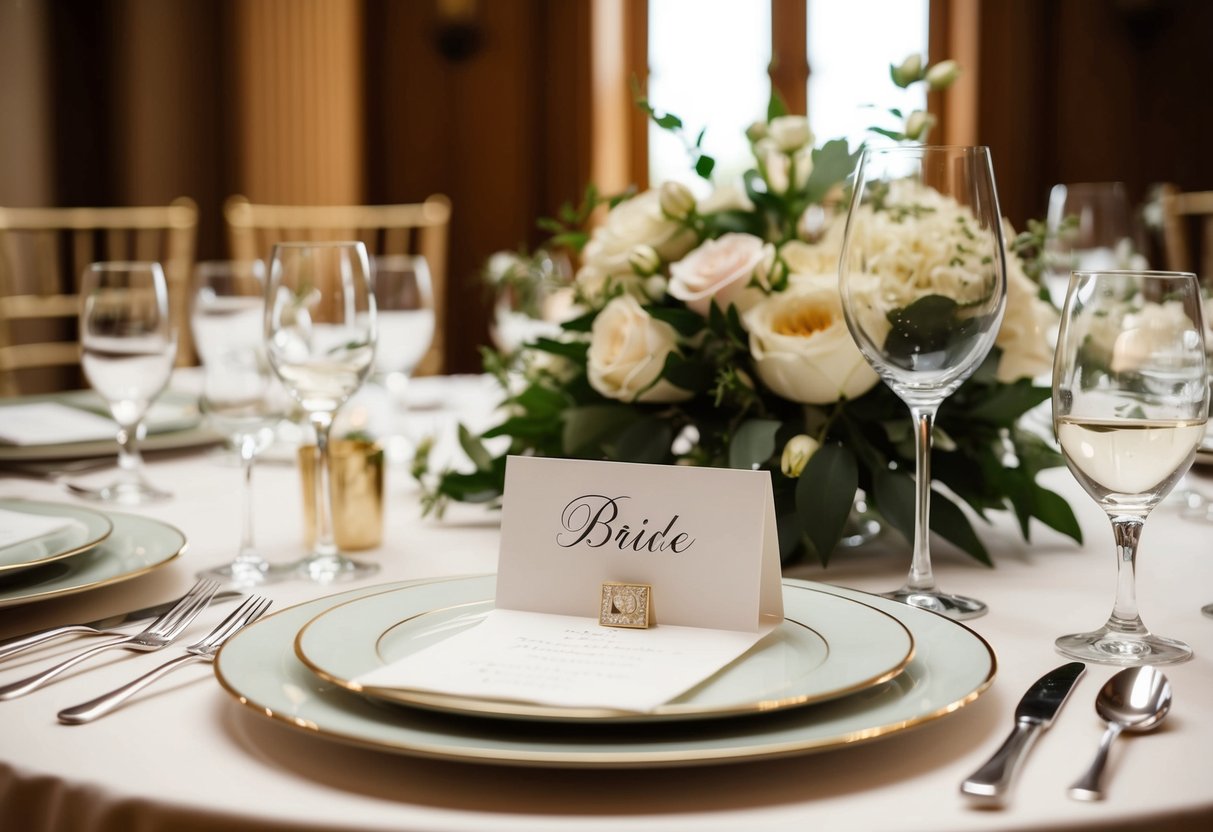
Getting the seating right can make your wedding reception easier for everyone. Assigning seats and using place cards help organize the event and ensure guests feel comfortable.
Allocating Seats with Seating Assignments
Assigning seats can relieve stress. You choose where each guest sits, helping avoid any awkward moments.
Start by creating a seating chart based on your guest list. Consider relationships and preferences. Place family members together and avoid pairing those who may not get along.
For larger weddings, the seating can be organized by tables. You can create tables with designated names or numbers, such as “Friends Table” or “Family Table,” to group guests with shared connections.
Don’t forget to include a table for the wedding party. This is often the “table of honor,” where the bride and groom sit with close family and friends.
Detailing Tables with Cards and Numbers
Once you have assigned seating, you need to make it clear for your guests. Place cards can effectively guide guests to their seats.
You can create simple cards with each guest’s name and their corresponding table number. A neat design adds a touch of elegance.
Consider using colors and styles that match your wedding theme.
Along with place cards, label each table with a number or name. This helps guests find their assigned table easily.
You can display table numbers prominently, using decorative stands or flowers.
These small details ensure a smooth flow of the event and a more enjoyable experience for all attendees.