
Who Sits Next to Groom on Top Table? A Guide to Wedding Seating Arrangements
When planning your wedding reception, one key detail is who sits next to the groom at the top table. Traditionally, the groom’s mother is seated to his right, followed by the best man, who sits next to her. This arrangement helps celebrate important relationships and honors family connections during your special day.
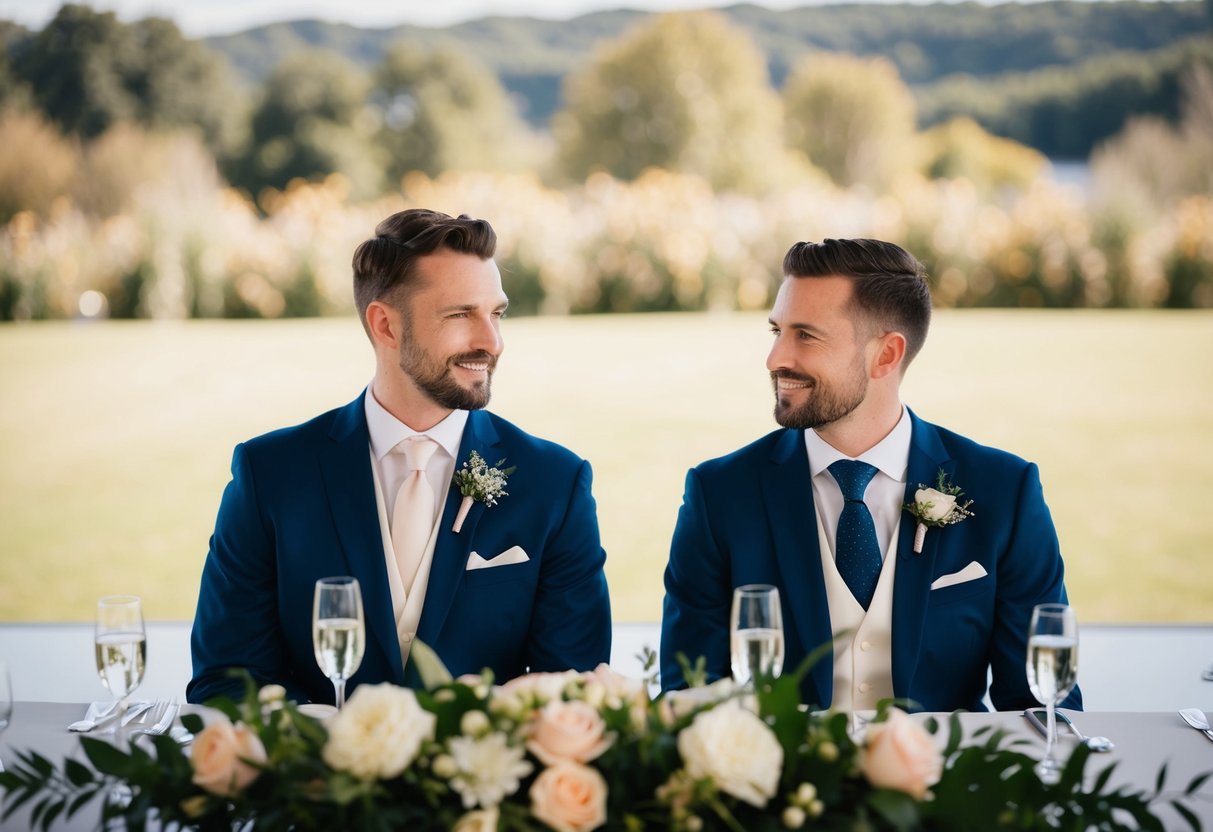
Of course, every wedding is unique, and you may have different people you’d like to include. It’s important to think about your own family dynamics and friendships when deciding on your wedding party’s seating. You might even want to share this information with your planner to ensure the whole affair flows smoothly.
As you go through your wedding planning, consider how the top table reflects your relationships. Setting the right atmosphere at the top table contributes to the joy and celebration of your wedding. From cherished family members to close friends, this is your chance to show appreciation for the people who mean the most to you.
Understanding the Top Table Arrangement
The top table is an important part of wedding seating. It symbolizes the couple’s status and includes key family members. Knowing the roles and how to arrange seating helps create a harmonious atmosphere.
Roles and Plate Settings
At the top table, seating is often reserved for the bride, groom, and their closest loved ones. The traditional setup usually has the bride and groom in the center, flanked by their parents and the best man and maid of honor.
Common roles include:
- Bride and Groom: Central focus.
- Maid of Honor: Seated near the bride.
- Best Man: Placed next to the groom.
- Parents: Accommodate both sides’ families, ensuring everyone feels included.
Plate settings should be elegant yet simple. Use matching dinnerware, and place settings should indicate each person’s role. Name cards can help guests find their assigned spots.
Positioning of the Bride and Groom
The couple typically sits at the center of the top table. This highlights their importance and makes them the focal point for toasts and speeches. The bride often sits to the groom’s right, following tradition. This arrangement helps with flow during the celebration.
When arranging your seating, consider family dynamics. If parents have divorced, plan the layout thoughtfully to avoid tension. You might alternate parents on each side or place them further apart, if needed.
Special Considerations
Seating can be challenging when divorced parents are involved. Open communication is key. Discuss the seating arrangement with all parties beforehand. This way, you can minimize conflict on the big day.
You may also consider a sweetheart table, where just the bride and groom sit together. This choice creates intimacy and can help ease tension with larger family groups.
Each wedding is unique, so tailor the arrangement to fit your family needs and preferences. Remember, the goal is to create a joyful atmosphere where everyone feels comfortable.
Important Members of the Wedding Party
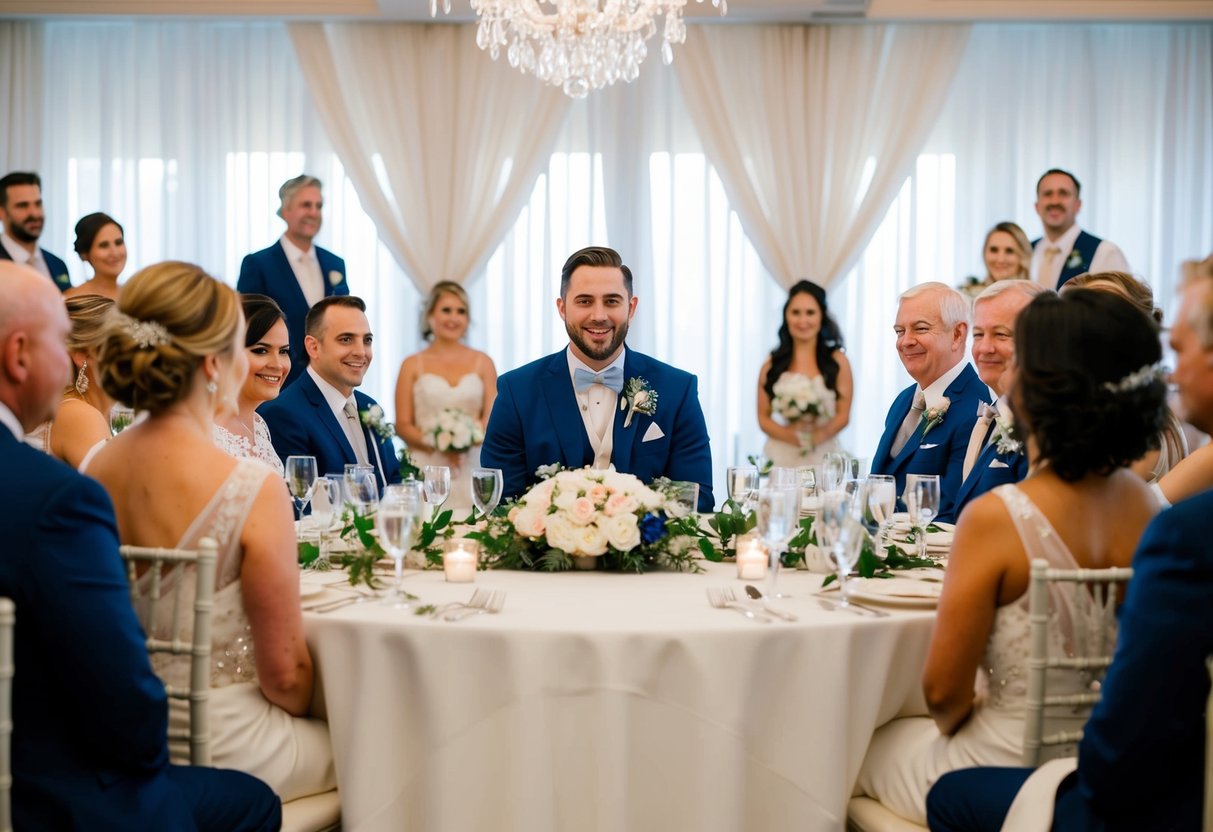
At the wedding, certain people play very special roles. These important members help support the newlyweds and make the day memorable. Let’s look at who sits near the groom on the top table.
Maid of Honor and Best Man
The maid of honor and best man hold key positions at the top table. The maid of honor is usually the bride’s closest friend or sister. She stands by the bride during the ceremony and often helps with planning. On the other side, the best man is typically the groom’s brother or best friend. He offers support, gives the toast, and handles the rings.
Both the maid of honor and best man sit beside the couple at the top table. This placement emphasizes their important roles and showcases their strong bond with the newlyweds. Their presence reminds everyone of the love and support surrounding the couple.
Bridesmaids and Groomsmen
Bridesmaids and groomsmen are also essential members of the wedding party. The bridesmaids sit next to the maid of honor. They help with various tasks, like planning the bridal shower and providing emotional support.
Groomsmen sit next to the best man. They assist the groom, help organize the bachelor party, and ensure that everything runs smoothly on the wedding day. Both groups often dress in a similar style to match the wedding theme.
Together, the bridesmaids and groomsmen create a joyful atmosphere. Their involvement encourages a sense of unity and excitement, enhancing the overall celebration.
Designing Your Seating Plan
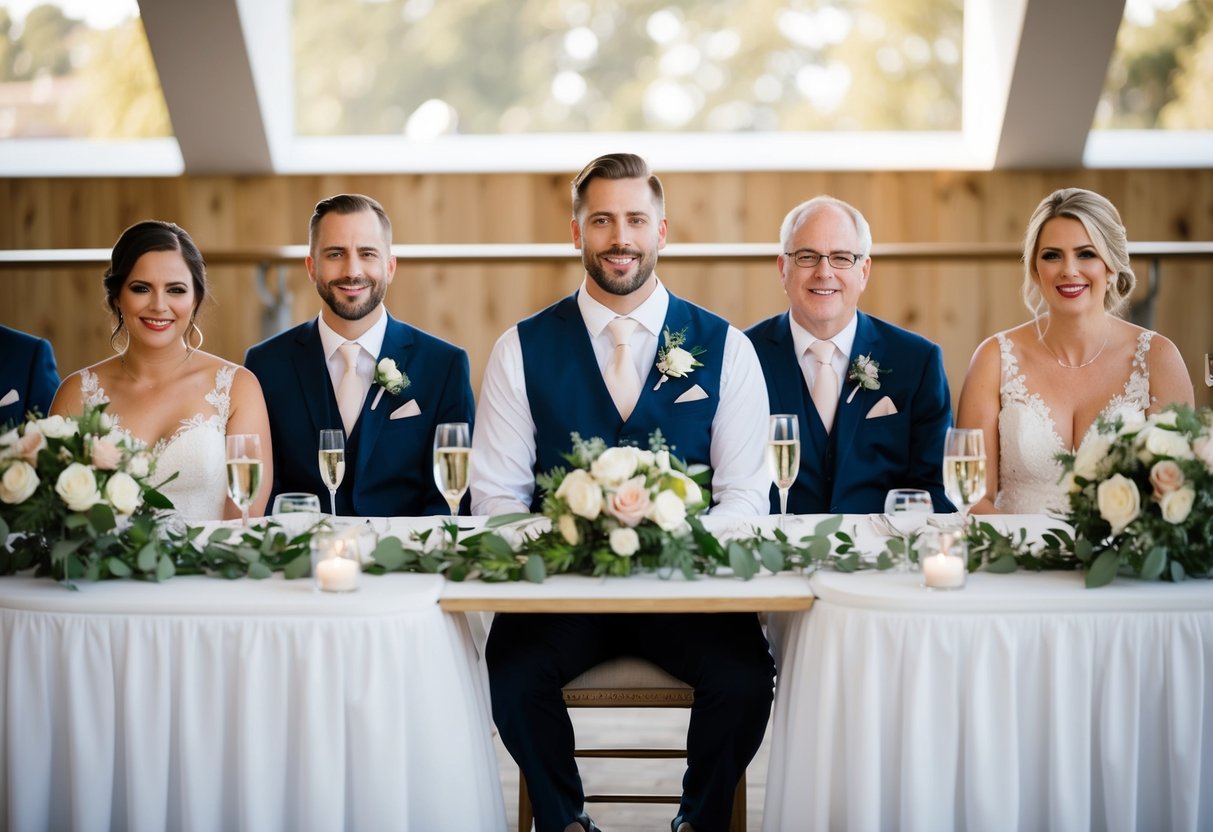
Creating a thoughtful seating plan is key to ensuring your guests feel comfortable and included at your wedding. You’ll want to balance the personalities at each table while considering the dynamics of your relationships.
Creating a Balanced Reception Seating Chart
When designing your reception seating chart, think about the relationships among your guests. Place close friends and family members together to foster good conversation.
Consider using a table layout that allows everyone to mingle. For instance, round tables encourage interaction, while long banquet tables offer a communal feel.
Pay special attention to those who might not know many guests. Seating them with friendly faces can create a more enjoyable experience.
Don’t forget to account for any special needs, like seating elderly relatives close to exits or restrooms. Making these choices can set the right tone for the celebration.
Integrating the Sweetheart Table
The sweetheart table is a lovely option for newlyweds. You can enjoy some alone time during the reception. It’s often placed prominently, allowing your friends and family to see you celebrate together.
When you decide to have a sweetheart table, think about your top table arrangements too. You may want to have the bridal party seated nearby to create a lively atmosphere.
Consider integrating fun elements like a sign with your names or special decor that matches your theme. This can make the table feel even more special.
The sweetheart table gives you a beautiful space to reflect on your day. You can share a meal while being the center of attention.