
Who Sits Next to the Bride and Groom? Understanding Seating Arrangements at Weddings
At a wedding, figuring out who sits next to the bride and groom can set the tone for your celebration. Understanding the seating arrangements is vital for a smooth reception. Typically, the groom sits to the bride’s right, with the best man on her left and the maid of honor on the groom’s side.
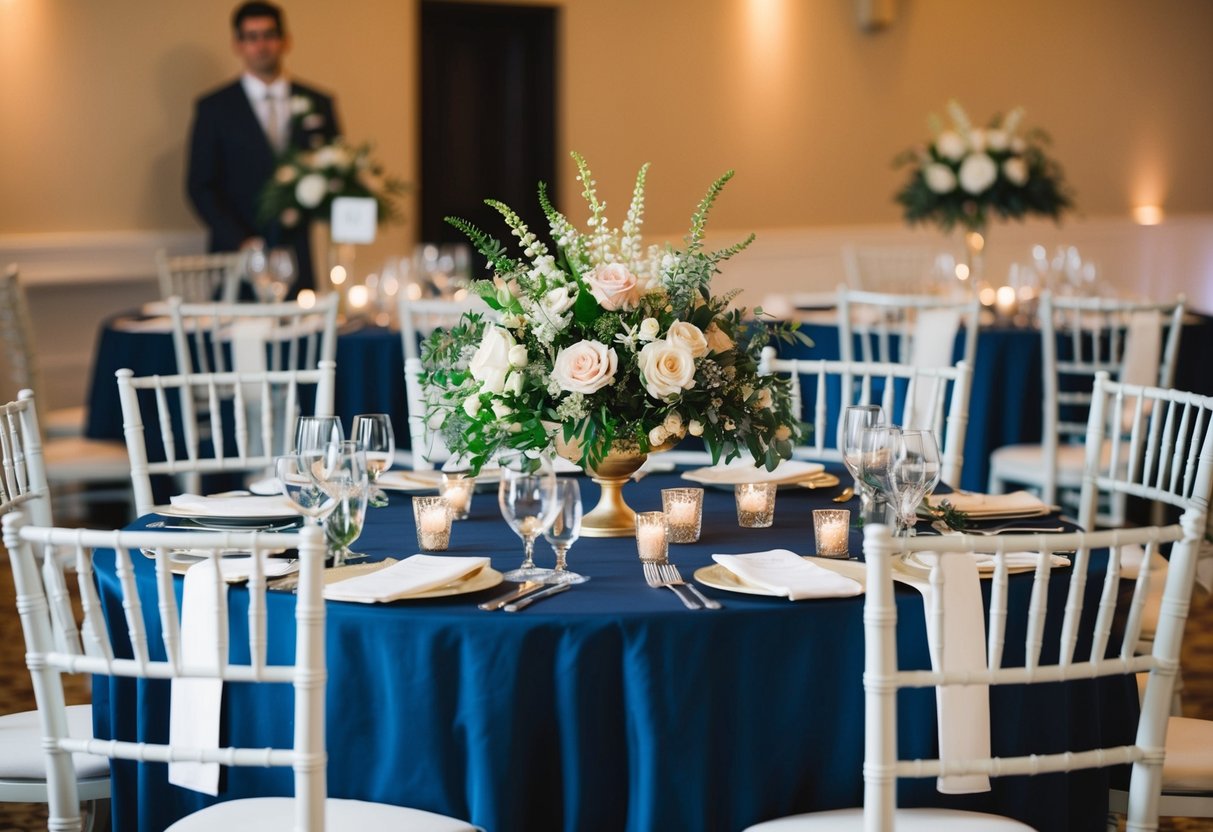
Creating a thoughtful seating plan helps support meaningful connections among guests. You’ll want to keep family dynamics and friendships in mind when deciding on reception seating. Keeping the top table filled with supportive loved ones ensures that the newlyweds feel surrounded by joy and love on their special day.
The Wedding Reception Layout
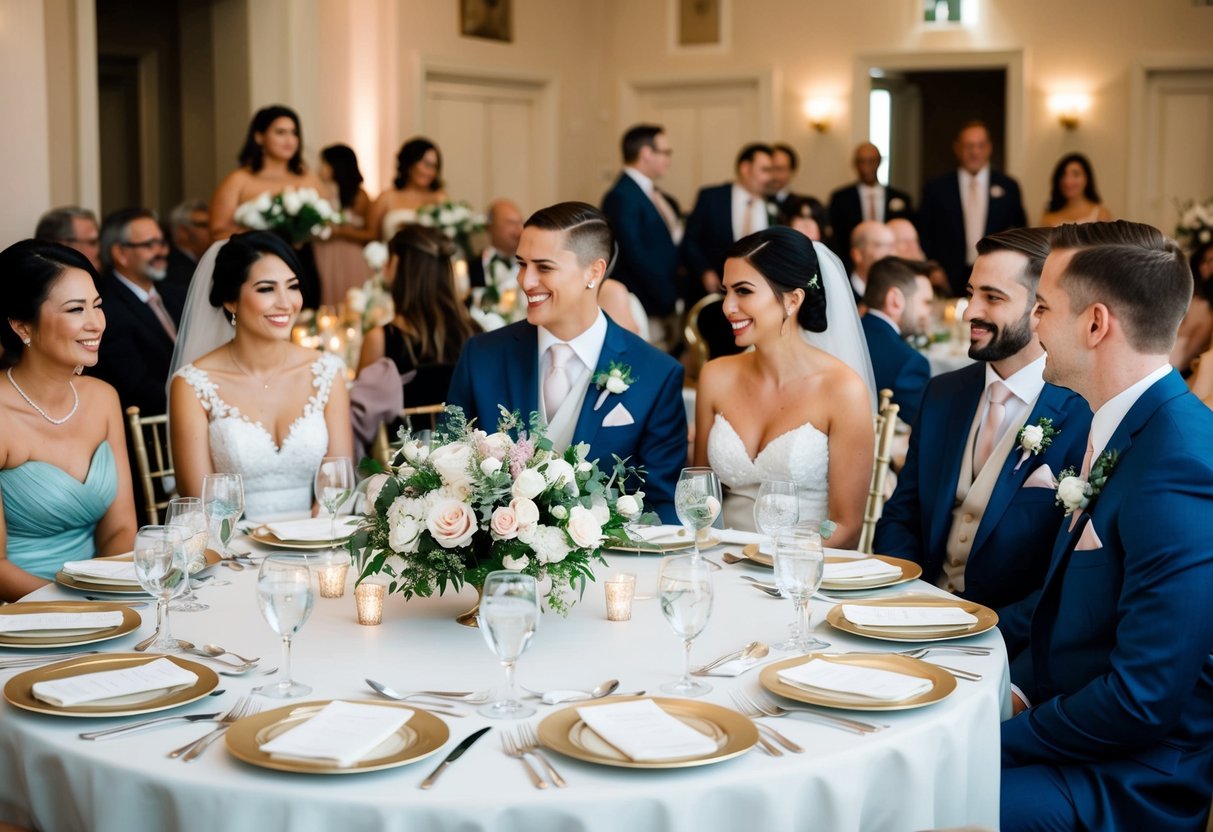
Setting up the layout for your wedding reception is crucial. It helps ensure that your guests feel comfortable and able to enjoy the celebration. You’ll want to focus on the seating arrangements, especially for the head table, family table, and how to make the most of your floor plan.
Understanding the Floor Plan
When planning your floor plan, think about the flow of the event. You want ease of movement for your guests. Ensure there’s a clear path to the dance floor, buffet, or bar.
Consider using round tables for a more intimate feel. You could arrange them in circles or clusters rather than rows. This allows for conversation and connection among guests.
Don’t forget to mark areas for the head table and family table. This makes it easy for everyone to understand where to go. A well-thought-out floor plan sets the stage for a lively atmosphere.
Setting Up the Head Table
The head table is the focal point of your reception. Traditionally, it features you, your partner, and your wedding party. The typical arrangement sees the groom sitting to the right of the bride, with the best man and maid of honor flanking them.
Consider the size of your head table. If it’s long, think about alternating seats between genders for a balanced look. For a more casual vibe, a round table can create a cozy environment.
Make sure the table has a good view of the guests. This helps you feel connected during the reception. Add personal touches, like floral arrangements, to make it truly yours.
Creating a Family-Friendly Environment
If children will be attending, it’s essential to create a family-friendly space. Consider having a separate kids’ table with fun activities or crafts to keep them entertained.
If possible, seat parents near their children. This allows for easy supervision, without separating families entirely. A family table can even blend adults and kids for a more relaxed atmosphere.
Be sure to include options in your seating chart to accommodate families. This ensures they can enjoy the event while keeping their kids nearby. Thoughtful seating arrangements make everyone feel welcome.
The Honored Guests’ Seating
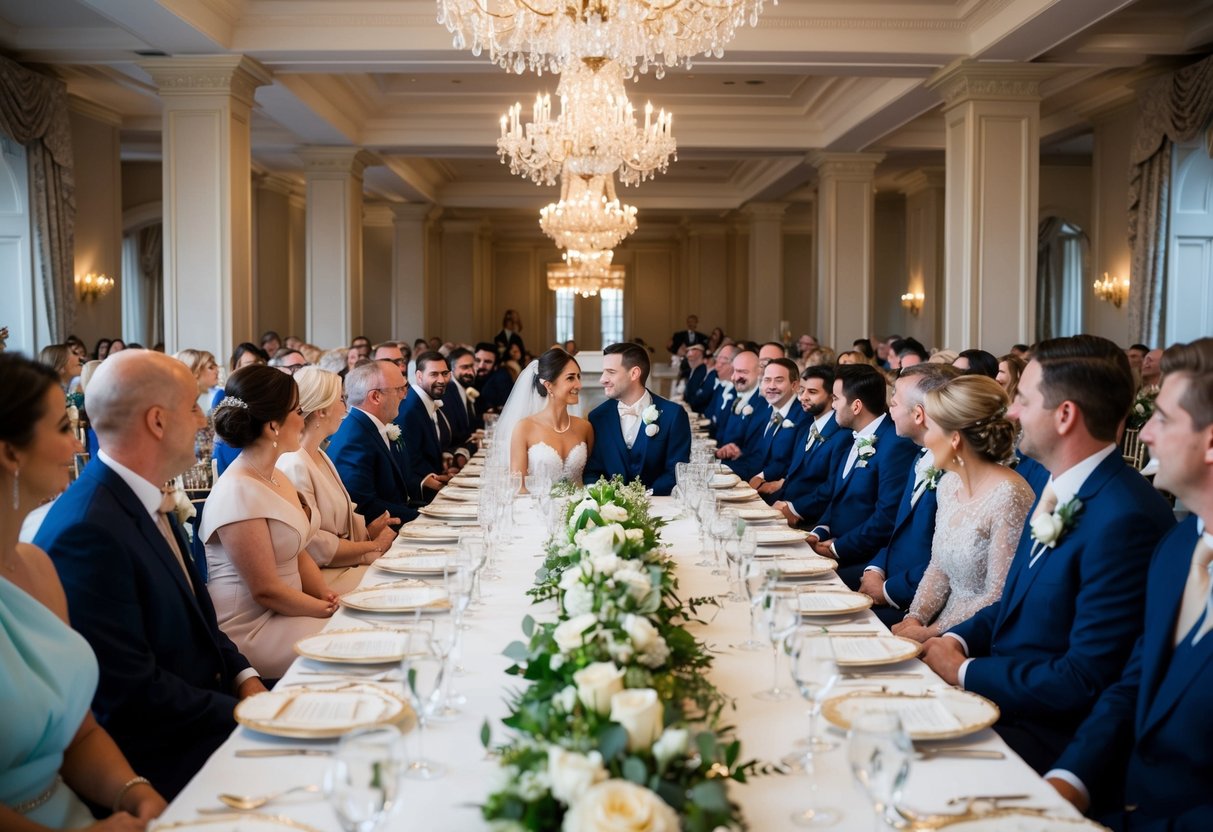
Seating your honored guests is a key part of your wedding planning. It ensures that those who mean the most to you feel special and included on your big day. Here’s how to navigate seating for the important people in your life.
Maid of Honor and Best Man
Your maid of honor and best man hold significant roles in your wedding. They should sit close to you at the head table, typically on either side. Traditionally, the best man sits next to the bride, while the maid of honor sits next to the groom. This arrangement allows them to support you throughout the event.
If your wedding party is large, consider placing other bridal party members nearby. This not only honors their roles but also keeps the atmosphere lively and supportive.
Reserving Seats for VIP Guests
It’s crucial to reserve seats for VIP guests at your wedding. These guests usually include close family, mentors, and friends who have supported you. Create a diagram or list to plan their seating.
You might want to reserve a few tables at the front of the venue for these guests. Clearly mark them on your seating chart, noting any special requirements, like dietary needs. This extra attention makes them feel valued.
Accommodating Divorced Parents
Seating divorced parents can be tricky, but it’s essential to handle it delicately. Consider their comfort to avoid tension during your celebration. You can keep them at separate tables or arrange them on opposite sides of the venue.
Another option is to seat them with their own partners, if applicable. Discuss your plans privately with them beforehand to ensure they feel comfortable. Clear communication can help prevent awkwardness, allowing everyone to enjoy your special day.
Finalizing Your Seating Chart
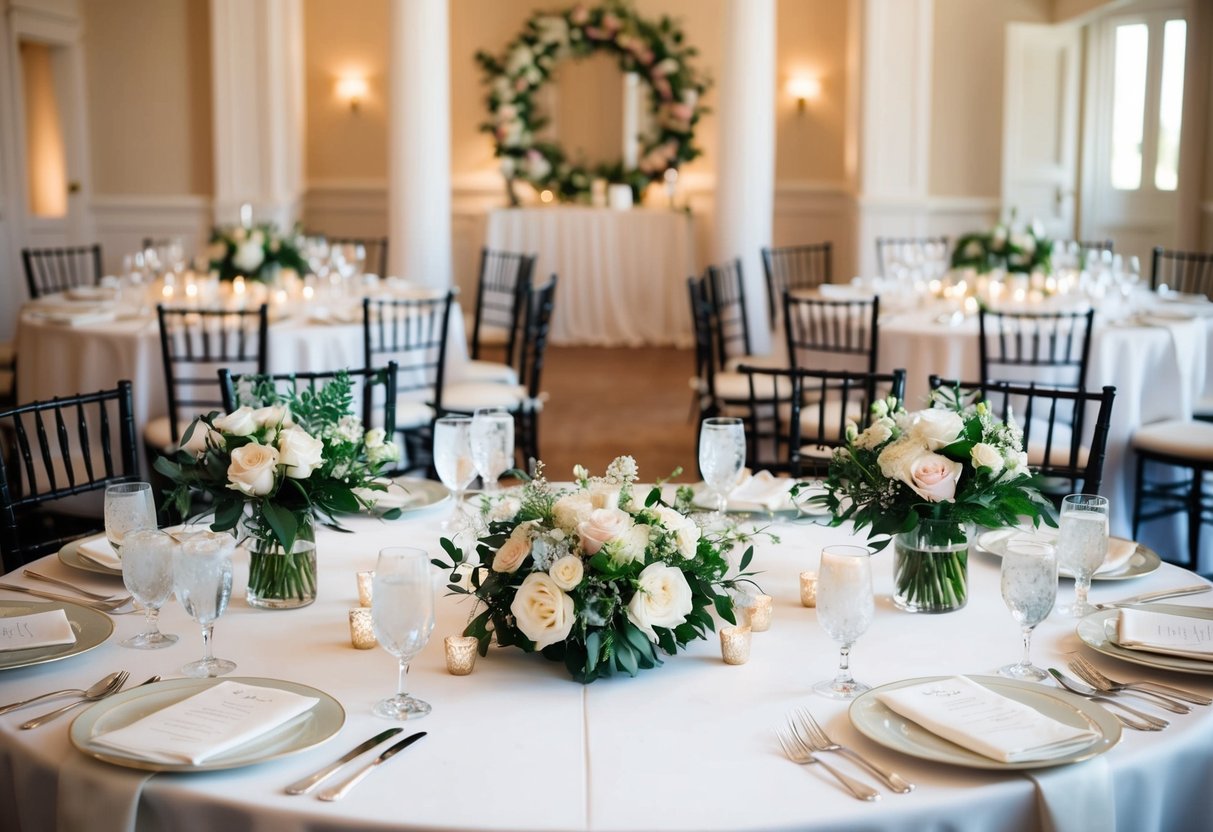
Creating a seating chart can feel daunting, but it’s an essential part of planning your wedding. You’ll need to consider RSVPs, organized table assignments, and any special requests from your guests. Here’s how to make this process easier and more efficient.
Deciphering RSVPs and Final Counts
Start by reviewing your RSVPs to get a clear idea of how many guests will attend. Keep track of responses in a simple table:
| Guest Name | RSVP Status |
|---|---|
| John Smith | Attending |
| Jane Doe | Not Attending |
This method helps you quickly identify your final guest count. Once you have this number, you can finalize the seating chart based on available tables and how many guests each table can accommodate. Remember to check in with guests who haven’t responded.
Etiquette for Place and Escort Cards
Place cards are essential for guiding guests to their assigned seats. Keep these cards clear and easy to read. Use a friendly design that matches your wedding theme.
Escort cards can be set up at the entrance of the reception, displaying the guest’s name along with their assigned table number. It helps to put those cards in a holder or arrange them neatly on a table. Make sure to have a few extras on hand for any last-minute changes.
Addressing Special Seating Requests
Your guests might have specific needs. Take into account any special requests for seating arrangements, such as dietary restrictions or guest preferences. If someone needs to sit with family or friends, consider that in your assignments.
When creating the seating chart, mark these important considerations directly on your chart. This helps ensure a comfortable experience for everyone. Be sure to communicate any changes clearly with your guests, especially those who have specific needs. This level of thoughtfulness will go a long way in making your wedding enjoyable for everyone.
Alternative Seating Arrangements
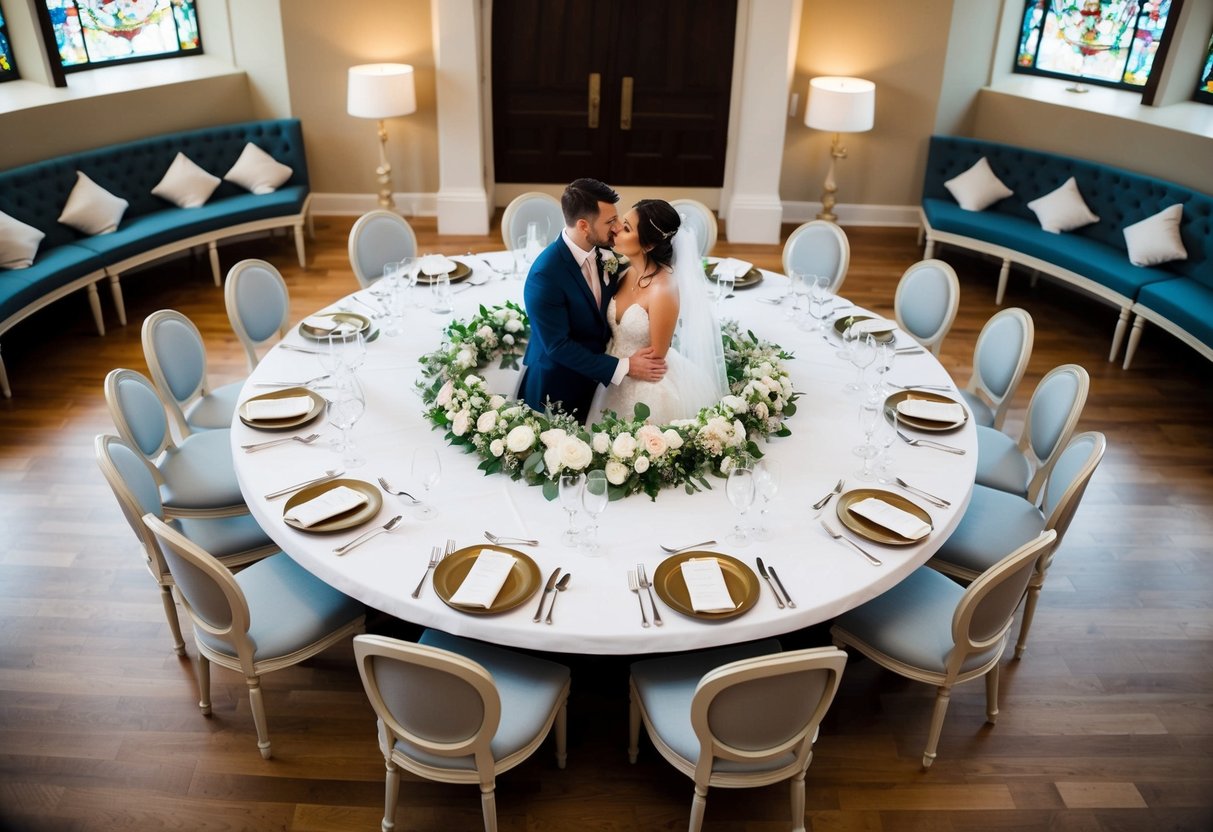
When planning your wedding seating, you may want to consider alternatives that suit your style and guest preferences. Two popular options are the sweetheart table and organizing a singles table. These choices can enhance the atmosphere and make your guests feel comfortable.
Considering a Sweetheart Table
A sweetheart table is a charming option for you and your partner. Instead of sitting at the main bridal table with your entire bridal party, you have your intimate space. This table usually sits close to the action but allows you both to focus on each other.
Key features:
- Decor: Use beautiful floral arrangements or personal items to decorate your table.
- Guest Interaction: You can mingle with guests throughout the evening during dances or speeches.
In this setup, remember to make your bridal party feel included by designating seats near your table. This can help you maintain a connection with them while still having some private time together.
Organizing a Singles Table
A singles table can help guests who may not know many people feel more included. This seating arrangement groups all single guests together, encouraging them to socialize.
Benefits include:
- Fostering Connections: At this table, they might find new friends or connections.
- Lighthearted Atmosphere: This setup can lighten the mood, making it fun and enjoyable.
When planning your wedding reception seating chart, remember to mix up personalities and interests. This way, guests will have a better chance of finding common ground and striking up a conversation.