
Who Sits Next to the Bride and Groom on the Top Table? Understanding Seating Arrangements at Weddings
On your wedding day, choosing who sits next to you at the top table is an important decision. Traditionally, the bride sits on one side and the groom on the other, with their best man and maid of honor beside them. This setup allows your closest friends and family to be part of the main event while celebrating together.
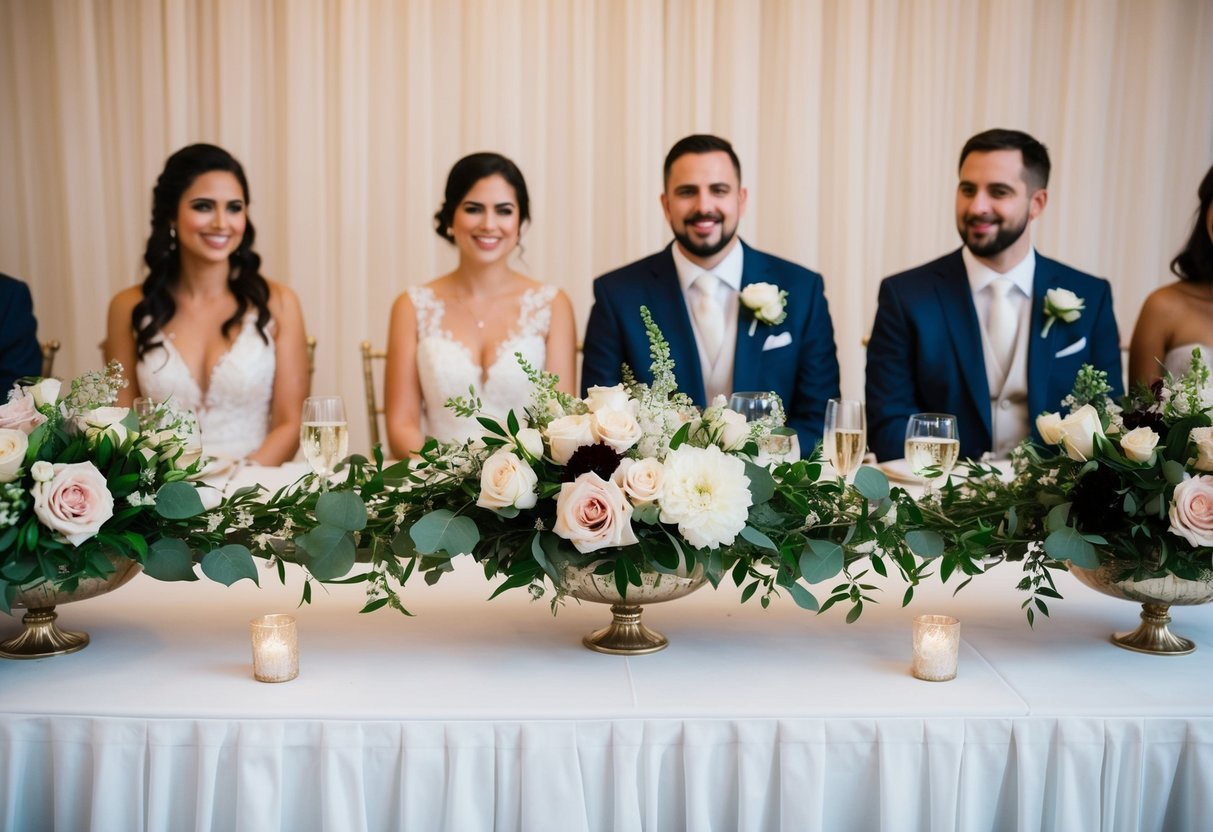
Many couples also opt for a sweetheart table, which is more intimate and focuses solely on the bride and groom. This can create a special moment just for you two amidst the festivities. Whether you stick to tradition or personalize the seating arrangement, it’s all about what makes you feel comfortable and happy on your special day.
Understanding who should occupy the top table helps ensure that all your loved ones are included in your celebration. From parents to siblings and wedding party members, every guest plays a role in making your wedding day unforgettable.
Top Table Arrangements
When planning your wedding, arranging the top table is key to ensuring a smooth reception. The seating arrangement can reflect traditions or adapt to modern preferences while considering family dynamics.
Traditional Top Table Layout
In a traditional setting, the top table is the focal point of the reception. Here, the bride and groom sit at the center, symbolizing their union. Flanking them are the maid of honour and best man on either side. The parents of the bride sit next to her, while the parents of the groom sit beside him.
This layout honors both families and highlights important roles within the wedding party. For couples with divorced parents, it’s best to discuss seating in advance to maintain harmony. You might choose to alternate seating or have each parent sit at a table nearby to keep the atmosphere comfortable for everyone.
Modern Variations
Modern weddings often embrace flexibility in the top table arrangement. Many couples choose to include more of their bridal party, such as additional bridesmaids and groomsmen, for a larger gathering at the top table. This can help foster a sense of togetherness.
You can also creatively alter seating based on family dynamics. For example, you might place a close family friend at the top table if they play a significant supportive role. Some couples opt for a round table or a more casual setup, promoting interaction among guests. Whichever arrangement you choose, clear communication about the layout helps ensure a joyful celebration.
Seating Chart Planning
Creating a seating chart can feel overwhelming, but it’s essential for a smooth wedding reception. Proper planning will help you organize your guests and ensure everyone feels comfortable.
Designing Your Seating Chart
Start by laying out your floor plan. This will help you visualize where each table will be placed. Then, create a table plan that marks each table’s location. Consider the bridal table seating, placing the bride and groom in the center.
Next, think about your special guests. Family tables often sit near the couple, while friends might be grouped at other tables. Don’t forget about singles; you might want to create a singles table to help them mingle.
As you create your seating chart, keep seating chart etiquette in mind. Place guests with shared interests together and avoid seating anyone with a history of conflict.
Managing Seating Plan Stress
To ease seating plan stress, give yourself plenty of time to create the chart. Don’t wait until the last minute. Start early, ideally a few weeks before the wedding.
Using tools or apps designed for organizing a seating chart can be helpful. They allow you to move names around easily until you find the perfect fit.
When disagreements arise, remember to prioritize the bride and groom’s comfort. If a guest prefers to sit with someone, try to accommodate them when you can.
Finally, don’t hesitate to ask for family input. Sometimes, they can offer helpful suggestions that make planning easier.
Other Considerations for Seating
When planning your wedding seating, think about family dynamics and special guests. These factors can help create a pleasant atmosphere on your special day.
Incorporating Family Politics
Seating arrangements can be tricky, especially when it comes to family politics. You want to avoid tension and make everyone feel comfortable.
Consider family relationships carefully. For example, if parents are divorced, you may choose to separate them to prevent awkwardness.
If there are any feuds or conflicts, try to create distance between those involved. You could also choose to seat them at different tables while keeping their close family nearby.
Understanding who gets along with whom can guide your decisions. Having a friendly conversation with family members beforehand can help ease potential issues.
Honoring Special Guests
It’s important to recognize special guests on your big day. Whether it’s close friends, mentors, or family members, showing appreciation is key.
You can seat these guests near the top table, so they feel included and valued. For example, if you have a beloved grandparent, consider placing them close for easy access.
If you have guests traveling from far away, it’s a lovely gesture to honor them. You can arrange a spot for them that recognizes their effort to be there for you.
Creating a thoughtful seating plan demonstrates your gratitude and enhances their experience at your wedding.