
Who Sits Next to Who at a Wedding? Tips for Perfect Seating Arrangements
Planning a wedding means making many important decisions, and one of the biggest questions is who sits next to who at the wedding. The traditional seating arrangement places the bride and groom at the center of the head table, with the groom on the bride’s right side and the best man and maid of honor nearby. Understanding wedding seating etiquette can help you create a warm and inviting atmosphere for your guests.
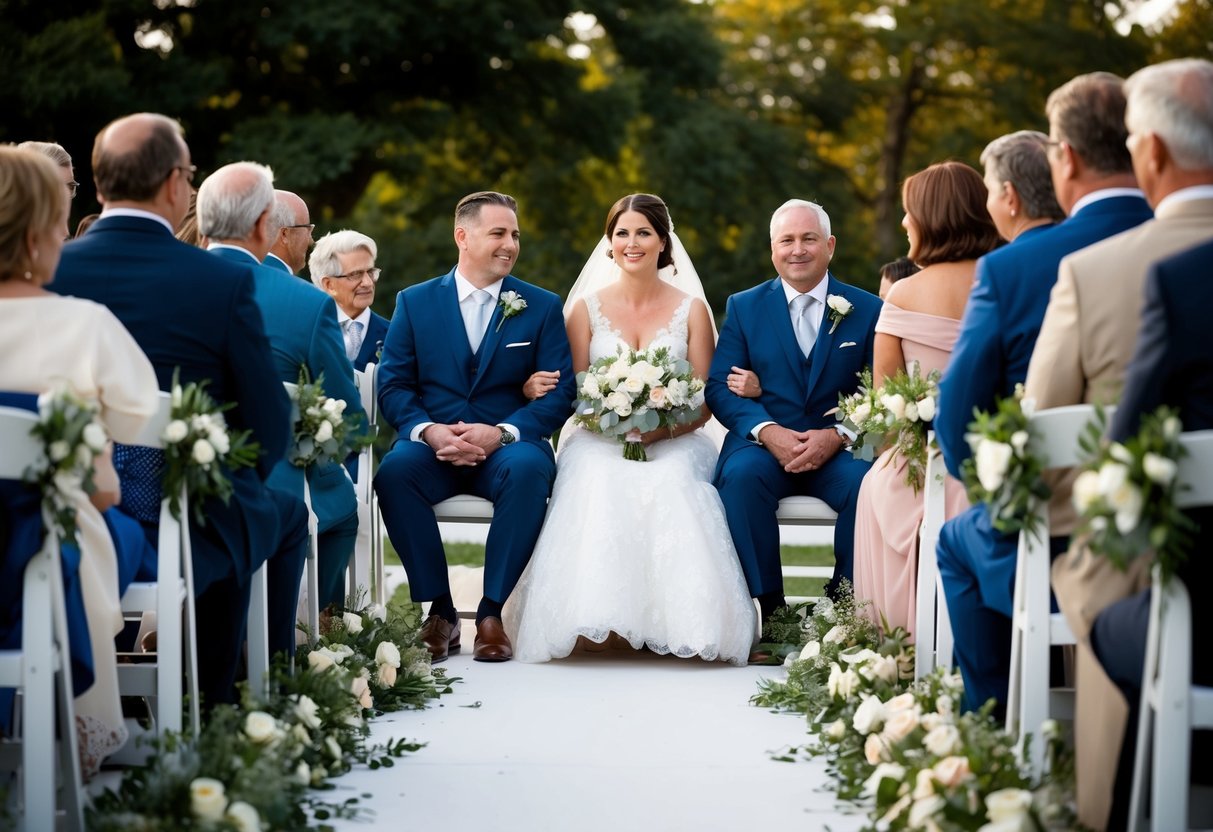
When arranging the seating, keep in mind that your guests will appreciate being placed next to friends and family members they know. This makes for easier conversation and a more enjoyable experience. You can also consider non-traditional layouts for the top table to bring a fresh perspective to your wedding planning.
Whether it’s figuring out where to seat grandparents or balancing friend groups, thoughtful arrangements can set the tone for the reception. Keep reading to discover more tips on how to make your seating arrangements work seamlessly for your special day.
Designing Your Seating Chart
Creating a seating chart is an important task for your wedding. It helps make the event enjoyable for everyone.
You’ll need to think about seating chart etiquette, decide between assigned or open seating, and create a clear seating plan layout.
Understanding Seating Chart Etiquette
Seating chart etiquette plays a key role in designing your wedding seating arrangement. Start by considering family dynamics and friendships. It’s best to seat people who get along together. Avoid placing guests with known conflicts at the same table.
Also, consider having your close family and friends near you. This will help them feel included during the reception. If you have children attending, you might want to create a kids’ table. This keeps them entertained and separates them from adults.
Choosing Between Assigned Seating and Open Seating
You must decide whether to use assigned seating or open seating. With assigned seating, you create a specific plan for where each guest sits. This can reduce confusion and ensure that guests sit where you want them.
On the other hand, open seating allows guests to choose their own seats upon arrival. This can create a more relaxed atmosphere but might lead to awkward mixing. Think about your guests’ personalities and your vision for the event when making this choice.
Creating a Seating Plan Layout
Now it’s time to create your seating plan layout. Start by drawing a diagram of the reception space, including tables and their sizes. Make sure to note where the dance floor, food stations, and entertainment areas are.
Once you’ve mapped out the area, fill in your table assignments. Group guests by shared interests or life experiences. Use tools like free wedding seating chart planners for a more visual approach. This will help you see how well your choices work together.
Arranging the Head Table
When planning your wedding, arranging the head table is an important task. It sets the tone for the reception and allows you to highlight your close relationships. You have several options for seating that can include your bridal party and family members, making it a special place for everyone involved.
Options for Head Table Seating
There are a few common arrangements for the head table. One popular choice is the traditional head table, where you and your partner sit at the center with your wedding party flanking you. This layout creates a sense of unity and allows for easy interaction with your friends.
Another option is the sweetheart table. This is a more intimate choice, where just the two of you sit alone. It gives you both a moment together amidst the celebration. If you prefer a family-centric table, consider seating immediate family members alongside you, creating a close-knit atmosphere.
Positioning the Sweetheart Table
If you opt for a sweetheart table, positioning is key. Place it in a prominent location that allows your guests to see you easily. It can be set against a beautiful backdrop or in the center of the room, making it a focal point.
Make sure to create a comfortable environment with nice decorations. You can add flowers or candles to enhance the setting. This arrangement not only highlights your special bond but also gives you a private space to reconnect during the festivities.
Incorporating the Bridal Party
Your bridal party plays a significant role in your wedding day, and their seating should reflect that. If you choose to include them at your head table, arrange them by how close they are to you. Typically, your maid of honor and best man sit closest to you, followed by the rest of the party.
Ensure their seating arrangement encourages conversation and fun. Consider alternating seats between friends and couples to create a balanced atmosphere. This helps everyone feel included and makes for lively interactions at the table throughout the evening.
Navigating Family and VIP Guest Seating
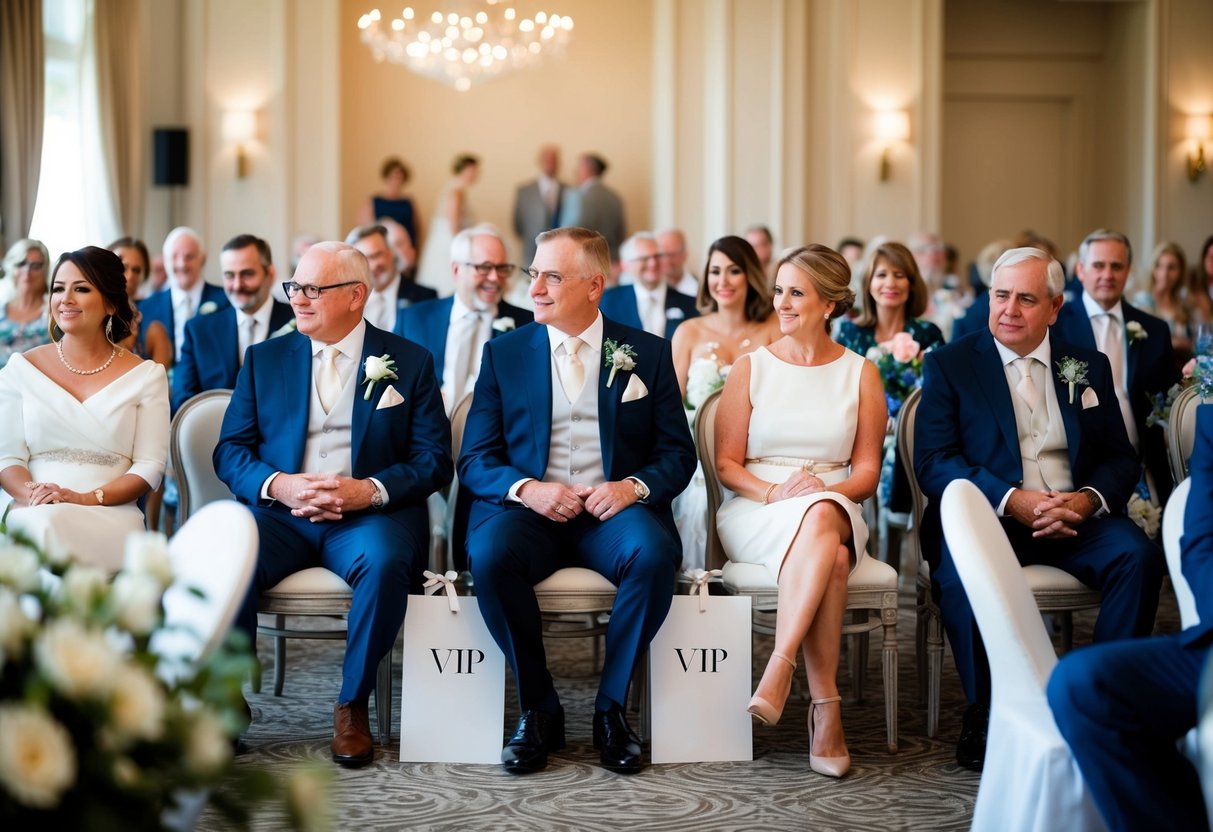
Choosing where to seat family and VIP guests can be challenging. It’s important to consider relationships and dynamics to make everyone comfortable. Proper seating helps create a warm and welcoming atmosphere.
Seating the Parents and Grandparents
Start with your parents. They are usually the priority and should sit in the front rows. If both sets of parents are present, place them in separate seats on opposite sides. This is often a tradition, with the bride’s family on the left and the groom’s family on the right.
Grandparents often follow closely behind. Seat them next to their respective children or important family members. You might also provide reserved seating to honor their role in your lives and make sure they have a good view of the ceremony.
Accommodating Special Family Dynamics
Family dynamics can be complex. If you have divorced parents, try to avoid awkwardness by seating them at a reasonable distance from each other. Make sure both parents have support nearby, like siblings or close friends.
If you have stepfamilies, consider their relationships. You can create a mix that allows everyone to feel included. It’s often best to keep harmony in mind and discuss seating preferences ahead of time to avoid surprises.
Honoring VIP Guests and Family Tables
Think about those who have played special roles in your life. VIP guests can include close friends, mentors, or anyone who helped you along the way. Reserve a few choice tables for them at the reception.
You can create family tables that group relatives together. This can foster conversations and connection. Consider how many people each family brings and adjust table sizes accordingly, making sure everyone is comfortable and included.
Additional Considerations for Guests
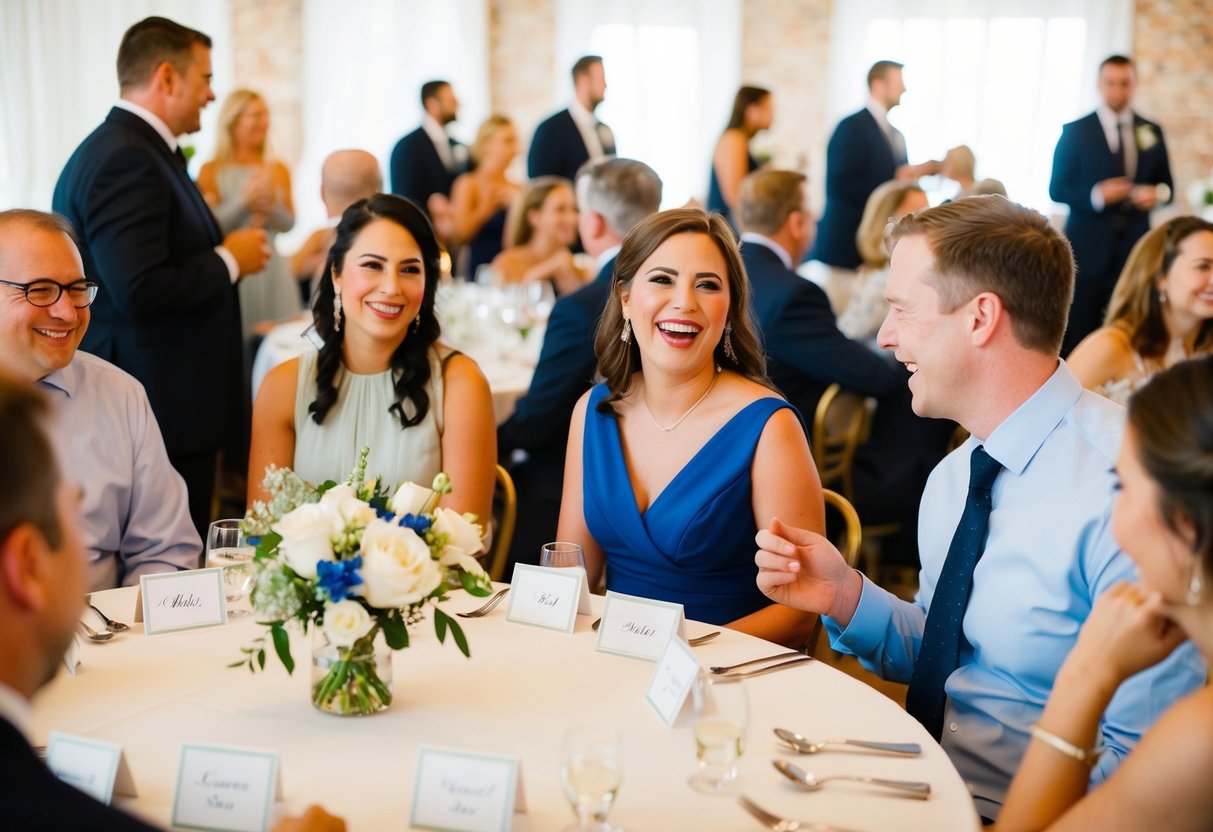
When planning seating for a wedding, it’s important to think about how to accommodate all your guests effectively. This includes using escort and place cards, arranging tables for singles and plus-ones, and ensuring children have the right space to enjoy the celebration.
Coordinating Escort Cards and Place Cards
Escort cards are helpful for guiding guests to their assigned tables. Place cards, on the other hand, indicate the specific seat for each guest at their table.
Make sure the escort cards are easily visible at the entrance. You can use a creative display, like a beautiful board or a small table. Each card should list the guest’s name and corresponding table number.
For place cards, personalize each with the guest’s name. This adds a thoughtful touch and helps avoid any confusion at the table. Consider arranging these at each seat, using small holders or decorative elements that match your wedding theme.
Organizing Tables for Singles and Plus-Ones
Creating a space for singles and plus-ones can enhance the comfort of your guests. A singles table is a fantastic way for those without plus-ones to meet new people. Make it inviting by adding cheerful decorations and ensuring it’s not isolated.
When planning, ask guests in advance if they’re bringing a plus-one. This will help you manage table arrangements better. You can group functional plus-ones with friends to promote a friendly atmosphere.
Clearly label all tables, so guests know where to go. Use fun signage and consider including a small icebreaker game on the table to spark conversation.
Arrangements for Children and Young Attendees
Children can bring joy to weddings but may also need special considerations.
Set up a dedicated kids’ table filled with fun activities and snacks to keep them entertained during the event. Make sure the table is near their parents for easy supervision.
You might also add some small toys or coloring books to this table.
If you have young attendees like ring bearers, provide them with a small gift or a special treat at their seat. This recognizes their role in the ceremony and makes them feel included in the celebration.