
Who Sits on the Main Table at a Wedding? A Guide to Your Bridal Party and VIP Guests
At your wedding reception, you need to decide who sits at the main table. Typically, the bride and groom sit at the main table alongside their immediate family members, like parents and siblings. This table often becomes the focal point, allowing everyone to see the happy couple during the celebration.
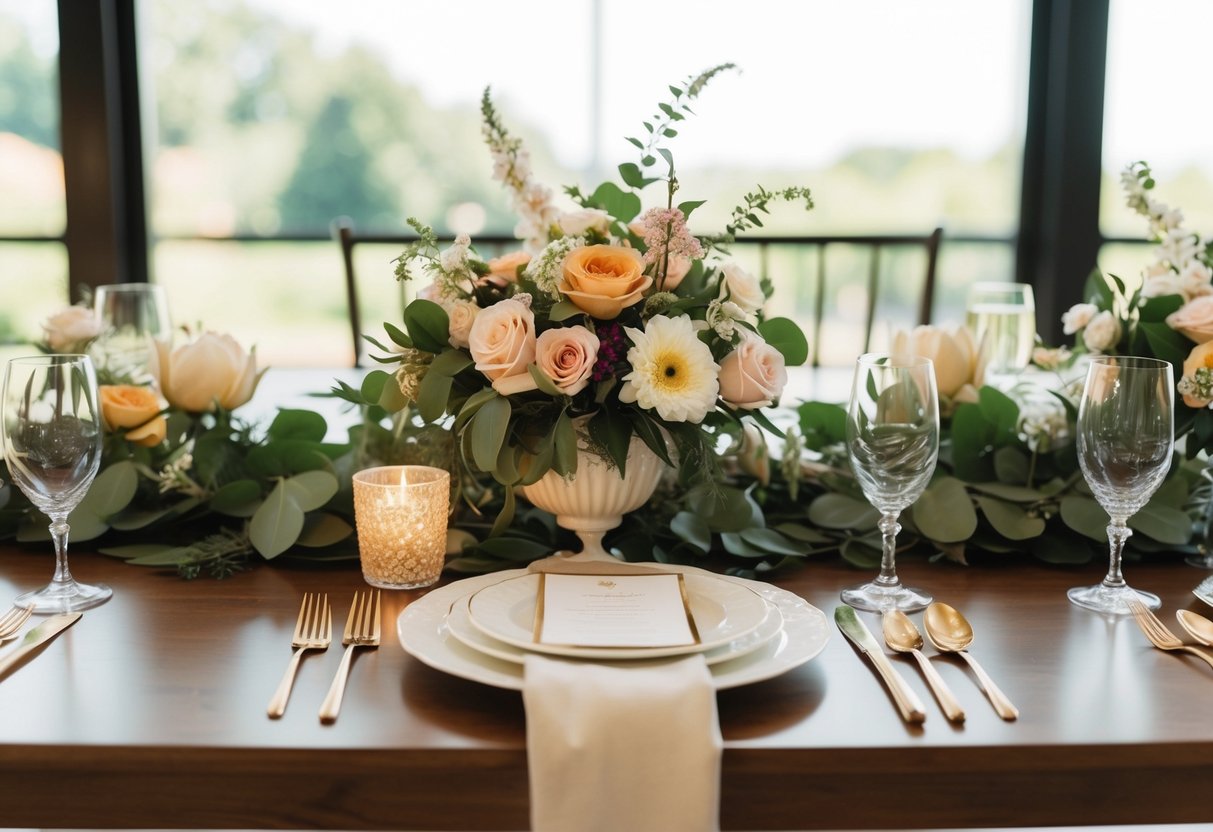
When planning the seating, think about including your wedding party as well. Close friends and honored guests can join you at the main table, creating a supportive atmosphere. This arrangement not only highlights those closest to you but also makes the dinner more enjoyable for everyone involved.
Remember, your main table doesn’t have to follow a strict tradition. You can get creative with the seating, reflecting your personality and style. Whether you choose a formal setup or a more relaxed arrangement, the goal is to make the space feel warm and welcoming for you and your loved ones.
Understanding Wedding Seating Arrangements

Seating arrangements at weddings are important for ensuring guests feel welcomed and comfortable. Knowing the main types of tables and the etiquette involved can help create a smooth and enjoyable experience for everyone.
Importance of Seating Etiquette
Seating etiquette plays a vital role in a wedding’s atmosphere. It helps prevent awkward situations and ensures family dynamics are respected. By following proper etiquette, you show consideration for your guests.
Creating a thoughtful seating chart can guide where each guest sits based on relationships and comfort levels. The main table should be a focal point, allowing you and your partner to connect with your loved ones easily. This attention to detail shows your care and sets a positive tone.
Types of Wedding Tables
Weddings usually feature several types of tables, each serving a different purpose. The main table or top table is where you and your partner sit, often with your wedding party.
There’s also the sweetheart table, meant just for the couple, providing an intimate setting. A family-style head table allows both families to share a table together. Traditional round tables for guests often help encourage conversation.
Choosing the right table layout can enhance guest interaction and make the reception feel more inviting. Consider options that fit the theme of your wedding and create an enjoyable flow for the evening.
Traditional Top Table Layout
The traditional layout for the top table involves the bride and groom seated centrally. Typically, the bride sits to the groom’s right, with the rest of the wedding party arranged around them.
Commonly, the best man, maid of honor, and close friends or family members are seated alongside. Depending on the number of attendants, you may opt for a wider table to accommodate everyone comfortably.
It’s essential to arrange the seating according to relationships to avoid conflicts. You might also reserve space for parents or important family members to join the celebration, ensuring they feel included in the day’s joy.
Roles and Placement of Wedding Party Members
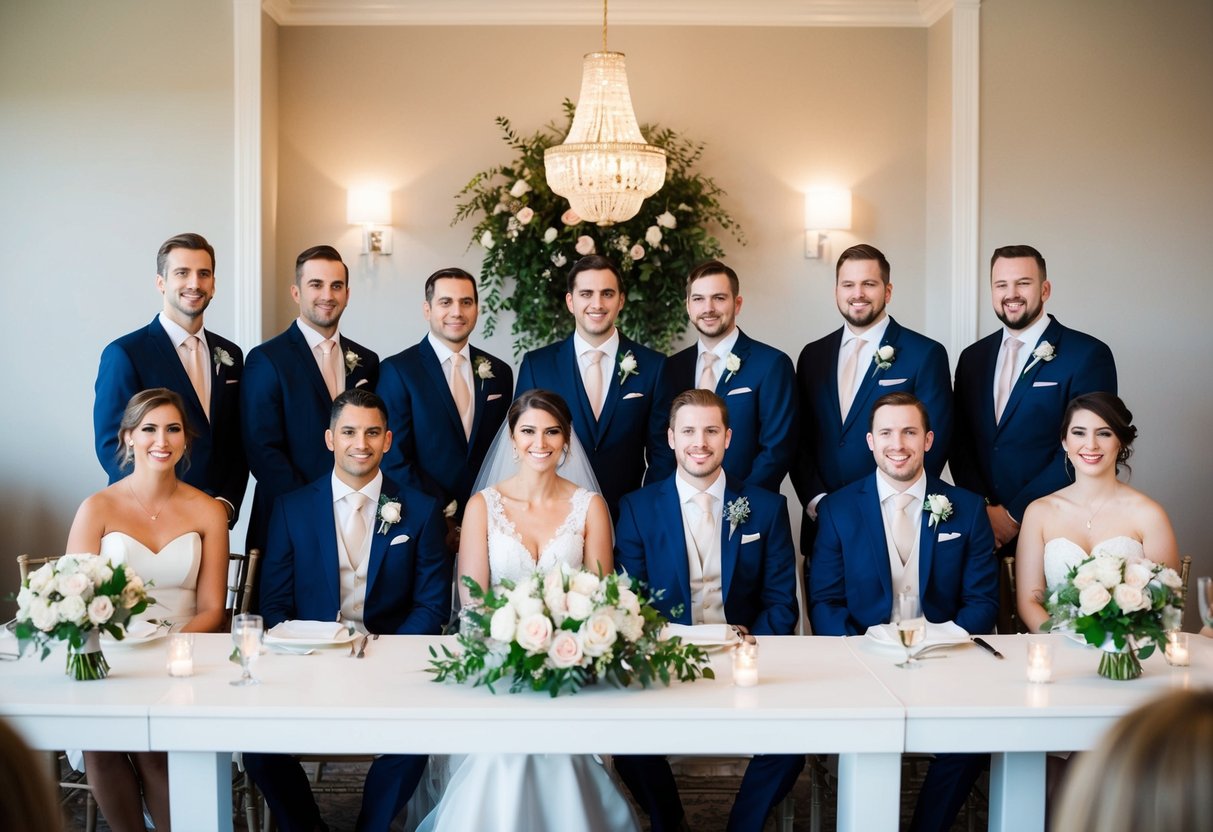
Knowing the roles and seating arrangements for your wedding party can make your special day feel more organized and enjoyable. Each member plays a significant role, and their placement at the main table can set the tone for the celebration.
Positioning the Bride and Groom
At the wedding reception, the bride and groom usually occupy the center spot at the head table. This table can vary in size depending on your preferences. Some couples opt for a large head table with their entire wedding party. Others may choose a more intimate sweetheart table, just for the two of you.
Having the bride and groom sit at the center symbolizes their unity. This layout allows all eyes to be on you during toasts and speeches, making it a focal point for guests.
Maid of Honor and Best Man Seating
Directly beside the bride and groom, the maid of honor and best man typically sit. This placement is essential as they play crucial roles throughout the wedding. The maid of honor helps the bride with personal tasks and is often involved in planning pre-wedding events, while the best man supports the groom in a similar fashion.
Seating them close allows for easy involvement in activities such as toasts. Their presence is vital for emotional support and helps ensure everything runs smoothly during the reception.
Bridesmaids and Groomsmen
Following the maid of honor and best man are the bridesmaids and groomsmen. Traditionally, they sit alternating at the table. This layout enhances interaction and encourages bonding among the wedding party.
You can arrange seating based on friendships or relationships. This careful planning helps everyone feel included and comfortable. Make sure to provide enough space for everyone, as these members will be involved in various festivities throughout the night.
Seating Divorced Parents
Navigating seating for divorced parents can be sensitive. Clear communication is key. Consider seating arrangements that allow both parents to feel comfortable.
You may choose to have them seated at opposite ends of the table. Another option is to provide separate tables for them, ensuring they’re still included in the festivities. It’s crucial to prioritize a joyful atmosphere at your celebration while being mindful of everyone’s feelings.
Considerations for Finalizing the Seating Plan

Creating a thoughtful seating plan is essential for a smooth-running wedding reception. As you finalize your arrangements, consider your guest list, personal preferences, and decor choices to ensure everyone feels comfortable and included.
Guest List and Plus-Ones
Begin by reviewing your guest list. Take note of who has confirmed their attendance and who may bring a plus-one. Setting limits on plus-ones can help manage the seating chart effectively.
Make a list of important guests who should sit closer to you. For example, family members and close friends often fill these coveted spots.
Use a seating chart to map out where everyone will sit. This visual aid can help you spot any gaps that need filling or adjustments. Remember to make sure that guests know each other, which can ease conversations and create a warm atmosphere.
Personal Preference and Flexibility
Your personal preferences play a big role in the seating plan. Consider who you want to sit together and any dynamics that may affect interactions. For example, you might not want to sit an ex-partner near your new significant other.
Flexibility is also key. Sometimes, guests may change their plans, leading to last-minute adjustments. Be open to rearranging your seating chart if needed.
You might find it helpful to use placeholders or cards so that changes can be made easily. Keeping a positive attitude toward these changes will help make planning feel more enjoyable.
Floral and Reception Decor
The decor of your reception hall can also influence seating arrangements.
Think about how table shapes and sizes will fit with floral arrangements and other decor elements.
For instance, tall centerpieces might obstruct views, so placing guests strategically can enhance their experience.
Consider seating guests who enjoy chatting together at tables with more space for conversation.
Also, check if your seating plan complements the overall aesthetic of your wedding. A cohesive look will tie everything together beautifully.
Using floral arrangements that match your color scheme can also bring elegance to your table settings.