
Who Sits on the Top Table at a Wedding in the UK? Explore the Traditions and Roles!
When planning your wedding reception, one important detail to consider is who sits at the top table. The top table typically includes the bride and groom, their parents, and the wedding party. This special table is often set in a prominent location, allowing all guests to easily see the couple and their closest family members.
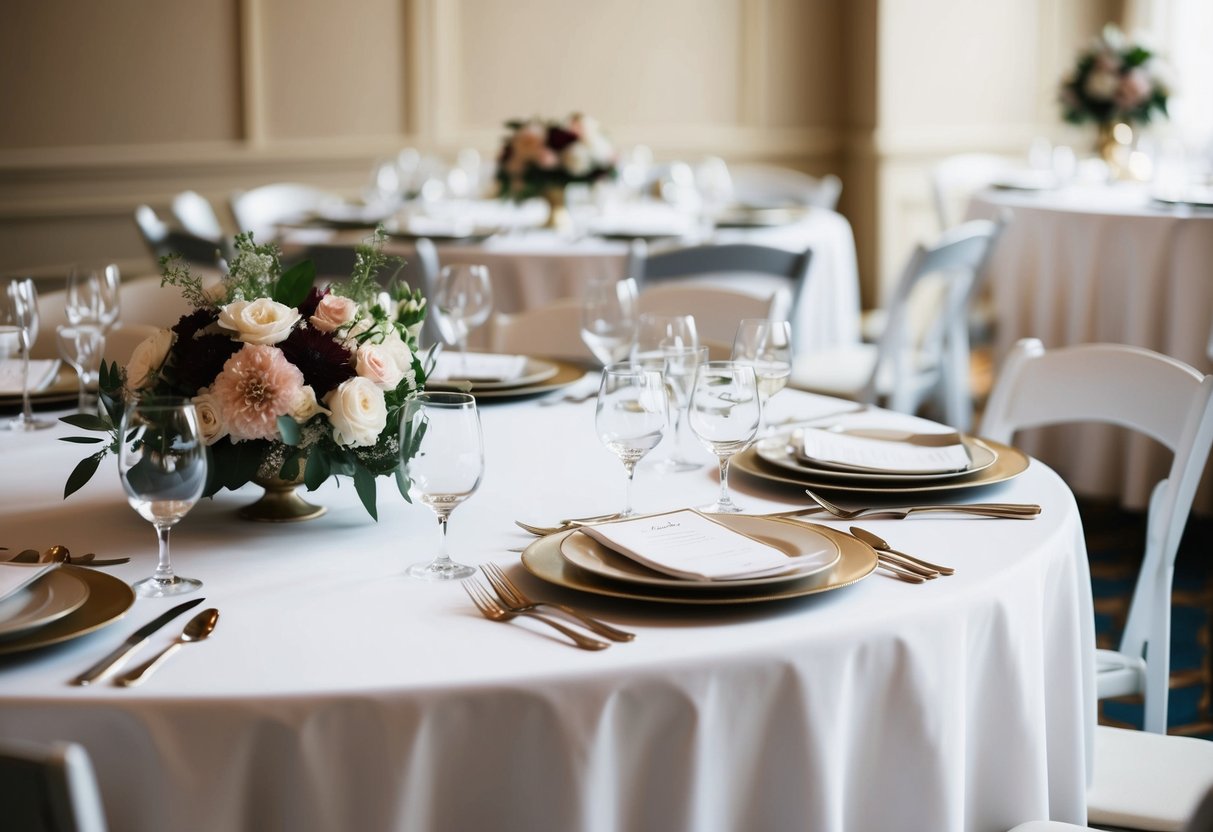
Understanding your seating plan is essential for a smooth celebration. You want to ensure that your loved ones are seated comfortably while also setting the right atmosphere for your wedding. The top table is not just about tradition; it reflects the most important relationships in your life.
As you plan, think about how you want to arrange your top table. You may choose a traditional layout or create a more personalized setup that suits your style. Whatever you decide, make it a memorable spot for your big day!
Understanding the Top Table Arrangements
The top table layout is an important part of your wedding reception. It sets the tone for the event and helps you honor your closest family and friends. Let’s look at the traditional setup and some modern variations you might consider.
Traditional Top Table Layout
In a traditional top table layout, you usually sit at the center with your spouse. On one side, your parents take their places. On the opposite side, the parents of your partner sit. Often the best man and maid of honor join you as well.
This arrangement typically works best with long tables. It allows everyone to see and hear you easily. You might also want to add siblings or other close family members based on your family dynamics. Keeping the table layout simple often makes it more meaningful.
Contemporary Variations
Modern weddings offer more flexibility with the top table arrangements. Some couples might choose a sweetheart table, just for the two of you. This setup allows for an intimate meal while still connecting with friends and family at round tables nearby.
Another option is to mix and match seating. You could include the best man and maid of honor at your table or rotate seats throughout the meal. The choice of long tables and round tables can help create a warm atmosphere, letting you personalize your reception.
Think about what feels right for you. Your top table should reflect your style and ensure everyone enjoys the celebration.
Seating Dynamics and Etiquette
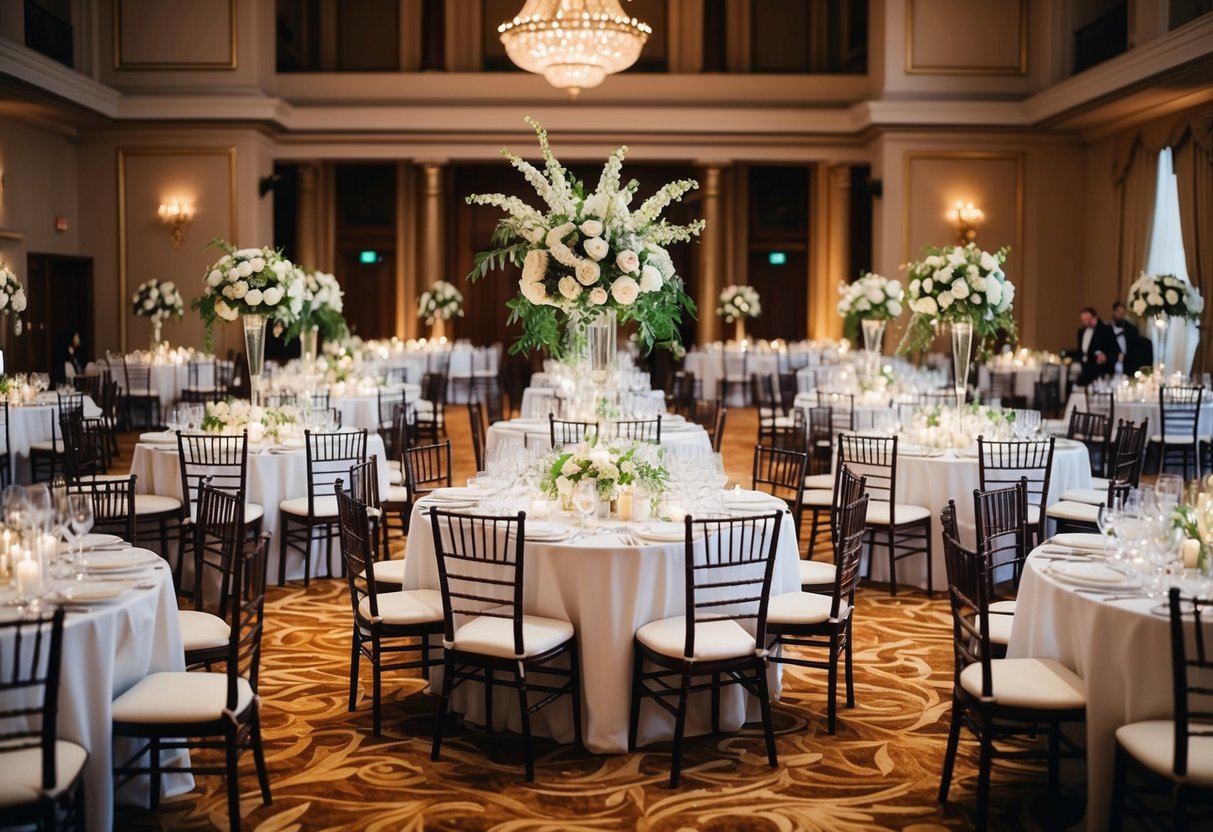
When planning who sits on the top table at your wedding, it’s important to consider family dynamics and special circumstances. This helps create a comfortable atmosphere for everyone during your special day.
Navigating Family Politics
Family relationships can be complex, especially in weddings. If you have separated parents or step-parents, deciding who sits where can be sensitive.
To ease tension, consider these strategies:
- Talk to Family: Have open conversations with your family before finalizing the seating plan.
- Designate Seats: Clear designations can prevent confusion. For example, you might seat your parents on one side and step-parents on the other.
- Involve Your Partner: Discuss how both families can be represented while minimizing any potential awkwardness.
If you’re a same-sex couple, think about how to arrange seating for both families comfortably.
Accommodating Special Circumstances
You also need to think about guests with special needs. If you have elderly relatives or guests who need assistance, consider their comfort in your seating arrangements.
Here are some tips:
- Proximity Matters: Seat guests who may need help closer to the front or near their support person.
- Single Guests: If you’re inviting single friends, place them near lively groups to help them mingle.
- Family Dynamics: Ensure that family members who might not get along aren’t seated adjacent.
Correctly managing these elements helps create a warm and inviting atmosphere at your wedding.
Finalizing the Seating Plan
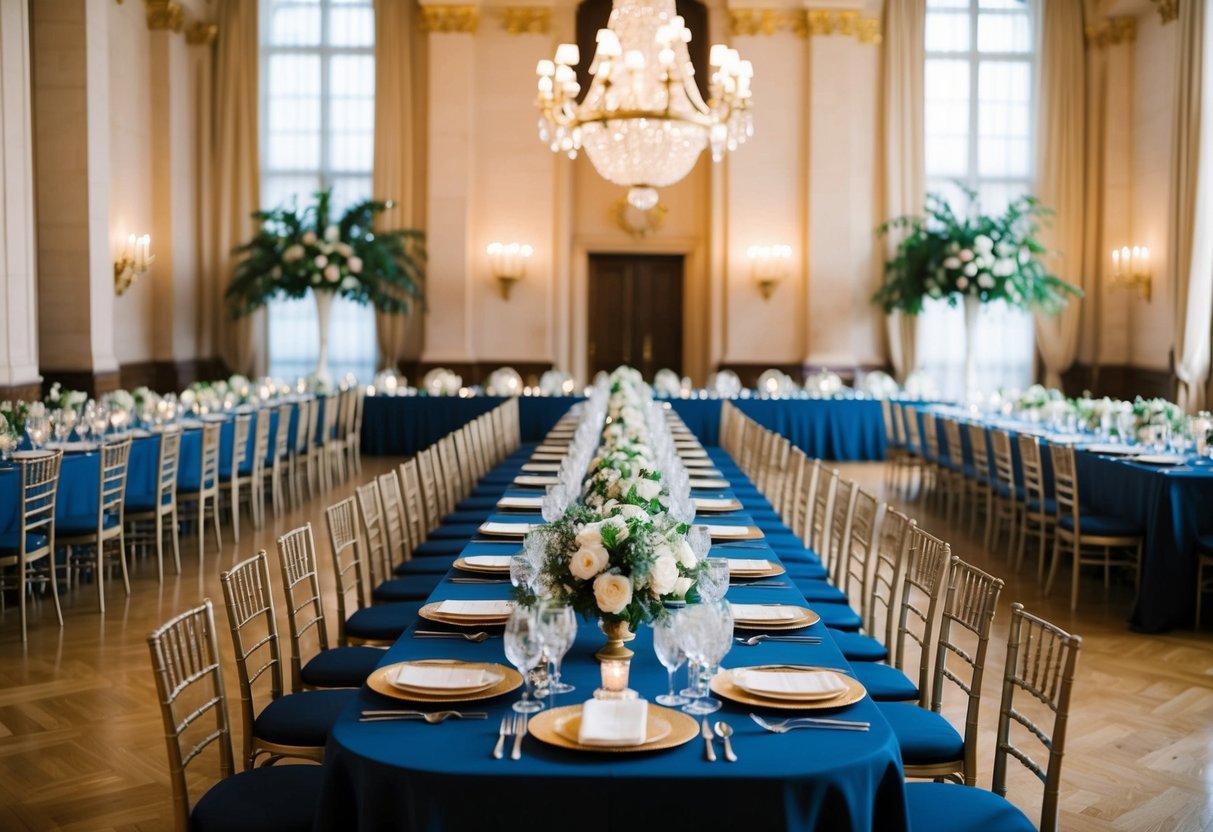
Creating a seating plan for your wedding is an important step that ensures guests are comfortable and happy.
Collecting and Organizing RSVPs
Start by sending out invitations that include RSVP instructions. This helps you gather important information about who will attend your wedding. A clear RSVP timeline helps keep everything on track.
Once you receive the RSVPs, create a guest list. Mark who has confirmed and who has not. You can use spreadsheets or wedding planning apps to help organize this data. Be sure to note any dietary restrictions or special needs guests may have. This will guide you in planning a thoughtful seating arrangement.
Designing the Seating Chart
With your guest list ready, you can start designing the seating chart. Focus on balancing your tables, ensuring that groups of friends and family sit together. Think about how many tables you’ll have and allocate guests based on their relationships.
For the top table seating, traditional setups include the bride, groom, and their parents. If you prefer a more casual feel, consider options like a sweetheart table for just the two of you.
Use a visual layout, perhaps on paper or digitally, showing each table arrangement. Clearly label each table number and guest assignments. This makes it easier for everyone to find their seats during the wedding breakfast.