
Who Sits on the Top Table at a Wedding? Understanding the Roles and Seating Arrangements
When planning your wedding, one of the key decisions involves the seating arrangement, especially regarding the top table. Typically, the top table includes the bride and groom seated in the center, surrounded by their parents and the wedding party members like the maid of honor and best man. This arrangement ensures that your closest family and friends are right next to you during the reception, making it a special moment for everyone involved.
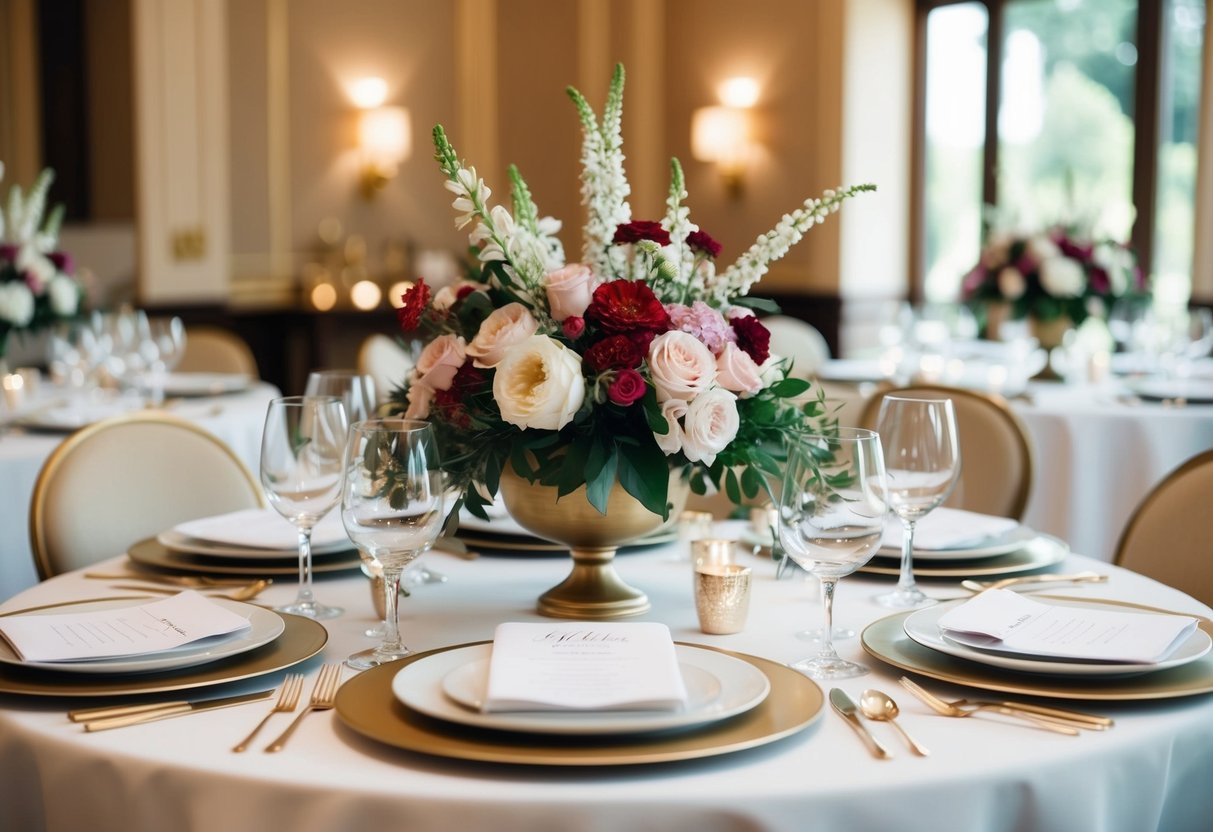
Understanding who sits where can help you avoid any awkward situations, particularly if family dynamics are complex. You want to create a warm and inviting atmosphere for your guests as the newlyweds, so it’s important to think carefully about your wedding seating plan.
You may also want to consider any personal touches or special requests from family members. A well-thought-out wedding top table layout not only celebrates your love but also fosters connections among your loved ones during your special day.
Understanding the Top Table Arrangement
The top table is an important part of your wedding seating plan. It helps set the tone for the reception and allows you to celebrate with your closest family and friends. Different arrangements can create unique atmospheres, depending on your style.
The Role of the Top Table at Weddings
The top table serves as a central focus during your wedding reception. It’s where the newlyweds and their immediate family usually gather. Traditionally, you might find the bride and groom in the center, flanked by their parents. This seating arrangement allows for easy interaction and visibility during key moments like speeches and toasts.
Many couples choose a sweetheart table instead, which is just for the two of you. This option can create an intimate vibe and may be better if you want a quieter dining experience. Remember, the top table layout should reflect your preferences and comfort.
Traditional Top Table Layout Versus Modern Variations
Traditionally, a top table includes the couple and their parents. However, modern arrangements can differ significantly. You can personalize your seating arrangement based on family dynamics and relationships.
Some variations include inviting siblings, grandparents, or even close friends to the table. If you have a large wedding party, consider a head table that accommodates more people. An open layout encourages conversation and can make the atmosphere more relaxed. A wedding seating plan should prioritize who you want by your side on your big day.
Who Sits at the Top Table
The top table at your wedding is an important place where you and your closest family members celebrate. Understanding who sits where can help you create a plan that makes everyone feel included.
Positions for the Bride and Groom
At the top table, you and your partner are the main focus. You typically sit in the center, where everyone can see you. Your parents usually sit next to you, which shows the connection between your families.
Traditionally, the groom’s parents sit on one side and the bride’s parents on the other. This setup helps balance the table and makes all parents feel valued.
Some couples choose to switch things up. You might want your best man or maid of honor at the table. This can add a personal touch on your big day.
Seating the Wedding Party and Special Guests
After you and your parents, the next seats often go to the maid of honor and best man. They are vital in your wedding and have supported you throughout planning.
Bridesmaids and groomsmen can be included as well. A common choice is to have them sit along the sides of the table. This allows for great conversation and keeps the focus on you.
If you have special guests, like grandparents or mentors, think about seating them nearby. This can mean a lot to both you and them. Ensure that all key people have a comfortable spot at the table.
Accommodating Divorced and Step-Parents
If your parents are divorced, their seating should be handled thoughtfully. You might place them at opposite ends of the table. This can help avoid any tension while still honoring both parents.
Step-parents can be included based on your relationship with them. If they’ve played a big role in your life, consider seating them close to you. This shows appreciation for their support.
Each family situation is unique. It’s important to communicate with everyone involved to ensure that feelings are respected. This can lead to a joyful atmosphere during your reception.
Navigating Seating Challenges
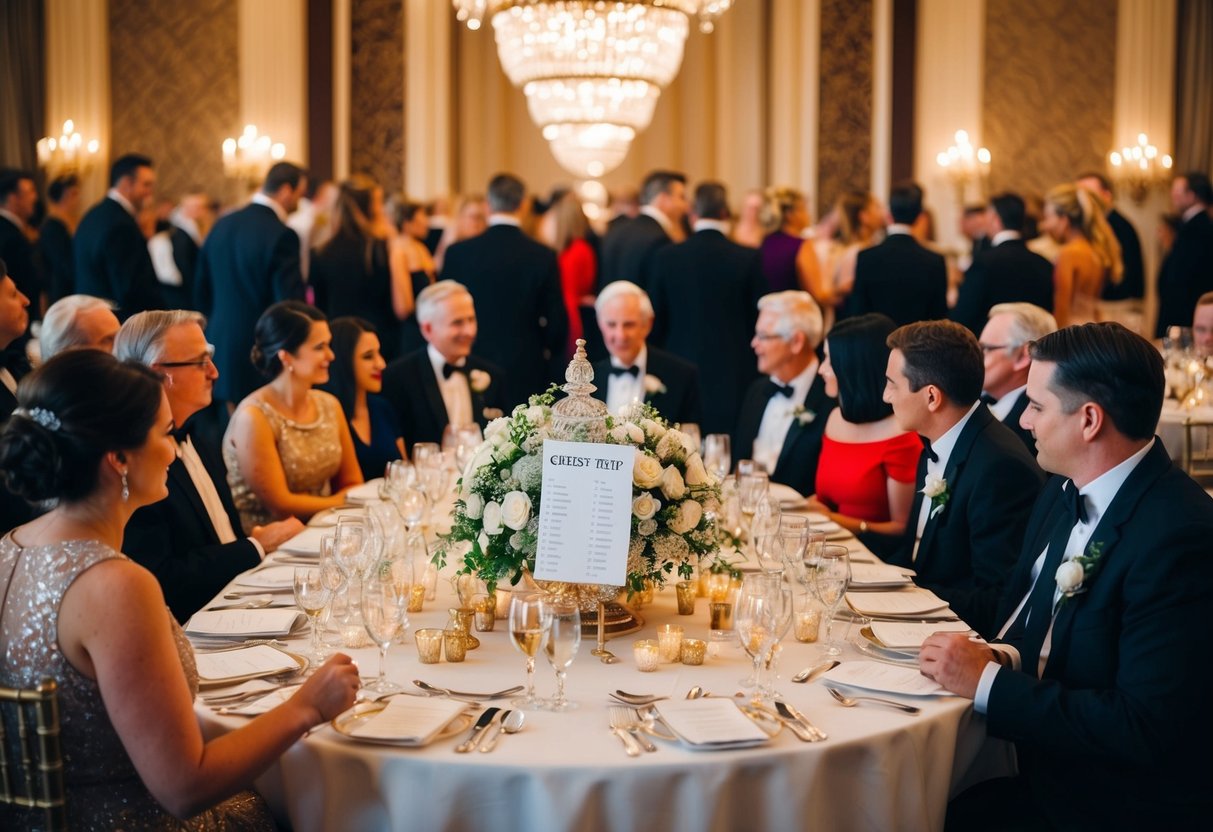
Seating arrangements can be tricky for your wedding. You want everyone to feel comfortable while honoring family dynamics and personal preferences. Finding the right balance is essential for a joyful celebration.
Handling Family Dynamics and Personal Preferences
Family dynamics can add complexity to your seating plan. It’s essential to consider relationships and potential tensions. For example, if certain family members do not get along, it might be wise to seat them farther apart.
Think about each person’s preferences. Some guests may prefer to sit with friends rather than family. Create a list of who would feel most comfortable together. A family table can include immediate family, while a separate area for friends can enhance the atmosphere.
By being mindful of these dynamics, you create a supportive environment for everyone.
Communication and Seating Plan Stress
Effective communication helps reduce seating plan stress. Start early by discussing your ideas with close family members. Share your seating arrangements in advance so everyone feels included.
It’s helpful to gather feedback from key people. They can provide insights on dynamics you might overlook. Clear communication fosters understanding and keeps everyone on the same page.
As you finalize your seating plan, remember to stay flexible. Changes may arise, and that’s okay. Keep a positive attitude, and focus on creating a memorable day for all your guests.
Incorporating RSVPs and Last-Minute Adjustments
After you receive RSVPs, adjust your seating chart as needed. Make sure to account for guests who confirmed their attendance. Then, place them at tables where they’ll feel included.
Keep in mind that some guests may have last-minute changes. Be flexible and ready to move people around if necessary.
Your party table might need adjustments based on who can make it. If someone can’t come, find a fun way to fill the spot.
Consider dietary restrictions from RSVPs when planning table arrangements. This helps ensure everyone enjoys the meal you provide.
Being attentive to these details makes a big difference, helping you create a warm and welcoming atmosphere at your wedding reception.