
Who Sits the Mother of the Bride? Understanding Seating Arrangements at Weddings
When planning a wedding, seating arrangements can feel overwhelming. The mother of the bride typically sits in the front row on the left side during the ceremony. This ensures she has a prime view of the special moments. This seat not only honors her role but also highlights the importance of her support throughout the wedding journey.
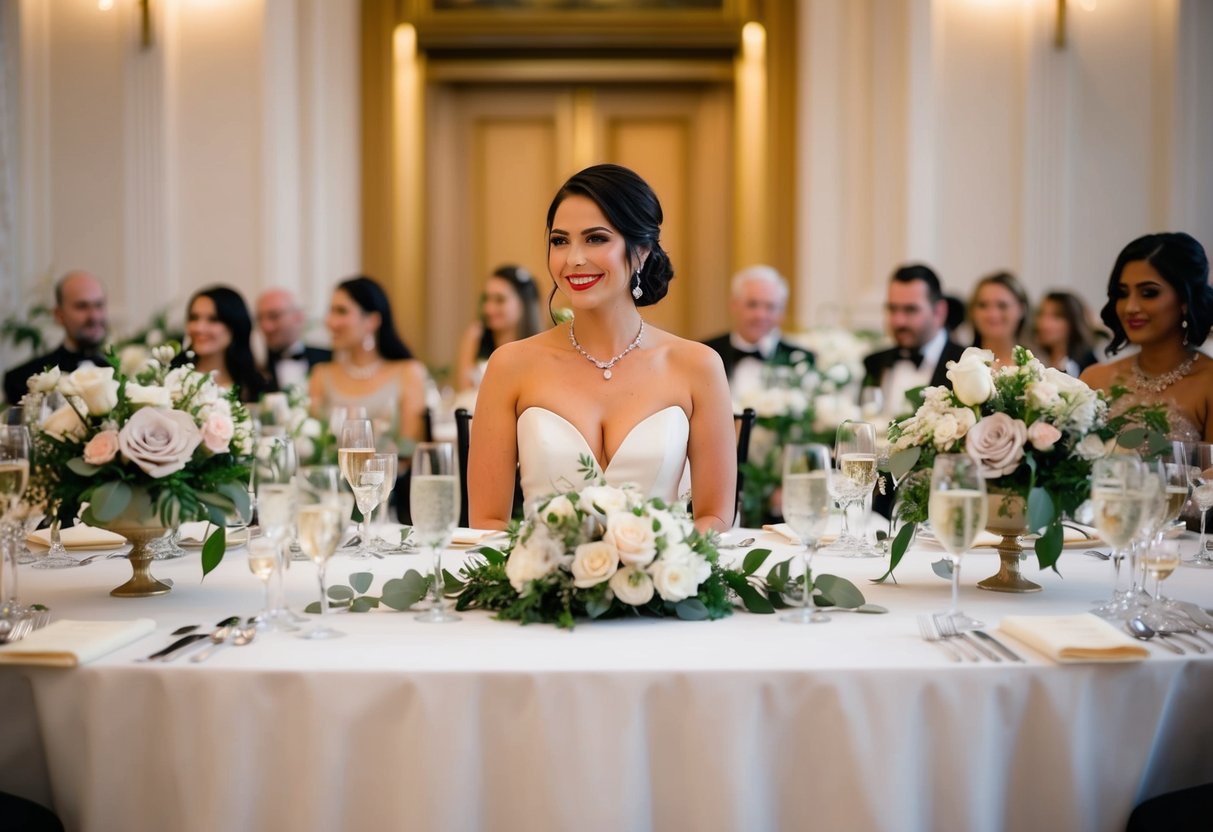
As you finalize your seating chart, keep in mind that the arrangement can vary based on family dynamics. Divorced parents, for example, often sit separately to create a comfortable environment for everyone. Knowing this can help you make thoughtful decisions that reflect your family’s unique situation.
Understanding where the mother of the bride sits is just one piece of the puzzle. This detail can enhance the experience for both her and the guests, ensuring everyone feels included on this joyous day.
Wedding Ceremony Seating Basics
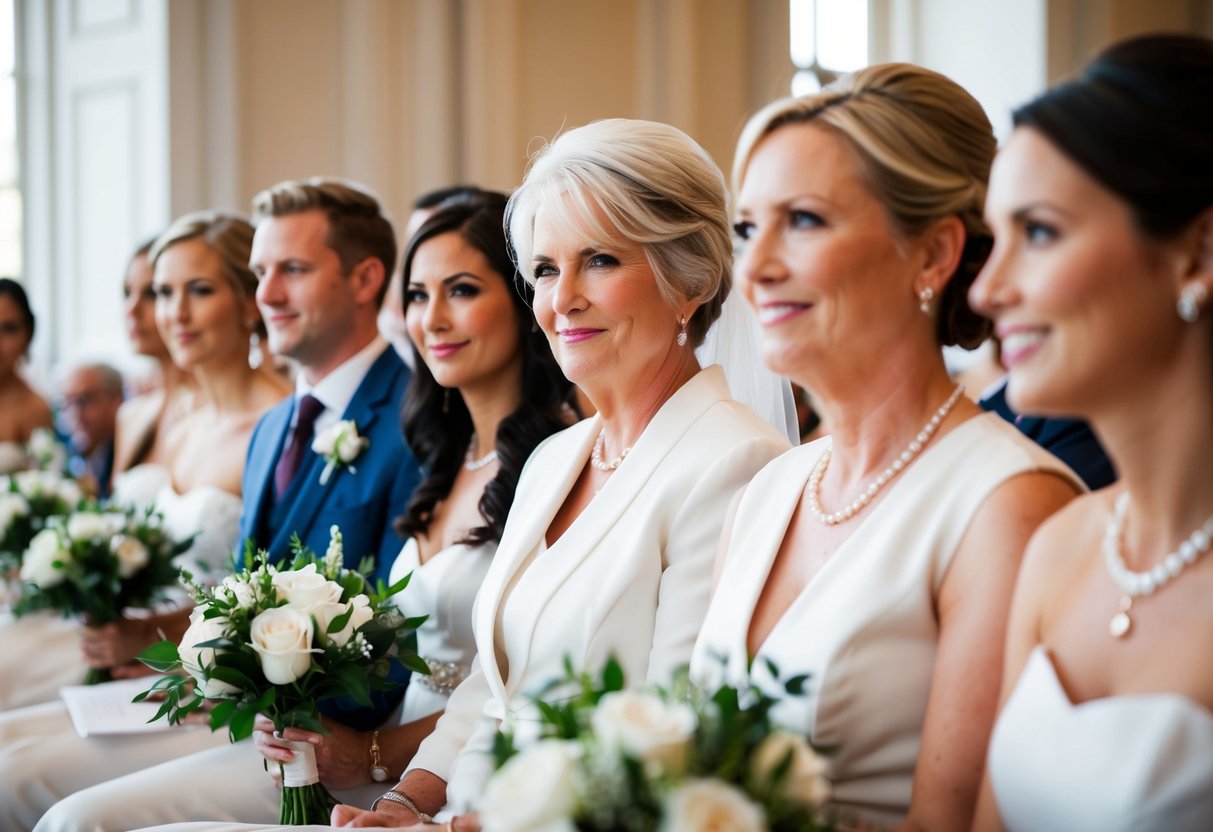
Seating at a wedding ceremony plays a crucial role in ensuring that key guests are in the right place. Knowing the arrangements and the roles of ushers can help the day run smoothly.
Understanding Seating Arrangements
In a traditional wedding ceremony, specific seating arrangements are usually followed. The mother of the bride generally sits in the front row on the left side. This spot is a place of honor, acknowledging her importance on this special day.
The groom’s parents typically take the front row on the right side. This division allows both families to be front and center as they witness the ceremony.
If there are any VIP guests, like grandparents, they are often seated first, followed by parents. A seating chart can help prevent confusion and ensure everyone knows where to sit.
Roles of Ushers in Seating
Ushers play an essential role in guiding guests to their seats during the wedding ceremony. They help maintain order and welcome guests as they arrive.
Typically, ushers escort VIP guests, like the mother of the bride, to their seats. They may also hand out programs and direct guests to the correct sections based on the seating chart.
It’s a good idea to have a few ushers on hand to manage traffic and answer questions. This way, your guests will feel welcomed and know exactly where to go once they arrive.
Seating Arrangements for the Mother of the Bride
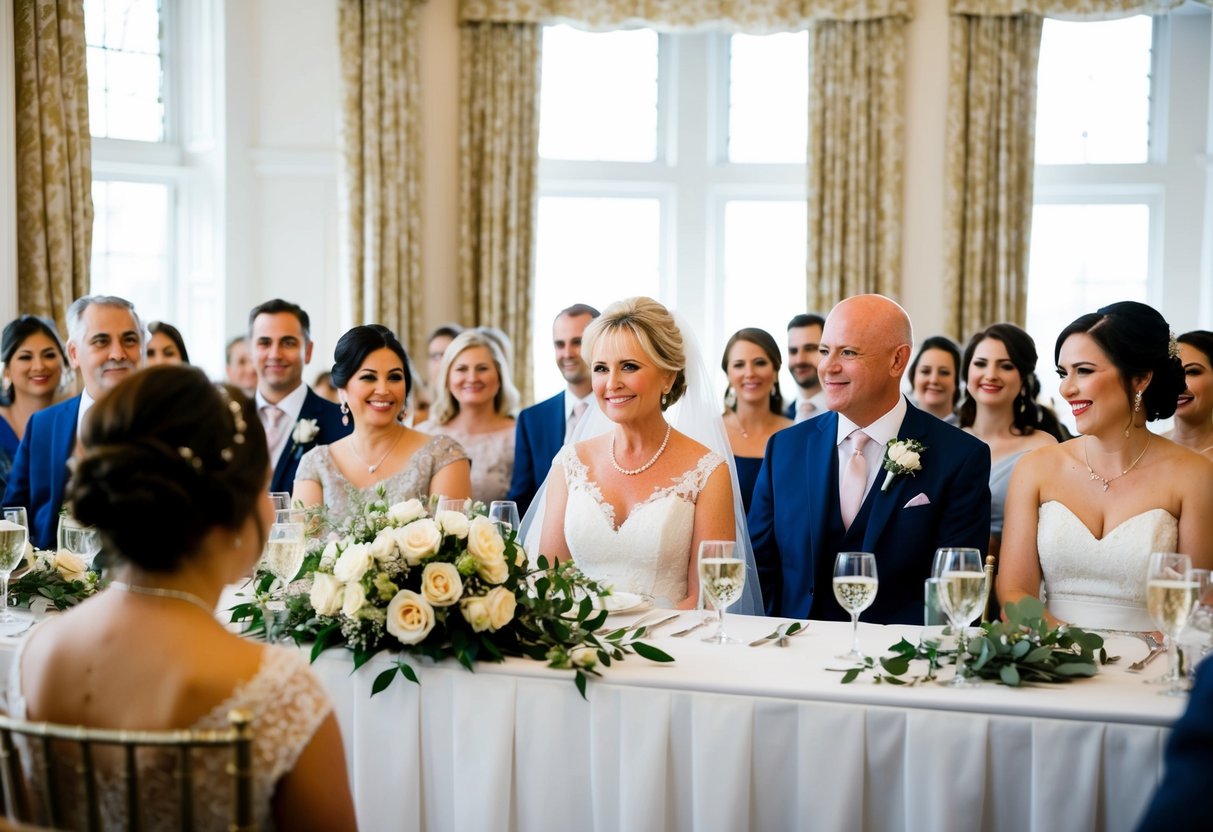
When planning the seating for a wedding, it’s important to consider where the mother of the bride will sit. Her position can reflect her significance in the event. Different traditions dictate specific seating arrangements, and understanding these can help you make the right choice.
Positioning at Christian Weddings
In Christian weddings, the mother of the bride typically takes a prominent place. She usually sits in the first pew or row on the left side, facing the front. This spot symbolizes her support for her daughter.
The mother of the groom often sits directly in front of her. It’s common for her to be acknowledged during the ceremony, so her visibility is key. If there are special arrangements, such as a dual-family seating plan, you can still follow this general guideline.
Jewish Wedding Seating Traditions
Jewish wedding customs have their own seating rules. The mother of the bride often sits in the front row, on the left side. This spot acknowledges her vital role in the ceremony.
During the Chuppah, or wedding canopy, the mothers may stand to hold candles or be part of a special blessing. Close family members usually occupy rows behind them. For same-sex couples, the seating might reflect one partner’s family on one side and the other partner’s family on the opposite side.
Hindu Wedding Seating Customs
In Hindu weddings, the mother of the bride has a special role that is respected and celebrated. She typically sits at the front during the Mandap ceremony. Often, she will be seated next to her daughter and may even participate in rituals.
In some cases, the bride’s family sits on one side, while the groom’s family sits on the opposite side. This arrangement emphasizes the unity and celebration of both families joining together. It’s common for the bridal party to also be close to the couple during the ceremony.
Wedding Reception Seating Dynamics
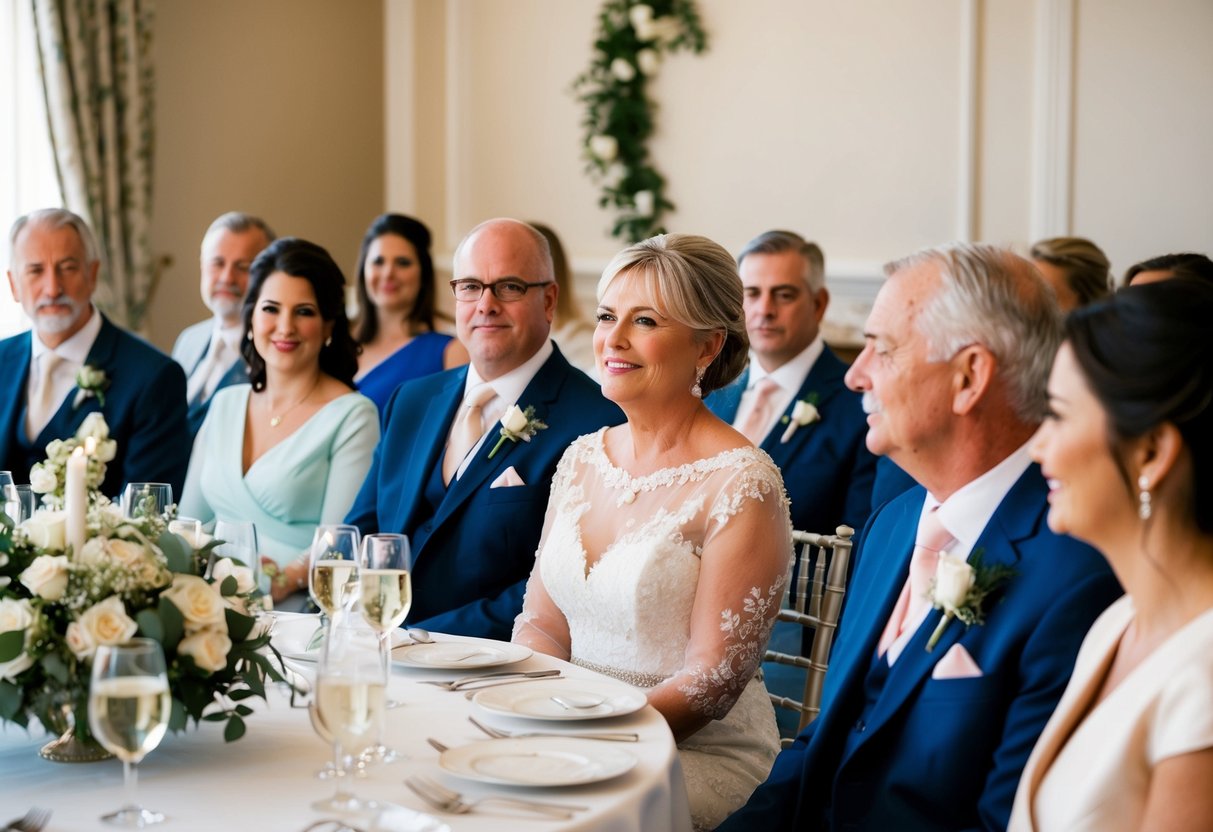
Seating at a wedding reception is more than just finding spots for guests. It sets the tone for the event and can make everyone feel included. Knowing the best ways to arrange seating can ensure a smooth and enjoyable experience for all.
Head Table Configurations
The head table is traditionally where the bride, groom, and their bridal party sit. You might choose a long table or a more intimate round one. If you have a larger party, a long table works well, allowing for everyone to be together.
Some couples opt for the bridal table, where just the bride and groom sit with a few close friends. This brings a cozy feel. It’s essential to consider dynamics, like how well everyone in the head table gets along.
Family Tables and Divorced Parents
When seating families, you’ll want to think carefully about different dynamics, especially with divorced parents. If they get along, sitting them together at a family table can help. If not, placing them at separate tables is best.
Create family tables that include siblings, grandparents, and close relatives. Togetherness is vital in this arrangement. Aim to keep tensions away while ensuring no one feels left out.
The Sweetheart Table Option
The sweetheart table is a charming option for couples who prefer a bit more privacy. This table just seats the bride and groom, allowing you to enjoy each other’s company amidst the celebration.
You can place the sweetheart table in a spot that highlights the couple. This arrangement creates a lovely focal point for guests. It’s perfect for personal moments during the reception, making your day even more special.
Working With Wedding Planners
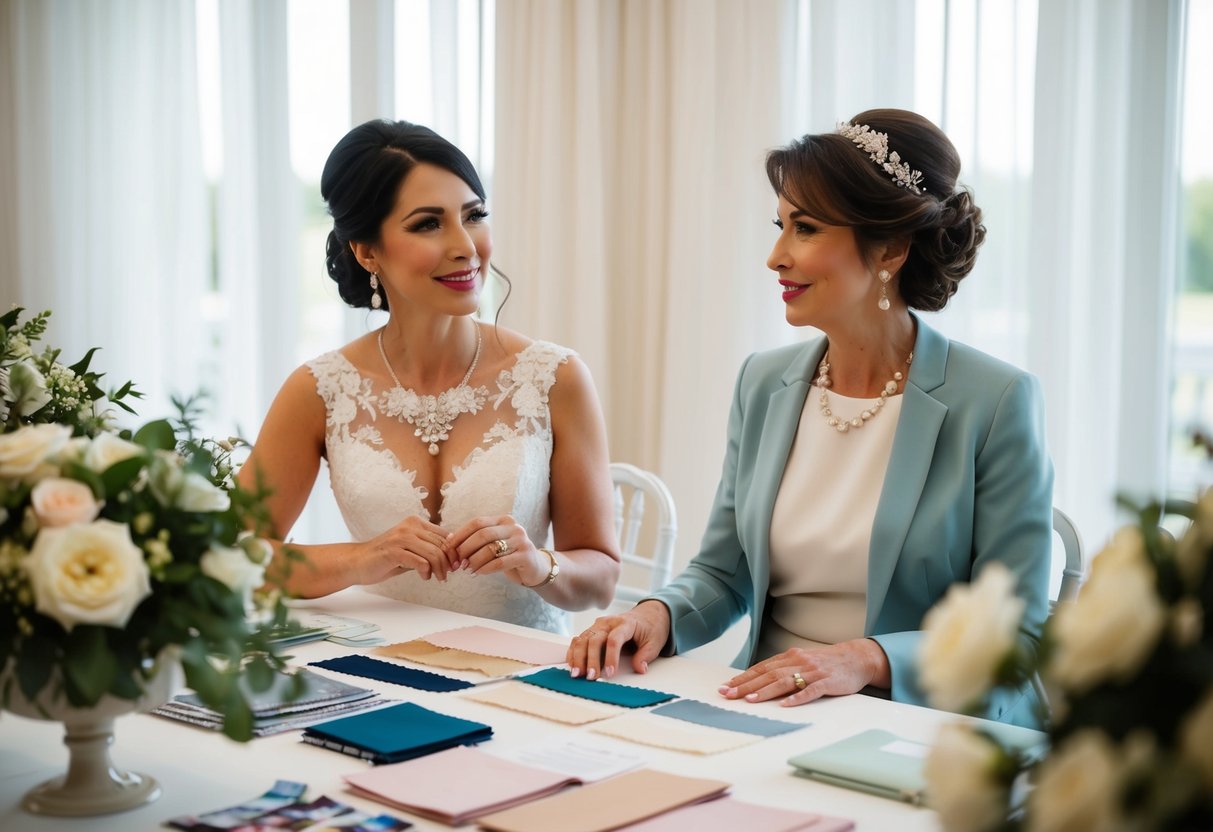
Working with a wedding planner can make your experience smoother and less stressful. They help coordinate details and manage the overall flow of the day.
When you hire a wedding planner, start by sharing your vision. Discuss your style, budget, and any special requests you may have.
Key Responsibilities of Wedding Planners:
- Vendor Coordination: They will connect with flowers, catering, and music providers to ensure everything runs smoothly.
- Timeline Management: A planner keeps track of important deadlines and services needed.
- Problem Solving: If any issues arise, the planner addresses them without bothering you.
You should also think about the specific roles involved. For instance, they can guide you on seating arrangements. They can help you decide where to place the mother of the bride.
Benefits of Having a Planner:
- Expertise: They know the best practices and can offer useful insights.
- Stress Reduction: With a planner, you can focus on enjoying the day instead of worrying about details.
- Creative Ideas: They can help bring your unique vision to life.
Make sure to discuss how you want to involve your mom in the planning process, too. This can help ensure everyone feels included and valued.