
Who Sits Where at a Wedding Breakfast? A Guide to Seating Arrangements
Seating guests at your wedding breakfast can feel like a daunting task, but it doesn’t have to be. Your seating arrangement should encourage comfort and conversation among your guests while honoring important relationships. Understanding who sits where can help create a joyful atmosphere during your wedding reception, making it a memorable experience for everyone.
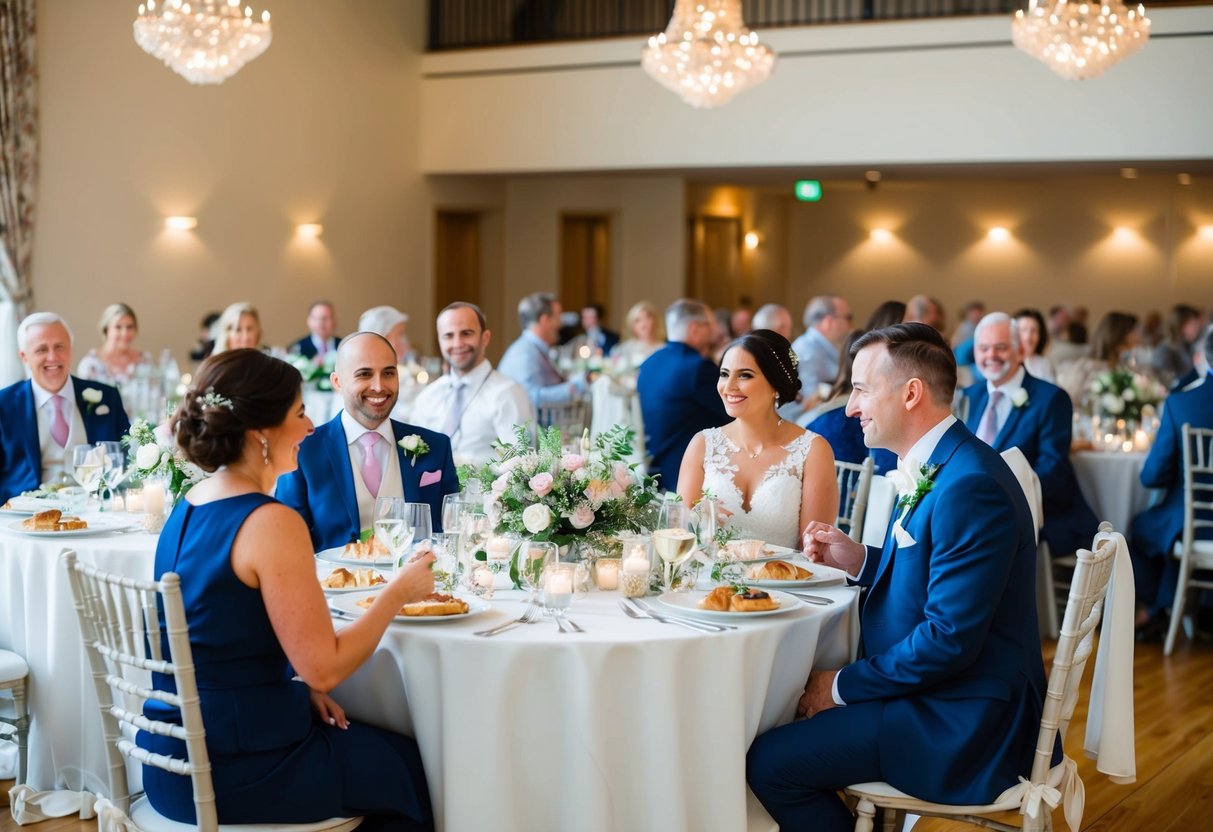
When planning your wedding, think about how your guests will interact with one another. Consider grouping friends or family members who know each other well. It’s also traditional for the bride and groom to sit at the head table, often accompanied by their wedding party, including the maid of honor and best man. This arrangement helps you celebrate your special day surrounded by your closest support.
As you dive into the details of your wedding breakfast, remember that the goal is to create a warm and welcoming environment. The right seating plan not only guides your guests but also sets the tone for laughter and shared memories. By putting thought into your seating arrangement, you’ll ensure a delightful experience for everyone involved.
Planning Your Seating Arrangement
When planning your wedding breakfast seating, it’s essential to create a comfortable and inviting atmosphere. A well-thought-out seating arrangement helps guests feel at ease and encourages interaction.
This section covers how to understand the importance of a wedding breakfast and how to create an effective seating chart.
Understanding Wedding Breakfast
A wedding breakfast refers to the meal served after the ceremony. This is often a formal sit-down meal, making an organized seating plan critical. Think about the vibe you want to create. You want guests to feel relaxed and connected.
Consider group dynamics. Place friends and family members together to foster conversations. Also, be mindful of any potential conflicts between guests. You may want to keep certain individuals apart to ensure a pleasant atmosphere.
Another consideration is family roles. For instance, parents of the couple should have a place near the head table. This shows respect and acknowledges their importance in your life.
Creating a Seating Chart
Creating a seating chart involves organizing where each guest will sit. Start by listing all your guests. Then, decide if you will have assigned seating or a more flexible arrangement.
A structured seating plan, often seen in formal weddings, helps avoid confusion. You can use a large display board at the entrance to show where each person sits. This allows guests to find their seats easily.
When drafting the seating chart, consider creating different tables. For instance, you might have a table for family, one for friends, and another for co-workers. This helps group people with shared interests, promoting a friendly atmosphere.
Keep in mind accessibility. Ensure older guests or those with disabilities have seats that are easy to reach. Communication is key, so share the seating chart with your wedding planner to ensure everything goes smoothly.
Arranging the Top Table
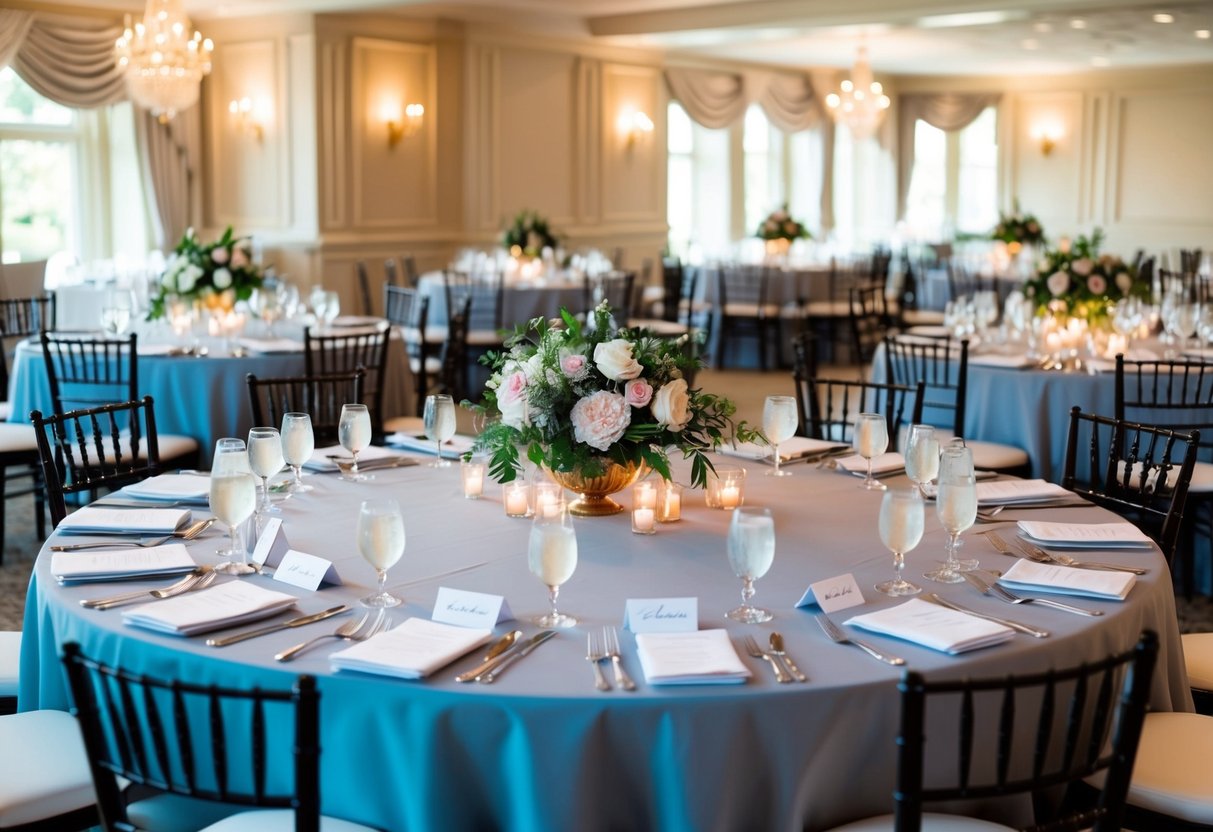
When planning your wedding, arranging the top table is a very important task. This is where you and your closest family and friends will gather during the meal. The layout can vary based on personal preference, tradition, and the atmosphere you want to create.
The Traditional Layout
In a traditional setup, the top table is usually positioned at the front of the reception space. This long table typically seats the bride and groom in the center, flanked by their parents. If you have siblings or important family members, they can join the head table seating as well. This arrangement allows everyone to see the couple and creates a focal point during the meal.
It’s common to see parents sitting beside the couple, which emphasizes family support. If the wedding is large, you might also include the wedding party here, like bridesmaids and groomsmen. This layout brings together those closest to you, making it a cherished moment.
Alternative Top Table Configurations
If the traditional layout doesn’t suit your style, consider alternative top table configurations.
One popular option is the round top table, which creates a more intimate setting. You and your partner sit with your parents or close friends around a circular table. This way, everyone can engage in conversation easily.
Another option is a long table, but with a twist. Instead of having all guests face the same direction, you can have the couple sit at one end, with guests seated on either side. This approach fosters a more relaxed dining experience. Don’t hesitate to mix and match seating arrangements to fit your vision!
The Sweetheart Table Option
The sweetheart table is a charming alternative for couples who prefer more intimacy. This option involves just the bride and groom sitting together at a small, elegantly decorated table. Positioned in front of your guests, it allows for a romantic setting while still feeling part of the celebrations.
With this layout, you can choose to have close family and friends nearby, or even separate them at their own tables. The sweetheart table emphasizes your connection on this special day. To enhance the atmosphere, consider adding special centerpieces or decorations that reflect your unique style and personality as a couple.
Special Considerations for Seating
Seating guests at your wedding breakfast involves more than just arranging chairs. You need to think about dietary needs, family dynamics, and accessibility to create a welcoming environment for everyone.
Dietary Requirements and Allergies
When planning your seating arrangement, consider any dietary requirements and allergies your guests might have. It’s important to ask about these preferences well in advance.
Create a list of special dietary needs, such as vegetarian, vegan, gluten-free, or nut allergies. Communicate this with your caterer so they can prepare suitable meals.
You might also want to sit guests with similar dietary needs together. This will help avoid any awkward moments at the table and ensure everyone has a pleasant dining experience.
Family Dynamics and Guest Comfort
Family dynamics can play a big role in how comfortable your guests feel. You should pay attention to relationships that might affect seating. For example, it might be best to avoid seating divorced parents at the same table unless they get along well.
Try to create family tables to keep relatives together. This can foster a friendly atmosphere. However, be mindful not to isolate guests who might feel left out.
Consider mixing friends and family to encourage new connections. It can make your wedding breakfast more enjoyable for everyone, and it can also help break the ice for guests who haven’t met before.
Accessibility and Visibility
Accessibility is key for ensuring that all guests feel included. Make sure to seat guests who need assistance, such as elderly relatives or those with mobility challenges, in easy-to-reach areas.
Position them near the dance floor or any entertainment so they can enjoy the festivities without difficulty.
Additionally, consider visibility when arranging seating. Ensure that all guests can see the head table and any activities taking place. A well-thought-out seating plan can help everyone feel engaged and part of the celebration.
Personalizing Your Reception
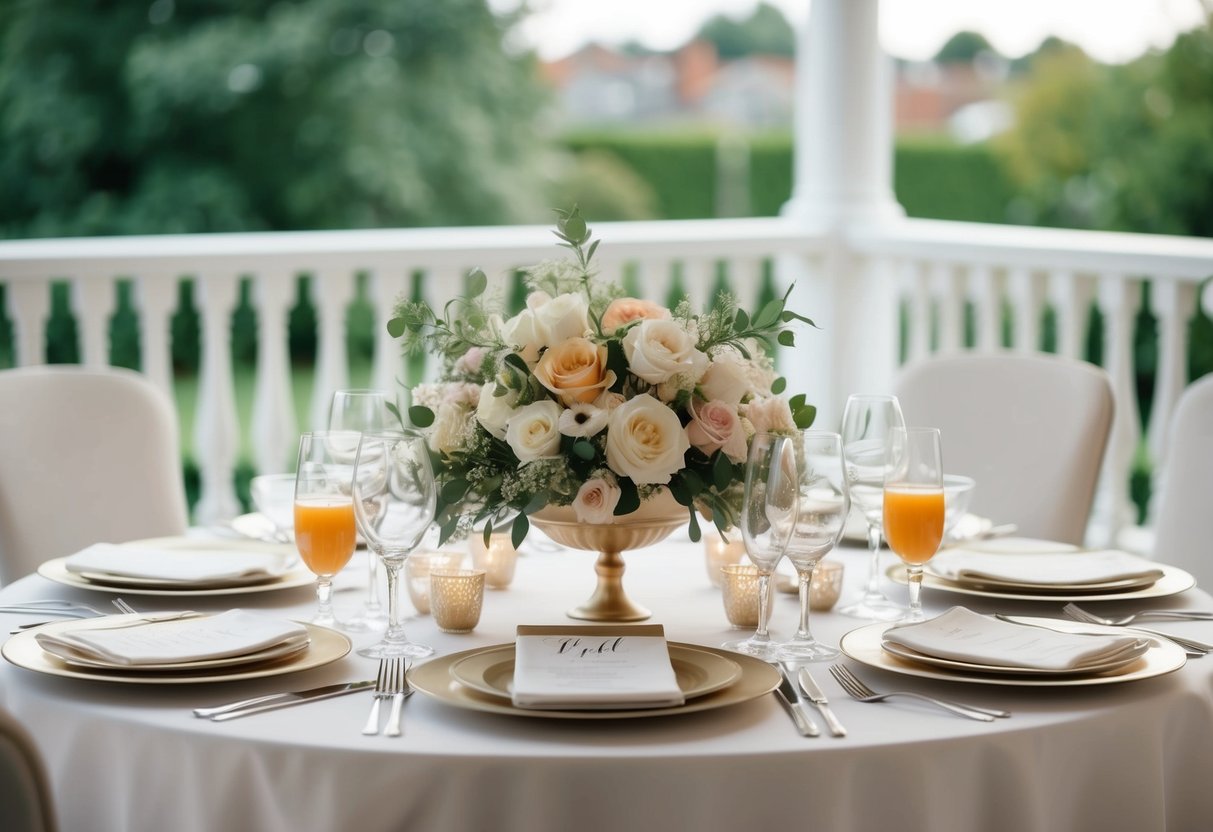
Making your wedding reception unique is all about the little details. From how guests find their seats to the way you plan speeches, every element can reflect your personality and style. Here are some great ways to personalize your reception.
Escort Cards and Place Cards
Escort cards guide your guests to their assigned tables. They can be creative, using themes or personal touches like favorite quotes. Consider displaying them on a beautiful board or in jars for a fun twist.
Place cards take it a step further by showing guests exactly where to sit at their table. For round tables, neat place cards can help avoid confusion. You can write guests’ names on cards that match your wedding colors or style.
Make sure to check for accuracy when arranging seating for family dynamics. This can ensure smooth interactions, especially between groups like the best man and maid of honor.
Unique Table Arrangements
Custom table arrangements can bring your wedding theme to life. Think about unique centerpieces that reflect your interests, such as flowers, books, or even a small hog roast setup for a rustic feel.
Assigning tables names instead of numbers can also add a personal touch. Consider naming them after places you’ve traveled together or favorite movies. Each table becomes part of your story, which sparks conversations among guests.
Arranging your guests thoughtfully can enhance their experience. Mix friends and family, and consider seating those who might enjoy each other’s company together, fostering connections.
Integrating Speeches and Toasts
Many receptions feature speeches, which are often delivered by the best man and maid of honor. You can personalize this by encouraging them to share funny or heartfelt stories about you.
Consider scheduling the speeches between courses of the meal to engage the guests while they eat. This is especially effective for plated dinners, as it keeps the atmosphere lively.
You might even display a list of who will speak and when, so everyone knows what to expect. Keeping the mood light with laughter while acknowledging special moments can make these speeches more memorable for you and your guests.