
Who Sits Where at a Wedding Ceremony? A Guide to Seating Arrangements
Planning a wedding can be exciting yet overwhelming, especially when deciding on seating arrangements for the ceremony. Knowing who sits where at a wedding ceremony can help you create an organized and meaningful experience for your guests. It sets the tone for the event and ensures that everyone feels included and comfortable.
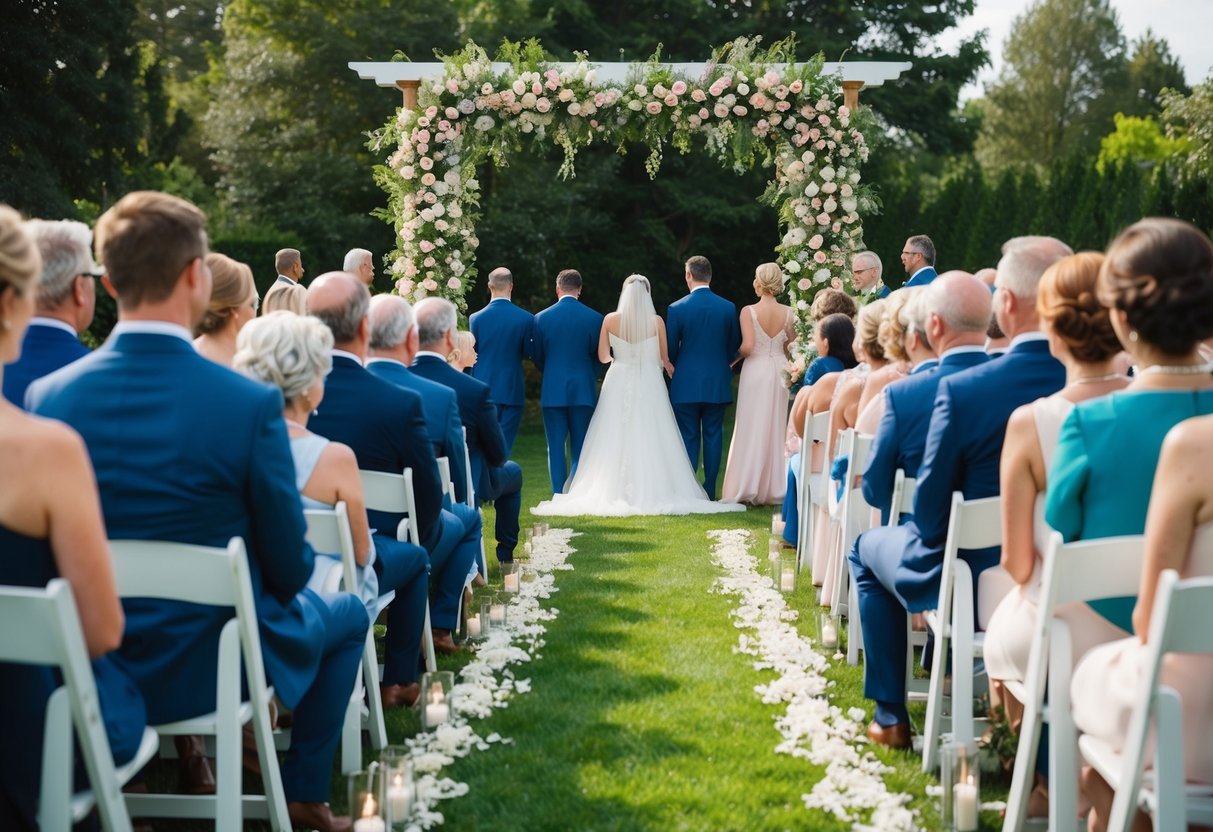
Typically, the bride’s family sits on the left side of the aisle, while the groom’s family occupies the right. This traditional seating arrangement can vary with different customs and religions, so it’s essential to take into account any specific traditions that may apply to your wedding. Making these decisions early can ease a lot of stress as your big day approaches.
When considering who to seat where, think about the VIPs—parents, grandparents, and close family members are usually given prime spots. This kind of attention to detail creates a warm atmosphere for everyone involved, making the ceremony truly special for you and your loved ones.
Wedding Ceremony Seating Basics
Getting the seating right for your wedding ceremony is essential to ensure that your guests enjoy the event. Knowing the roles of ushers and the general principles of seating can make this task easier.
The Role of Ushers
Ushers play a vital role in your wedding ceremony by helping guests find their seats. They should greet guests warmly as they arrive and guide them to the right area.
It’s best to assign ushers early in the planning process. Choose friends or family members who are comfortable interacting with guests.
Tips for Ushers:
- Familiarize themselves with the seating chart.
- Be aware of any special needs guests may have.
- Ensure that VIPs like family members have priority seating.
Their friendly demeanor makes guests feel welcome, setting a positive tone for the day.
General Seating Arrangement Principles
When planning your seating arrangement, consider the following principles for a smooth ceremony.
First, traditional etiquette usually places the bride’s family on the left and the groom’s family on the right. This helps guests know where to go more easily.
Seating Considerations:
- Elderly Guests: Place them towards the front for easy access.
- Children: Create a designated area if you expect many young guests.
- Special Needs: Ensure guests with disabilities have accessible seating options.
By following these arrangements, you can create an atmosphere of support and celebration for your big day.
Seating Arrangements for Family Members

Seating family members at a wedding is all about honoring relationships and making everyone feel included. This section focuses on how to seat the parents of both the bride and groom, as well as strategies for accommodating divorced parents.
Seating for Parents of the Bride and Groom
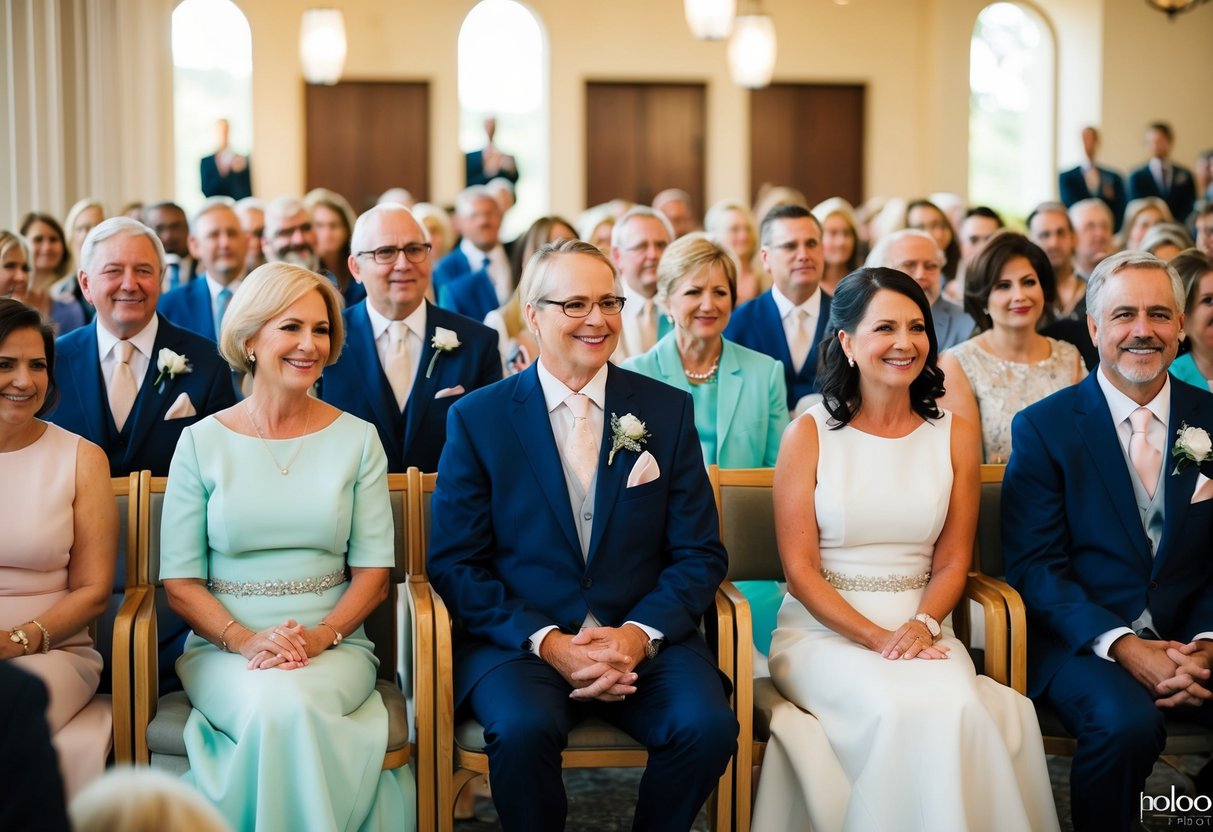
Traditionally, the seating arrangement places the parents of the bride on the left side and the parents of the groom on the right side. They usually sit in the first row, close to the altar.
If both sets of parents are married, this setup works well. For blended families, consider an arrangement that respects everyone’s feelings.
Here’s a simple layout:
- Bride’s Parents: Front row left
- Groom’s Parents: Front row right
- VIP Guests: Grandparents and siblings can follow behind.
You can reserve seats for other important family members too, such as aunts and uncles, to create a supportive environment.
Accommodating Divorced Parents
When dealing with divorced parents, it’s essential to communicate with both parties beforehand. This step helps prevent discomfort on the big day. You might consider seating them separately to reduce tension.
For example, if the bride’s parents are divorced, seat the divorced mom in the front row with her new partner. Her immediate family can sit behind her. The father can take a seat further back after walking his daughter down the aisle.
List of seating tips:
- Divorced Mother: Front row seat with new spouse.
- Divorced Father: Behind immediate family.
- Blended Family Considerations: Include step-parents where appropriate.
These arrangements respect family dynamics while ensuring everyone is part of the special day.
Special Seating Considerations
When planning seating for your wedding ceremony, it’s essential to think about unique aspects that might affect your arrangements. This includes considerations for same-sex marriage ceremonies and various cultural traditions. Understanding these factors can help create a supportive and inclusive atmosphere for all your guests.
Same-Sex Marriage Ceremonies
For same-sex marriage ceremonies, seating can reflect the couple’s relationship and what they value. Many couples choose to personalize their seating to highlight the unity of both families.
You might decide to arrange seating with the couple at the center and family members surrounding them. This arrangement creates a warm atmosphere where both families feel equally honored. Depending on the number of guests, you could also consider a circle or semi-circle layout to enhance intimacy.
It’s vital to communicate your seating plan clearly to your guests. This way, everyone knows where to sit and how to support your love story.
Cultural Traditions in Seating
Different cultures have unique customs for wedding seating, which can enrich your ceremony. For instance, in Orthodox Jewish weddings, the seating typically separates men and women. This tradition respects religious beliefs and fosters a respectful environment.
In Buddhist weddings, seating can symbolize harmony. You might find both families sitting together, showing mutual respect and unity.
When planning, research these traditions and think about how to honor them in your seating plan. Don’t forget to involve family members in discussions about seating to ensure everyone feels included.
Planning Reception Seating
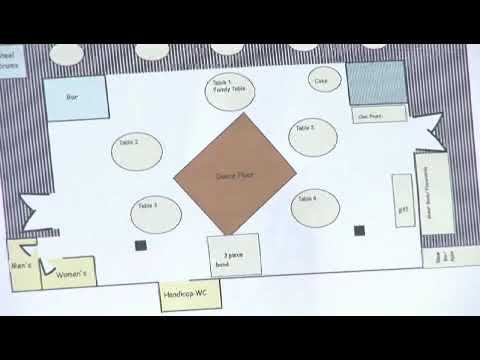
Planning your wedding reception seating can feel like a puzzle, but it doesn’t have to be stressful. Here are some tips to help you get started.
First, make a list of your guests. This should include everyone you plan to invite. Knowing your total count will help you with the seating chart later.
Next, think about how to arrange the tables. Here are some common styles you might consider:
- Formal seated dinner: Guests have assigned tables and seats.
- Informal open seating: Guests choose where to sit as they arrive.
- Kids’ tables: If you have children, consider creating a separate table for them.
Once you’ve decided on a seating style, you’ll need to create a seating chart. Use a large sheet of paper or a digital tool. List tables and the guests assigned to each.
Keep in mind any seating etiquette that might apply. For example, you might want to separate family dynamics or seat close friends together.
Also, when arranging guests, think about their relationships. Seat couples together, and place friends or families near one another for a relaxed atmosphere.
By thinking ahead and planning carefully, you can create a seating arrangement that helps everyone enjoy your special day!