
Who Sits with Brides Parents at Wedding? Understanding the Seating Arrangement
When planning your wedding, understanding the seating arrangements can help make the day smoother and more enjoyable.
At the wedding reception, the bride’s parents typically sit at the head table alongside their daughter and her partner, often joined by immediate family members. This setup not only honors your parents but also allows them to feel included in the celebration.
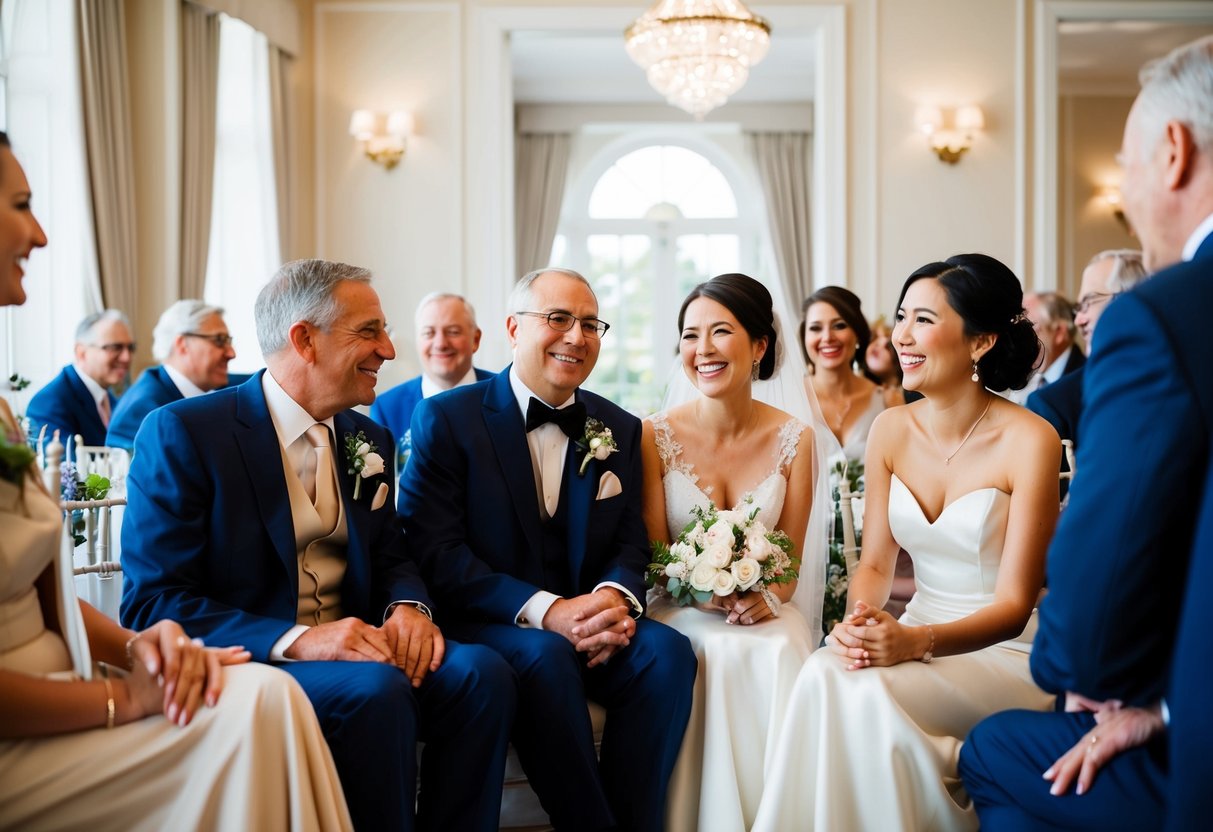
In some cases, parents of the bride may choose to sit with close friends or relatives, especially if they have a different social circle.
It’s all about creating a comfortable environment that reflects your family dynamics and social preferences. Remember, there is flexibility in wedding etiquette, so you can decide what works best for you and your family.
During the ceremony, the bride’s parents usually sit in the first row on the left, while the groom’s parents sit on the right. This traditional arrangement helps set the stage for both families to witness your special moment together.
Keeping these seating details in mind will help you create a memorable experience for everyone involved.
Understanding the Traditional Seating Arrangement
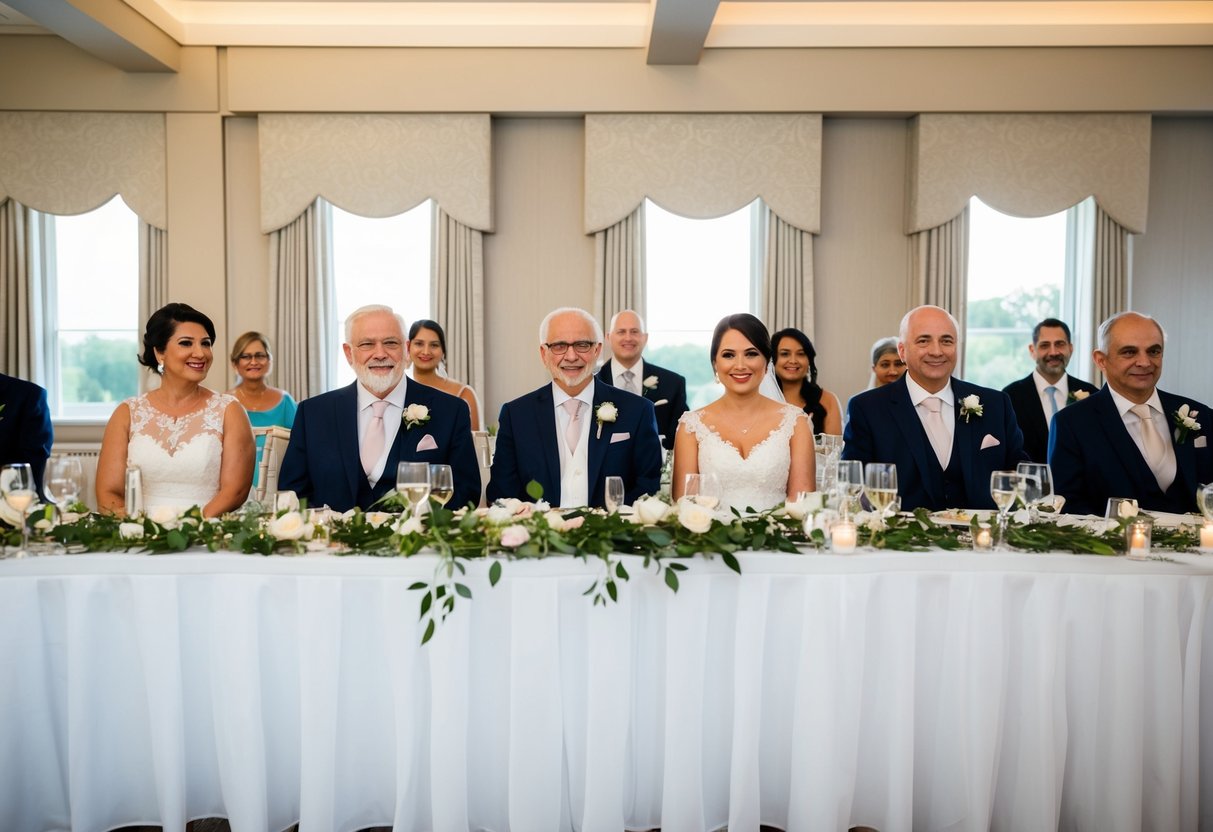
In wedding ceremonies, seating arrangements play an important role in making the event comfortable and organized. You want to ensure that guests are placed where they can enjoy the ceremony while respecting family dynamics.
Roles of Family and Relatives
When planning your seating chart, the parents of the bride hold a significant position.
Typically, the bride’s parents sit in the first pew or row on the left side, facing the ceremony area. This tradition reflects their important role in the event.
The groom’s parents usually occupy the first row on the right side. This separation helps to distinguish between families while allowing them to support their children.
Ushers can assist in guiding guests to their designated seats. If you have special relatives, such as grandparents, consider placing them near the front for better visibility.
Seating for Divorced Parents
If your parents are divorced, this can complicate seating arrangements. You may need to ask them about their preferences to ensure comfort during the ceremony.
One common approach is to seat each parent on either side of the venue, keeping some distance between them. Another option is to have them share a row but encourage them to sit apart.
Clear communication is key. You can also involve a trusted family member or friend to help with this delicate situation. This way, you maintain harmony and allow everyone to feel included on your special day.
Planning Your Wedding Seating
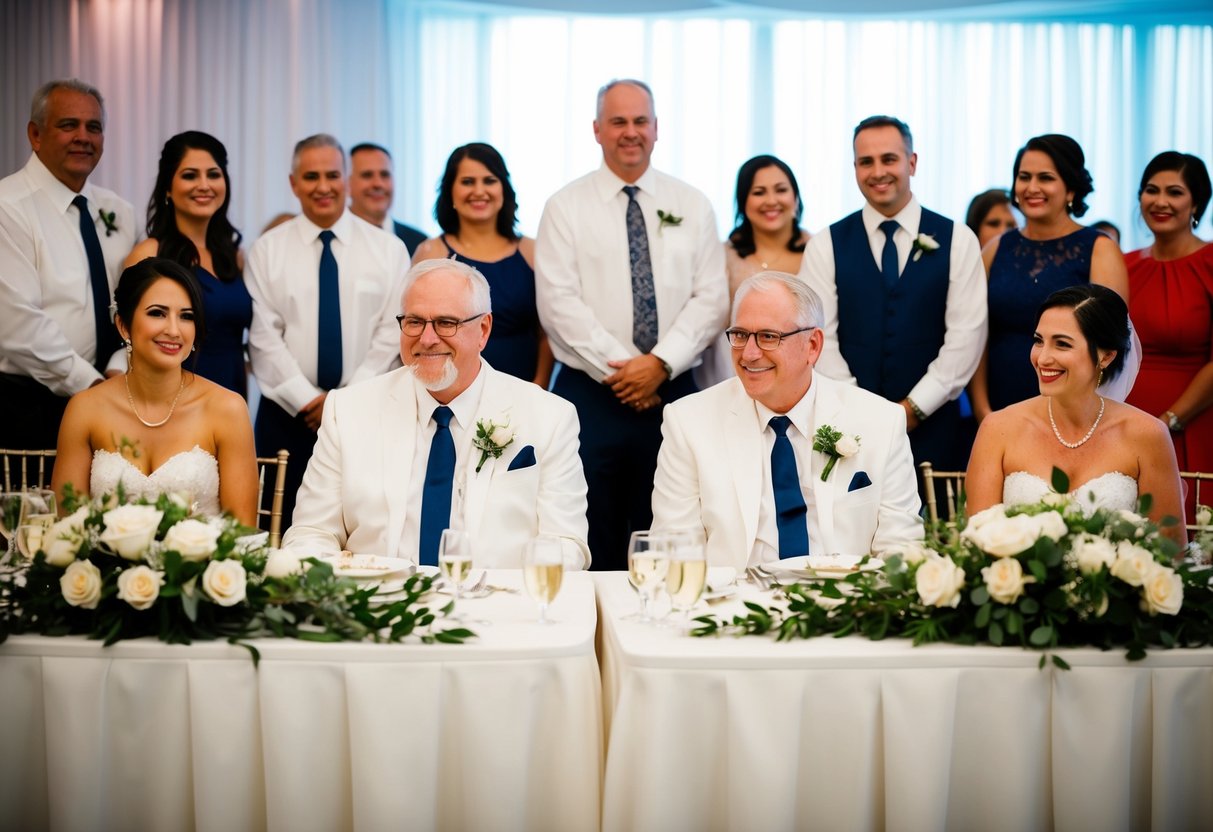
Planning your wedding seating involves creating a harmonious atmosphere for your guests. This guide will help you focus on making the right choices for seating arrangements and working with a wedding planner to streamline the process.
Creating a Seating Chart
Begin by listing your guest list and categorizing the guests into groups.
Consider family ties, friendships, and any special relationships to create a more comfortable setting.
Next, think about the layout of your reception. A simple table plan may work well, or you might choose a more elaborate arrangement with round tables or long banquet tables.
When designing your seating chart, place your parents’ table in a prominent location, ensuring they feel honored.
Make a list of who sits with the bride’s parents to avoid confusion. You can use color coding or a digital app to make it easier to visualize.
Working with a Wedding Planner
If working with a wedding planner, communicate your preferences clearly.
Share your guest list and discuss the seating arrangement you’d like. A planner can provide valuable insights based on their experience in arranging successful receptions.
They can help create a seating chart that flows well. This ensures that family members are together, while also considering dynamics among guests.
Trust your planner’s expertise in creating an inviting atmosphere. They can help manage last-minute changes and ensure everything runs smoothly on the big day.
Variations in Modern Weddings
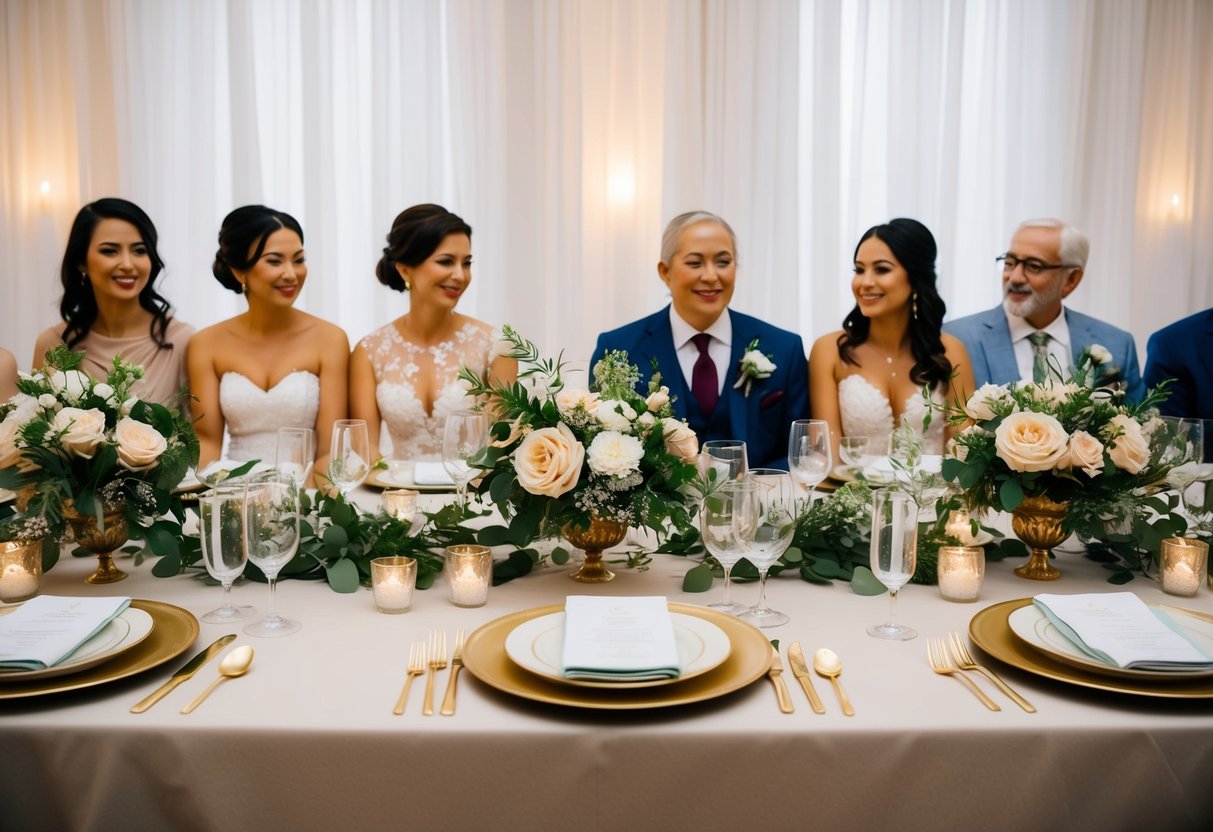
Weddings today often reflect personal choices and diverse family structures. Different factors, like same-sex partnerships, children at the reception, and single guests, can influence seating arrangements in unique ways.
Accommodating Same-Sex Weddings
In same-sex weddings, traditional seating may shift to reflect the unique family dynamics. You can assign each family side during the ceremony. For instance, the bride’s family might sit on the left, while the groom’s family occupies the right.
Creative options include a top table where both sets of parents can sit together or a sweetheart table for the couple only. This ensures guests feel included while honoring both families.
You can also create a welcoming atmosphere by encouraging friends and family to socialize regardless of their family ties.
Kid-Friendly Reception Considerations
When kids are part of the guest list, seating arrangements for younger guests can make a big difference.
Create a kid-friendly table near the parents’ area to keep children close. You might consider fun decorations or activities at this table.
Think about serving child-friendly meals that appeal to younger palates. Parents will appreciate the thoughtfulness. This consideration allows parents to enjoy the celebration while knowing their children are entertained and cared for.
Seating for Singles
Single guests may feel out of place at weddings, especially if most attendees are couples.
To help them connect, you can create a singles table. This area allows singles to mingle and enjoy the festivities without feeling isolated.
Encourage conversation by placing fun table games or conversation starters at their table. Making the environment lively can help everyone feel included, regardless of their relationship status.
You’ll create a space where friendships can blossom amidst the celebration.