
Who Speaks in What Order at a Wedding? A Guide to the Ceremony Flow
Weddings are filled with love, laughter, and memorable moments. One key element that often gets overlooked is who speaks and in what order during the celebration. The traditional order of speeches usually starts with the father of the bride, followed by the groom, the best man, and the maid of honor. Knowing the wedding speech order can help ease nerves and ensure everyone is ready to share their heartfelt words.

As you plan for your special day, understanding these wedding traditions can help you avoid speech fatigue. You don’t want guests to feel overwhelmed by too many speeches. With the right timing and order, your wedding speeches can become cherished moments rather than a lengthy formality.
Whether you’re part of the wedding party or a guest, knowing who is expected to speak and when can add to your enjoyment of the day. This guide will help you navigate the ins and outs of wedding speeches, making sure each voice is heard and appreciated.
The Traditional Order of Wedding Speeches
In a traditional wedding, the speeches often follow a specific order. Each speech plays a unique role in honoring the couple and entertaining the guests. Understanding this flow can help ensure a smooth and enjoyable experience for everyone.
The Role of the Master of Ceremonies
The Master of Ceremonies (MC) sets the tone for the evening. You can think of the MC as the guide for the event. They introduce the speeches, transition between different parts of the reception, and keep the guests informed.
The MC usually opens the speeches after the meal. They will welcome everyone and may offer a brief toast before introducing the first speaker. A good MC uses humor and charm to engage the audience, making everyone feel comfortable.
Father of the Bride Speech
The Father of the Bride speech is often one of the most emotional speeches of the day. Traditionally, he shares stories about his daughter, reflecting on her childhood and the love he has for her.
This speech often includes well wishes for the couple. You might also hear a few light-hearted jokes. It’s common for the father to thank the guests for attending and to express gratitude to the groom’s family. This sets a warm atmosphere and opens the floor for the next speaker.
Groom Speech
After the Father of the Bride’s heartfelt words, it’s your turn as the Groom to speak. Your speech typically focuses on thanking everyone involved, from the guests to your new in-laws.
You might share a small story about your partner, emphasizing your love and the journey you’ve shared. Remember to keep it heartfelt but light. It’s also polite to raise a toast to the bridesmaids and the parents. This is your moment to connect with the audience and express your happiness.
Best Man’s Speech
Last but not least is the Best Man’s Speech. This speech adds a fun and lively element to the evening. The Best Man usually shares anecdotes about the groom, often including funny or embarrassing moments.
It’s important to keep the humor appropriate, as there will be a mix of family and friends in attendance. The Best Man also praises both the bride and groom, wishing them a happy future together. Concluding with a toast is the perfect way to wrap up the speeches, making it memorable for everyone.
This traditional order ensures a balance of emotional and entertaining moments, creating an enjoyable atmosphere for all.
Modern Twists on Wedding Speech Etiquette
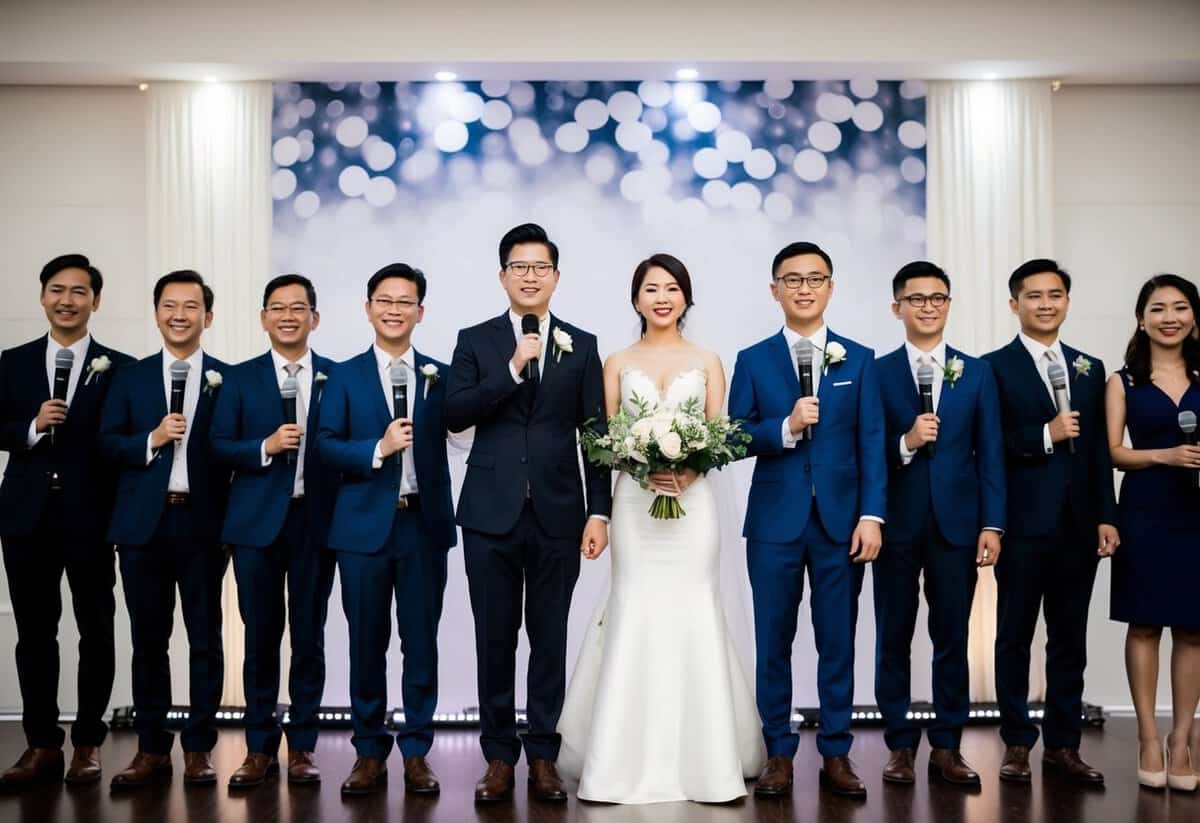
Wedding speeches today can be more flexible and personal than ever. This allows for creativity and expressions of love that reflect the couple’s unique relationship. Let’s explore the modern trends for key speakers in wedding ceremonies.
Bride Speech
Traditionally, brides might have been less likely to speak, but this norm has changed. Many brides now choose to address their guests, sharing personal stories and heartfelt thank-yous.
In your speech, express gratitude to your family, parents, and guests for their support. Consider including a funny or sentimental story about you and your partner.
This creates a warm atmosphere and makes your speech memorable. Aim for an authentic tone and keep it around 3-5 minutes long to engage your audience without losing their attention.
Maid of Honor Speech
The maid of honor plays an important role in the wedding, and her speech is often a highlight. This speech should blend humor with emotion, reflecting both your friendship and your support for the bride.
Start by introducing yourself and your relationship with the bride. Share a funny memory or a touching experience that captures your bond.
It’s also nice to compliment the couple and share well-wishes for their future together. Keeping it light, yet heartfelt, helps set a positive tone at the reception.
Couple’s United Speech
More couples are opting to speak together during the reception. This joint speech can showcase the unity of your relationship as you share your journey.
Talk about how you met, memorable moments, or what makes your relationship special. This duet can draw laughter and tears from your guests.
Make sure to practice so you both feel comfortable and can enjoy the moment. A combined speech typically lasts 5-7 minutes, allowing for both voices to shine while sharing the spotlight.
Effective Wedding Speech Planning
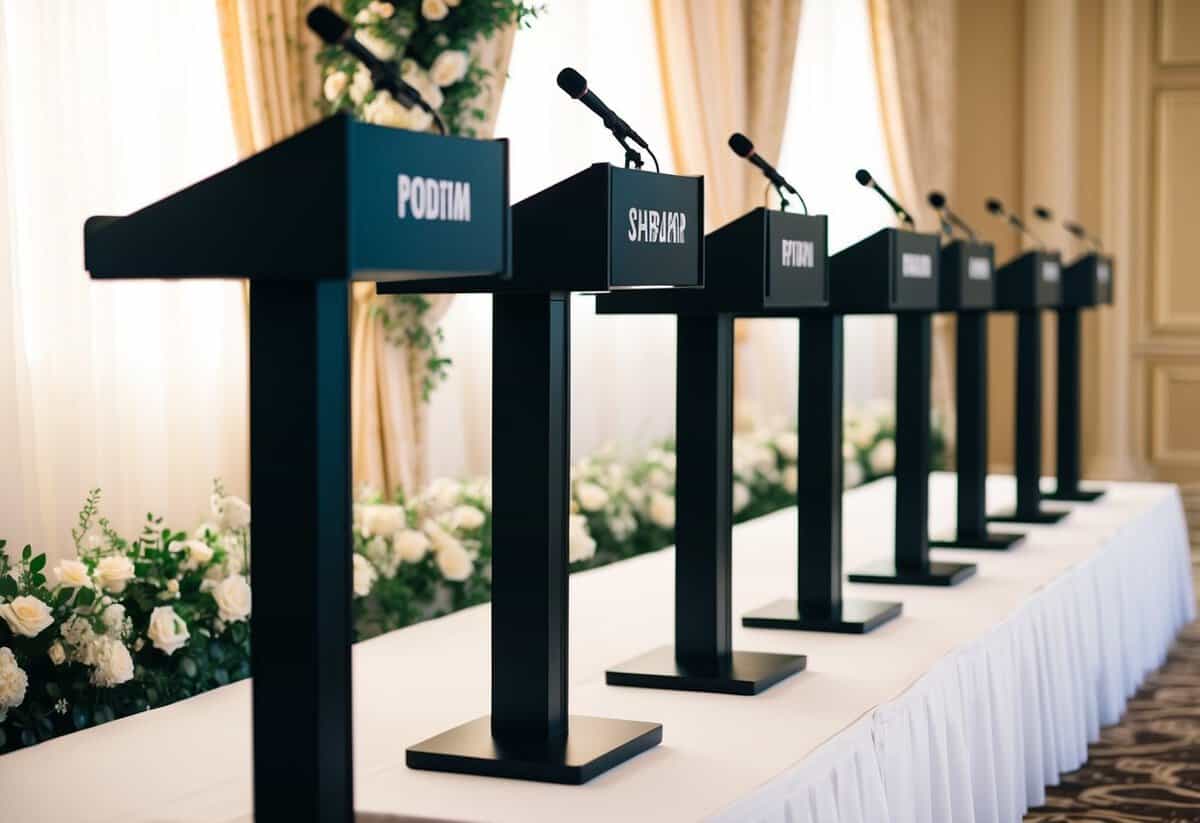
Planning effective wedding speeches can make your special day even more memorable. By organizing who speaks when, you ensure everyone has their moment and keeps guests engaged throughout the event.
Determining the Order of Speeches
Choosing the right order for speeches is essential. The traditional sequence often starts with the father of the bride, followed by the groom’s speech, and then the best man.
You might also include a welcome speech from one of the parents or acknowledge special guests. Consider allowing other members of the wedding party to share their thoughts.
This planned structure not only provides flow but also sets the mood. Each speech builds on the previous one, creating an emotional journey for the couple and the guests.
Rehearsal Dinner Speeches: A Prelude
The rehearsal dinner is a great time for speeches that are less formal but still meaningful. Here, you can invite family and close friends to share stories.
These speeches give guests a glimpse into your lives and relationships before the main event. They also help everyone feel more connected.
Make sure to set a relaxed tone, encouraging light-hearted anecdotes. Limiting speeches to 3-5 minutes keeps them engaging, allowing for more speakers and stories.
Managing Speech Length and Engagement
Keeping speeches concise is vital for maintaining interest. Aim for each speaker to talk for about 3 to 5 minutes. This duration allows for heartfelt messages without losing the crowd’s attention.
You can send tips to your speakers ahead of time to help them prepare. Encourage storytelling or highlighting fun memories instead of just recounting the couple’s history.
To enhance engagement, consider incorporating multimedia elements, such as photos or brief video clips. These additions can make the speeches more dynamic and enjoyable for everyone present.
Crafting and Delivering Memorable Wedding Toasts
Creating a memorable wedding toast can add joy to the celebration. It’s important to know how to craft your speech effectively and maintain the audience’s interest to avoid speech fatigue. Here are key elements to consider.
The Art of a Great Toast
Begin with a strong opening to grab everyone’s attention. An engaging story about the couple can set the tone. Personal anecdotes work well, but keep them appropriate and light-hearted.
Aim for a length of about 2-4 minutes for your toast. This allows enough time to express your feelings without losing the audience’s interest. Use humor sparingly; it should enhance your message, not distract from it.
Finally, remember to conclude with a heartfelt wish for the couple’s future together. You might raise your glass to invite everyone to join you in celebrating their love.
Speech Content and Etiquette
Every great wedding toast includes essential elements like gratitude, personal touches, and well-wishes. Thank the hosts and recognize special individuals. Mention the couple’s strengths and what makes their relationship unique.
Dress appropriately for the occasion, as first impressions matter. Maintain a tone that matches the wedding style, whether it’s formal or casual. Always stay positive; avoid embarrassing stories or jokes that might offend.
Practice is crucial. Rehearse your speech several times to gain confidence. Knowing your content helps you deliver smoothly on the big day, making your toast more memorable.
Avoiding Speech Fatigue
To prevent guests from losing interest, keep your toast concise and focused.
When giving speeches, like the groom’s speech or maid of honor speech, remember they should not last too long.
Use clear language and simple stories that everyone can relate to.
You can even break longer speeches into smaller segments with light-hearted transitions.
Encourage interaction by prompting the audience to join in a cheer or toast. This keeps engagement high.
Always be mindful of the event’s flow and adjust your timing to maintain energy throughout the celebration.