
Who Stands Next to the Bride in a Wedding? Discovering the Role of the Bridal Party
On your wedding day, the maid of honor usually stands beside the bride. She holds your bouquet and offers support throughout the ceremony. This person is often a close friend or sister chosen for their importance in your life.
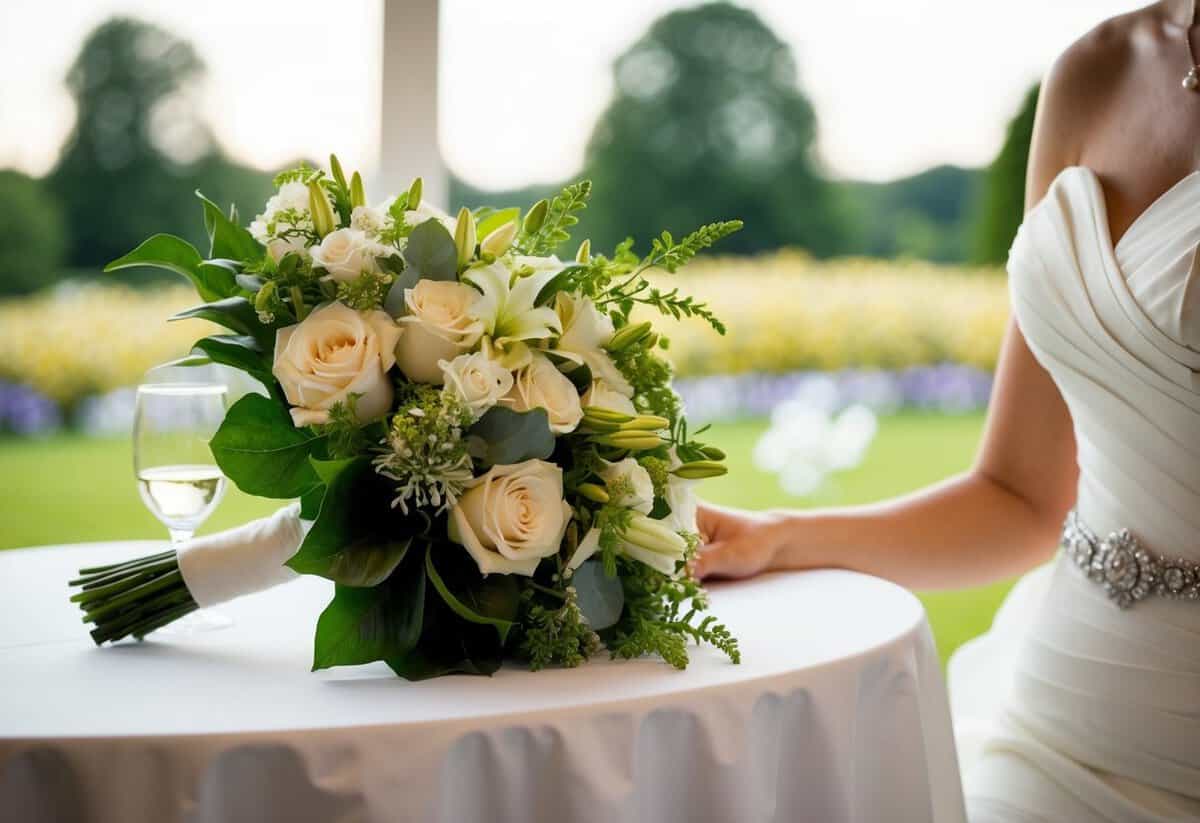
Traditionally, the groom stands on the opposite side with the best man next to him. Each person has their role, adding to the overall feeling of love and support during the wedding ceremony. You have the freedom to create your own arrangement based on personal preference, making it a reflection of your unique relationship and style.
As you plan your special day, think about the people who mean the most to you. The ones standing beside you will help create memorable moments as you celebrate your journey into marriage.
Roles in the Bridal Party
The roles within the bridal party are important for creating a memorable wedding experience. Each member has specific duties that help support the bride and contribute to the day’s success.
Maid of Honor and Matron of Honor
The maid of honor is usually the bride’s closest friend or relative. She takes on many responsibilities, such as planning the bridal shower and helping the bride with wedding details. If the maid of honor is married, she holds the title of matron of honor. Both roles are the highest honors in the bridal party and involve providing emotional support and keeping the bride organized throughout the planning process. They also stand beside the bride during the ceremony, holding important items like the bouquet.
Bridesmaids and Junior Bridesmaids
Bridesmaids are typically friends or family members who assist the bride. Their duties include helping select dresses and coordinating wedding-related events. Each bridesmaid contributes to the bride’s special day, whether through emotional support or organizational tasks.
Junior bridesmaids usually have a similar role but are younger, often around 9 to 14 years old. They can help with lighter tasks, such as carrying small bouquets or assisting younger guests, allowing them to feel included while still being age-appropriate.
The Role of Flower Girls and Ring Bearers
Flower girls and ring bearers add charm to the wedding ceremony. The flower girl, often a young relative, walks down the aisle before the bride, spreading flower petals. This delightful act enhances the ceremony’s beauty and creates a memorable moment.
The ring bearer, typically a young boy, carries the wedding rings in a small pillow or box. Their roles are symbolic and light-hearted, bringing joy to the event while allowing younger family members to participate in the wedding.
The Ceremony Procession
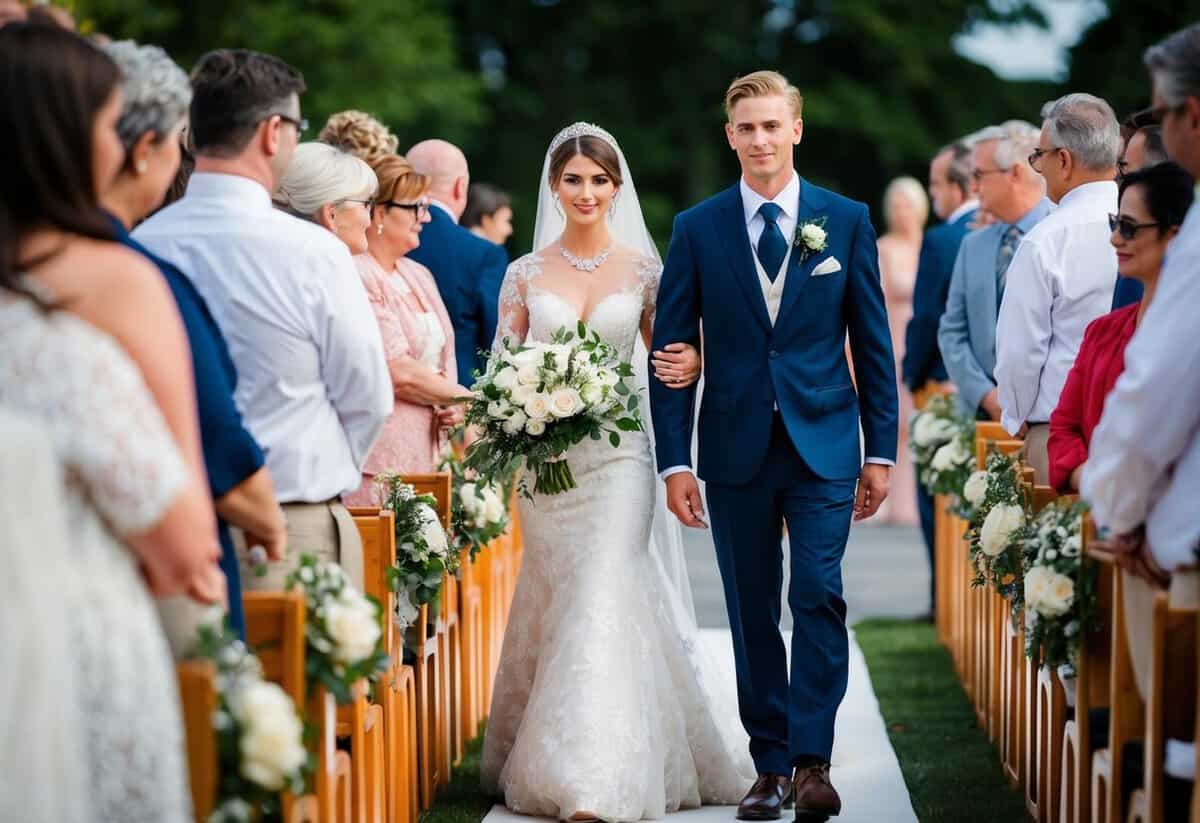
The ceremony procession sets the tone for the wedding and is a significant event as everyone takes their places. Understanding the order of the wedding processional and the positioning at the altar helps create a smooth and memorable experience.
Order of the Wedding Processional
In most weddings, the procession starts with the officiant entering first. This is often followed by grandparents, parents, and then the wedding party.
A typical order might look like this:
- Officiant
- Grandparents
- Parents (usually the bride’s parents first)
- Bridesmaids
- Groomsmen
- Maid of Honor
- Bride
Each participant plays an important role in creating a supportive atmosphere. The bridal party is there for emotional support and to help celebrate the couple’s journey.
Who Walks Down the Aisle First?
Typically, the wedding party begins the walk down the aisle before the bride makes her entrance. However, the maid of honor may walk after the bridesmaids, leading the way to the altar.
Brides often walk last, escorted by their parents. This moment is emotional and symbolizes the support of family as the bride transitions to this new chapter in her life.
For some couples, the bride may choose to skip the traditional escort and walk confidently on her own, which adds a personal touch to the occasion.
Positioning at the Altar
Once everyone is at the altar, positioning is important for the ceremony. The officiant stands in the center. The groom typically stands on the right side, with his best man beside him.
The bride stands on her left, with the maid of honor next to her. This arrangement not only provides balance but also allows the couple to face their guests easily.
Family dynamics can also influence positioning. For example, if parents are involved, they may be seated near the front. This setup ensures that everyone can feel the love and support in the air during the ceremony.
Cultural and Religious Considerations
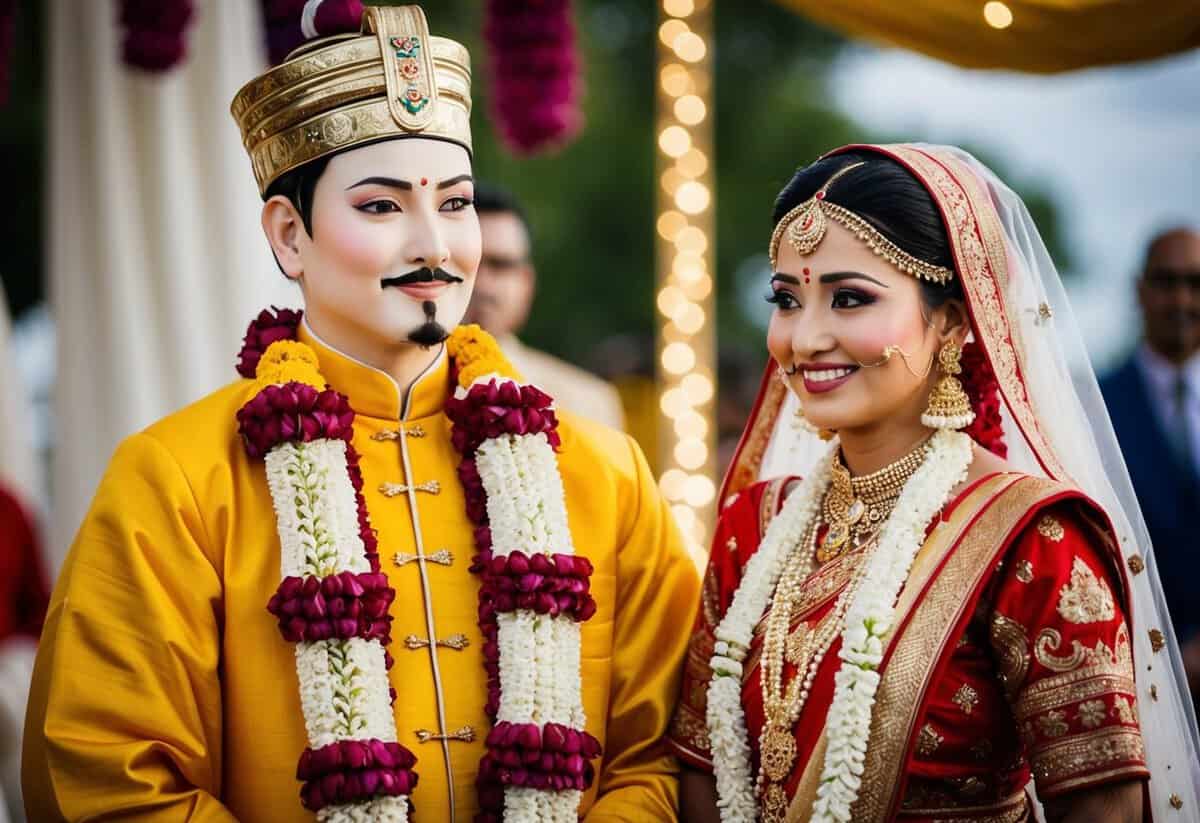
Different cultures and religions influence who stands next to the bride during a wedding. Customs reflect traditions and beliefs that are meaningful to each couple. Understanding these practices can help clarify the roles for everyone involved.
Christian Wedding Ceremony Traditions
In traditional Christian wedding ceremonies, the bride typically stands on the left side of the altar. This is because the groom is said to stand on the bride’s right, symbolizing that he is there to protect her. You will often see the maid of honor, who is usually a close friend or sister, standing beside the bride.
Other attendants like bridesmaids will line up with the bride as well. The best man stands next to the groom, usually on the groom’s right side. This arrangement highlights the support each partner has from their friends and family during the ceremony.
Jewish Wedding Practices
Jewish weddings have distinct traditions that set them apart from others. During a Jewish wedding ceremony, the bride stands on the right side of the chuppah, which is a ceremonial canopy. The groom stands on her left. This placement symbolizes the groom’s commitment to providing protection and support.
The chuppah itself is very significant, representing the couple’s home together. Also, the bride’s parents often stand under the chuppah while others may hold specific roles in the ceremony, enhancing the communal aspect of the celebration.
Hindu Wedding Rituals
In Hindu weddings, the bride usually stands on the groom’s right side. This positioning signifies her protective role over her husband. Family members play a critical role, and their involvement is essential in the rituals. The couple might participate in various ceremonies, where close family members stand nearby.
You will notice that during the Saptapadi, or seven steps, the bride and groom walk around a sacred fire together, further emphasizing their bond. Each tradition highlights the importance of family and community in supporting the couple through their marriage journey.
Wedding Day Details
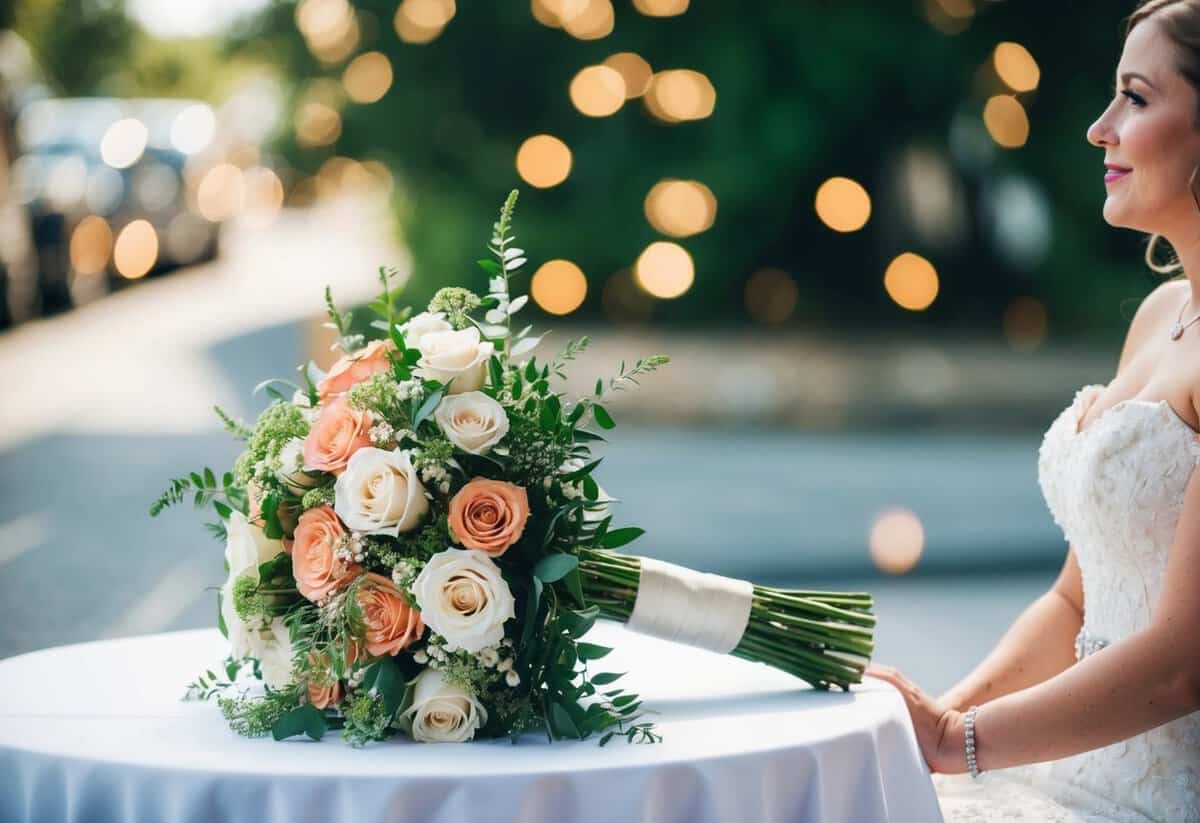
On your wedding day, several important details create a beautiful setting. You’ll want to consider attire, bouquets, and how everyone is seated for the ceremony. These aspects help make your day special and organized.
Attire and Bouquets
Choosing the right attire is key. As the bride, your dress will be the focal point, so pick one that complements your style. The maid of honor typically wears a dress that matches that of the bride but in a different color or style.
Don’t forget about bouquets! The maid of honor usually carries your bouquet during the ceremony. This role involves ensuring that you look your best. Sometimes the mother of the bride also has a special bouquet to represent her support.
Hairstyles also play a big role. Whether you opt for an elegant updo or loose curls, make sure it fits the overall theme of your wedding.
Seating Arrangements and Supporting Roles
The seating arrangement is crucial for a smooth ceremony. Traditionally, you’ll want the mother of the bride seated on your side and the parents of the groom on the opposite side. This layout allows both families to feel included.
When it comes to your good side, position yourself so that you face the guests. Make the bad side less visible. This thought helps in ensuring everyone can see your lovely smiles during the ceremony.
Your maid of honor and other attendants will support you in countless ways. From fluffing your dress to calming your nerves, they’re there to make the day easier. Their presence creates an atmosphere of love and support, making your wedding even more memorable.