
Who to Invite to a 50 Person Wedding? Tips for a Perfect Guest List
Planning a wedding can be a thrilling yet daunting task, especially when it comes to deciding who to invite. If you’re aiming for a cozy gathering with just 50 guests, it’s important to think carefully about your guest list.
A good approach is to split the guest list evenly between you and your partner. Then, invite close family and friends who will make the day special.
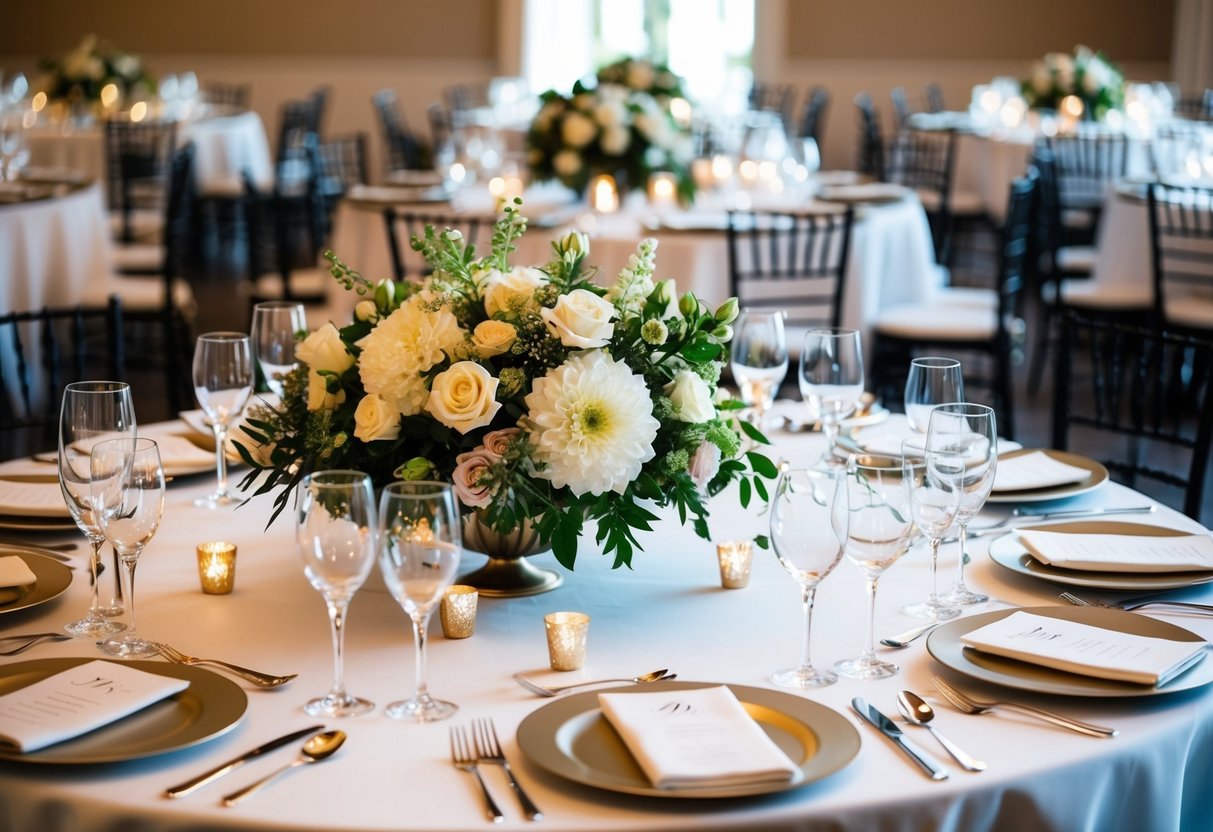
In an intimate wedding setting, each guest plays a crucial role in creating cherished memories. Consider inviting those who have been there for you through different stages of your life.
As the list grows, remember that the more people you invite, the larger the wedding becomes, which can lead to more expenses.
While you may feel pressure to include everyone, keep in mind that a small wedding allows for deeper connections and meaningful interactions. Think of the people who truly matter to you and your partner and let that guide your choices. This will help ensure your big day is not only enjoyable but also personal and memorable.
Understanding Your Wedding Scope
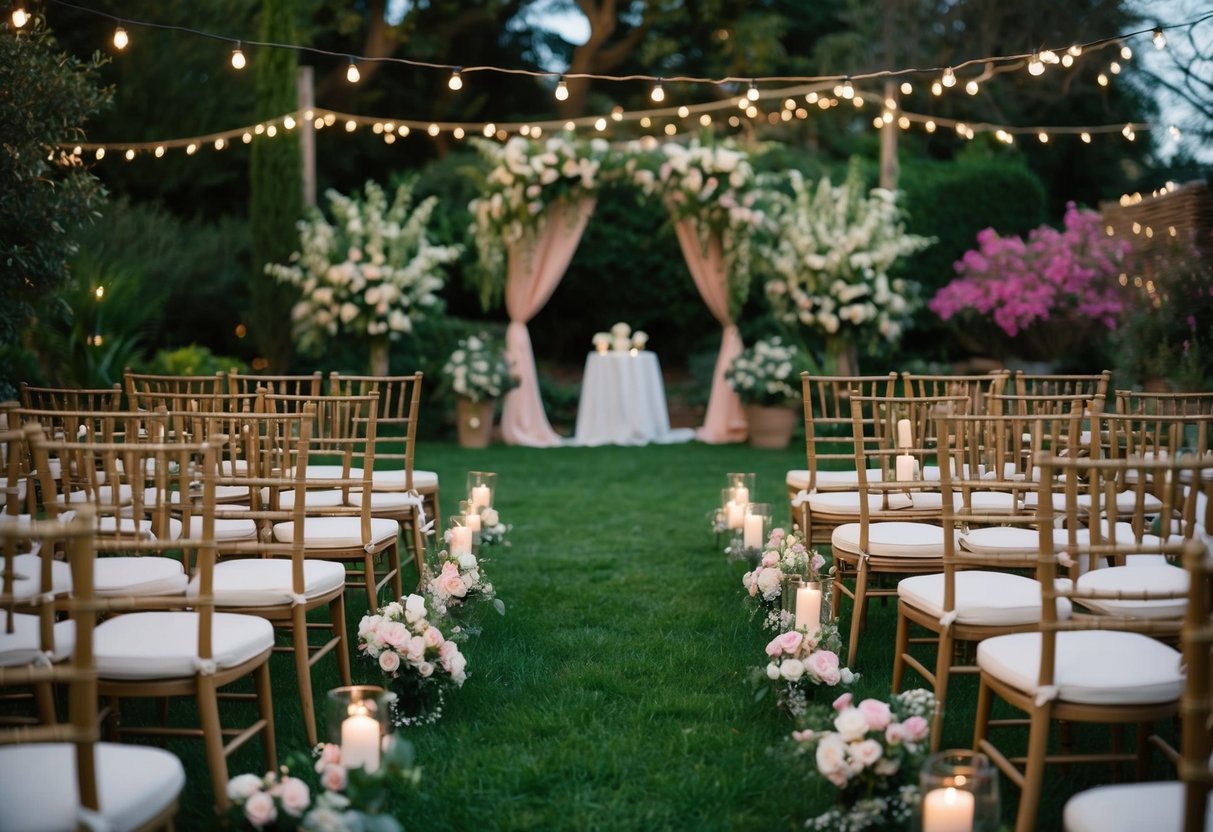
When planning a 50-person wedding, it’s important to consider several factors that shape the experience. The size, budget, venue capacity, and vibe all play essential roles in creating a memorable day.
Determining Your Wedding Size
First, think about what size feels right for your celebration. A 50-person wedding falls into the category of a small or micro wedding, allowing for a more intimate atmosphere.
Average wedding sizes vary, but many couples are opting for smaller gatherings. You should decide how many guests you truly want to share this special moment. This is often about including those who matter most in your life.
Consider creating a list that includes family and close friends. It’s helpful to keep the number manageable to foster connections and get to know your guests better.
Budget Considerations
Next, take a close look at your budget. The average cost of a wedding can be significant, depending on location and choices.
With a smaller guest list, you might save money on food and drinks, giving you flexibility in your budget.
Focus on the aspects most important to you, whether it’s a beautiful venue, gourmet food, or unique decorations. To stay on track, create a budget breakdown that includes venue costs, catering, and other essentials. This will guide you in making choices that align with your finances.
Wedding Venue Capacity
The venue you choose should comfortably accommodate your guest list. Venue capacity is crucial when you’re planning a wedding for 50 people.
Look for spaces that offer a cozy yet spacious feel. Many smaller venues are perfect for intimate gatherings, enhancing your wedding vibe.
As you tour potential venues, think about how they’ll suit your style. Whether it’s a backyard, a unique event space, or a quaint barn, make your choice align with the atmosphere you want to create.
Wedding Vibe and Style
Finally, consider the vibe and style of your wedding. This is where your personality can shine through and create the atmosphere you want.
Are you aiming for a formal setting, a casual gathering, or something quirky? Each choice will influence your theme, decorations, and even your guest list.
For example, if you want a romantic evening, your venue, lighting, and seating arrangements should reflect that. Keep in mind that a smaller guest list allows for more personal touches, like handwritten thank-you notes or custom favors that resonate with your loved ones.
Crafting Your Guest List

Creating your guest list is crucial when planning a wedding with a limited number of guests. You want to balance honoring close relationships while staying within your venue’s capacity and budget. Here’s how to approach this task thoughtfully.
Immediate Family and Best Friends
Start by listing your immediate family. This typically includes parents, siblings, and grandparents. For a wedding of 50 people, it’s essential to keep this group close since family often forms the heart of the celebration.
Next, think about your best friends. These are the people who have been there for you through thick and thin. Including them will add joy and warmth to your big day.
Remember, you can have a mix of friends from different stages of your life, ensuring that your guest list feels personal and meaningful.
Determining Plus-Ones
Deciding on plus-ones can be tricky. A good rule is to offer them to guests who are in serious relationships. This shows you value their partnership and want them to celebrate together.
For singles or acquaintances, you can consider whether inviting a date aligns with your vision for the wedding. If the person isn’t close to you or your partner, it’s okay to skip the plus-one.
Keep in mind that each additional guest influences your total number, especially in a limited guest scenario.
Acquaintances and Colleagues
When thinking about acquaintances, ask yourself if they play a significant role in your life. Colleagues may fall into this category too. If inviting them feels more like obligation than desire, it might be best to leave them off the list.
You want your day to be filled with people who genuinely support and care about you. If you have a small office, consider inviting just a few who have been particularly supportive. This keeps your gathering intimate and meaningful.
Special Considerations for Destination Weddings
Destination weddings require extra thought when crafting your list. Guests who have to travel may tweak who you feel comfortable inviting. Be mindful of costs — not all friends and family can make a trip.
Consider how to communicate the details clearly. Providing information about accommodations and travel tips can help your loved ones feel more at ease about attending.
Ensure that your guest list aligns with the unique aspects of a destination venue, so everyone shares in the joy without financial strain.
Invitation and RSVP Management
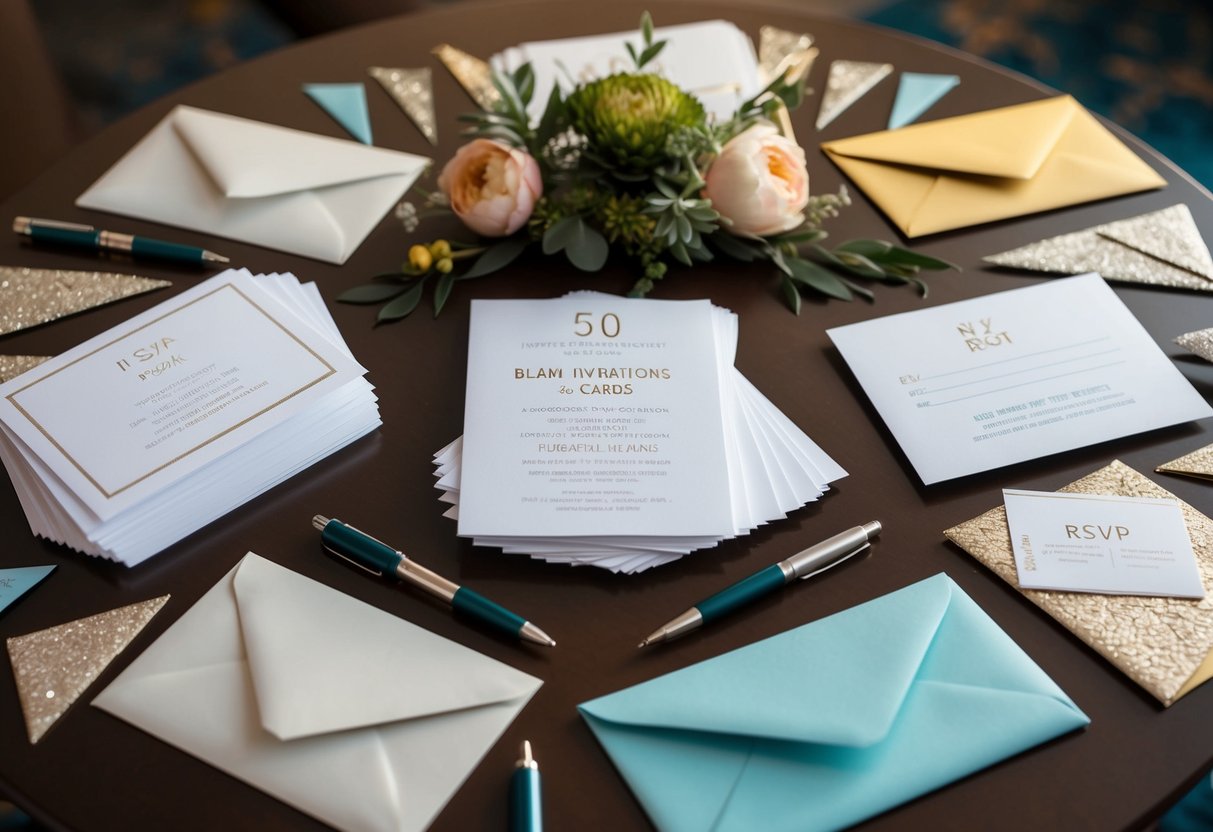
Managing your wedding invitations and RSVPs is important for a smooth event. You’ll want to ensure your guests receive their invites on time and can respond easily. Keeping track of who’s coming helps with planning seating and catering.
Sending Out Invitations
When you send out your wedding invitations, give yourself enough time for guests to receive and respond. Aim to send them out about 6-8 weeks before the wedding date.
Tip: Consider sending out save-the-dates earlier, especially if you have guests traveling from afar.
Make your invitations clear and informative. Include details like the venue, date, time, and RSVP instructions.
You might choose traditional paper invitations or opt for digital ones, which can be a quicker choice.
Managing RSVPs
Tracking RSVPs is crucial for planning. Create a list to monitor who has replied. You might receive a mix of “yes,” “no,” and “maybe.” This will help you estimate your final guest count.
Use an online RSVP system if you prefer a tech-friendly method. This allows guests to respond easily and helps you keep everything organized.
Remember to follow up with anyone who hasn’t replied as the date approaches.
Average Cost Per Guest
The average cost per guest for a wedding can vary widely based on your location and choices. Generally, you can expect to pay between $100 to $300 per guest.
This cost includes food, drinks, venue, and other expenses. Knowing this can help you decide how many people to invite.
To manage your budget, think about your guest list. Prioritize family and close friends, and don’t feel pressured to invite everyone you know.