
Who Toasts at Rehearsal? A Guide to Wedding Practices
When planning your wedding rehearsal dinner, you might wonder who should be the ones to give toasts. Typically, the parents of the bride and groom are the main speakers at the rehearsal dinner. This special event is a great opportunity for family and friends to express their love and excitement for the happy couple in a more casual setting than the wedding day.
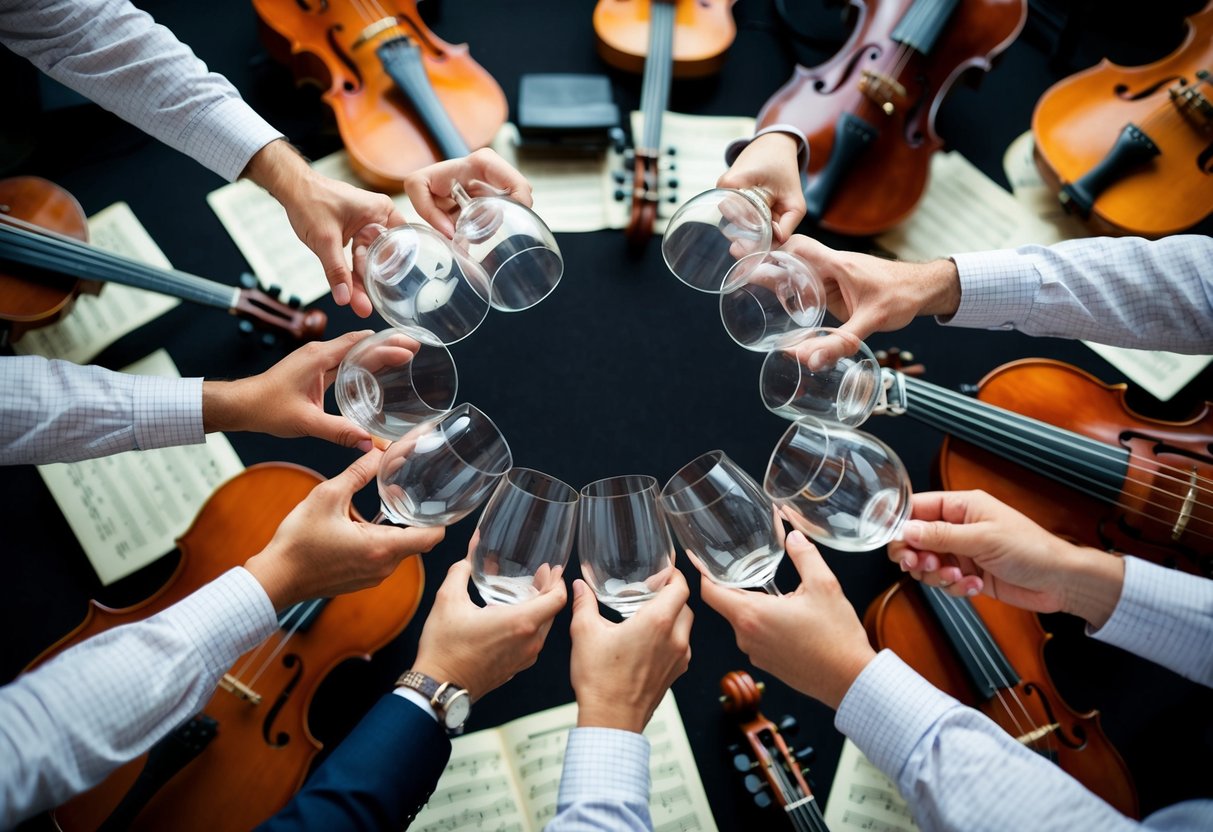
Besides the parents, other important guests often include the best man and maid of honor, who can share stories and well wishes. Friends and relatives may also take a turn at the mic, adding to the heartfelt atmosphere. As you navigate your wedding planning, remembering these key roles can help set the stage for a memorable evening that honors your journey together.
Having a clear idea of who gives toasts will make your rehearsal dinner flow smoothly. It’s all about celebrating love and connection, so encourage warm, friendly speeches that reflect the joy of the occasion.
The Art of Rehearsal Dinner Toasts
Creating a meaningful toast at a rehearsal dinner adds a personal touch to the celebration. This section discusses the tradition behind rehearsal dinner toasts and how they differ from wedding toasts.
Understanding the Tradition
Rehearsal dinner toasts are a cherished tradition in wedding celebrations. They usually take place after the rehearsal, bringing together family and friends of the couple.
The host, often a family member or close friend, kicks things off with a warm welcome. Following this, various guests may take turns sharing their thoughts. The goal is to honor the couple and reflect on shared moments.
A memorable toast often mixes humor and heartfelt sentiments. It’s your chance to show appreciation and create a lasting impression. Keep it casual and enjoyable, as the atmosphere is usually lighter than that of the wedding itself.
Differences Between Rehearsal Dinner and Wedding Toasts
Rehearsal dinner speeches differ significantly from wedding toasts, primarily in tone and structure. While wedding toasts tend to be more formal, rehearsal dinners encourage spontaneity. You might share funny anecdotes or heartfelt messages that might feel out of place at the wedding.
Typically, rehearsal toasts can last from three to five minutes, giving you slightly more flexibility. You can include more personal stories and jokes, which can make the couple laugh and feel connected to their guests.
Think of this as an opportunity to strengthen bonds and create a joyful atmosphere. Embrace the lighter mood and aim for a balance of fun and sincerity. This toast is about celebrating love and friendship, making it a special moment for everyone involved.
Roles and Responsibilities

Understanding who takes on specific roles during toasts at the rehearsal dinner can help create a smooth and memorable experience. Each participant has a unique responsibility, contributing to the celebration’s joy and significance.
Who Typically Speaks
At a rehearsal dinner, several key people are expected to give toasts. Usually, the groom’s parents have the honor of starting the speeches, with the father of the groom leading the way. He typically welcomes guests and offers a toast to the couple. Following him, the father of the bride may also speak, usually expressing gratitude to everyone for attending and sharing in the occasion.
The maid of honor also plays a significant role. She often shares a heartfelt toast that highlights her close relationship with the bride. Other family members and close friends may also contribute, making it a time for everyone to express their love and support.
Host’s Welcome
The host of the rehearsal dinner usually has the first responsibility. This is commonly the father of the groom, who welcomes everyone to the event. He sets the tone for the evening by expressing gratitude to the guests for their support and participation in the wedding.
This welcome is not only about acknowledging the presence of family and friends but also about highlighting the importance of the gathering. It’s a chance to thank the bride’s parents if they are involved in hosting the wedding’s main celebration. A warm and inviting welcome encourages guests to feel comfortable and engaged throughout the event.
Order of Toasts
The order of toasts is important for flow and structure. Typically, after the host’s welcome, the father of the bride offers his toast. This is followed by the best man, who often shares funny or heartfelt stories about the groom. The maid of honor gives her toast next, focusing on her bond with the bride.
Lastly, the couple may have a chance to thank everyone for attending. This can wrap up the speeches nicely, making everyone feel included. Keeping a thoughtful order of speeches ensures that each toast resonates and adds to the collective joy of the occasion.
Crafting Your Toast
Creating a memorable toast for the rehearsal dinner is all about sharing meaningful moments, connecting with your audience, and adding a touch of warmth.
Incorporating Personal Stories
Personal stories make your toast relatable and engaging. Reflect on your experiences with the couple. Think about fun memories or touching moments you’ve shared.
For instance, you might recall when you first met them or a funny mishap during their engagement. Keep your anecdotes light and entertaining, ensuring they resonate with everyone present.
Remember, it’s important to strike a balance. If a story is too lengthy, it might lose the audience’s attention. Aim for a story that showcases your connection while remaining concise.
Engagement and Wedding Anecdotes
Including engagement and wedding anecdotes adds a personal touch. You can share how the couple’s love story blossomed.
Did you witness a special moment during their engagement? This could be the perfect spot to insert that heartfelt detail. Remember to highlight their unique traits, like how they complement each other.
You might also mention a light-hearted incident from the wedding planning to add humor. This not only keeps the vibe warm but also connects the audience to the couple’s journey.
Heartfelt Messages and Words of Wisdom
Heartfelt messages can resonate deeply during your toast. Think about what you admire most about the couple. If you have any advice or wisdom to share, this can be a lovely addition.
Create a moment of sincerity, like encouraging the couple to cherish one another. Simple, genuine phrases can often leave a lasting impression.
Using quotes or personalized messages can amplify the emotional impact. Remember, it’s about celebrating love while giving the couple meaningful, memorable words to hold onto in their journey ahead.
Rehearsal Dinner Toast Etiquette
Making a toast at a rehearsal dinner is a special moment. Knowing how to navigate this can make your speech memorable and enjoyable for everyone involved. Focus on timing, tips for speaking in public, and handling emotional moments gracefully.
Timing and Length
When you give a toast at the rehearsal dinner, aim for around 2 to 5 minutes. This keeps the attention of your guests without dragging on. Start your toast after everyone has had a chance to eat or drink a bit.
Make sure to be mindful of the schedule. If there are multiple toasts, consider how long each person will speak. Keep your points clear and concise to make it easy for guests to follow along.
Public Speaking Tips
Feeling nervous about speaking in front of a crowd is perfectly normal. To calm your nerves, practice your speech several times before the event. Rehearsing allows you to catch any awkward moments and adjust them.
Focus on speaking slowly and clearly. This helps everyone understand your words. Make eye contact with the couple and the audience to create a connection. Using humor can also lighten the mood, just ensure it’s appropriate for the occasion.
Navigating Emotional Moments
A rehearsal dinner can bring up strong feelings, especially when reflecting on the couple’s journey. If you feel emotional, it’s okay to pause and take a breath.
Share a personal story that highlights the couple’s relationship. This makes your toast more relatable and heartfelt. Still, be cautious not to delve into overly sentimental territory. Aim for a balance that makes everyone feel included without making anyone uncomfortable.