
Who Traditionally Gets Flowers at a Wedding? A Guide to Bridal Traditions
When it comes to weddings, flowers play a key role in adding beauty and meaning to the day. Traditionally, the wedding ceremony gives flowers to the bride, her bridal party, and close family members. This custom not only enhances the decor but also shows appreciation for the important people in your life.
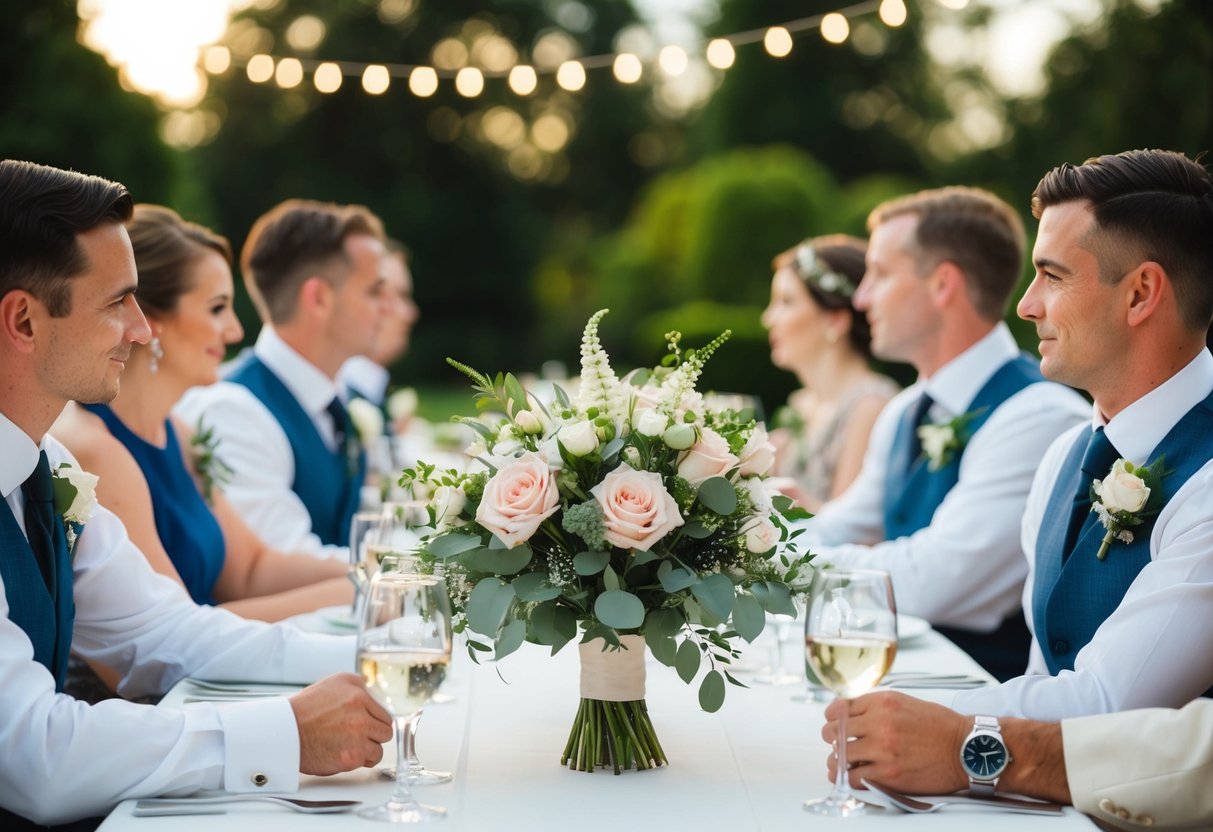
The bride usually carries a stunning bouquet, while bridesmaids often have their own floral arrangements. Floral gifts may also extend to parents and special guests, honoring their support and presence on this special day. These little touches of flowers reflect the joy and love that weddings celebrate.
Whether you’re planning your own wedding or attending one, understanding who traditionally receives flowers can help you appreciate this beautiful aspect of the ceremony. You might even want to think about how you will honor those special to you with flowers on such an important occasion.
Key Recipients of Wedding Flowers
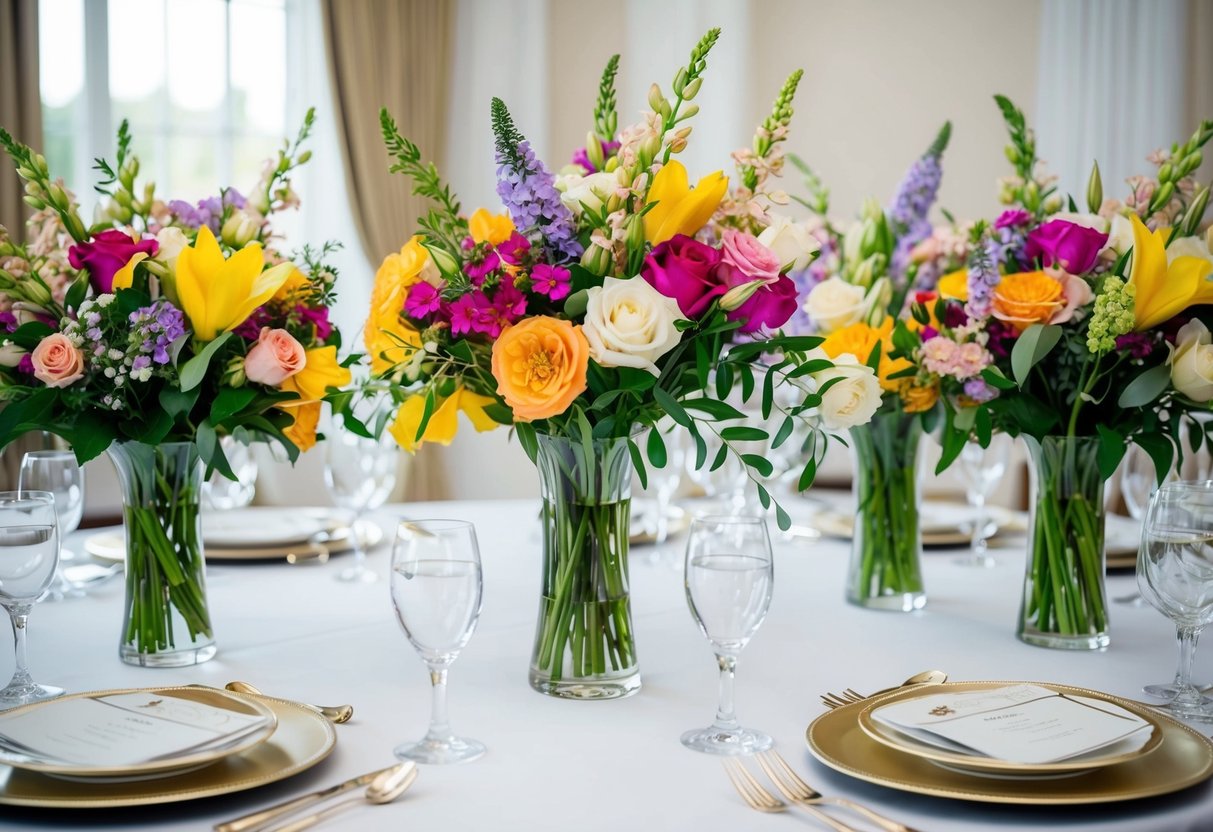
Flowers play a special role in weddings, marking significant relationships and moments during the ceremony. Here’s a closer look at the traditional key recipients of wedding flowers and their importance.
Bride and Groom
The bride and groom are the main stars of the day, and their flowers reflect that. The bride typically carries a beautiful bridal bouquet made of various flowers that match the wedding theme. This bouquet can be a mix of colors and types, symbolizing love and beauty.
The groom often wears a boutonniere, which is a small flower or cluster of flowers pinned to his suit. This flower usually complements the bride’s bouquet, creating a lovely connection between the two. Together, their flowers mark the start of their new life as a married couple.
Bridesmaids and Groomsmen
Bridesmaids play a big role in supporting the bride, and their flowers are just as important. Each bridesmaid typically carries a smaller bouquet that mirrors the bride’s bouquet. This choice helps create harmony in the entire wedding party while signaling their supportive role.
On the other hand, groomsmen wear boutonnieres that match the groom’s. These floral accents add a formal touch to their attire and distinguish them as part of the wedding party. Bridesmaids’ and groomsmen’s flowers often share elements with the couple’s flowers to tie everything together beautifully.
Flower Girls and Ring Bearers
Flower girls have a special role in the wedding ceremony, often scattering petals as they walk down the aisle. They usually carry a small bouquet or a floral basket, adding charm and innocence to the event. This simple touch enhances the beauty of the ceremony.
Ring bearers, though typically not associated with flowers, can also wear boutonnieres. This small gesture helps include them in the wedding’s floral theme, making them feel special in their important role. Both of these little ones bring joy and a lighthearted spirit to the celebration.
Mothers and Fathers of the Couple
The parents of the couple receive special recognition with flowers as well. Mothers of the bride and groom often wear corsages, which are small floral arrangements pinned to their dresses. These flowers honor their roles and contributions to the wedding and can be customized to match their outfits.
Fathers may also wear boutonnieres that reflect the wedding’s color scheme. This thoughtful touch acknowledges their support and presence on this significant day. Including parents in the floral arrangements celebrates their love and support for their children.
Officiant
The officiant plays a vital role in the ceremony by uniting the couple. To acknowledge their importance, it is customary for the officiant to receive a boutonniere as well. This small flower can reflect the wedding’s theme and color palette, making them feel included in the celebration.
Giving flowers to the officiant is a nice gesture that shows gratitude for their part in the ceremony. It helps set a joyful tone for the occasion and acknowledges the significance of their role in this important moment in your life.
Types of Wedding Floral Items
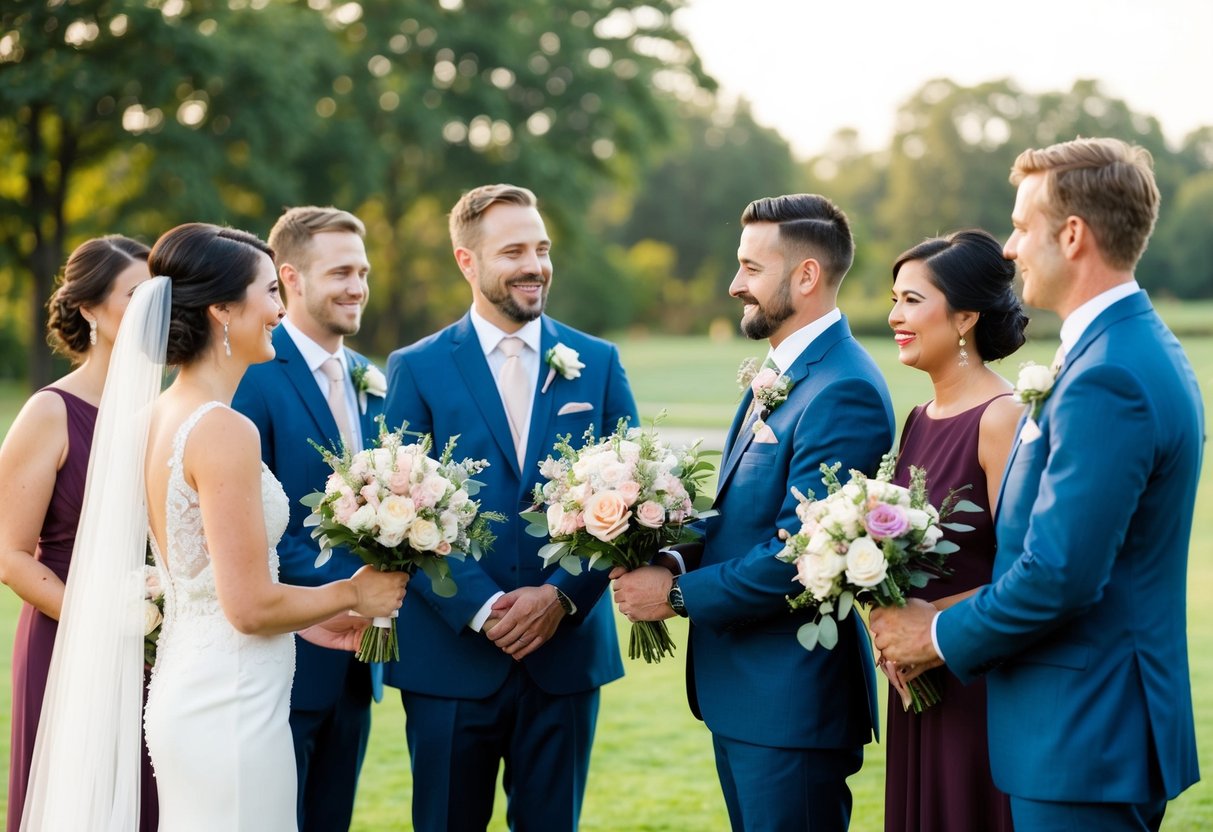
Flowers play a significant role in weddings, adding beauty and meaning to each part of the ceremony and celebration. You’ll find different types of floral items that enhance the personal touch, decorate the ceremony, and brighten the reception.
Personal Flowers
Personal flowers are designed for the individuals directly involved in the wedding. This includes items like bouquets, boutonnieres, and wrist corsages.
-
Bouquets: The bridal bouquet is often the centerpiece of personal flowers. It is customized to match the wedding theme.
-
Boutonniere: This is a small floral arrangement worn by the groom and other male members. It typically complements the bridal bouquet.
-
Corsages: Usually worn by mothers or grandmothers, corsages can be pinned to clothing or worn on a wrist as a wrist corsage. They bring elegance and are often made with small blooms.
Personal flowers allow you to honor special people while tying in the wedding’s color scheme.
Ceremonial Flowers
Ceremonial flowers are used during the wedding ceremony to enhance the venue’s decor. These floral items can create an inviting atmosphere.
-
Altar Arrangements: Large floral displays are placed at the altar or ceremony site, providing a focal point.
-
Floral Arches: Many couples choose to have a floral arch where they exchange vows. This can be made from a variety of flowers and greenery.
-
Floral Crowns: Worn by brides or flower girls, floral crowns are popular choices for a whimsical touch. They can include fresh flowers, leaves, or even baby’s breath.
These flowers set the mood and bring life to the ceremony space.
Reception Flowers
Reception flowers serve to beautify the celebration after the vows. They include centerpieces and decorative arrangements.
-
Table Centerpieces: These arrangements can vary in size and style. They often reflect the couple’s theme and color choices.
-
Floral Collars: Used to dress up chairs or table settings, floral collars are a stylish addition that ties in with the overall decor.
-
Hair Flowers: For a charming touch, consider adding flowers to your hair. They can be placed in an updo or worn casually, enhancing your bridal look.
Using these floral items at the reception can create a festive atmosphere that the guests will enjoy.
Considerations for Choosing Wedding Flowers
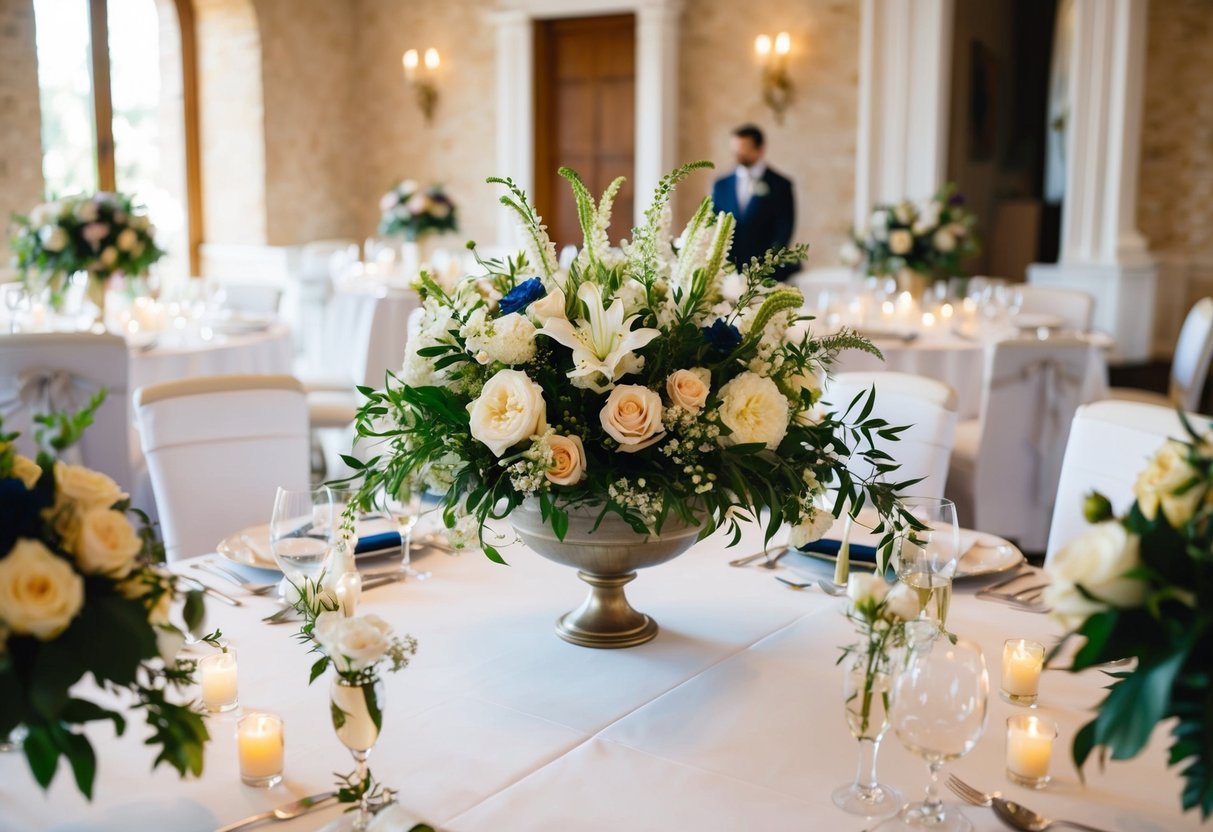
When planning your wedding flowers, it’s essential to keep in mind several key factors that will guide your choices. These include your wedding theme and season, budget, and any cultural or family traditions that might influence your decisions.
Wedding Theme and Season
Your wedding theme sets the tone for the entire event. Choose flowers that complement your theme.
For example, if you’re planning a rustic wedding, consider wildflowers or sunflowers for a charming touch.
The season also plays a crucial role. Certain flowers bloom only at specific times of the year.
In spring, options like tulips and daffodils are popular. In summer, you might lean towards roses or peonies.
Pay attention to color palettes too. Make sure your flowers harmonize with your wedding colors for a cohesive look. Using appropriate flower arrangements enhances the overall beauty of your wedding.
Wedding Budget
Your budget is a major factor in planning for wedding flowers. Flowers can vary widely in cost depending on the type and season.
Start by setting a clear budget for your floral arrangements.
Prioritize which arrangements are most important, such as bridal bouquets, bridesmaid flowers, and family flowers.
Consider using a mix of high and low-cost flowers. For instance, pair pricier blooms with affordable greenery to keep costs down.
Don’t forget about additional items like corsages and boutonnieres. Planning these costs upfront will help you stay within your budget while still creating stunning floral displays.
Cultural and Family Traditions
Your flower selection can be significantly impacted by family traditions. Specific flowers that hold symbolic meanings are present in many cultures. For example, some might incorporate jasmine for love or lily-of-the-valley for purity.
You can honor these traditions by including specific flowers or arrangements. This will add personal significance to your wedding.
You may also want to consider who receives flowers. Beyond the bride and bridesmaids, think about family members like parents or grandparents. Including them can enhance emotional connections on this special day.