
Who Traditionally Organises a Wedding? A Guide to Wedding Planning Roles
Many people wonder who takes charge of the organization when it comes to weddings. Traditionally, the bride’s family was responsible for planning and funding the wedding. This practice has evolved, and now it’s common for both the bride and groom, along with their families, to share these responsibilities.
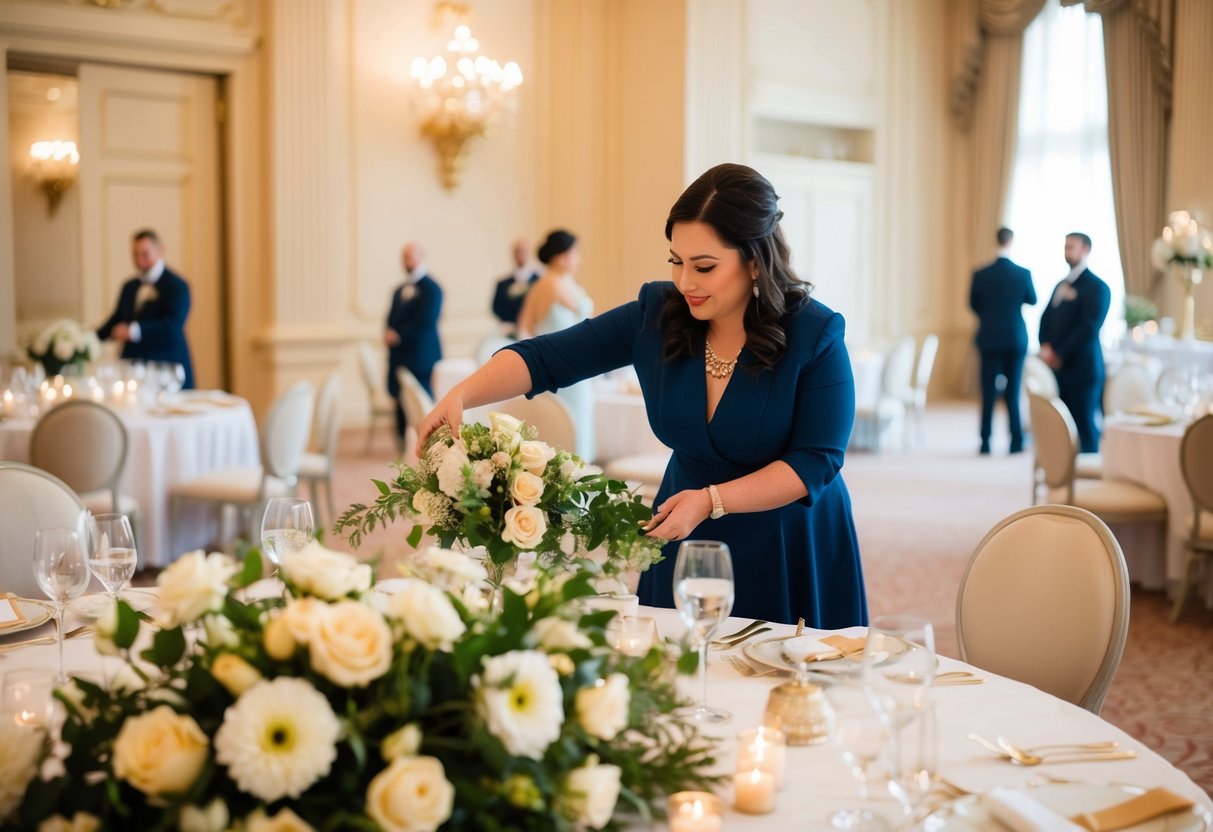
As you start your wedding planning journey, you’ll find that the task often involves collaboration. You may organize everything from the venue to the guest list, while also seeking input from your partner and loved ones. Understanding the roles of family and friends can ease much of the stress that comes with planning your big day.
In today’s world, it’s all about teamwork. You and your partner can decide how to divide the tasks based on your strengths and preferences. This approach not only makes the planning process smoother but also helps you both feel equally involved in creating a day that reflects your unique love story.
Understanding Wedding Roles and Responsibilities
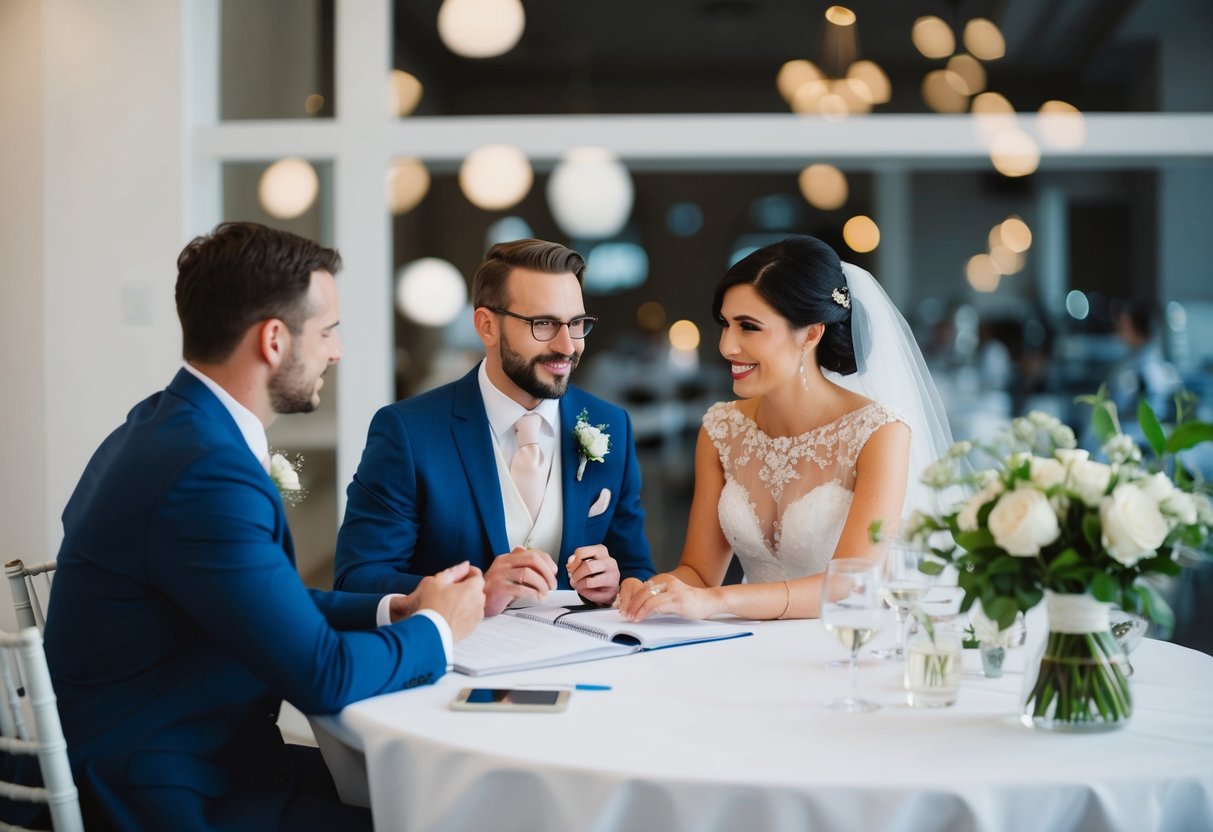
Weddings involve many people with specific roles to ensure everything runs smoothly. Knowing the key figures and their responsibilities can help you plan your special day with confidence.
Key Figures in the Wedding
The most important people in a wedding are the bride and groom. They lead the planning and make crucial decisions to reflect their style and preferences.
Alongside them is the officiant, who performs the ceremony. Parents, especially the father of the bride and the mother of the bride, traditionally play significant roles, often assisting with planning and finances.
The wedding party includes bridesmaids and groomsmen, who support the couple and help with various tasks. Other key figures might include a flower girl and ring bearer, adding a touch of charm to the ceremony.
Bridal Party Responsibilities
The bridal party consists mainly of the maid of honor, bridesmaids, and the bride. The maid of honor supports the bride in many ways, from planning the bridal shower to helping with fittings.
Bridesmaids assist with planning and attend to the bride’s needs, ensuring she feels loved and supported. They may help organize the guest list and run errands leading up to the wedding.
The mother of the bride often helps in selecting the gown and coordinating details. The bridal party keeps the bride calm and happy throughout the planning process.
Groom’s Party Commitments
The groom’s party mostly includes the best man and groomsmen. The best man plays a key role, often coordinating the bachelor party and supporting the groom during the ceremony.
Groomsmen assist with various tasks, like helping with venues and vendor communication. They also provide support to the groom, ensuring he is ready for the big day.
Additionally, the father of the groom and mother of the groom often take part in planning, assisting with finances, and providing emotional support throughout the engagement and wedding preparations.
Pre-Wedding Activities and Events
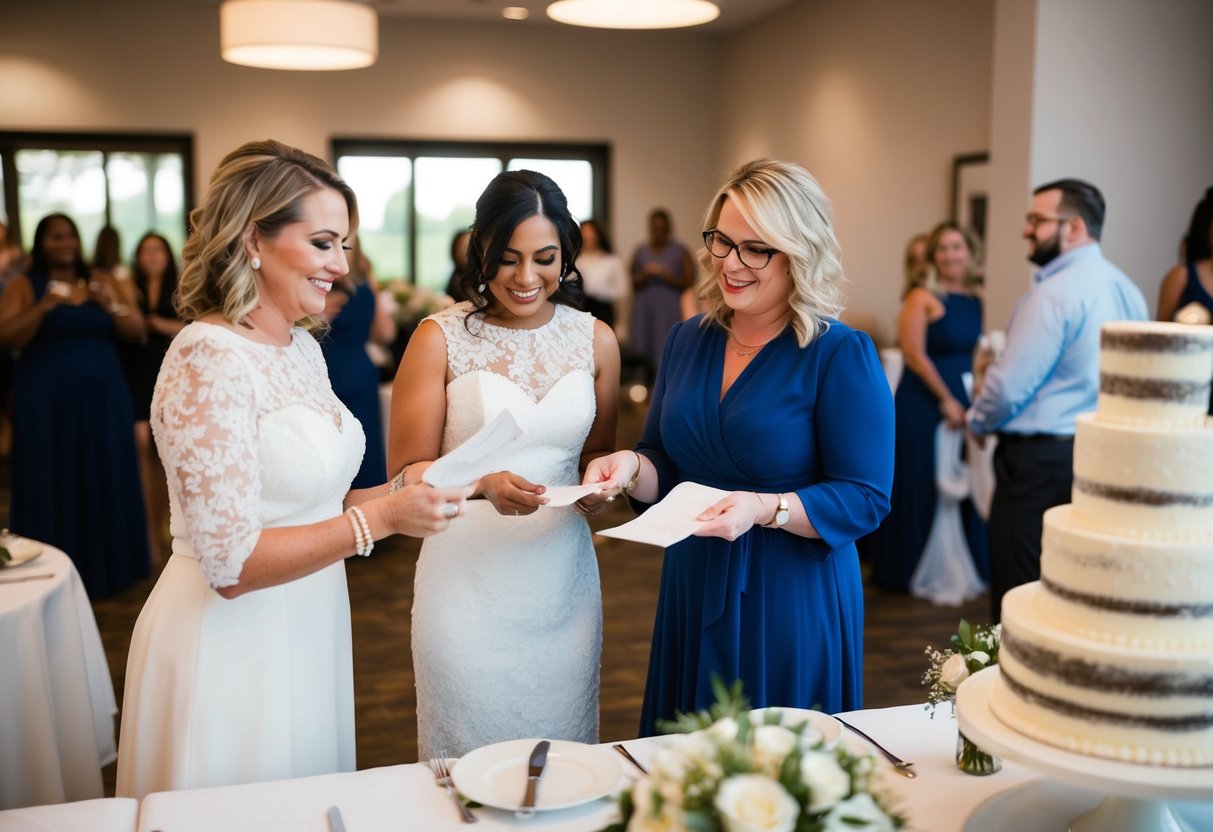
Pre-wedding activities set the tone for your upcoming wedding and create memorable moments with loved ones. These events range from parties to planning the details that lead up to your special day.
Engagement and Pre-Wedding Parties
The engagement party is often the first celebration. It marks your new commitment. This intimate gathering includes family and close friends, giving everyone a chance to celebrate together.
Other important pre-wedding parties include the bridal shower, where guests “shower” the bride with gifts and support. The bachelorette party or hen party is a fun outing for the bride and her close friends. It’s a time to relax and enjoy each other’s company before the big day.
The bachelor party is a similar celebration for the groom, often organized by his friends. Each event plays a role in building excitement and connection between you and your loved ones.
Planning and Preparation Stages
Planning involves multiple steps to ensure everything runs smoothly. Start with creating a timeline. This helps in organizing events like the rehearsal dinner and ensuring you’re ready for your wedding day.
You should also make checklists for every party or event. For example, note down who you want to invite, what food to serve, and the venue details. Engage your family and friends in this process. Their support can lighten your load and add a personal touch to each gathering.
Don’t forget to assign specific tasks to trusted friends or family members. This way, you can focus on enjoying the moment and creating lasting memories.
Attire Selection and Fittings
Choosing your wedding attire is an exciting part of the process. Start with wedding dress shopping. Look for styles that fit your personality and theme. Bring along a few close friends or family members for their opinions during your search.
After finding the perfect dress, schedule dress fittings. These ensure your gown fits perfectly on your wedding day. Typically, you’ll have multiple fittings. They give you a chance to adjust the design to meet your preferences.
Groom’s attire is also important. Discuss options with your partner. You want to coordinate styles and colors for a unified look on your big day.
The Wedding Ceremony and Reception
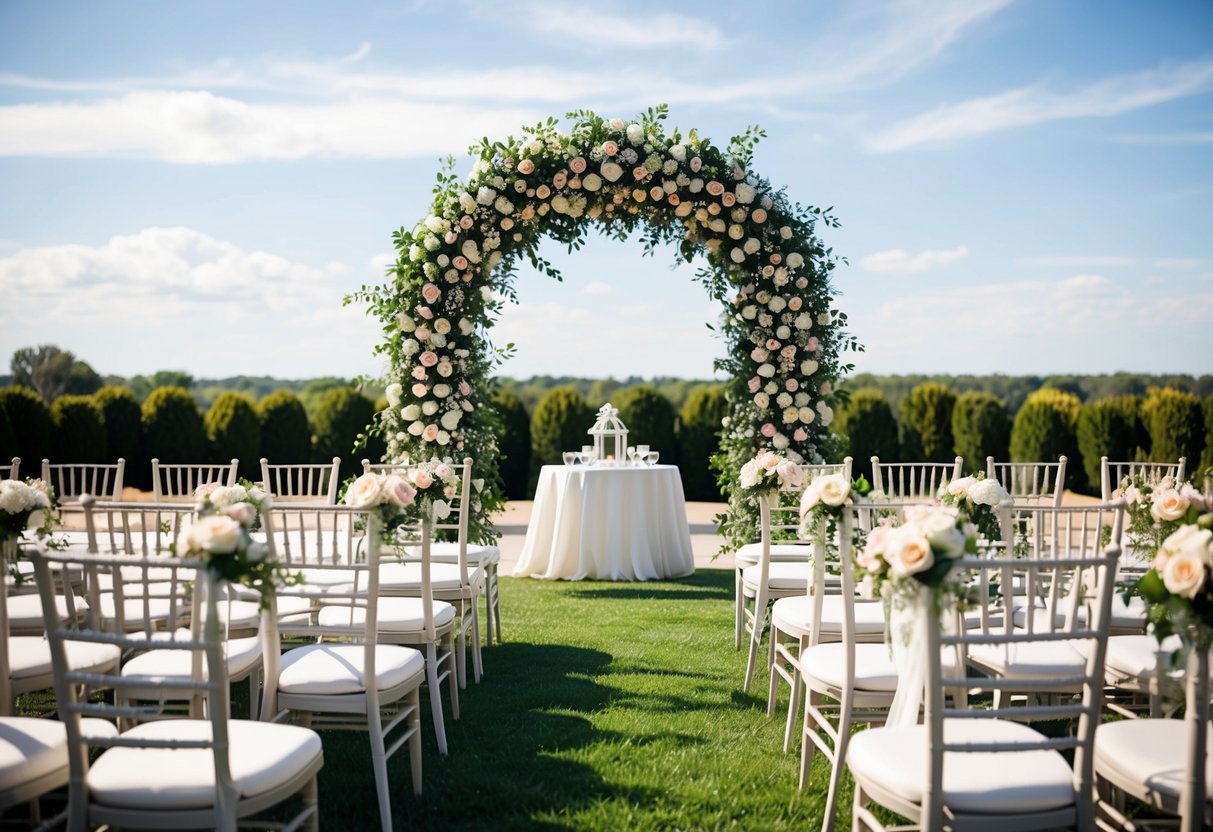
A wedding is a beautiful celebration that consists of two key parts: the ceremony and the reception. Each part plays a significant role in making your big day memorable. Here’s what you need to know about planning these essential events.
Ceremony Planning and Execution
The wedding ceremony is where you and your partner formally unite. It often requires careful planning to ensure everything runs smoothly. You will need to decide on the venue, which could be a church, garden, or another special location.
Make sure to obtain your marriage license beforehand. This document is vital for a legal marriage. You’ll want to create an outline for the ceremony, including how the wedding procession flows. A master of ceremonies can help keep everything organized.
Choosing wedding bands is another important task. You might want to include personal vows, readings, or specific rituals based on your traditions. Whether it’s lighting a unity candle or saying some heartfelt words, make it uniquely yours.
Celebrating the Union: The Reception
After the ceremony, you celebrate at the reception. This event is all about having fun with your friends and family. You’ll need to create a guest list, which helps in planning the seating arrangements and catering.
Consider serving food and drinks that you both love. Many receptions feature a grand entrance for the couple, followed by a first dance. You may want to include speeches and a wedding cake cutting too.
Don’t forget special touches, like confetti or party favors to thank your guests. A wedding reception is a great opportunity for everyone to relax and rejoice in your love.
Post-Wedding Traditions
After your celebration, there are some lovely post-wedding traditions you might enjoy. Sending thank-you notes is a thoughtful way to show appreciation to your guests for their gifts and support.
Also, consider creating a wedding album or scrapbook filled with photos from both the ceremony and reception. This keepsake will help you cherish those memories for years to come.
Some couples also choose to celebrate anniversaries in special ways, reinforcing their commitment. Whether you stick with tradition or create new ones, make your journey together meaningful and personal.
Behind the Scenes: Organizational Details

Planning a wedding involves many behind-the-scenes details that ensure everything runs smoothly. It’s not only about choosing the dress or the venue. Administrative tasks and emotional support are key to making your day special.
Administrative Tasks and Support
As you begin wedding preparations, a lot of organizational work takes place. A wedding planner can be your best ally here. They handle tasks like budgeting, scheduling, and vendor coordination.
Consider making a checklist of essential details:
- Venue selection
- Guest list management
- Vendor contracts (e.g., photographers, florists)
Be sure to communicate with your wedding planner about your vision. This includes your desired wedding attire and the types of flowers, like beautiful bouquets or decorative petals. Staying organized will help keep stress levels down as the big day approaches.
Emotional Support and Guidance
Planning a wedding can be an emotional journey. You need support from family and friends. They can offer guidance on decisions about wedding attire and help with the guest list.
Your friends can also step in as page boys and junior bridesmaids, adding a personal touch to your ceremony. Emotional support is crucial, especially during stressful moments. Lean on loved ones for advice and reassurance as you choose decorations and plan for every detail. Their encouragement will help make your wedding a joyful celebration.