
Who Traditionally Pays for the Wedding Food? Understanding the Customary Arrangements
When planning your wedding, understanding who covers the costs can help ease some stress, especially regarding food. Traditionally, the bride’s family is responsible for paying for the wedding food. This often includes the catering for the reception and sometimes even the rehearsal dinner. Knowing this can help guide your budget and help facilitate discussions with family members.
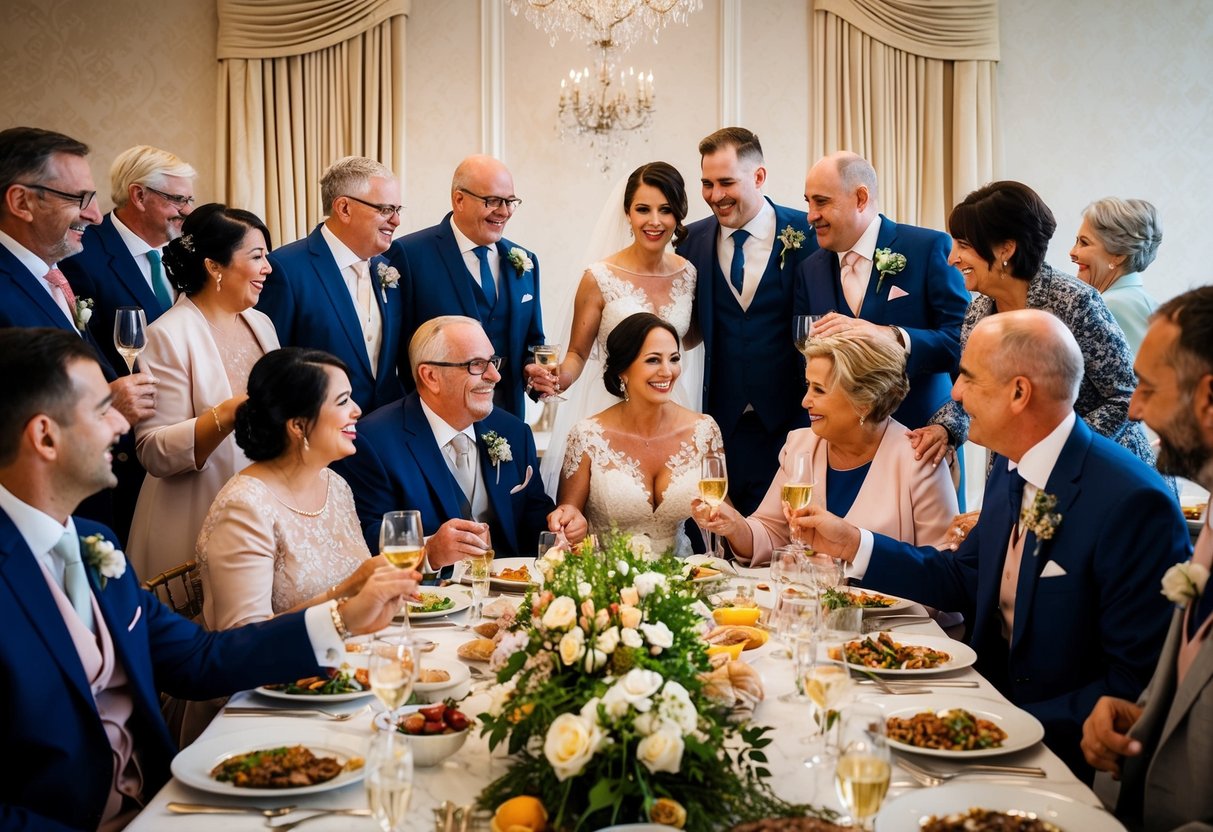
As you begin to plan your wedding, consider how this tradition fits into your overall wedding budget. Roles can vary, especially with modern couples taking charge of their finances. It’s increasingly common for couples to cover more of the costs themselves, so be sure to communicate with your family about what feels right for you.
Making decisions about your wedding food is not just about the budget. You also want to create a memorable experience for you and your guests. Understanding the traditional roles can guide your choices and help ensure everyone is on the same page during the planning process.
Understanding Wedding Expenses
When planning your wedding, it’s important to know what expenses to expect. Here’s a quick breakdown of common costs:
-
Marriage License: This is a legal requirement and varies by state. Make sure to budget for this early on.
-
Officiant Fee: Hiring someone to perform the ceremony usually costs between $100 and $500.
-
Wedding Rings: Don’t forget to factor in the cost of rings, which can range widely based on your choice of metal and design.
-
Wedding Dress: This is often a significant expense. Dresses can cost anywhere from a few hundred to several thousand dollars.
-
Wedding Cake: A beautiful cake is a must. Prices typically start around $200 and go up from there depending on size and design.
-
Floral Arrangements: Flowers can set the tone for your day. Budget around $1,000 or more for centerpieces, bouquets, and other arrangements.
-
Photography and Videography: Capturing your big day is important. Expect to spend between $1,000 and $5,000 for quality services.
-
Wedding Venue: This can be one of the largest expenses. Depending on location, venues can range from a few hundred to tens of thousands.
-
Bridal Party Transportation: Plan for shuttles or limousines. Costs vary by distance and vehicle choice.
-
Wedding Gifts: Don’t forget to thank your guests. Small tokens can add up quickly.
Understanding these expenses will help you create a smart budget for your wedding.
Traditional Payment Responsibilities
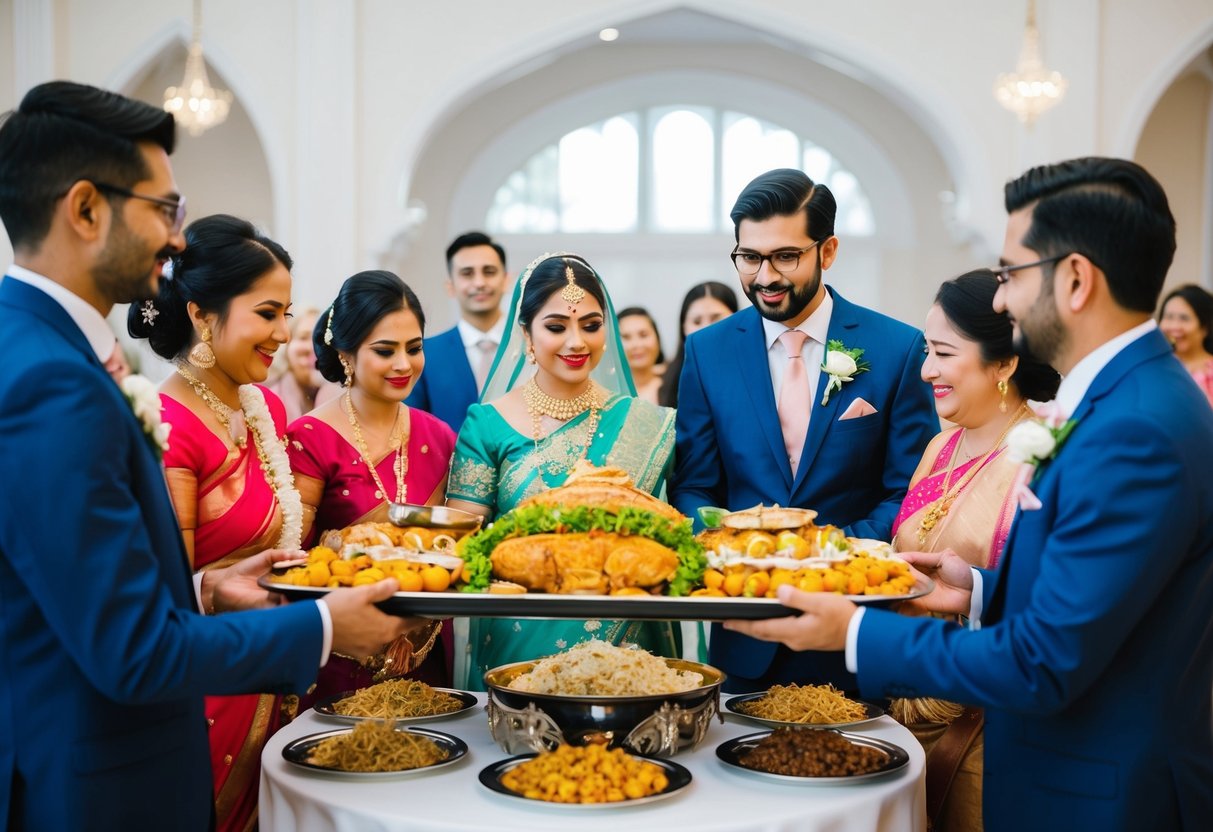
When planning a wedding, understanding who traditionally pays for what can help ease stress. This includes food expenses, which are often shared between the bride’s and groom’s families.
Bride’s Family Contributions
Traditionally, the bride’s family covers many costs associated with the wedding reception. This includes the meal served to guests and often the wedding cake. They may also contribute to other expenses like wedding flowers, including the bride’s bouquet.
It’s crucial to plan a detailed budget to ensure everyone’s expectations are met. In addition to food and flowers, the bride’s family typically handles the wedding invitations and any other related stationery. This helps create a cohesive experience for the guests and sets the tone for the event.
Groom’s Family Contributions
The groom’s family has traditionally had a lighter financial burden. They typically cover the costs of the rehearsal dinner, which is a smaller gathering held before the wedding day. This family may also pitch in for alcohol served at the reception, ensuring guests have a celebratory experience.
In many cases, the groom himself is expected to pay for his wedding band and the bride’s engagement ring. While these duties can vary, it’s important for both families to communicate openly about their contributions. By coordinating efforts, you can create a beautiful celebration that reflects both families’ wishes.
Modern Practices and Considerations

In today’s weddings, how couples share costs has evolved significantly. Many now take a more flexible approach, tailoring decisions based on their unique circumstances and relationships. Here are some key practices shaping modern wedding payments.
Sharing Wedding Costs
Many couples choose to share wedding expenses, promoting fairness and partnership. This can include all major costs, like food, venue, and decorations. You might decide to split everything down the middle or divide costs based on income levels.
It’s important to discuss expectations early on. Create a budget together and list out who pays for what. You could use the following breakdown as a guide:
- Couple’s Expenses: Rings, officiant, attire
- Family Contributions: Venue, food, guest accommodations
- Guests: Travel, gifts
This open communication can prevent misunderstandings and build a stronger foundation for your marriage.
LGBTQ+ Couples and Wedding Payments
For LGBTQ+ couples, traditional wedding payment structures often don’t apply. Many couples favor equal sharing of expenses to reflect their partnership’s values. You might prioritize what feels right for both of you.
Discussing financial responsibilities helps ensure that both partners are comfortable and invested in the planning process. Some couples might choose to cover specific expenses individually. This approach can be empowering and align with your shared vision for the day.
Elopement and Intimate Ceremonies

Elopement trends have changed wedding expenses in interesting ways. When you choose a smaller, more intimate ceremony, the financial responsibilities can look different. Less focus on large guest lists often results in lower overall costs.
Typically, elopements allow you to allocate funds more freely. You might splurge on a gourmet dining experience or a unique venue without worrying about a bigger guest count. Consider what elements matter most to you and adjust your budget accordingly.
Intimate ceremonies offer a fresh perspective on traditional wedding etiquette. You get the chance to create a personal, memorable experience focusing on what truly matters to you both.
Pre-Wedding Events and Additional Costs
Planning your wedding also involves various pre-wedding events and extra costs. Knowing who pays for these events is important for budgeting and understanding traditions.
Engagement Party and Bridal Shower
The engagement party is often hosted by the bride’s parents. They cover expenses such as venue rental, food, and drinks. This event celebrates the couple’s engagement and can vary in size. It’s common for guests to bring gifts, which can help ease some costs.
The bridal shower is typically organized by the bridesmaids or close family. Costs can include the venue, decorations, food, and drinks. Traditionally, the bride’s family handles the expenses, but this can depend on personal circumstances. Guests often bring gifts for the bride, adding a celebratory feel to the day.
Bachelor(ette) Party and Rehearsal Dinner
The best man or maid of honor usually plans the bachelor(ette) party. Guests often split the costs of the event, which can include travel, meals, and activities. It’s a fun way to celebrate before the wedding, but costs can add up quickly.
The rehearsal dinner is often hosted by the groom’s parents. They pay for the meal and drinks for both families and the wedding party. This event happens after the rehearsal and allows everyone to relax together. It’s a nice way to start the wedding weekend and can also raise additional costs depending on the venue and menu chosen.