
Who Traditionally Pays for the Wedding Invitations? Exploring the Etiquette and Expectations
When planning a wedding, understanding who handles costs can be tricky. Traditionally, the bride’s family is responsible for paying for the wedding invitations. This includes not just the invitations themselves but also any related stationery, such as programs and thank-you notes.
Knowing this can help you budget and plan accordingly. Whether you’re the bride or supporting someone in the process, being clear about these traditions can ease financial stress and help everyone involved stay organized.
As you dive deeper into wedding expenses, you’ll discover many other costs to consider as well.
Understanding Wedding Expenses
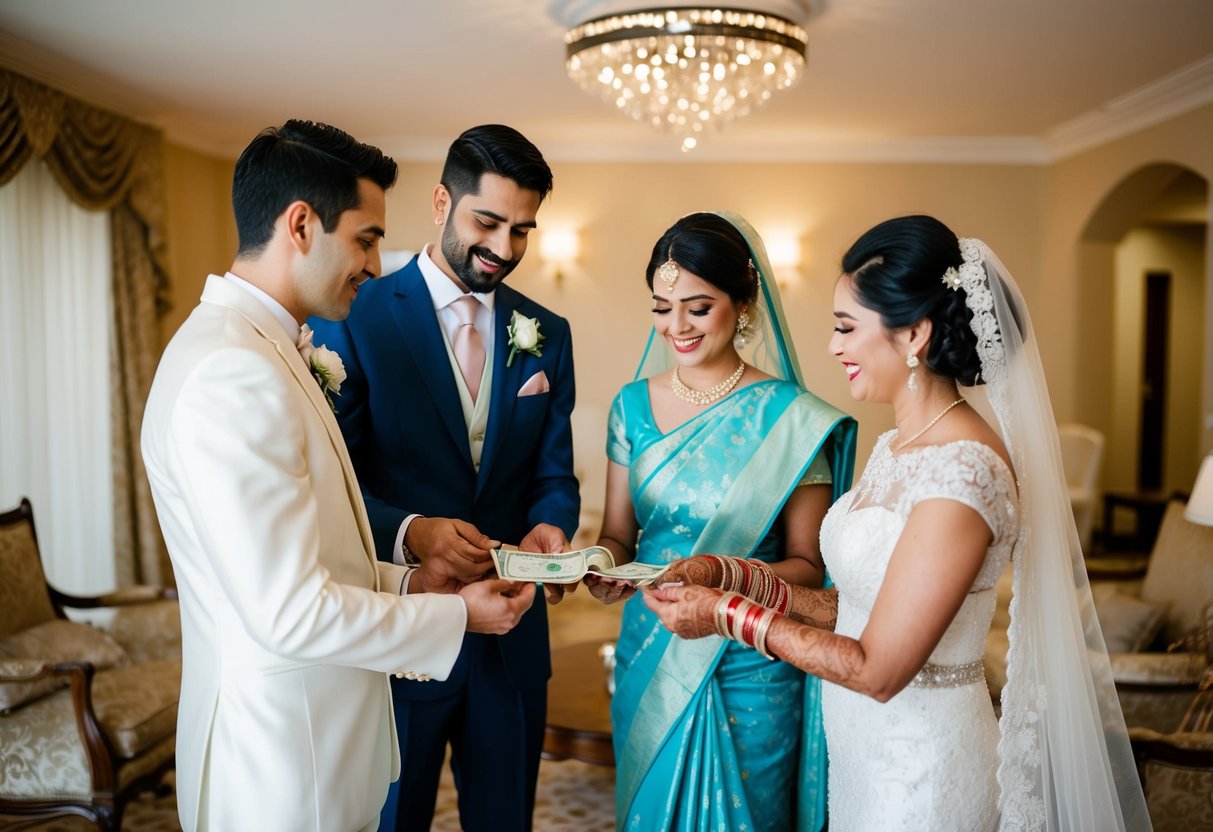
Planning for a wedding involves managing various costs, including invitations, which can add up quickly. In this section, you’ll learn how to allocate your budget and understand the traditional responsibilities regarding wedding expenses.
Allocating the Budget
Creating a wedding budget is essential for keeping track of your spending. Start by determining your total budget. The average cost of a wedding can range from $20,000 to $30,000, depending on size and location.
Break down major categories: venue, catering, attire, and stationery. Prioritize what matters most to you and your partner.
For invitations, setting aside $400 to $600 is typical. Keep in mind that a higher quality or unique design can increase costs.
Don’t forget additional expenses such as postage and thank-you cards. Keep a detailed record of your expenses to ensure you stay within your budget.
Traditional Responsibilities
Traditionally, the bride’s family covers the cost of wedding invitations. This includes custom designs, printing expenses, and any related stationery, like save-the-dates and thank-you cards.
However, roles can vary. Encourage open discussions with both families about financial contributions. In modern weddings, couples often share costs more equally.
Communicate your desires regarding invitations clearly to avoid misunderstandings. You can also explore various options to suit your budget, such as DIY invitations or digital formats, which can reduce costs significantly while still being beautiful and personal.
Breaking Down the Costs

Weddings come with many costs that can vary based on your choices. Understanding who traditionally pays for specific items can help you plan and budget effectively.
Ceremony and Legal Fees
The ceremony marks the start of your big day, and it involves some key costs. First, you’ll need a marriage license, which usually runs between $50 and $100, depending on where you live.
Next, there is the officiant fee. This can range from $100 to $500 for a professional officiant. Many couples choose to have a religious or family member officiate, which could lower this cost.
Lastly, consider any venue fees. Some places charge for using their space even for just the ceremony, which can be around $200 to $2,000.
Reception Expenses
The reception is where you celebrate with family and friends. The venue is a major expense. Depending on location, renting a reception hall can cost anywhere from $1,500 to $10,000.
Catering is another significant part of the reception cost. Expect to pay between $25 and $100 per person for food and drinks. Make sure to factor in cake costs, which generally run between $300 and $800.
Additional reception expenses might include decorations and rental items like tables and chairs. All these parts add up to create an inviting atmosphere for your celebration.
Attire and Styling
Your wedding attire is a major element of your day. The wedding dress can range from $500 to $5,000, depending on style and designer. Don’t forget about the cost of tailoring, which can add another $100 to $500.
For the groom, suits or tuxedos vary as well. Renting one can cost $150 to $300, while purchasing a suit can set you back $300 to $1,000.
Finally, don’t overlook accessories. Wedding rings are another key expense, often costing between $1,000 and $5,000 combined for both partners. Planning for these costs ensures a smoother wedding preparation.
Pre-Wedding and Post-Wedding Events

Planning pre-wedding and post-wedding events is an exciting part of the wedding journey. These gatherings allow you to celebrate with friends and family, creating cherished memories before and after the big day.
Engagements and Showers
An engagement party kicks off the wedding celebrations. It’s a chance to announce your upcoming marriage and share this joy with loved ones. Traditionally, the bride’s family hosts this event, but you can choose who pays based on your preferences.
Bridal showers are also important. Friends and family gather to shower the bride with gifts and good wishes. This event focuses on your journey into marriage, showcasing gifts like kitchenware or home essentials that help you start your new life.
Celebrating the Bachelor and Bachelorette
The bachelor and bachelorette parties are personal celebrations for both partners. Often planned by close friends, these events are a way to enjoy your last days of singlehood.
The groom typically enjoys activities like a night out or a weekend trip with friends. The bride might prefer a day at the spa or a fun night out. Costs can vary, but friends often chip in, making it a collective celebration.
The Honeymoon
After the wedding comes the honeymoon, a special trip for just the two of you. This getaway allows you to relax and enjoy your new life together.
Choosing your honeymoon destination is important. Think about whether you want adventure or relaxation. Common options include tropical beaches, romantic cities, or outdoor retreats. The couple usually covers these costs, but sometimes friends or family contribute as a wedding gift.
Who Traditionally Pays for What

When planning a wedding, it’s important to understand who traditionally covers different expenses. This can help you budget more effectively as you prepare for your big day. Here’s a closer look at the responsibilities of each family and how couples are adapting today.
The Bride’s Family’s Contributions
Traditionally, the bride’s family covers a significant portion of wedding expenses. This often includes the wedding invitations and other stationery, which set the tone for your event.
They also typically pay for:
- The wedding dress and accessories
- Flowers for the ceremony and reception
- Photography and videography services
- The wedding cake
Additionally, the bride’s family usually organizes the engagement party and the bridal shower. The family may also hire a wedding planner to help manage all the details, making sure everything runs smoothly on the day.
The Groom’s Family’s Contributions
The groom’s family tends to cover fewer costs but still has important responsibilities. Traditionally, they pay for the rehearsal dinner, which is a special event celebrating the upcoming wedding.
Their contributions may also include:
- The officiant’s fees
- The groom’s attire and accessories
- Wedding gifts for the couple
While there may be less responsibility, the groom’s family plays a key role in planning events that bring both sides of the family together. This can help foster a strong relationship and a smooth wedding experience.
How Couples Today Are Sharing Costs
Many modern couples are choosing to share wedding expenses more equally. Both families might contribute based on their financial abilities and preferences, rather than strictly following tradition.
Common shared expenses include:
- Wedding flowers
- The DJ or band
- Catering costs
This collaborative approach allows couples to personalize their wedding while easing the financial burden. Discussing costs upfront can help you and your families understand expectations and make informed decisions together.