
Who Traditionally Pays for the Wedding Rings? Understanding Customary Practices
When planning a wedding, you might wonder who pays for the wedding rings. Traditionally, each partner buys the other’s wedding band, making it a shared experience that symbolizes your commitment to one another. This practice not only reflects the bond you share but also respects the customs that have been passed down through generations.
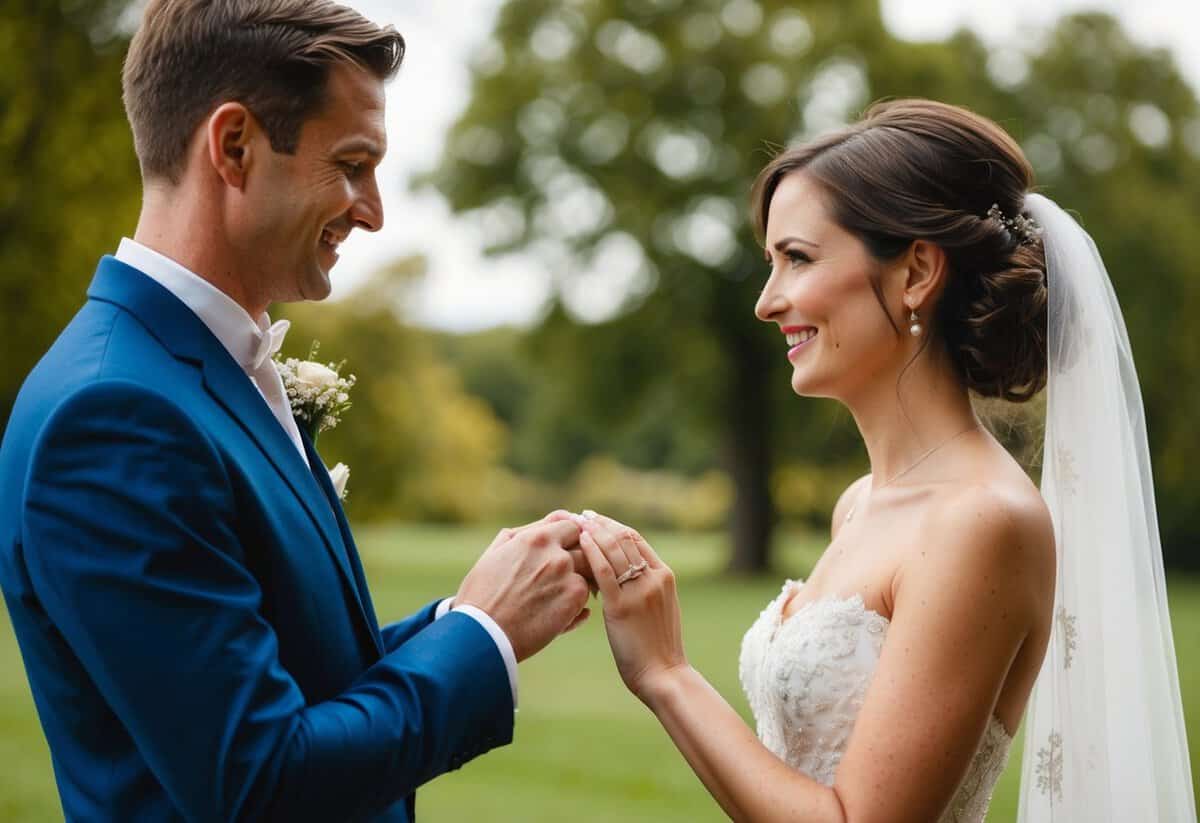
Understanding wedding etiquette can help you navigate this process smoothly. While some couples might stick to tradition, many others choose to split costs or handle expenses in a way that works best for their relationship. This article will explore various approaches to paying for wedding rings and how modern couples are reshaping these traditions.
By gaining insight into this topic, you can make informed decisions that reflect your personal values and circumstances. You’ll find that the process of choosing wedding rings can be as meaningful as the vows you exchange.
Understanding Wedding Finances
When planning a wedding, understanding who pays for what can help you avoid confusion. Both tradition and individual choices play a role in who covers the costs, especially for rings.
The Role of Tradition
Traditionally, the bride’s family pays for the wedding expenses, while the groom takes care of the bride’s wedding ring. This custom stems from old practices, where families had specific roles in financing the event.
The groom typically buys the engagement ring and is seen as responsible for the wedding bands. On average, couples spend around $1,000 to $6,000 on wedding rings, which can impact your overall wedding budget.
Knowing these traditions can help you plan your financial contributions. Understanding these roles can also lead to discussions about any adjustments you prefer in your wedding finances.
The Bride and Groom’s Responsibilities
As the couple, you both may decide how to split the wedding expenses. Many modern couples choose to share costs equally or mix traditional roles with their own preferences.
For wedding rings, it is common for the bride to pay for the groom’s ring, while he pays for hers. This reflects a partnership that values equality.
Be sure to consider these financial contributions when you set your overall budget. The average cost of wedding bands can also vary widely based on style and material. Discussing who’s paying for what early on can help streamline planning and keep expectations clear.
Specific Costs and Responsibilities
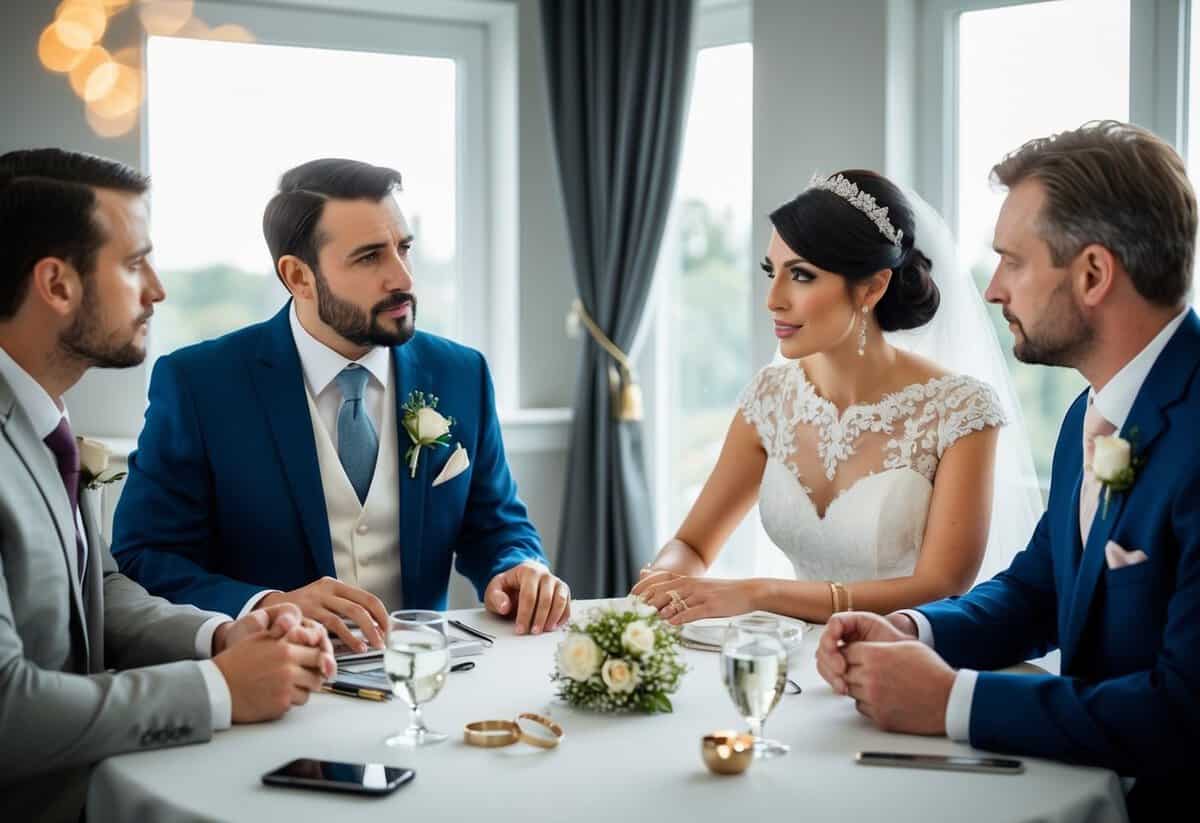
When planning your wedding, understanding specific financial responsibilities can help reduce stress. Different traditions guide who pays for various aspects of the celebration, especially when it comes to the wedding rings and attire.
Wedding Attire and Rings
The attire for the wedding is a major expense. Typically, the bride’s family covers the cost of her wedding dress, while the groom usually pays for his own suit. In many cases, the bride also has a bouquet and other accessories, which may be included in the dress budget.
When it comes to wedding rings, tradition suggests that the bride’s family buys the groom’s wedding ring, while the groom purchases the bride’s wedding ring. Some couples choose to split the costs or discuss it openly and make a plan that works for both. It’s essential to communicate about these expenses early on.
Ceremony and Reception
The ceremony and reception often take up the largest portion of the wedding budget. Traditionally, the bride’s family covers most of these costs, including the wedding venue, catering, and decorations.
If you plan to hire a wedding planner, that expense typically falls on the bride’s family as well. It’s wise to consider making a detailed list of these costs to avoid surprises later. Remember, you can also find ways to save, such as choosing a less expensive venue or opting for a buffet style dinner.
Pre-Wedding Events
Pre-wedding events, like the engagement party and rehearsal dinner, can also have specific financial responsibilities. Traditionally, the bride’s family usually hosts the engagement party, while the groom’s family typically pays for the rehearsal dinner.
Other pre-wedding celebrations, like bachelorette and bachelor parties, are generally funded by the friends of the bride and groom. It’s a good idea to discuss these traditions, as you may find a flexible approach that fits your style. Understanding who pays for what ensures everyone is on the same page for all your exciting events leading to the big day.
Modern Takes on Wedding Expenses
Today’s couples are rethinking who pays for wedding expenses. As traditions change, new approaches to costs are emerging. Understanding how these shifts affect typical expenses, like wedding rings, can help you plan better.
Evolving Traditions
In the past, certain traditions dictated who paid for specific wedding costs. The bride’s family often covered most expenses. However, modern weddings bring new ideas. Couples might choose to split costs equally or have each person’s family contribute.
With the rise of elopements and intimate gatherings, expenses are often lower. Couples focus on experiences rather than lavish ceremonies. This can change how you think about payments. Fewer guests often mean reduced costs for wedding rings and related expenses.
You can also find creative ways to manage costs. For instance, consider DIY ring options or choosing simpler designs. Personal touches can make your rings unique without breaking the bank.
Sharing the Costs
Sharing wedding expenses, like rings, has become a popular trend. Many couples decide to split the costs of their wedding bands. This approach emphasizes equality in the relationship. It allows both partners to contribute to a symbol of their commitment.
While discussing coins such as wedding party gifts and even rehearsal dinner costs, transparency is essential. Create a budget together and allocate funds for various expenses. This can include planning your bridal shower, which can also be shared among friends and family.
Remember to communicate openly about financial expectations. Being honest helps avoid misunderstandings later. Working together on the planning strengthens your bond as a couple.
Additional Wedding Considerations
When planning your wedding, remember that there are many details to think about beyond the rings. Here are some key areas to consider:
-
Wedding Planning: Timing and budget are crucial. You should decide who will handle various tasks to keep everything organized.
-
Wedding Flowers: Flowers can add beauty to your ceremony and reception. Think about what types you want and how much you are willing to spend.
-
Wedding Photographer: Quality photos capture your special day. So, research photographers whose style matches your vision and make sure to budget for this important service.
-
Photography and Videography: Don’t forget about video! This can help you relive the day. Chat with professionals to choose what fits your needs.
-
Honeymoon: Plan this getaway early. Look for destinations that fit your budget and interests.
-
Wedding Reception: Consider the venue, food, and music. Make choices that will suit your style and the atmosphere you want.
-
Bridal Party Transportation: Ensure your bridal party knows how they’ll get to the venue. Hiring a shuttle or car can help everyone arrive on time.
-
Wedding Gown: Choosing the right gown is a big decision. Start shopping early and consider alterations in your budget.