
Who Traditionally Plans a Wedding? Discover the Key Roles Involved
Many people wonder who takes the lead in planning a wedding. Traditionally, the bride and her family often shoulder the responsibility of planning the wedding, but modern traditions are evolving. Today, it’s common for couples to plan the wedding together, sharing tasks and decisions.
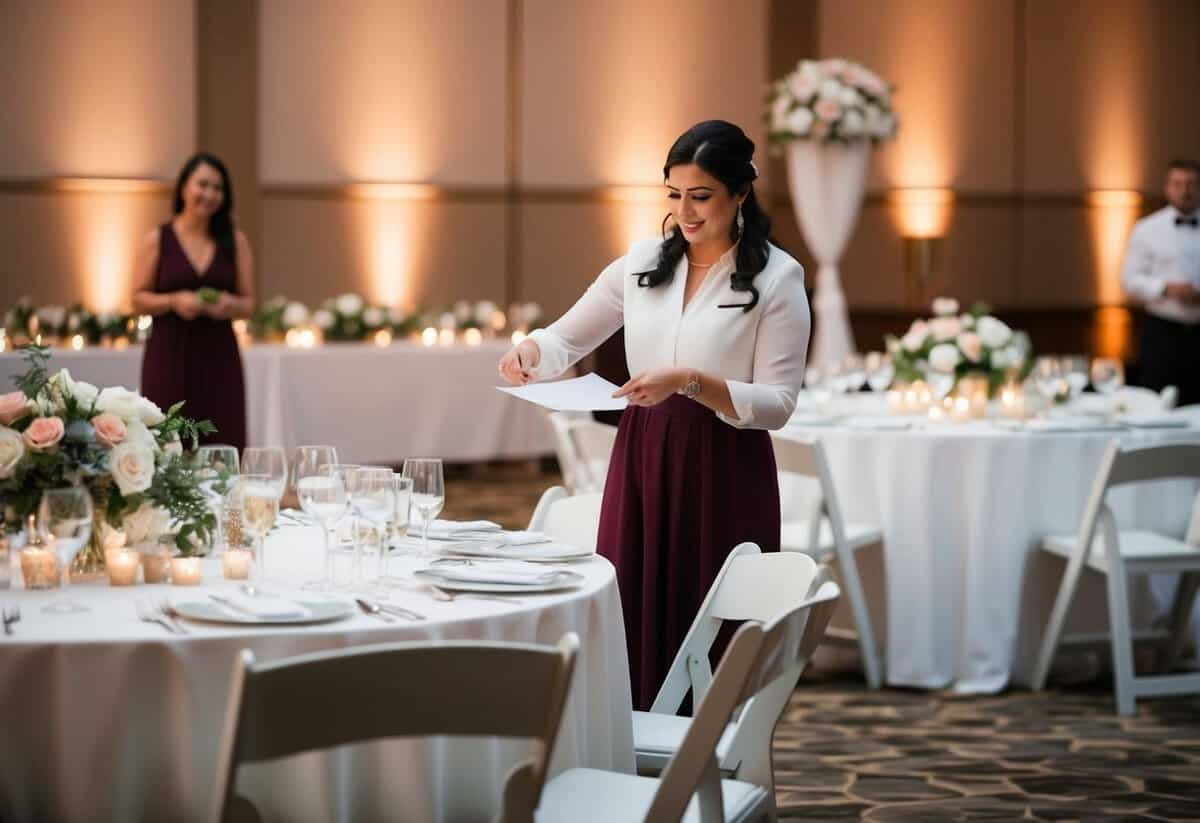
You might find that the groom plays a significant role as well, especially in modern weddings. Couples often discuss their budget, venues, and themes together. While many traditions suggest that the bride’s family pays for the wedding, this varies widely, and many couples choose to share the costs or find creative solutions together.
As you dive deeper into wedding planning, you’ll see that every couple has their unique approach. Understanding the roles and responsibilities can help ease the process and make your special day even more memorable.
Planning Responsibilities
Understanding who traditionally plans a wedding can help you navigate this exciting time. Different family members and the couple take on various roles, especially regarding financial contributions and responsibilities.
Role of the Bride’s Family
Traditionally, the bride’s family has been responsible for many aspects of wedding planning. This often includes covering costs related to the ceremony, reception, and other essentials.
They typically take charge of creating the guest list and handling invitations. Choosing the venue is another significant responsibility. The bride’s family works to ensure the day reflects their daughter’s wishes while setting the tone for the celebration.
In many cases, the bride’s family may also coordinate with vendors and service providers. This coordination helps keep everything organized and running smoothly on the big day.
Role of the Groom’s Family
The groom’s family traditionally had a smaller role but has become more involved in recent years. They may contribute financially, often focused on costs for the rehearsal dinner or specific expenses.
The groom’s family can help by assisting with guest lists and invitations as well. They often reach out to their friends and family to ensure everyone is included.
In some situations, they may also help with vendor selection or logistics. This involvement allows them to share the planning load and support the couple in a meaningful way.
Couple’s Involvement
In modern weddings, the couple’s involvement is crucial. You and your partner should be actively engaged in planning decisions, including setting the wedding budget. This is important to ensure your vision aligns with the financial reality.
You both need to agree on various aspects, such as the guest list, venue, and theme. Collaboration is key to making the planning process enjoyable for everyone involved.
By working together, you can divide responsibilities effectively. This teamwork can ease stress and help create a wedding day that truly represents both of you as a couple.
Pre-Wedding Events
Pre-wedding events add excitement and joy to the time leading up to your big day. These gatherings offer a chance to celebrate with family and friends while creating lasting memories. Let’s explore the key events that typically occur before the wedding.
Engagement Celebration
An engagement party is often the first major event in the wedding journey. This celebration allows both families and friends to come together and toast your new commitment.
Typically hosted by the bride’s family, the party can vary in size and formality. You may invite immediate family, close friends, or even a wider circle. Planning can include choosing a venue, sending invites, and deciding on food and drinks.
Expect to have lots of laughter and happiness as people share stories and give advice. You might also receive thoughtful gifts to help you start your life together.
Bridal Shower and Bachelorette Party
The bridal shower is a special gathering, usually hosted by the bridesmaids or maid of honor. This event is often women-only and focuses on celebrating the bride.
Guests typically bring gifts to help the bride prepare for her new home. You might enjoy games, food, and heartfelt speeches that highlight your journey.
A bachelorette party follows, which is a fun-filled celebration to say goodbye to single life. It can be a wild night out or a relaxing weekend getaway. Your bridesmaids or best friends usually organize this event. Enjoy activities like spa days, wine tasting, or nightlife adventures.
Bachelor Party and Rehearsal Dinner
The bachelor party is just as important for the groom. This gathering, often planned by the best man, typically includes close friends and family.
Like the bachelorette party, it can range from a low-key hangout to an epic trip. The goal is for the groom to enjoy time with his buddies and celebrate his upcoming marriage.
The rehearsal dinner occurs the night before the wedding. This event gathers both families, the wedding party, and anyone helping with the ceremony. It’s a time to practice the event flow and share a meal together.
Hosting this dinner is usually the responsibility of the groom’s family. It can be as casual or formal as you want. It’s a great opportunity to thank your loved ones for their support.
Main Wedding Components
When planning a wedding, it’s essential to focus on its main components, which include the ceremony, reception, and attire. Understanding each part helps you create an event that reflects your personalities and style.
Ceremony Essentials
The wedding ceremony is the heart of your event. First, you need to obtain a marriage license to make your union official. This legal document is crucial and must be secured ahead of time.
An officiant leads the ceremony. This person could be a religious figure or a friend you’ve asked to take on this role.
Traditionally, the ceremony includes various elements, such as the processional, where guests see the bride, flower girl, and ring bearer stroll down the aisle.
The vows exchanged during the ceremony symbolize your commitment. Finally, you’ll want witnesses to sign the marriage certificate, making it legal.
Reception Details
After the ceremony, the wedding reception is where the celebration continues. This part often includes food, drinks, and entertainment for your guests.
You’ll want to plan a menu that fits your style, whether it’s a buffet, plated meal, or family-style dining. Don’t forget to include a cake or dessert that represents you and your partner.
Music is essential for a lively reception. You can choose between a DJ or a band. Additionally, consider fun activities, like a photo booth or games, to engage your guests and create memorable moments.
Attire and Rings
Your attire and wedding rings are central to your wedding day. The bride’s attire typically includes a beautiful gown, while the groom might opt for a suit or tuxedo.
Consider the styles that best reflect your personalities and the wedding’s theme. Accessories, such as veils and shoes, can enhance your look.
The exchange of wedding rings symbolizes your love and commitment. You can select rings that complement each other or coordinate with your individual styles.
Make sure to try on the rings before the big day to ensure they fit comfortably.
Budgeting and Expenses

Planning a wedding involves careful budgeting and understanding expenses. Knowing how to allocate funds can help you prioritize what matters most. Let’s break this down into key areas.
Allocating the Budget
Start by setting a clear budget for your wedding. The average cost of a wedding can vary greatly, but many couples spend between $20,000 and $30,000. Begin by discussing who is contributing financially. Traditionally, the bride’s family covers major costs, but it’s common for both families to chip in.
Once you know your budget, list your priorities. Decide what is most important to you, such as having a beautiful venue or a stunning wedding dress. This will guide where to allocate funds. Make sure to set aside a small portion of your budget for unexpected expenses.
Major Costs Breakdown
Here are some of the major costs you might face:
- Venue: This often takes up a significant portion of the budget.
- Photography and Videography: Capturing your special day is essential. Average costs can range from $1,500 to $4,000.
- Officiant Fee: This can vary, but expect to pay between $200 and $500.
- Wedding Dress: Dresses can range from a few hundred dollars to several thousand.
- Wedding Cake: Depending on size and design, costs can start around $300.
- Invitations: Quality invitations might cost between $200 and $600.
- Floral Arrangements: Budget for both bridal bouquets and decorations.
Creating a detailed budget helps visualize where the money goes.
Cost-Saving Tips
Cutting costs doesn’t mean sacrificing your dream wedding. Here are some friendly tips:
-
Choose an Off-Peak Date: Consider hosting your wedding in the off-season for discounts.
-
DIY Decorations: Get creative with centerpieces and favors. This can save money and be personal.
-
Simplify the Guest List: Fewer guests mean lower costs for catering, invitations, and favors.
-
Shop Sales for the Dress: Look for sample sales or consider buying pre-owned gowns.
-
Limit Alcohol Options: Offering a signature drink instead of a full bar can help you cut back.