
Who Traditionally Sends Out Wedding Invitations? Understanding the Roles and Responsibilities
When it comes to wedding planning, you might wonder who takes on the task of sending out those important wedding invitations. Traditionally, the bride’s parents send out the wedding invitations, especially if they are covering most of the wedding expenses. This tradition stems from the idea that the bride’s family is hosting the event, making them the ones to invite guests.

As you prepare for your big day, it’s essential to know the expectations around invitations. While the bride’s parents are often the ones sending them, many couples today choose to take on this responsibility together or share it with both families. This shift can make the process feel more collaborative and personal, which is a nice touch in today’s modern weddings.
Understanding who typically sends wedding invitations can help you navigate the planning process with ease. Whether you choose to stick with tradition or create your own approach, what matters most is that your guests feel welcomed and informed about your special day.
Invitation Etiquette
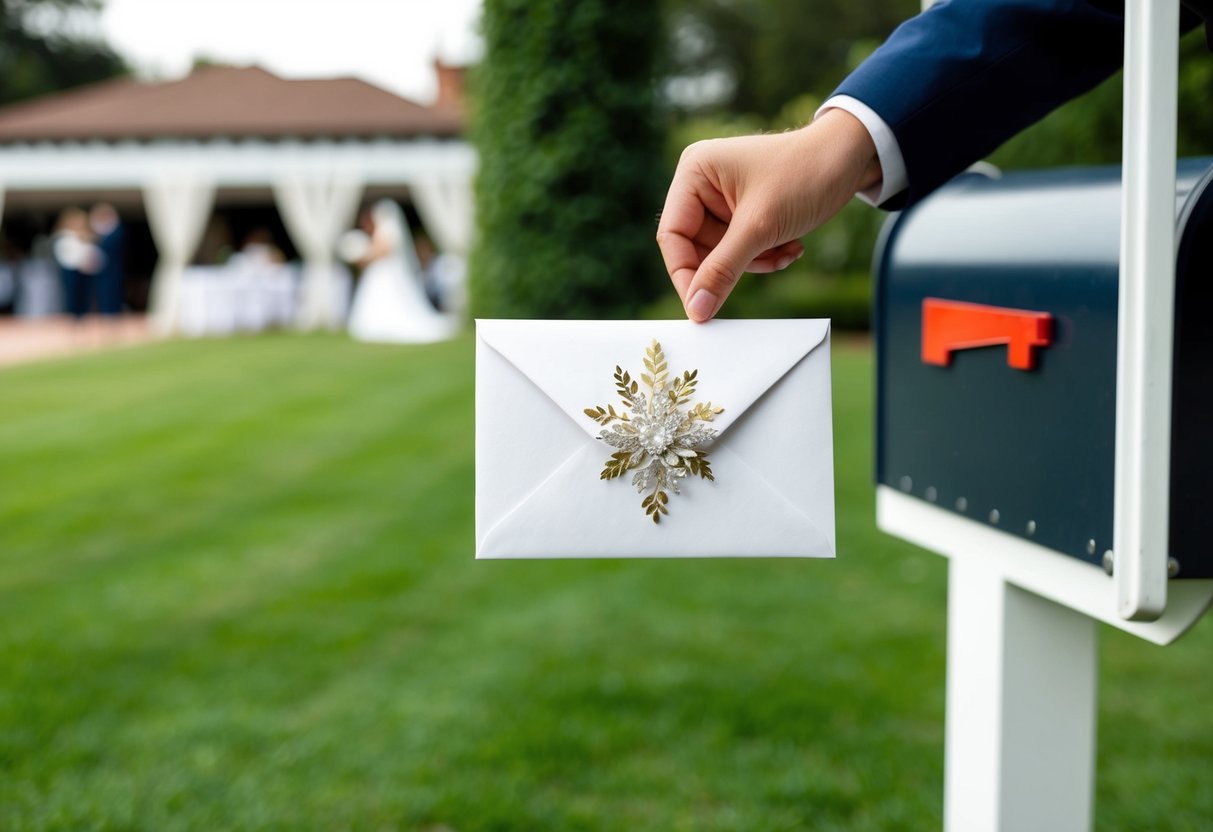
When planning your wedding invitations, it’s essential to get the details right. Proper etiquette ensures your guests receive all the information they need in a clear and friendly manner. Here’s what you should focus on.
Essential Information to Include
Each wedding invitation should clearly present key details. Start with your names, the date, and time of the ceremony. Don’t forget the venue address.
You might also want to mention the dress code. Whether it’s formal, semi-formal, or casual, this helps guests choose appropriate attire.
If you have a gift registry, including that information can be helpful, but keep it subtle. Some couples prefer to mention this on a separate details card rather than in the main invitation.
Addressing the Invitations
Addressing your invitations is an important step. It sets the tone before your guests even open the envelope. Start with the outer envelope for each guest.
Include their full names and titles if applicable. For example, use “Mr. and Mrs. John Smith” for married couples. For singles, simply use “Ms.” or “Mr.”
Make sure to double-check spellings and titles. Accurately addressing your guests shows respect and thoughtfulness.
RSVP Instructions
Including RSVP instructions is crucial for planning. You’ll want to give your guests a clear way to respond. Most couples include an RSVP card with a prepaid return envelope.
Make sure to state a deadline for responses. This helps you finalize your guest count for seating and catering.
You can also offer options like “accepts with pleasure” or “regretfully declines.” This makes it easy for your guests to reply promptly.
Design and Delivery
Creating your wedding invitations involves thoughtful design choices and timing. You want to reflect your wedding theme and make sure your guests receive their invites on time. Here’s what you should consider when designing and delivering your invitations.
Choosing the Right Design
When selecting an invitation design, think about your wedding theme. A formal wedding may call for elegant, classic stationery, while a beach or destination wedding might inspire a more relaxed design.
You can also create an invitation suite that matches your overall aesthetic. This includes the main invitation, RSVP cards, and any additional details.
Colors, fonts, and layouts should harmonize with your wedding’s vibe. Don’t forget to pay attention to readability. Your guests should easily find key information like the wedding date and location.
Digital versus Physical Invitations
Digital invitations can be a modern and eco-friendly choice. They are often quick to create and send and can include interactive elements like RSVP buttons. However, be aware that not everyone prefers digital formats.
Physical invitations offer a tactile experience that many find special. They can be beautifully crafted with unique textures or embellishments. Plus, receiving a tangible invitation can feel more personal.
Depending on your audience, you might choose a mix of both. For example, you could send out save-the-date cards digitally and then follow up with formal, printed invitations.
When to Send and What to Send First
Timing is crucial when sending out invitations. Generally, save-the-date cards should go out about 6 to 8 months before your wedding. This is especially important for destination weddings where guests will need to make travel arrangements.
Formal invitations should be sent 6 to 8 weeks prior to the wedding date. Make sure to include all important details like the venue, dress code, and RSVP instructions.
If you include an invitation suite, be clear about what is expected from your guests. Highlight RSVP deadlines clearly so everyone knows how and when to reply. This can help you plan your big day smoothly!
Whose Responsibility Is It?
Traditionally, the responsibility for sending out wedding invitations falls primarily on the bride’s parents. However, the couple often plays a role in this process as well. Here’s a closer look at the roles involved.
Role of the Bride’s Parents
In many cultures, the bride’s parents are the ones who take on the task of sending wedding invitations. This custom stems from historical norms where the bride’s family hosted the wedding.
When the bride’s parents are financing the wedding, they typically handle the guest list and invitations. This involvement can include addressing and mailing the invites, as well as ensuring that important details are correct.
They may also reach out to family and friends to gather RSVPs. This process helps create a welcoming environment for guests.
Involvement of the Couple
While the bride’s parents traditionally send the invites, the couple often participates in the planning stages. You might want to create the guest list together and decide who to invite.
In some cases, both sets of parents, including the groom’s, may collaborate to send out invitations. This joint effort reflects a teamwork approach to wedding planning.
As a couple, you can also personalize invitations to reflect your style. From choosing the design to wording the invites, your input is valuable to create a meaningful experience.
Considerations for Unique Situations
When planning your wedding, special situations can change how you send invitations. Understanding how to handle destination weddings and pre-wedding events is important for keeping your guests informed.
Destination Weddings and Out-of-Town Guests
If you’re having a destination wedding, there are a few key things to consider. First, it’s courteous to send out save-the-date cards at least six months before the wedding. This allows guests to make travel arrangements and take time off work.
Your formal invitations should follow about 8 to 12 weeks before the big day. Include details about travel, accommodations, and local attractions. This helps guests plan better, especially for those who may need to stay longer.
Also, think about your guest list. Not everyone may be able to attend, so it’s good to communicate with those who are essential to you.
Pre-Wedding Events
Careful planning is also necessary for pre-wedding events, like a rehearsal dinner or wedding shower. For the rehearsal dinner, invite those who are part of the wedding party and close family. You can send these invites out about a month in advance.
For a wedding shower, it’s best to send invitations 4 to 6 weeks beforehand. Make sure to share details like the theme and whether gifts are welcome. This helps set clear expectations for your guests.