
Who Usually Pays for a Wedding Rehearsal Dinner? Understanding the Tradition and Options
When planning your wedding, one important question comes up: who usually pays for a wedding rehearsal dinner? Traditionally, the groom’s family covers the cost of this pre-wedding meal, but many couples today choose to break from tradition. This means the bride’s family, close friends, or even the couple themselves can take on this responsibility.

Understanding rehearsal dinner etiquette can help you navigate these discussions smoothly. It’s not only about who pays but also about who to invite. The rehearsal dinner is a time for those in the wedding party and close family to relax and bond before the big day, making it an important part of your wedding celebrations.
Many modern couples appreciate flexibility, so don’t hesitate to consider your unique circumstances. Whether you follow tradition or create your own path, being clear about your plans can make the event a joyful celebration for everyone involved.
Understanding Rehearsal Dinner Responsibilities
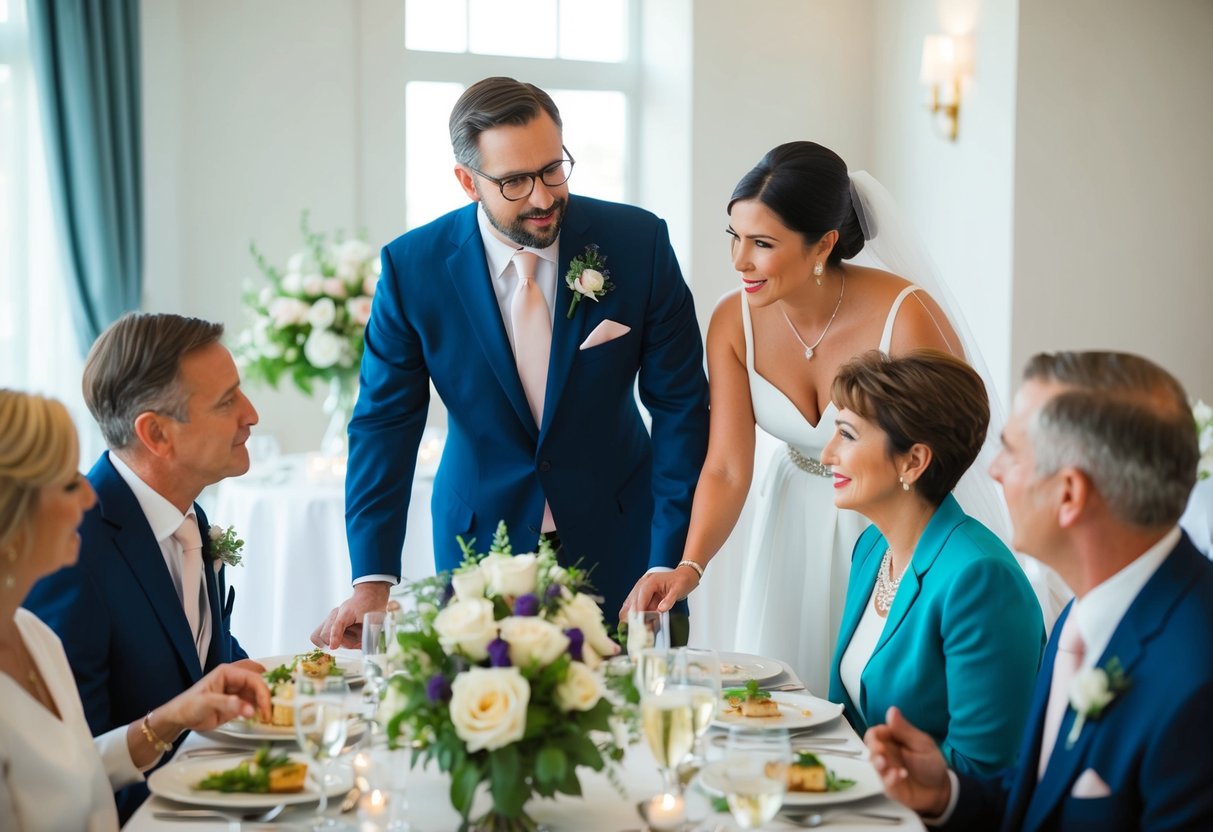
When planning a wedding, knowing who pays for the rehearsal dinner is important. This event brings together families and friends before the big day. It helps set the tone for the upcoming wedding while managing expenses.
Traditional Roles of the Groom’s Parents
Traditionally, the groom’s parents host the dinner and pay for it. This showcases their ability to entertain.
In this setup, the groom’s family often chooses the venue and the menu. By doing so, they have a chance to welcome the bride’s family and anyone involved in the ceremony. This event usually occurs the night before the wedding, creating a warm and festive environment.
Evolution of Wedding Etiquette
In more recent times, the roles surrounding rehearsal dinner responsibilities have changed. Many couples now opt to pay for the dinner themselves, reflecting a more modern approach to wedding planning.
Families are increasingly choosing to share the costs, with both the groom’s and bride’s parents contributing. This shift promotes inclusivity and teamwork among both families. Couples may also personalize the dinner to match their preferences, moving away from strict traditions.
This evolution reflects changing thoughts on marriage and family, allowing couples to create unique experiences.
Planning the Rehearsal Dinner
Planning your rehearsal dinner is an exciting part of wedding preparation. It sets the tone for your celebration and allows you to express your personal style. Several key factors need attention, such as budgeting, venue selection, and creating a guest list.
Setting the Rehearsal Dinner Budget
Start by determining your budget. Traditionally, the groom’s parents often cover this expense, but today, it can be shared among both families, or even the couple themselves.
List expected costs, such as:
- Venue rental
- Catering (food and drink)
- Flowers and decorations
- Rentals (table linens, glassware)
Consider unexpected expenses, like gratuities for staff. It’s wise to set a little extra aside in case adjustments are needed. This approach helps you manage your finances while planning a memorable event.
Choosing the Right Venue
Selecting a venue is crucial. It should be comfortable and accommodate your guest list. Think about locations that have personal meaning, such as:
- A family home
- A favorite restaurant
- A park for an outdoor gathering
Check if the venue has all necessary amenities, like restrooms and parking. Make sure to visit the location beforehand to ensure it meets your expectations. Good venues often fill up quickly, so book early!
Creating a Guest List
The guest list typically includes close family and friends. Start with immediate family and members of the wedding party. Be sure to consider:
- Partners of wedding party members
- Parents of flower girls and ring bearers
Aim for a mix of people who will enjoy each other’s company. This helps create a relaxed atmosphere. You may feel tempted to invite everyone, but keep the list manageable to stick to your budget and venue capacity.
Selecting a Theme and Decorations
Choosing a theme can make your rehearsal dinner unique. Think about the style of your wedding. The theme can range from casual to formal or even seasonal.
Here are some ideas for decorations:
- Flowers: Use seasonal blooms to set a lovely tone.
- Table settings: Choose linens that match your theme.
- Lighting: Soft lighting creates a cozy atmosphere.
A cohesive theme will not only look great but also tie your rehearsal dinner to your wedding day. Don’t forget to personalize it with elements that reflect your story as a couple!
Hosting and Hospitality Considerations
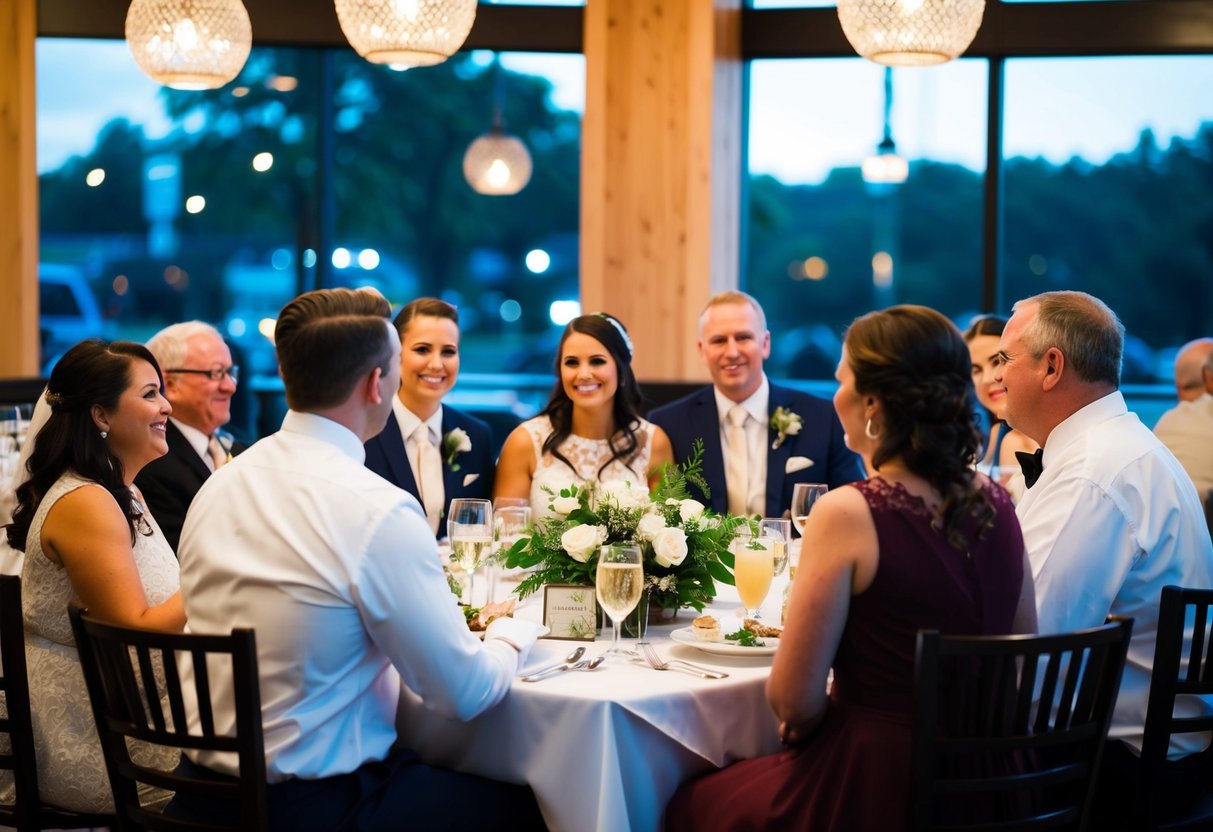
When planning a rehearsal dinner, you must think about how to make your guests feel welcome. This means considering your out-of-town guests, planning some fun activities, and organizing seating arrangements effectively.
Taking Care of Out-of-Town Guests
If you have family or friends traveling from far away, make them feel special. Consider booking a nearby hotel for convenience. You can also offer to help coordinate rides or directions.
Think about providing welcome bags with snacks, drinks, and a schedule of events for the wedding weekend. This small gesture shows your appreciation and helps them feel comfortable. You might also plan a casual meet-up before the dinner. It’s a great way for guests to get acquainted, making the rehearsal dinner even more enjoyable.
Figuring Out Entertainment and Activities
While the dinner is the main event, some light entertainment can enhance the atmosphere. Consider adding fun elements like games or a small slideshow of memories, especially if some guests are meeting for the first time.
You might also create a short speech to welcome everyone, sharing a few personal stories or acknowledging key people in attendance. Keeping the mood light will allow your guests to relax and connect, building excitement for the wedding celebration.
Managing Seating Arrangements
A well-thought-out seating chart can significantly impact the evening. Arrange the tables to encourage conversation and mingling. Place relatives together, but mix friendships.
Pay attention to those who may not know each other well. It’s a good idea to pair them with more outgoing guests. If you have a mix of ages, try to balance them at each table. This way, everyone feels included, and the atmosphere stays friendly and inviting.
Invitations and Final Touches
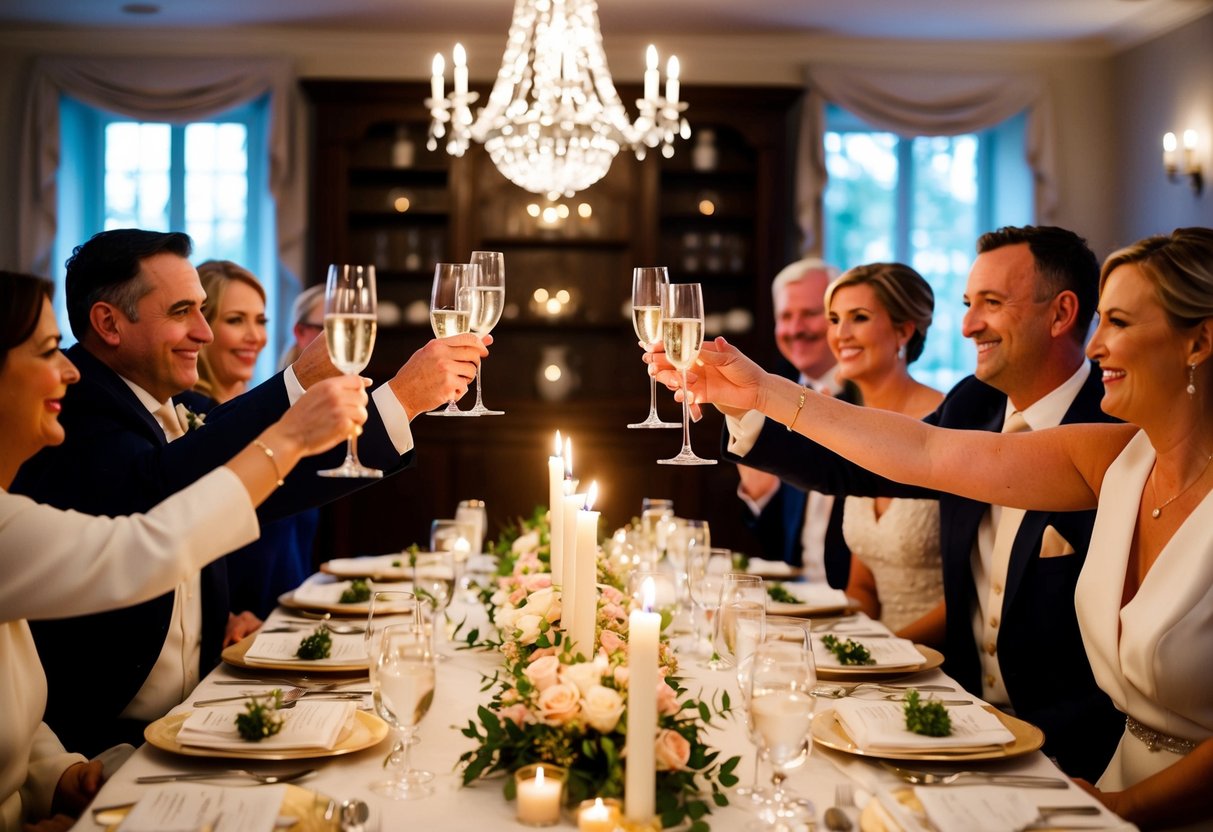
Planning your rehearsal dinner involves details that enhance the overall experience. Getting the invitations right and coordinating with other wedding activities helps set the tone for the big event.
Designing Rehearsal Dinner Invitations
Your invitations are the first glimpse guests will have of your rehearsal dinner. Make sure they reflect the theme and style of your wedding. Choose colors, fonts, and designs that match your wedding invitations for a cohesive look.
Include key details such as the date, time, location, and RSVP instructions. It’s helpful to mention if it’s a formal or casual event. Sending these invitations about four weeks in advance ensures that guests can save the date.
Consider using online tools or services for easy design. Many platforms offer customizable templates that can save you time and still look great.
Coordinating with Wedding Festivities
The rehearsal dinner connects directly to your wedding festivities. Coordinate the timing and location so it flows smoothly into your wedding ceremony. This makes it easy for guests to transition from one event to the next.
You may want to coordinate the guest list with your wedding invites. Guests usually include family members and close friends. Ensure everyone knows it’s a special gathering leading into the main event.
Communicate with your wedding planner or venue about any shared logistics. This can help both events run seamlessly, making it easier for you and your guests.
Capturing Memories with Professional Photography
Hiring a professional photographer for your rehearsal dinner can bring your memories to life.
They can document the evening, capturing the joy and laughter shared among friends and family.
Discuss the specific moments you want them to focus on, from toasts to candid interactions. This will add a personal touch.
A good photographer will blend in with the festivities, making your guests feel comfortable.
Consider creating a photo album or online gallery afterward.
This way, you can cherish those moments alongside your wedding photos. Capturing both events makes for a memorable keepsake of your celebration.