
Who Usually Pays for the Wedding Rings? Exploring Traditional and Modern Practices
When it comes to wedding rings, many people wonder who is responsible for the costs. Traditionally, the bride’s family often pays for the groom’s wedding ring. Meanwhile, the groom typically covers both the engagement and wedding rings for the bride. These age-old customs reflect not only financial responsibilities but also the deep commitment represented by these symbols of love.
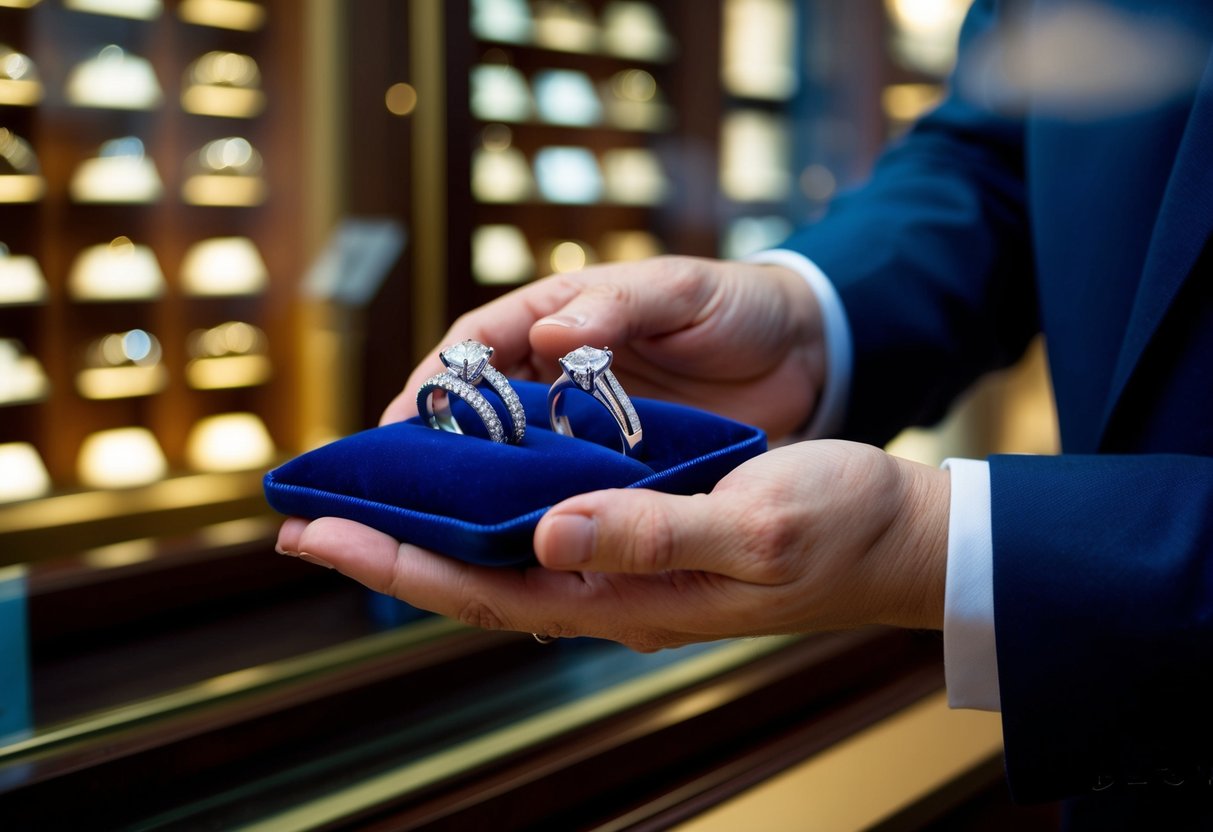
As couples today blend modern practices with tradition, the financial responsibility for rings is becoming more flexible. Many couples choose to split the costs or even buy rings together, making it a shared experience. This evolving approach shows how personal values shape the significance of wedding rings in each relationship.
Understanding who pays for wedding rings can help you navigate conversations with your partner and families. Whether sticking to tradition or carving out your own path, these rings signify your commitment to each other, no matter how you choose to manage the expenses.
Historical and Cultural Significance of Wedding Rings
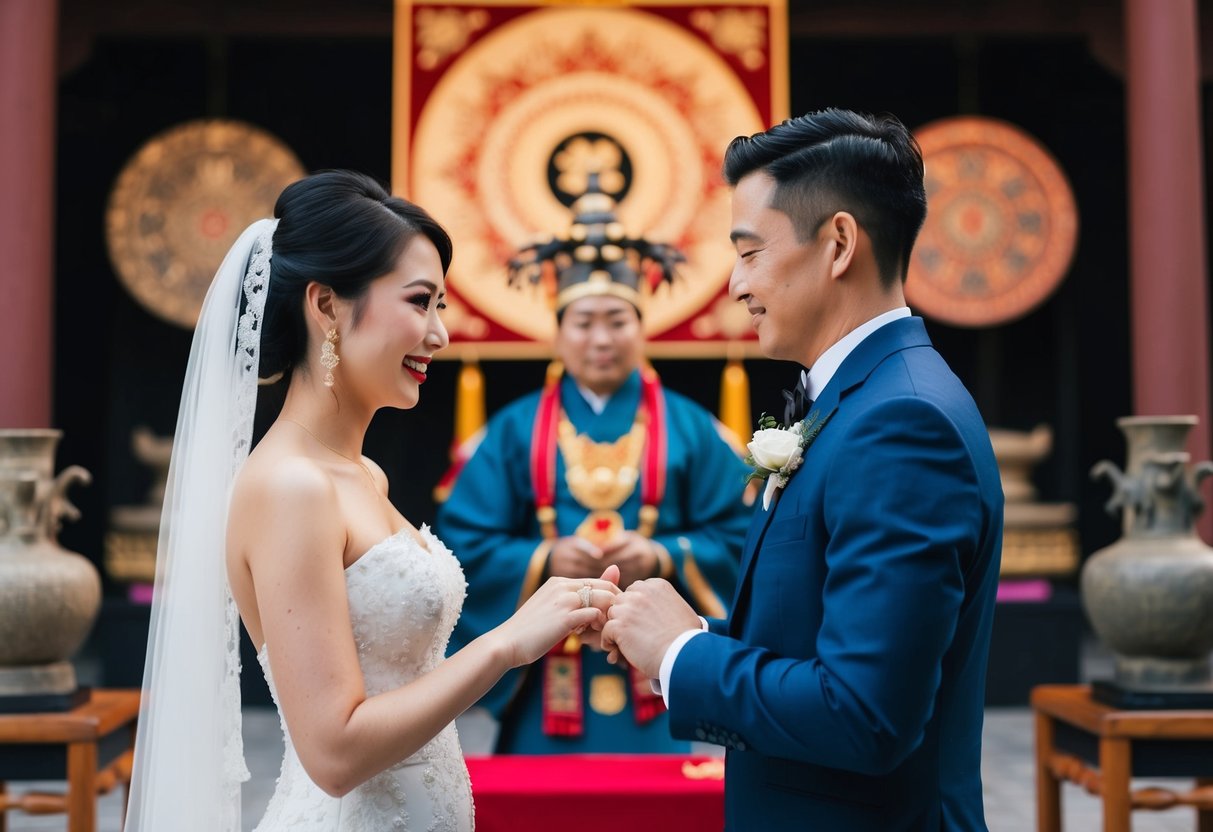
Wedding rings have a rich history filled with cultural meaning and evolving practices. Understanding their origins helps you appreciate their significance today. Both ancient traditions and modern influences shape how we view these symbols of love and commitment.
Origins and Traditions
The tradition of wedding rings dates back to ancient Egypt, where they were seen as symbols of eternity. Egyptians used circular bands made of braided reeds. These rings represented a continuous bond between partners.
In Roman times, the rings evolved. They began to include precious metals, reflecting wealth and status. The Romans also introduced the idea of the groom giving a ring to his bride as a sign of commitment. This practice set the foundation for modern customs.
Evolving Traditions and Modern Practices
As cultures merged, the tradition of wearing wedding rings spread worldwide. Each culture has its unique twist. For example, in some cultures, the bride and groom exchange rings during the ceremony, while in others, only the bride receives one.
Today, many couples personalize their rings with engravings or choose alternative materials, reflecting their individual styles. This shift shows how modern practices adapt ancient traditions to fit contemporary values.
Understanding these historical and cultural layers helps you appreciate the significance of your own wedding rings and the promises they represent.
Financial Aspects of Wedding Rings
Understanding the financial side of wedding rings is essential for couples planning their big day. It involves knowing your wedding expenses and how to balance your budget effectively.
Understanding Wedding Expenses
Wedding expenses can add up quickly. Besides the venue and catering, rings are a significant part of your budget. On average, couples spend about 3-8% of their total wedding budget on wedding bands.
Key Factors to Consider:
- Total Budget: Determine your overall budget first.
- Ring Costs: Engage in open dialogue about what each partner wants.
- Shared Expenses: Think about splitting costs, as many couples do today.
Your financial situation might guide how much you spend on rings. Having honest conversations can help avoid stress later on.
Wedding Budget Allocation and Priorities
Deciding how much to allocate for wedding rings can be challenging. Start by discussing priorities with your partner. You may have dream ideas, but setting practical limits is crucial.
Suggestions for Budgeting:
- Make a List: Write down all wedding expenses.
- Set Ring Budgets: Aim for a specific range based on your overall wedding costs.
- Flexibility: Be ready to adjust based on other priority expenses.
Finding the right balance in your budget will lead to a more satisfying purchasing experience. It’s important to make informed decisions that fit your financial landscape.
Contemporary Etiquette for Wedding Rings
When planning your wedding, understanding who pays for the rings and how modern couples approach this can guide your decisions. You may find that traditions vary, but today’s etiquette is more flexible.
Who Pays for The Rings?
Traditionally, the groom is expected to pay for the bride’s engagement and wedding rings. The bride often covers her own wedding ring, but these roles can change.
In modern contexts, couples discuss and decide together who will buy the rings. Many choose to split costs or even set a budget that both contribute to. It’s a good idea to communicate openly about financial expectations to avoid any surprises.
To keep things clear, consider making a list of who pays for what. This way, you’ll both feel involved and comfortable with your choices.
Modern Couples’ Approach
Today, wedding ring etiquette is more flexible. Many couples are breaking from traditions to suit their own style and financial situations.
You might choose matching rings or even custom designs that reflect your personalities. Some couples prioritize experiences over material items, so they may opt for simpler rings and use the rest of the budget for their honeymoon.
It’s common for both partners to contribute, reflecting partnership values. Whatever you choose, ensure it feels right for both of you. Open dialogue will make the process smoother and help you both feel excited about your rings.
Selection and Design of Wedding Rings
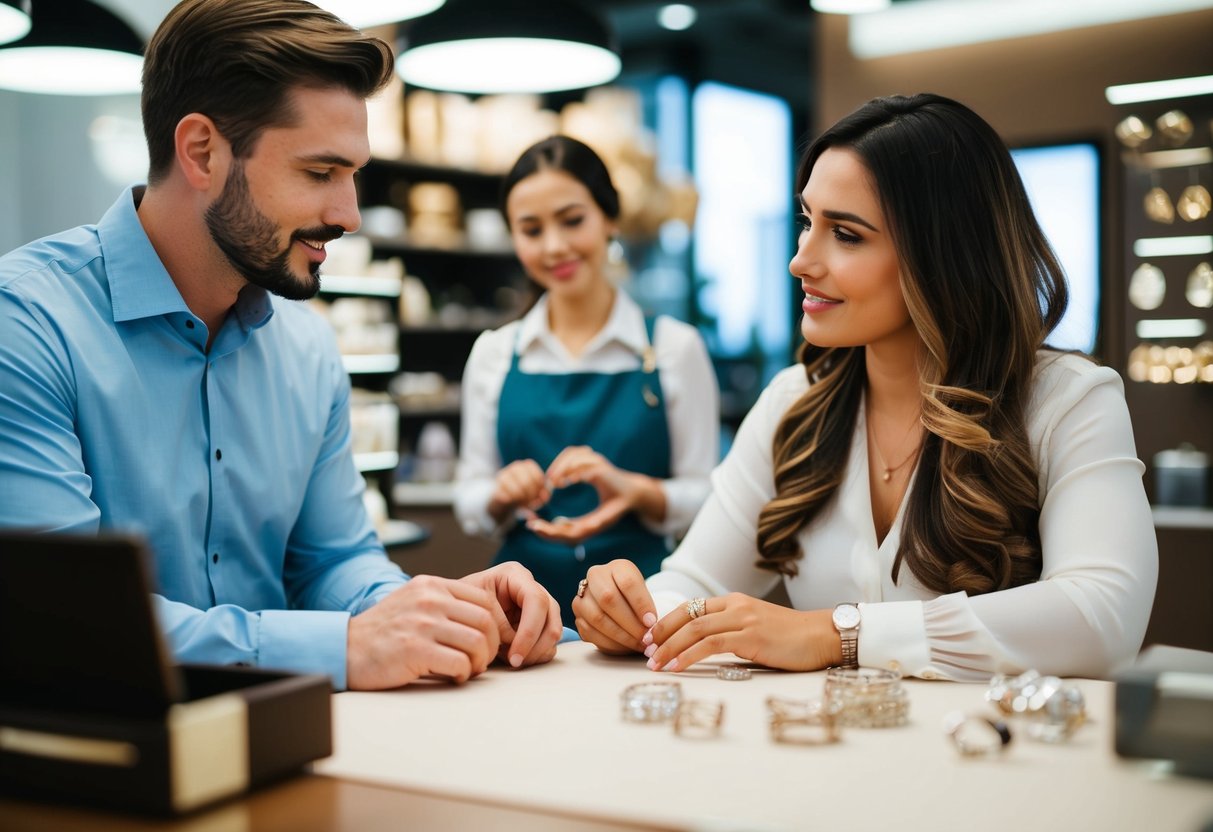
Choosing wedding rings involves personal preferences and material choices. The design you select should reflect your style and values. Whether you prefer traditional or modern looks, it’s essential to consider what materials and styles resonate with you.
Personal Preferences and Material Choices
Your personal style plays a big role in selecting wedding rings. Think about what metals you prefer—gold, white gold, rose gold, or platinum are popular options.
You might want to consider your lifestyle too. For instance, if you are very active, a durable material like platinum may be wise. It’s also crucial to think about gemstones. Diamonds are classic, but you can also explore alternatives like lab-grown diamonds or colored gemstones.
Take time to reflect on any symbols or engravings that hold meaning for you. This personal touch can make your rings even more special.
Exploring Brands and Designs
When it comes to brands, you have many options. Some well-known jewelers offer extensive collections, while boutique shops may provide unique designs.
Research brands that best match your style and budget.
Look for custom designs if you want something truly unique. Many jewelers create personalized rings based on your ideas and specifications.
Don’t forget to explore the design elements. Whether you prefer minimalistic styles or intricate details, ensure it aligns with what you love.
Remember, your wedding bands will be worn for a lifetime, so choose what feels right for you.