
Who Walks Down the Aisle and in What Order? A Guide to Wedding Processions
Choosing who walks down the aisle and in what order is an important part of your wedding ceremony. The traditional wedding processional order usually starts with family members, followed by the wedding party, and ends with the bride, making it a memorable moment for everyone involved. Knowing the order can help you with your wedding planning, ensuring a smooth march down the aisle.
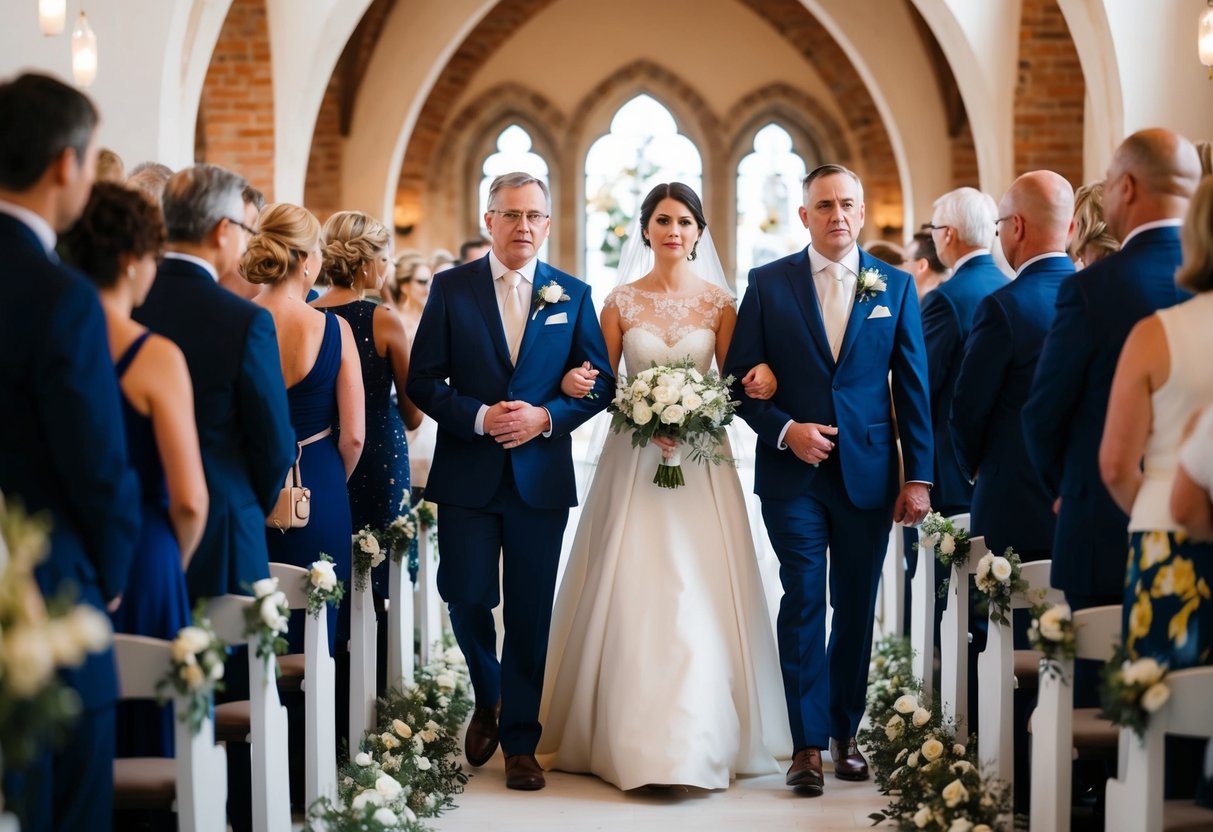
As you design your perfect ceremony, consider that the groomsmen often walk in pairs, while the bridesmaids typically walk down solo. In many ceremonies, the maid of honor is the last to walk before the bride makes her grand entrance. This order not only adds structure but also highlights key people who mean the most to you on your special day.
Understanding the wedding processional can take some stress out of planning. When everyone knows their role, you can focus on enjoying the moment. So, as you prepare for your big day, think about how this order reflects your love story and the journey you’ve shared.
The Wedding Processional Explained
The wedding processional is a special moment that sets the tone for your ceremony. It involves the order in which you, your wedding party, and family walk down the aisle. Understanding this order can help you plan your big day more smoothly.
Tradition and Variations
In a traditional wedding processional, the ceremony often starts with the grandparents and parents. Then, the wedding party follows, usually in pairs. This can vary between cultures. For example, in a Jewish wedding, both parents often walk their child down the aisle. In Hindu ceremonies, family members may lead the way with the bride and groom coming last.
You can also create your own nondenominational wedding processional order that fits your style. Personal touches, like including siblings or close friends, can make it unique. The key is to keep it organized so everyone knows when to step forward.
Role of the Officiant
The officiant plays a vital role during the wedding processional. They typically stand at the front, waiting to guide everyone through the ceremony. Their presence adds formality and structure to the event.
Before the procession begins, the officiant often communicates with the couple about timing and the order of entry. They may provide cues to the wedding party to ensure that everything flows smoothly. This helps prevent any awkward pauses and keeps everyone in sync.
Positioning of the Wedding Party
Positioning your wedding party correctly is important for a seamless processional. In a typical setup, the groom stands to the right of the officiant, while the bride stands to the left. The best man and maid of honor often stand beside their respective partners.
Bridesmaids generally walk in single file, starting with the farthest from the couple. The maid of honor is usually the last to walk down the aisle. Optionally, the flower girl and ring bearer can walk together or separately. This order helps create a beautiful visual as everyone approaches the front, ready to celebrate your big day.
Order of Entrance
The order in which the wedding party and family members enter the ceremony is important. It sets the tone for the event and highlights key participants. Here’s a closer look at how different groups typically walk down the aisle.
The Bridal Party’s Journey
The bridal party usually walks down the aisle after the immediate family. Traditionally, the process starts with the bridesmaids and groomsmen. They may enter in pairs, with the groomsmen leading. Often, the best man is the last of the groomsmen to walk down.
After the groomsmen, the bridesmaids make their entrance. They typically enter in the same way, with the maid or matron of honor following last. This person holds an important position, often being a close friend or family member of the bride. The bridal party’s entrance builds anticipation for the bride’s arrival.
Immediate Family Involvement
Immediate family members play a crucial role in the entrance order. Usually, the parents of the bride take the lead in walking down the aisle. The mother of the bride often walks in first, followed by the father of the bride.
Then, the parents of the groom follow, often in a similar manner. It’s common for families to be seated on opposite sides of the venue, symbolizing the joining of two families.
This segment of the entrance highlights the supportive role family members play in the couple’s commitment to each other.
Special Guests and Roles
After the bridal party and immediate family, special guests may have designated roles. For example, a flower girl typically walks down just before the bride. She can sprinkle petals along the aisle, adding a charming touch to the ceremony.
The ring bearer usually follows the flower girl, carrying the wedding rings on a small pillow. Both roles are often filled by younger family members, which brings an adorable aspect to the formal event.
These entrances are sometimes guided by the wedding planner, who ensures that everything runs smoothly. Following the special guests, the bride makes her grand entrance, often a highlight of the ceremony.
Cultural Variations in Processionals
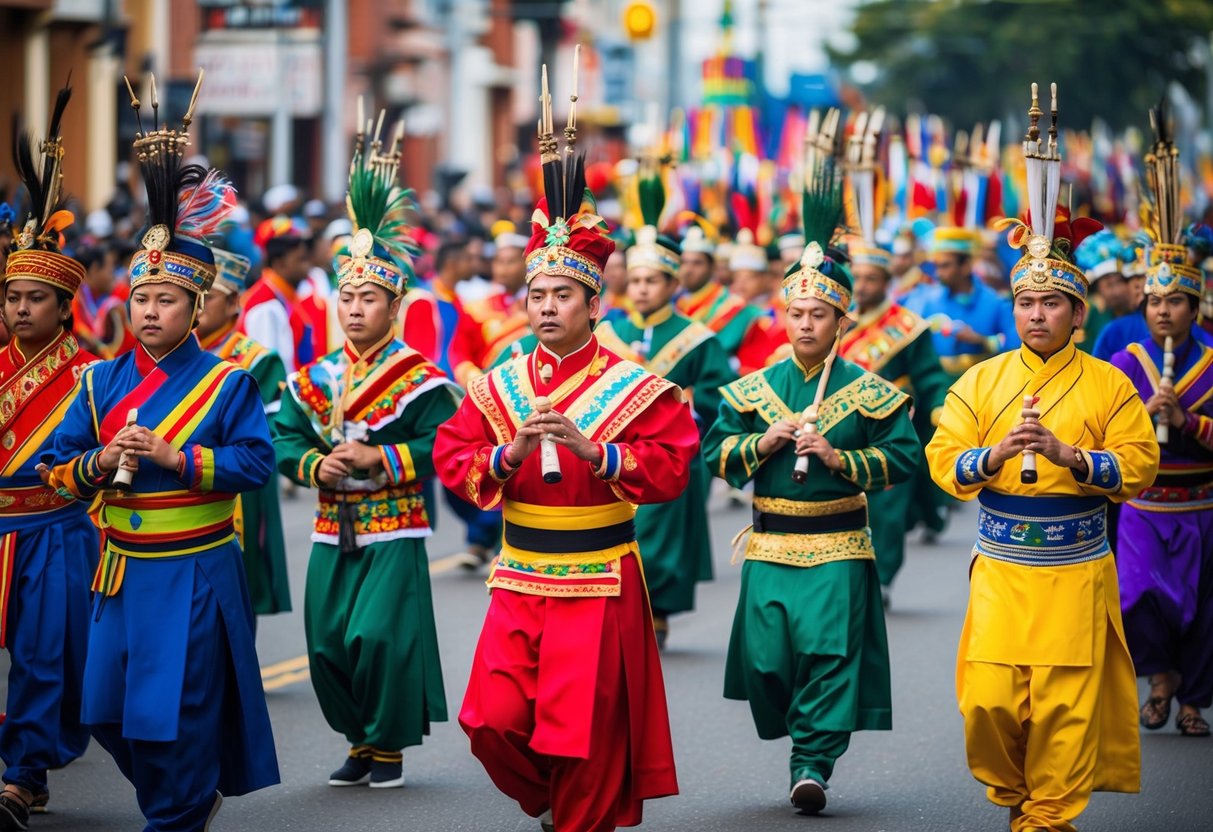
Different cultures have unique traditions for who walks down the aisle. These customs reflect their beliefs and values. Here are some key practices from Jewish, Hindu, and Christian weddings.
Jewish Wedding Traditions
In Jewish weddings, the processional often begins with the groom and his parents walking down the aisle. This is sometimes followed by the bride and her parents. One key element is the chuppah, a canopy that represents the couple’s home. During the ceremony, a rabbi or cantor guides the service. The bride might circle the groom seven times, showing commitment.
Hindu Ceremony Customs
Hindu weddings involve rich traditions. The baraat marks the groom’s arrival, often with music and dancing. He may ride a decorated horse or in a grand vehicle. After the baraat, the couple stands under a mandap, an elaborate structure symbolizing their new home. The bride typically walks down the aisle with both parents, symbolizing support from her family as she enters a new life.
Christian and Nondenominational Practices
In Christian weddings, the processional often has a clear order. Usually, bridesmaids and groomsmen enter first, followed by the bride. In a Catholic wedding, the bride typically walks down the aisle with her father. This moment is significant, representing the transition from her family to the new union. Many nondenominational services follow similar patterns but allow couples to personalize details, adding their own flair to the order of processionals.
The Ceremony’s Musical Elements
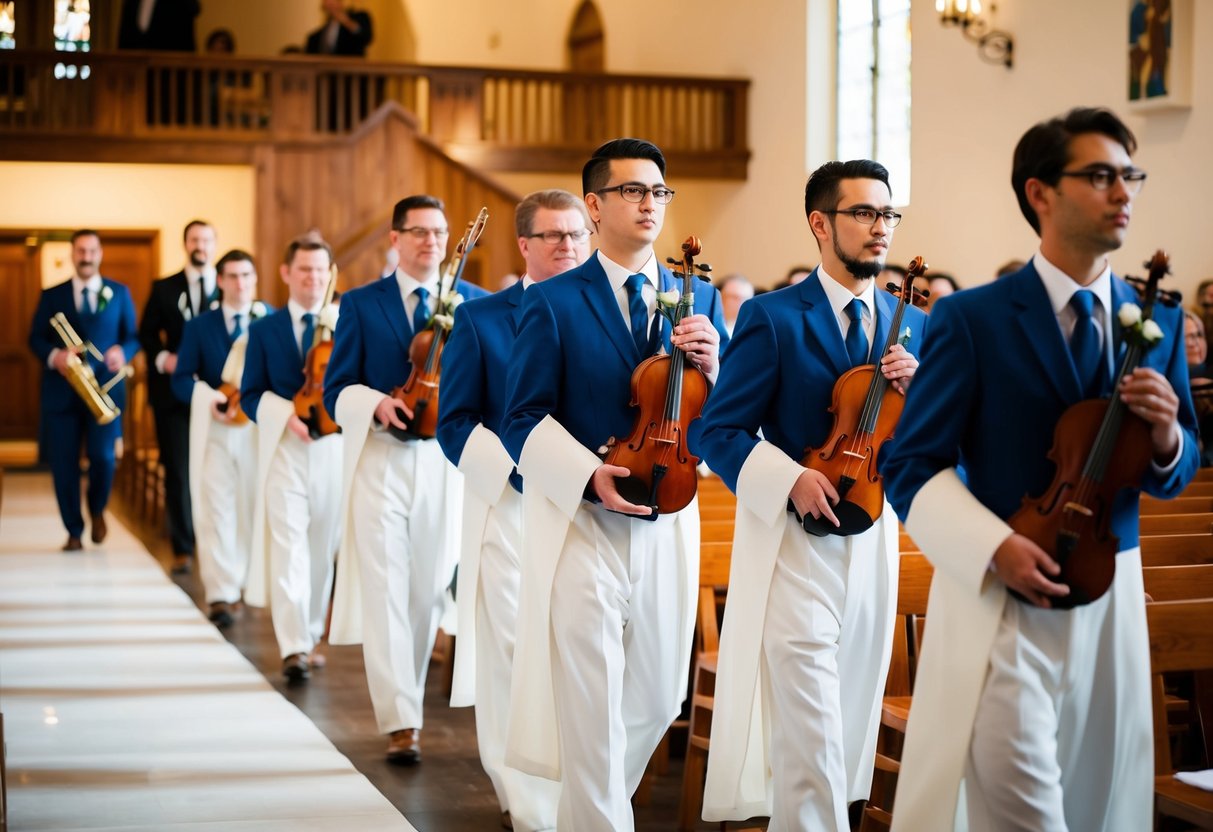
Music plays a vital role in setting the mood for your wedding ceremony. The right sounds enhance the emotions and create memorable moments. Dedicating time to choose the perfect music makes your day even more special.
Choosing the Perfect Processional Music
The processional music marks important moments as you walk down the aisle. This selection often reflects your personal style and the tone of the ceremony.
When choosing your wedding processional song, consider the following:
- Type of Music: Do you prefer classical pieces, contemporary songs, or instrumental tracks?
- Mood: Think about the feelings you want to evoke in your guests.
- Timing: Ensure the music begins before the first person walks down the aisle.
A popular choice is “Here Comes the Bride,” but many couples opt for unique songs that resonate personally. Make sure to listen to various options before making your final decision.
The Role of Prelude and Recessional Tunes
Prelude music sets the ambiance before the ceremony starts. It fills the space with sound as guests arrive and take their seats. This creates a warm and inviting environment.
For prelude music, consider soft instrumental pieces that allow for quiet conversation. You can also use your favorite love songs to enhance the experience.
Recessional music, on the other hand, celebrates the conclusion of your vows. Think of upbeat songs that signify joy. This music accompanies your exit as a married couple, making it memorable. Popular recessional tunes include “Wedding March” and “All You Need Is Love.”
Choosing these musical elements carefully can make your ceremony feel complete and personal.