
Who Walks Down the Aisle First in the UK? Exploring Wedding Traditions
When planning your wedding ceremony, you might wonder about the tradition of who walks down the aisle first in the UK. Typically, the officiant leads the way, followed by the groom and best man. Then, the bridesmaids walk in pairs. This order sets a beautiful tone for the ceremony, honoring cultural traditions cherished for generations.
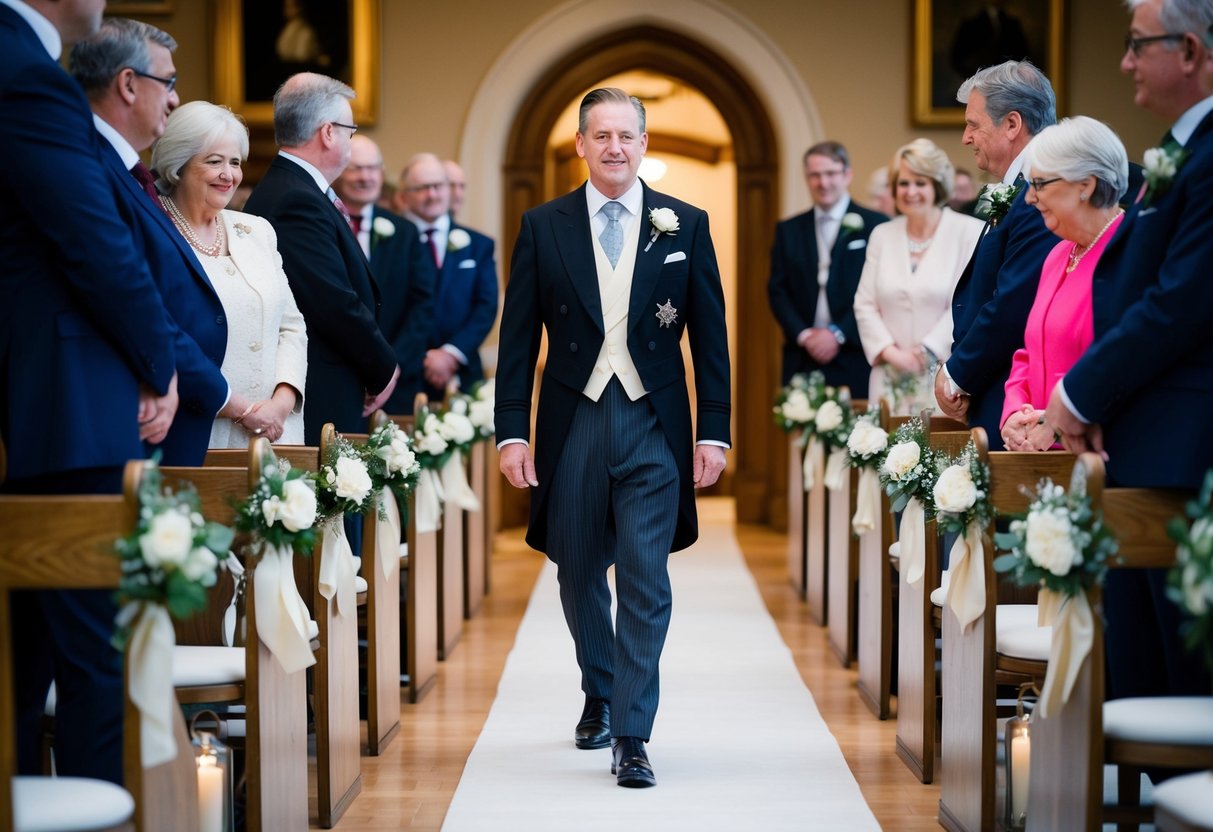
You can customize the processional to reflect your personality and preferences, so feel free to adjust this order as needed. Many couples today opt for unique twists on these classic wedding traditions, making their ceremonies truly their own. Understanding the roles of each participant can help you create a memorable experience for everyone involved.
No matter how you choose to organize your wedding processional, embracing these customs can add depth and meaning to your special day. Exploring how to personalize this part of the ceremony can make your wedding all the more unique and enjoyable for you and your guests.
The Order of the Wedding Processional in the UK
When planning your wedding, the order in which everyone walks down the aisle is important. It sets the tone for the ceremony and gives each person a special moment as they enter. Here’s how the processional usually unfolds in the UK.
Commencement of the Procession
The wedding processional typically begins with the groom. He walks down the aisle first, often accompanied by his parents. After him come the groomsmen, who are usually close friends or family members. Following the groomsmen, the best man takes his place beside the groom. This order helps establish a sense of formality and excitement as the ceremony begins.
Roles of Family Members
Family members play key roles in the processional. The mother of the bride usually enters next, taking a seat in the front row on the left side. Following her, the father of the bride will walk his daughter down the aisle, symbolizing a significant moment in your family. The seating also follows tradition, with the bride’s family on the left and the groom’s on the right, creating a visual balance for the guests.
The Bridal Party’s Entrance
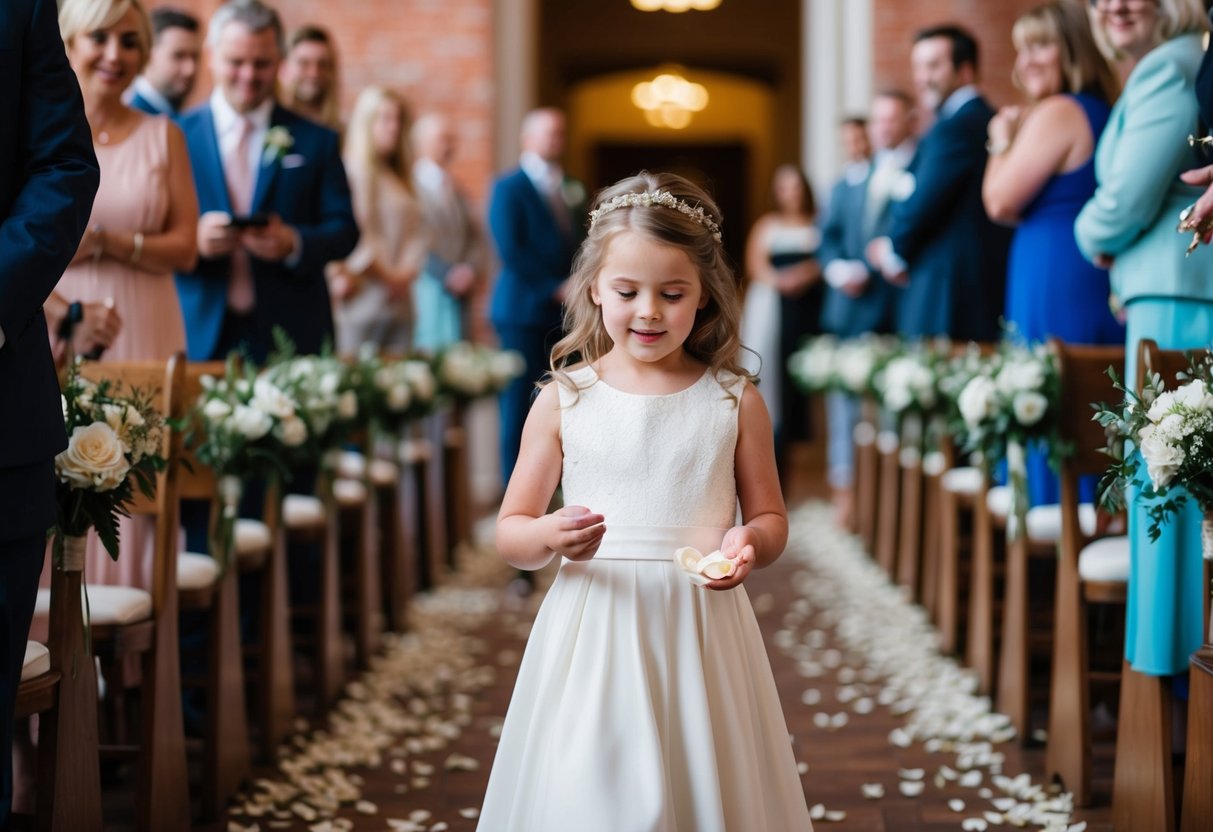
After family members, the bridal party makes their entrance. The bridesmaids walk down the aisle one by one, usually in pairs or in the order of seniority. The maid of honor often walks last among them. Next are the flower girls and page boys. The flower girls may scatter petals or carry small bouquets, while page boys often hold wedding rings. This adds charm and warmth to the ceremony.
Bride’s Grand Entrance
The most anticipated moment is when you, the bride, make your grand entrance. Traditionally, you walk in with your father. This moment is filled with emotion, as it signifies the start of a new chapter in your life. All eyes will be on you as you walk down the aisle, wearing your stunning dress. Your entrance creates a memorable highlight for you and your guests.
Key Roles in the Processional
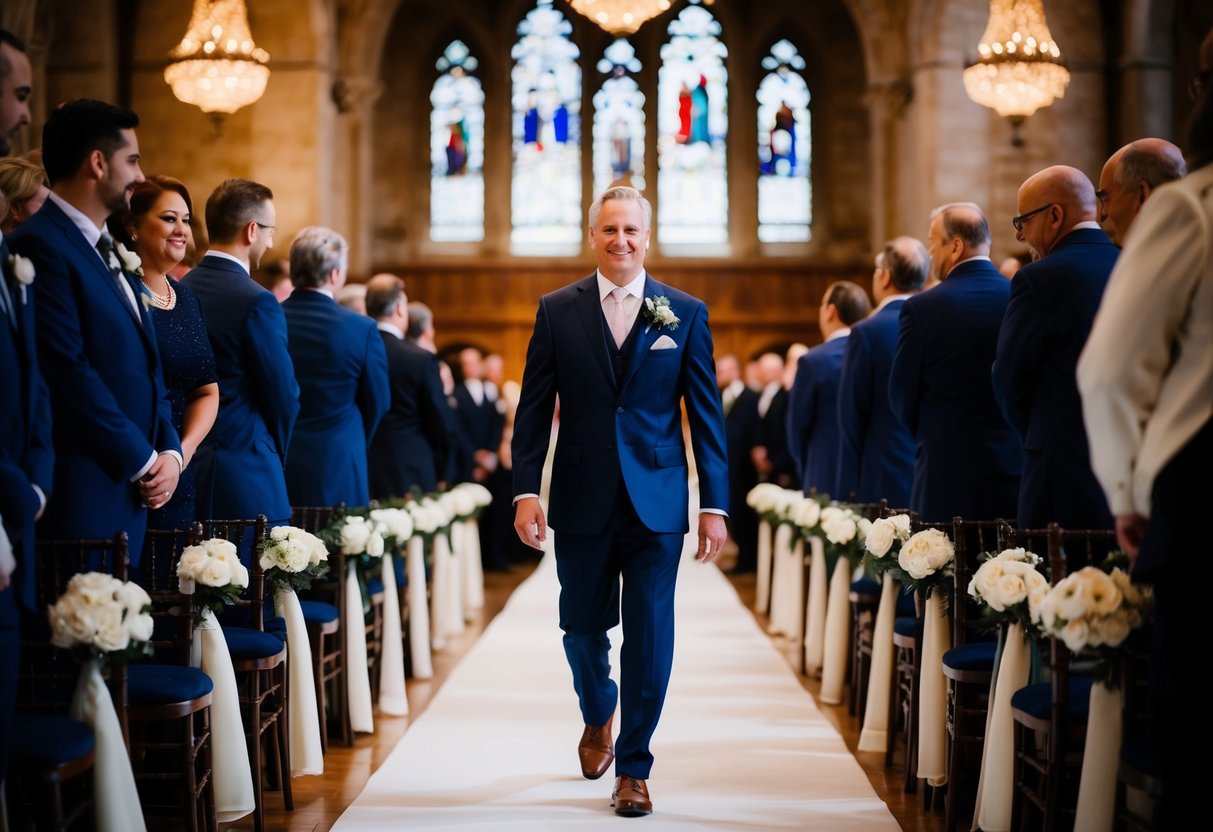
In a wedding processional, different individuals play important roles. Understanding their responsibilities can help you plan a smooth ceremony. Here are the key figures you will want to know about.
The Role of the Best Man and Maid of Honour
The Best Man and Maid of Honour, or Chief Bridesmaid, are vital to the wedding. The Best Man usually walks down the aisle right before the groom. He holds the groom’s ring and is responsible for keeping things organized during the ceremony.
The Maid of Honour walks with the bridesmaids and often helps the bride with her dress and any last-minute details. She might also hold the bride’s bouquet during the ceremony. These roles are meant to support the couple and help ease any stress.
Responsibilities of the Flower Girl and Ring Bearer
The Flower Girl and Ring Bearer add a charming touch to the processional. The Flower Girl typically walks ahead of the bride, scattering petals down the aisle for a beautiful effect. She often wears a miniature version of the bride’s dress, which enhances the overall look of the ceremony.
The Ring Bearer, usually a young boy, carries the wedding rings on a pillow. He often walks just before the bride, symbolizing innocence and purity. Both roles bring joy and enchantment to the event, making it extra special for everyone.
The Significance of the Officiant
The Officiant is the first person to walk down the aisle. This role is essential, as the officiant leads the ceremony. Typically, the officiant is a religious figure, a justice of the peace, or someone authorized to perform weddings.
Once in place at the altar, the officiant sets the tone for the event. They guide the couple through the vows and the exchange of rings. This person is crucial in ensuring that the ceremony runs smoothly and is legally binding. Without the officiant, the wedding cannot proceed.
Music and Ambiance at a UK Wedding Ceremony
Music plays a vital role in creating the right ambiance at your wedding ceremony. Choosing the right processional song can heighten anticipation and set the emotional tone for the day.
Choosing the Processional Song
Selecting the right wedding processional song is essential. This song marks the moment you, the bride, make your entrance. Traditional choices like the Bridal Chorus from Wagner are popular for their elegance.
You might also consider modern songs that reflect your personal style. Think about songs that hold special meaning for you and your partner.
You can create a playlist with a mix of genres that fit the mood you want. Whether you prefer classical, contemporary, or even live music, ensure it resonates with your love story.
The Role of Music in Setting the Tone
The right music helps set the emotional backdrop for your ceremony. It builds anticipation as you walk down the aisle.
In the UK, the wedding processional music builds excitement and creates a memorable experience.
As your guests take their seats, a lovely prelude can fill the air, making everyone feel welcome.
During the ceremony, music can enhance key moments, like the exchange of vows. You may include special songs that reflect your journey together or your families’ heritage.
This thoughtful choice adds depth and warmth to your ceremony.