
Who Walks Down the Aisle First? A Guide to Wedding Processional Traditions
Planning a wedding comes with many details to consider, and the order of the processional is one important aspect. Typically, the parents of the groom walk down the aisle first. They are followed by the mother of the bride with an usher. This order can vary depending on personal traditions or preferences, especially in different cultures or family backgrounds.
As you think about who walks down the aisle and in what order, remember that this is your day. You can personalize the processional to reflect your beliefs and family dynamics. Each couple can adapt the order in a way that feels right for them, making the ceremony unique and special.
You’ll want to think about how to include your loved ones in these cherished moments. This article will guide you through the common processional orders and help you create a memorable experience for you and your guests.
Understanding Wedding Processionals
When planning your wedding, understanding the order and significance of the processional is key. This order not only sets the tone for your ceremony but also honors family and cultural traditions. Let’s explore the traditional and cultural variations of wedding processions.
The Wedding Processional Order
In a typical wedding processional, certain people walk down the aisle in a set order. This order can vary slightly depending on the couple’s preferences and their cultural backgrounds.
A common traditional order of procession includes:
- Grandparents: They usually walk first.
- Parents: The groom’s mother walks next, followed by the bride’s mother.
- Wedding Party: Bridesmaids and groomsmen follow.
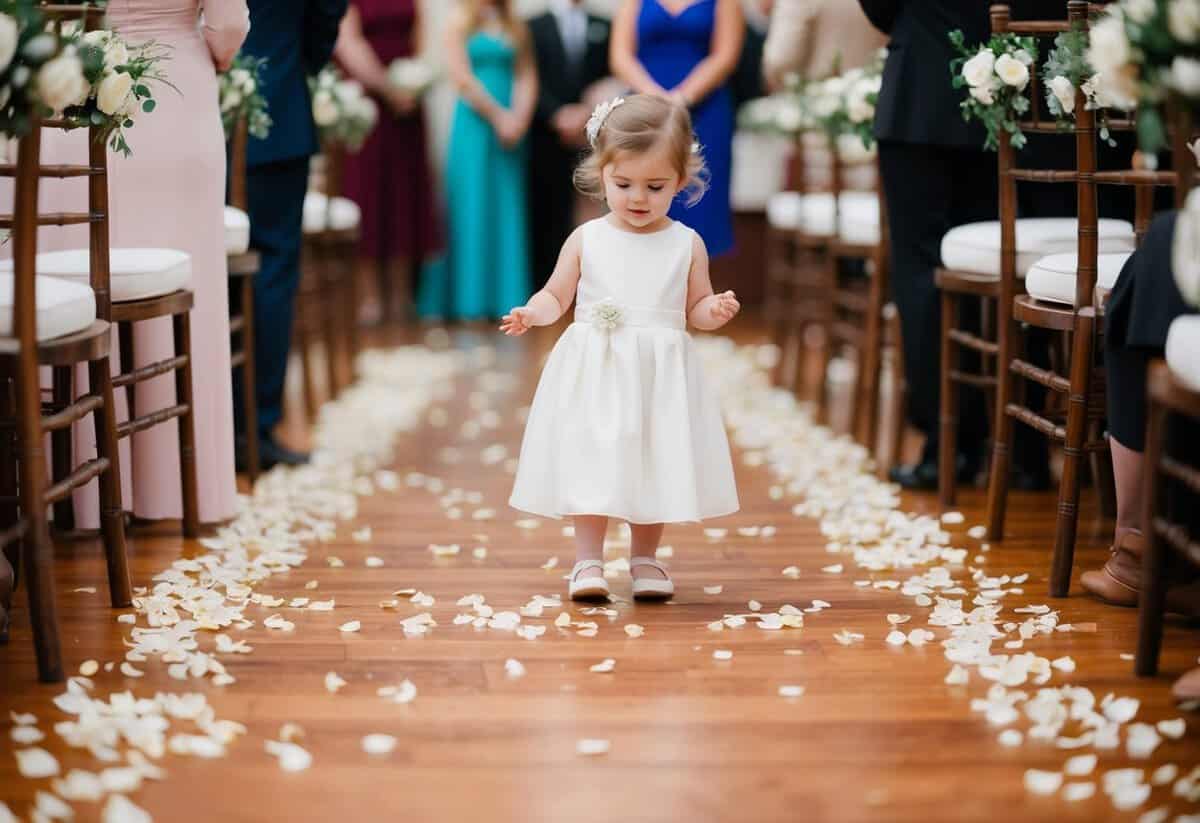
- Flower Girl and Ring Bearer: These little ones add charm as they walk down.
- The Bride and Father: Finally, the bride walks down the aisle, usually on her father’s right side.
This structure ensures everyone has a designated role and adds to the formality of the ceremony.
Variations Across Cultures
Different cultures bring unique customs to the wedding processional. For example, in a Christian wedding processional, you may see traditional hymns accompanying the procession. In contrast, a Jewish wedding processional often includes the rabbi leading the couple to chuppah, reflecting religious significance.
In Hindu ceremonies, the groom may be escorted with great fanfare, often on horseback, signifying his importance. Each culture adds meaningful layers to the processional, making it special and personal.
Whether you choose a modern wedding processional or stick to the traditional order, recognizing these variations can help you create a ceremony that reflects your values and family heritage.
Roles and Responsibilities
Understanding the roles in your wedding can help everything run smoothly. Each member of the wedding party has specific duties that contribute to the joy of the day.
Duties of the Bridal Party
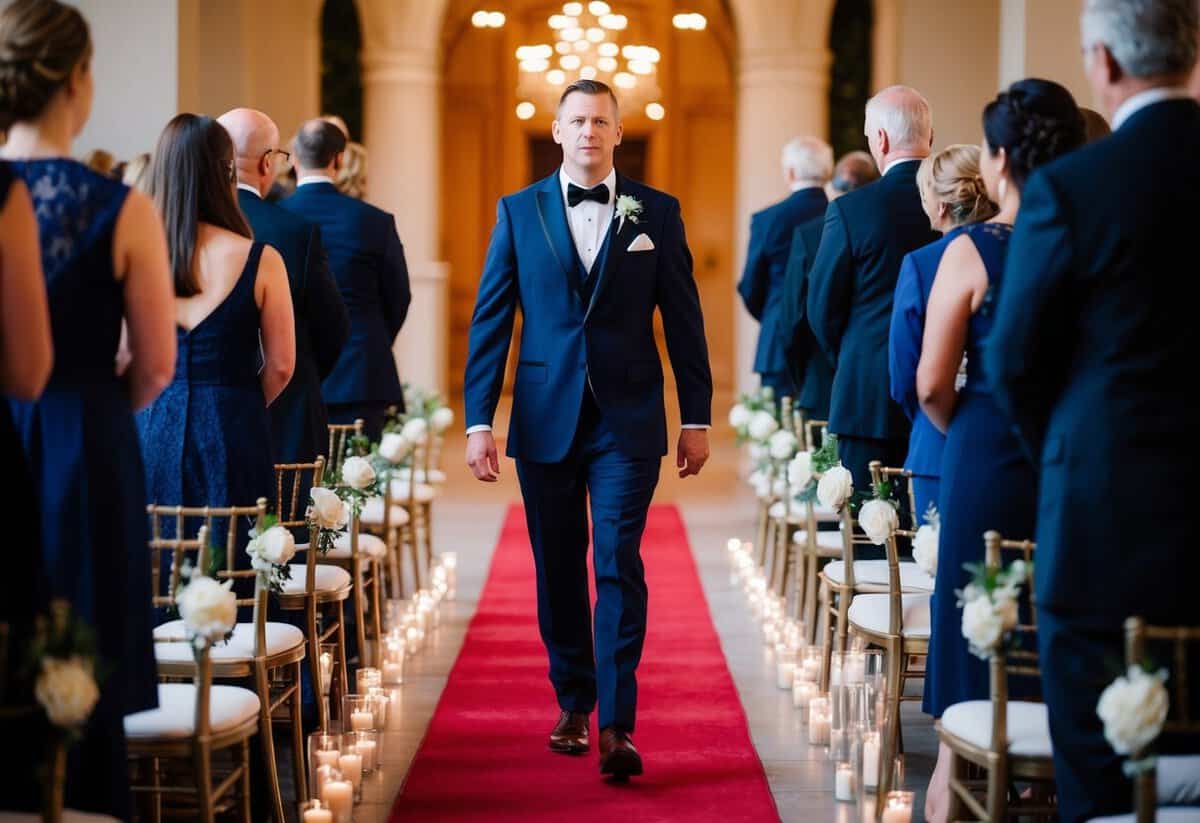
Your bridal party plays a vital role in the ceremony. Each member has unique responsibilities, starting with the best man. He is usually in charge of the groom, keeping him calm and organized.
Groomsmen help with tasks like collecting gifts and ensuring guests are seated. The maids of honor support the bride in other ways, such as planning the bridal shower and assisting with the dress.
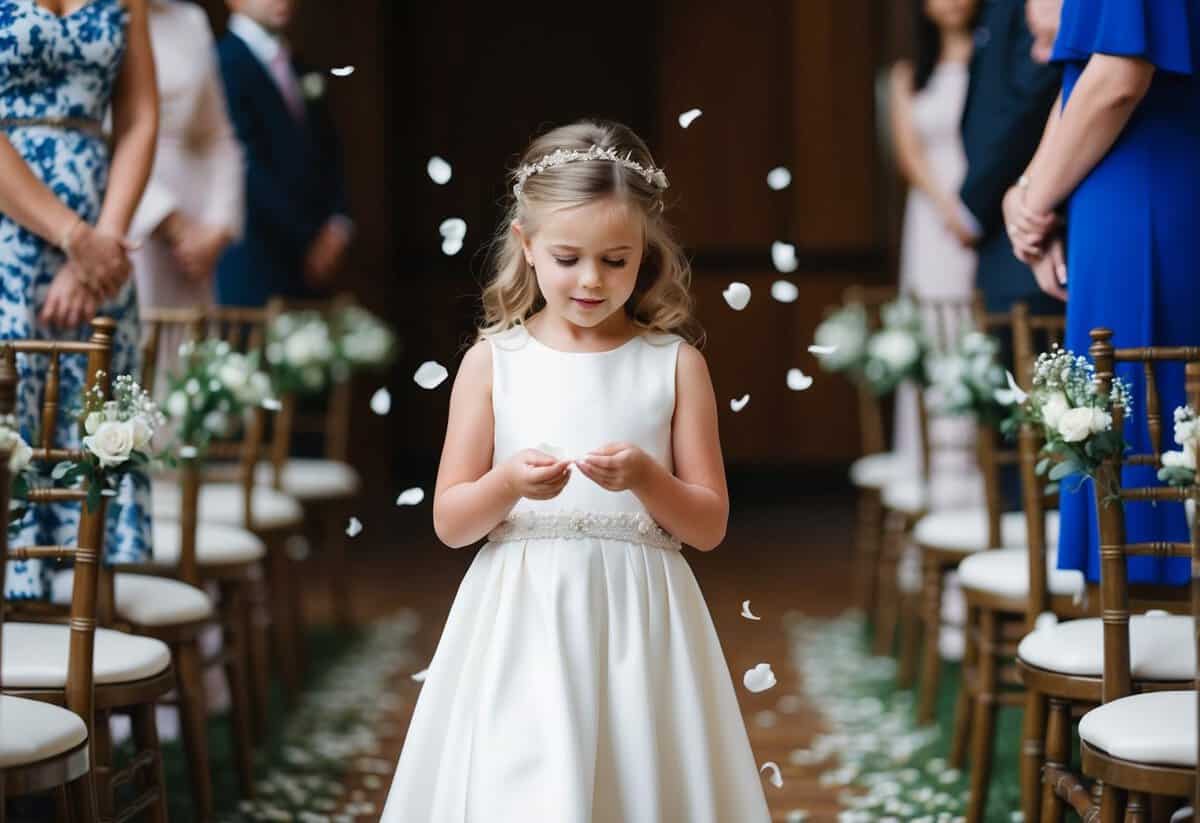
The flower girl adds charm by scattering petals as she walks down the aisle. The ring bearer carries the rings, usually in a special pillow or box. They make the processional joyful and memorable.
The Significance of Roles
Each role in the bridal party is not just for function but also for tradition. The presence of family and friends walking down the aisle signifies support and love.
As the mother of the bride walks first, it marks the start of the ceremony. The officiant follows, setting the formal tone for the vows exchanged.
This order reflects respect for older generations, especially when grandparents are escorted. It’s a beautiful way to honor family and traditions, creating a meaningful experience for everyone involved.
Key Ceremony Participants
Understanding the key ceremony participants helps you visualize the flow of the wedding procession. Each person plays a significant role in creating a memorable moment as they walk down the aisle.
The Role of Family Members
Family members often take center stage during the wedding processional. Typically, parents walk down the aisle before the wedding party, with the mother of the bride usually leading the way. She might be escorted by her partner or another family member.
Next, the father of the bride traditionally follows, either alone or with the mother. In some cases, parents of the groom also participate, ensuring both families are represented. This helps set a warm and supportive tone for the ceremony. Grandparents may also be given special recognition, often walking down the aisle before immediate family members.
Children often have their roles too, like flower girls and ring bearers, who may follow older family members. Flower girls typically drop petals, while a ring bearer carries the rings. Their presence adds charm to the ceremony.
Officiant’s Part in the Ceremony
The officiant plays a crucial role in the ceremony. You generally see them enter last, walking down the aisle just before the bride. They set the tone for the event and guide everyone through the proceedings.
When the officiant reaches the altar, they await the couple’s arrival. Their responsibilities include leading vows, pronouncing the couple married, and sometimes even giving a heartfelt message.
The officiant can be a religious figure or a person who has been ordained. Whichever you choose, their presence helps create an atmosphere of love and commitment. Remember, choosing the right officiant contributes to a smooth and memorable ceremony.
Ceremony Elements and Etiquette
Understanding the key elements of your wedding ceremony can help you plan a smooth and meaningful event. Each part of the ceremony, from who walks down the aisle first to the recessional, carries traditional significance and can be tailored to fit your style.
The Grand Entrance
The grand entrance sets the tone for the ceremony. Typically, the processional begins with the mother of the bride walking down the aisle, followed by the wedding party. The bride usually walks in last, often escorted by her father, symbolizing his support and giving her away.
You can personalize this moment by choosing processional music that reflects your relationship. Consider whether you want a traditional song or something unique. Other elements you might incorporate include a bouquet carried by the bride and perhaps a ring bearer or flower girl for added charm.
In some cultures, like a Jewish wedding, you’ll see a chuppah or a mandap representing new beginnings. Each step in this processional is a chance to celebrate with your loved ones.
The Recessional Explained
After the vows and rings, the recessional marks the end of the ceremony and the beginning of your married life. Traditionally, the bride and groom exit the ceremony first, followed by the wedding party, in the reverse order of the processional.
This moment is often filled with joy and celebration. Guests typically toss petals or throw confetti as you walk down the aisle as a couple. You can choose a fun recessional song to set a celebratory mood.
Whether you plan a nondenominational ceremony or a more traditional one, make sure the recessional reflects your style. It’s a chance to enjoy the moment with your bridesmaids and groomsmen. You can also celebrate with family and friends as you embark on this new journey together.