
Who Walks Down the Bride? Exploring Traditional Wedding Roles
As you plan your wedding, you may wonder, “Who walks down the bride?” Traditionally, a parent, often the father, escorts the bride down the aisle during the wedding ceremony. This moment is significant and symbolizes the support and love of family as you embark on a new journey in life.
While the father-daughter walk is a common tradition, it’s not the only option. You can choose to have another family member, like a stepfather or even a sibling, walk you down the aisle. Some brides also opt to walk solo or with both parents, reflecting their unique family dynamics and personal preferences.
Understanding these options can help you create a wedding processional that feels right for you and honors your relationships. Each choice adds meaning to your celebration and creates a beautiful moment as you make your way to the altar.
The Order of the Processional
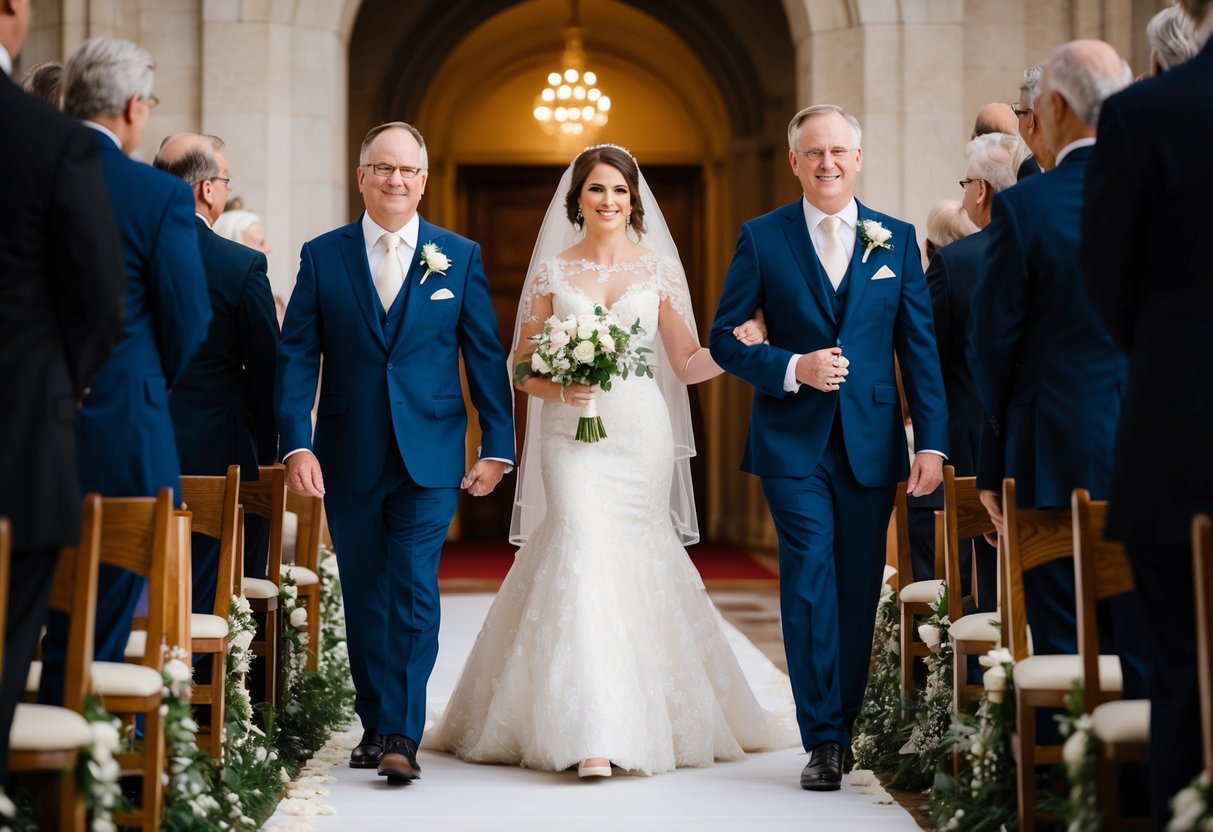
The processional order is an important aspect of your wedding ceremony. It sets the tone and brings all the emotions to the forefront as you walk down the aisle. Different cultures and traditions have unique orders, making it essential to know what fits your ceremony best.
Traditional Christian Processional
In a traditional Christian processional, the order often begins with the groom’s grandparents, followed by the bride’s grandparents. Next, the groom’s parents walk down the aisle, sometimes accompanied by friends or family.
The bridesmaids and groomsmen enter next, usually in pairs. Finally, the bride walks down the aisle, often escorted by her father or a significant figure in her life. It’s a moment filled with anticipation, as many guests await the arrival of the bride.
Jewish Wedding Processional
In a Jewish wedding processional, the order typically starts with the rabbi. Then, the groom enters, often accompanied by both sets of parents. Next, the bride’s parents follow, leading to the bride’s entrance.
One unique aspect is the Baraat, where the groom sometimes dances into the ceremony, adding joy and excitement. The celebration continues as the bride walks down the aisle, usually surrounded by her family and friends, creating a lively atmosphere.
Hindu Wedding Processional
A Hindu wedding processional is vibrant and filled with cultural significance. It often starts with the Baraat, where the groom arrives on horseback or a decorated vehicle, accompanied by family, friends, and music.
Once the groom arrives at the venue, the ceremony begins under the Mandap. The bride then makes her entrance, dressed elegantly and often accompanied by her family. This joyful celebration emphasizes the unity of both families and sets a festive tone for the ceremony.
Non-Denominational and Other Traditions
Non-denominational ceremonies offer more flexibility in the processional order. You can personalize it to fit your style and preferences. This might include sharing the aisle with family or friends, or incorporating special music that holds meaning for you.
Common choices often involve the couple walking down together, or blending traditions from various backgrounds. This approach allows for a unique and memorable wedding procession that reflects your personalities and beliefs. You have the freedom to create a processional order that genuinely represents your love story.
Roles and Responsibilities
When it comes to who walks the bride down the aisle, different people play special roles during the ceremony. Understanding each person’s responsibilities can help make the day memorable and smooth.
The Bridal Party
The bridal party includes your closest friends and family members. This group typically consists of bridesmaids, groomsmen, and even a best man.
- Bridesmaids support you in the wedding planning and assist on the big day.
- Groomsmen help the groom and ensure everything runs smoothly.
- Best Man takes charge of organizing pre-wedding events and may give a speech during the reception.
The energy and excitement brought by your bridal party enhance the overall celebration. Their roles are not just about walking down the aisle; they symbolize the love and support surrounding you.
Roles of Family Members
Family members hold significant positions during the ceremony. The father of the bride typically walks you down the aisle, representing a traditional gesture of giving you away. The mother of the bride often plays a critical role in the planning process and may assist in the procession. She might walk ahead of you, showcasing her support.
The groom’s parents also participate, often seated in a place of honor. This acknowledgment of both families helps set a united tone for the ceremony. Their involvement reflects the merging of two families as you start your new life together.
Special Participants
Some ceremonies include special participants that add a lovely touch. Flower girls and ring bearers are charming aspects of the wedding.
- Flower girls often toss petals down the aisle, creating a beautiful path for the bride.
- Ring bearers carry the wedding rings on a pillow, ensuring they arrive safely.
Sometimes, you may also want to include page boys, who can assist with tasks or hold flowers. Each of these roles not only enhances the ceremony but also creates lasting memories for everyone involved. You can think of these participants as adding a personal touch to your special day.
Ceremony Highlights
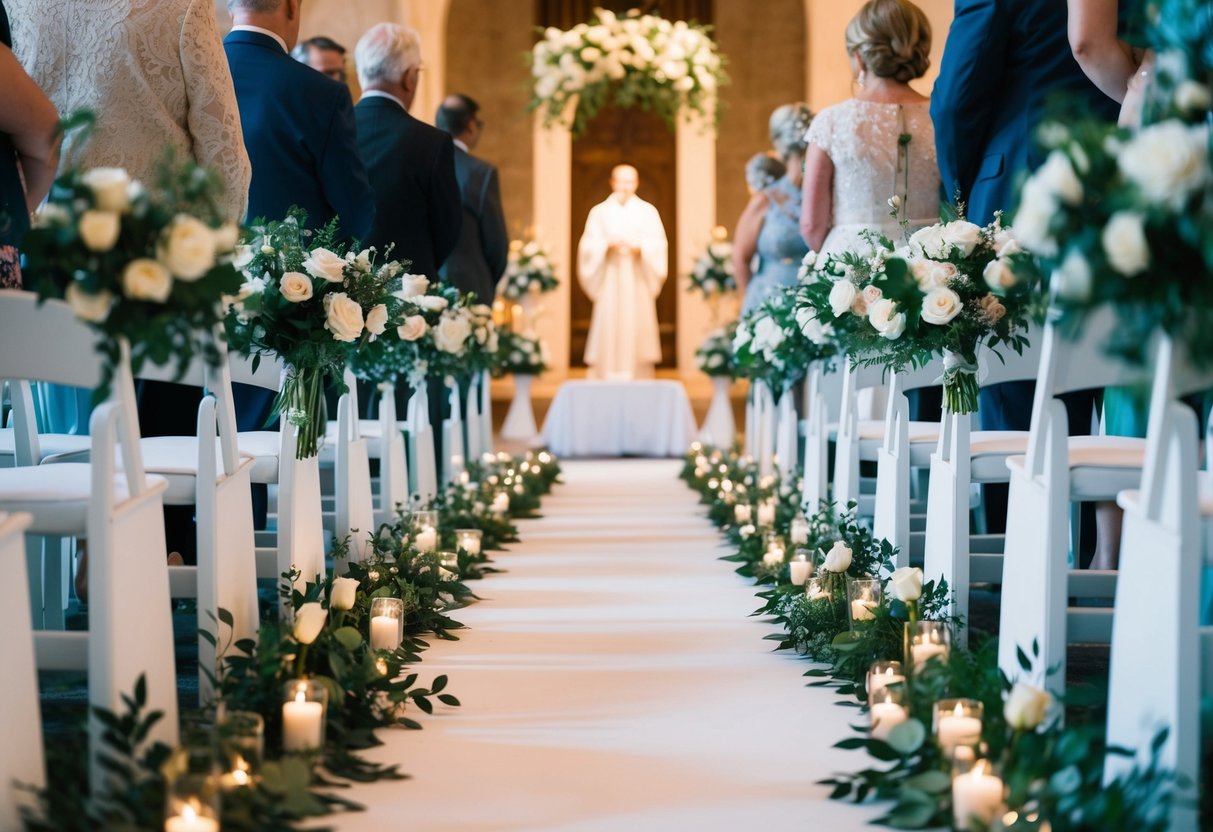
The wedding ceremony is filled with special moments that create lasting memories. Each part, from the entrance to the exchanging of vows, plays a critical role in celebrating love and commitment.
Grand Entrances and Walks Down the Aisle
As the ceremony begins, the grand entrance is one of the most anticipated moments. Traditionally, the bride walks down the aisle, often escorted by her father or both parents. This symbolizes support and love as she enters this new chapter.
In some Jewish weddings, the bride may walk under a chuppah, which represents the home she will build with her partner. The wedding processional song sets the tone, whether it’s a classic piece or a personal favorite.
Each family member’s involvement is also significant. Grandparents often have a special role, reminding everyone of family connections while ring bearers can add a touch of innocence and charm.
Exchanging of Vows and Wedding Rings
The moment you exchange vows is central to the ceremony. This is where you express your love and commitment in front of your family and friends. Many choose to write their own vows to make this time personal and meaningful.
After the vows, the exchange of wedding rings follows. The officiant, often a rabbi, pastor, or civil officiant, will guide you through this process. Rings symbolize unity, and slipping them on each other’s fingers is a powerful act of commitment.
This part of the ceremony can be enhanced by readings or blessings, adding depth and tradition, especially in military weddings where special customs may apply.
The Recessional Sequence
As the ceremony concludes, the recessional marks a joyful exit. You and your partner lead the way down the aisle together. Often, wedding attendants and family follow you.
The officiant usually exits last, signifying the formal end of the ceremony. Upbeat music typically accompanies this part, creating a celebratory atmosphere.
Family members and friends gather to congratulate you, turning this moment into a heartfelt celebration. It’s a beautiful transition from the ceremony to the festivities that follow, embracing love and joy.