
Who Walks Down the Groom’s Mom? Exploring Traditions and Roles in Wedding Processions
Planning a wedding involves many details, and one important question often arises: who walks down the groom’s mom? Typically, the groom’s mother can walk down the aisle escorted by a family member or a close friend, making this moment meaningful and personal. This tradition helps honor her role in the ceremony while showing respect for the relationships that matter most.
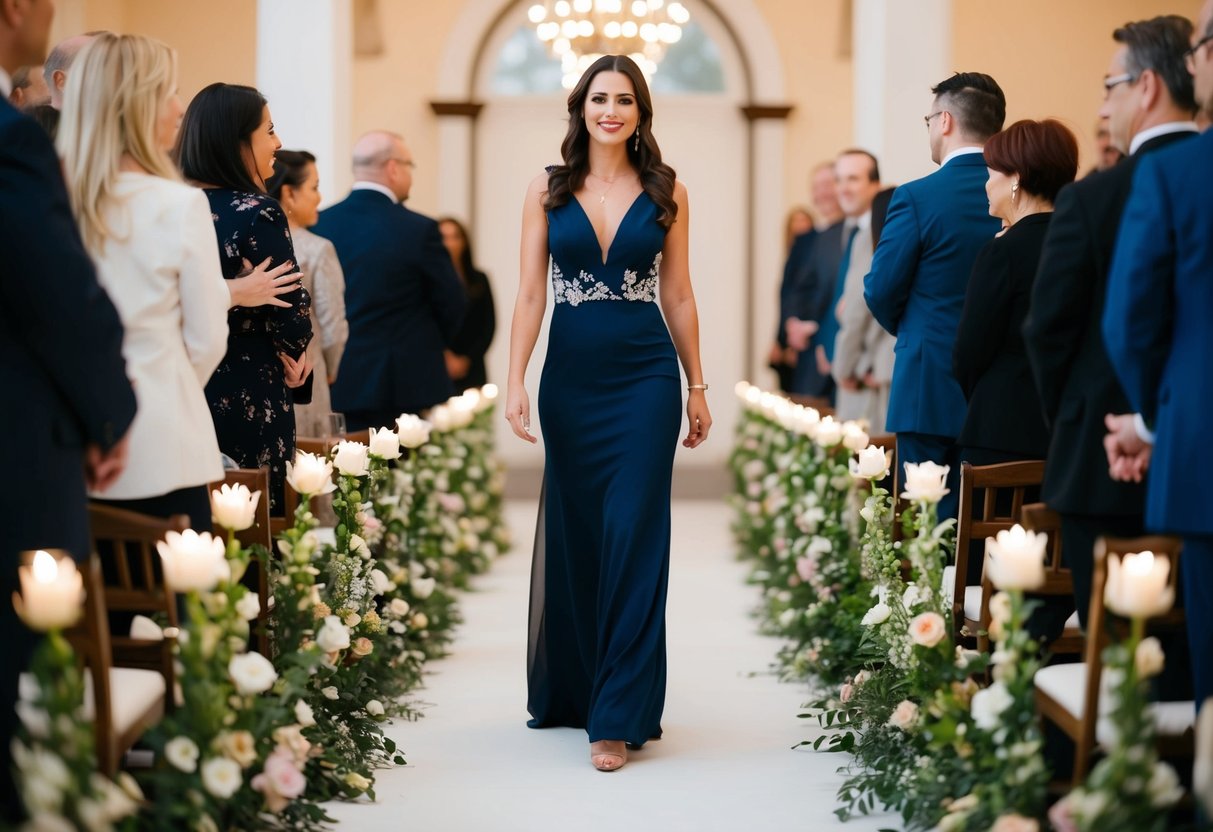
As you think about your own wedding ceremony, remember that the processional can be flexible. You might choose to have her walk solo or be accompanied by the groom himself. This choice reflects the unique dynamics of your family and adds a personal touch to the event.
When figuring out the order of your wedding procession, consider what feels right for you and your groom’s family. Creating a meaningful moment for the mother of the groom can enhance the overall warmth of your wedding day.
The Role of the Groom’s Mother in the Wedding
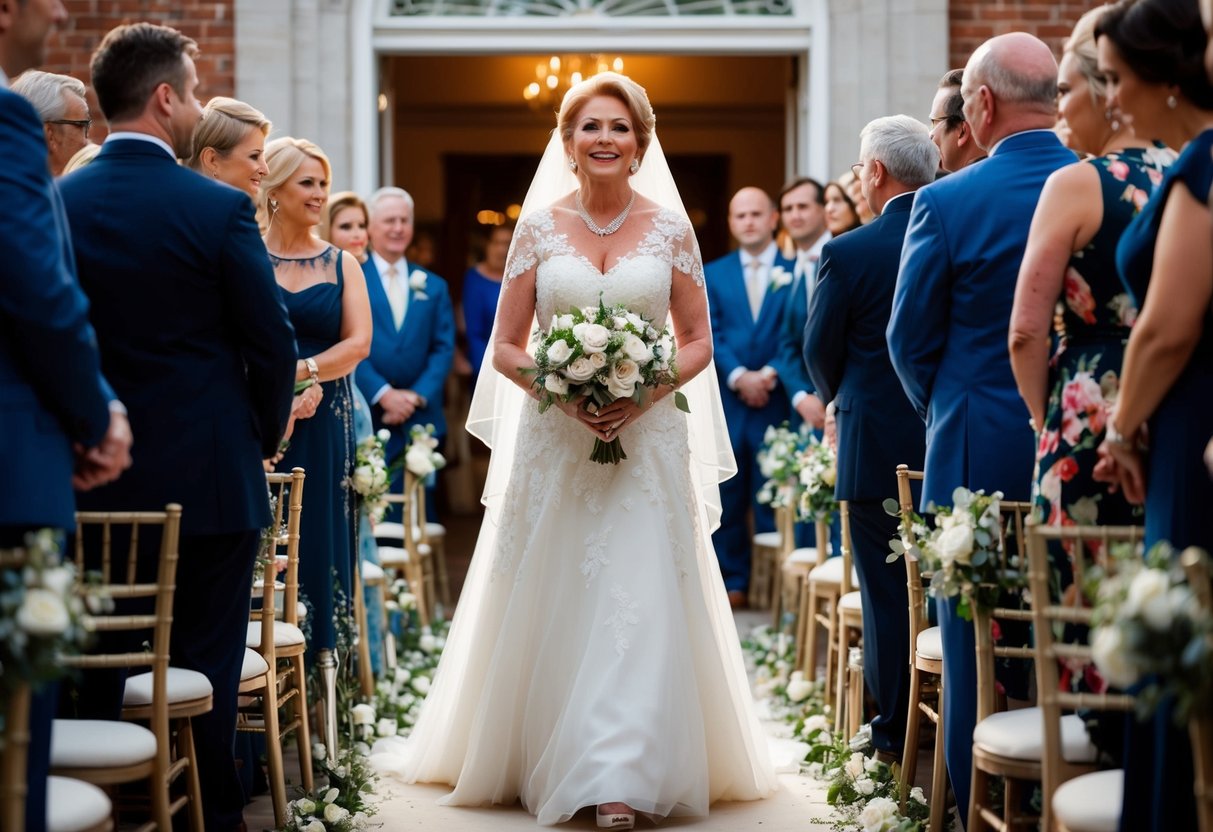
The groom’s mother plays a vital part in the wedding, emphasizing family connections and supporting her son. Understanding her role can help you navigate the traditional and modern aspects of wedding planning.
Understanding the Significance
The mother of the groom often holds a special place during the wedding ceremony. She is usually involved in planning and organizing, bringing her unique insights and experience. Her role is significant, as she often helps to shape the wedding’s atmosphere.
During the wedding processional, she might walk down the aisle with her husband or another family member. This moment not only honors her but also symbolizes the unity of both families. It is a time for showing love and respect, highlighting the importance of family dynamics in the event.
Traditional vs. Modern Perspectives
Traditionally, the groom’s mother was seen as a supportive figure, often reserved for specific roles, such as selecting attire and hosting pre-wedding events. In many cultures, she might not walk the groom down the aisle but takes a front-row seat to witness her son’s special moment.
In modern weddings, her role is evolving. Many couples welcome the idea of the groom walking his mother down the aisle as a gesture of appreciation. This shift emphasizes inclusivity and reflects changing family dynamics. It allows you to personalize your wedding while honoring traditions that are meaningful to your family.
Wedding Processional Etiquette
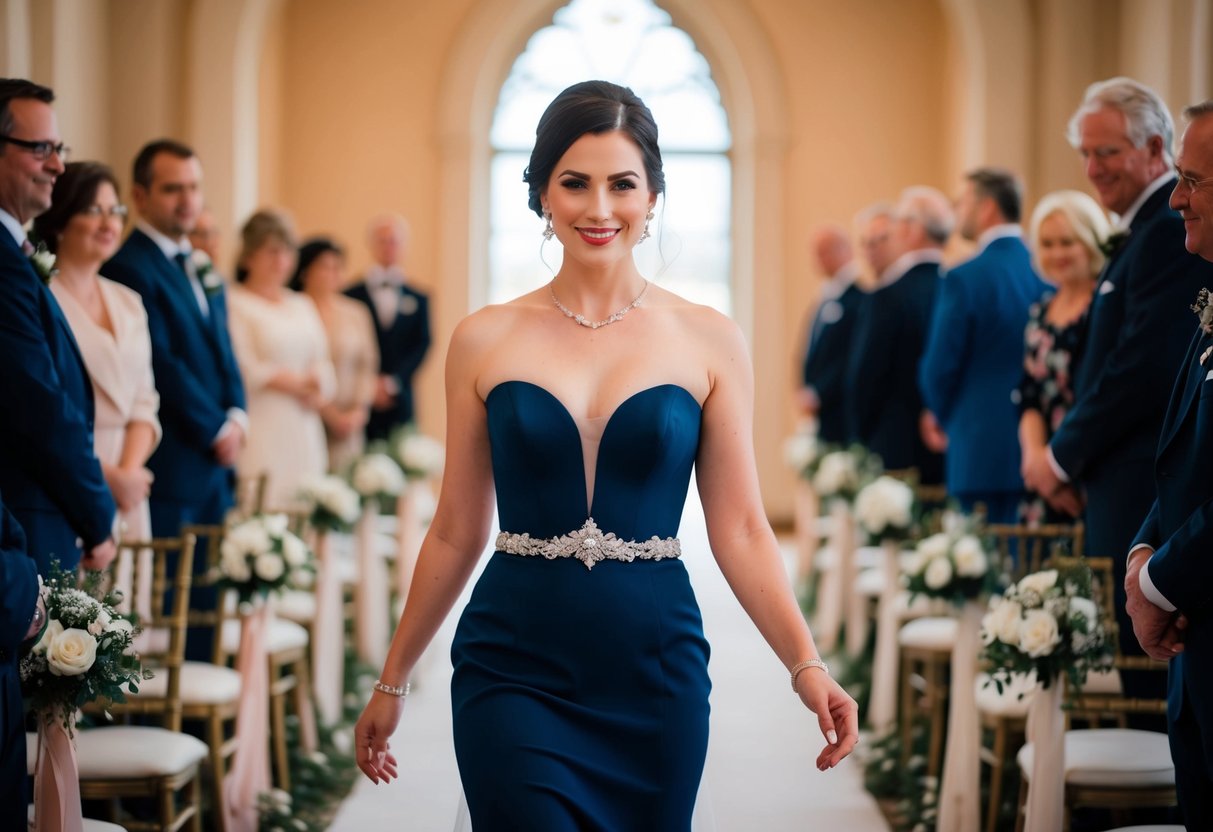
Understanding the wedding processional can help make your ceremony flow smoothly. Different cultures have specific traditions, so knowing who walks when can ease any confusion.
Order of Entry and Roles
The wedding processional order generally starts with the seating of guests and family. Typically, the grandparents and parents enter first.
For a traditional ceremony, the groom’s parents often walk together. They are followed by the mother of the bride, who may be escorted by her son or another family member.
Next, the wedding party enters, including the bridesmaids and groomsmen, who walk in pairs. The flower girls and ring bearers follow. Finally, the bride walks down the aisle, often accompanied by her father, while the groom waits with the officiant. This order can vary, especially in different cultural ceremonies like Christian, Jewish, or Hindu weddings.
Choosing Who Walks With Whom
Selecting who walks with whom is important to create a meaningful and personal experience. For example, the mother of the groom can walk solo or be escorted by her husband or a son.
You may choose to have the bride walk with her father, but some couples opt for a non-traditional approach, like having both parents walk her down the aisle. Some may even have the maid of honor accompany the bride if they wish.
It’s also common in some cultures for the groom’s mother to not walk him down the aisle. Instead, she may find a different role that honors her presence. Be sure to discuss these roles with your family and your partner to align everyone’s expectations for your special day.
Cultural and Religious Considerations
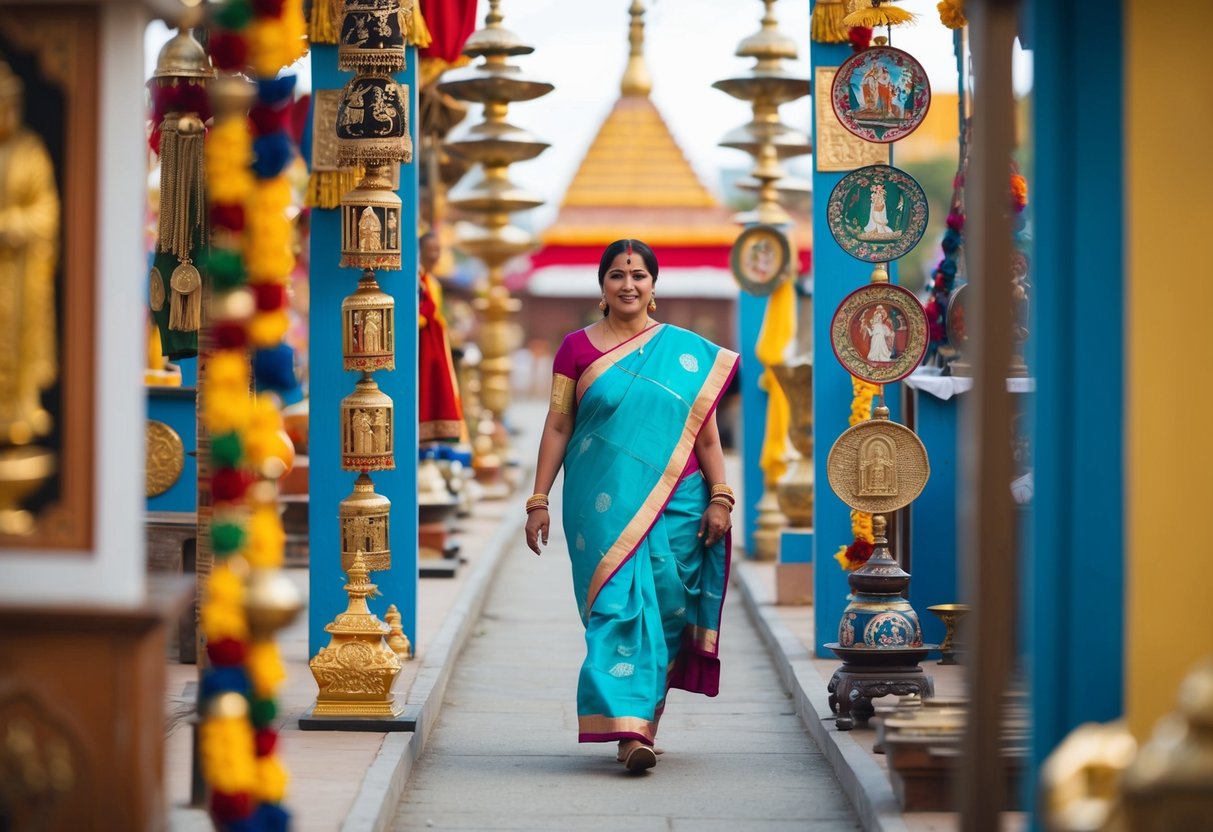
Understanding cultural and religious traditions can help you plan the wedding processional effectively. Different ceremonies often have unique customs regarding who walks down the aisle with the groom’s mother.
Customs Across Different Ceremonies
In a Christian wedding, the groom’s parents may walk down the aisle together. This symbolizes family support. The groom typically follows, along with his wedding party.
During a Jewish wedding, the groom’s parents walk with him to the chuppah, which represents the couple’s new home. This tradition emphasizes family unity and may also involve religious leaders like a rabbi.
In a Hindu wedding, the groom arrives with a joyful procession known as the baraat. This can include family and friends, with the groom often on a horse or in a car. Once at the mandap, or the wedding altar, both sets of parents participate in the ceremony.
For non-religious weddings, there are no strict rules. Couples often choose who walks with the groom’s mother based on personal preference or family customs.
Personalizing the Processional
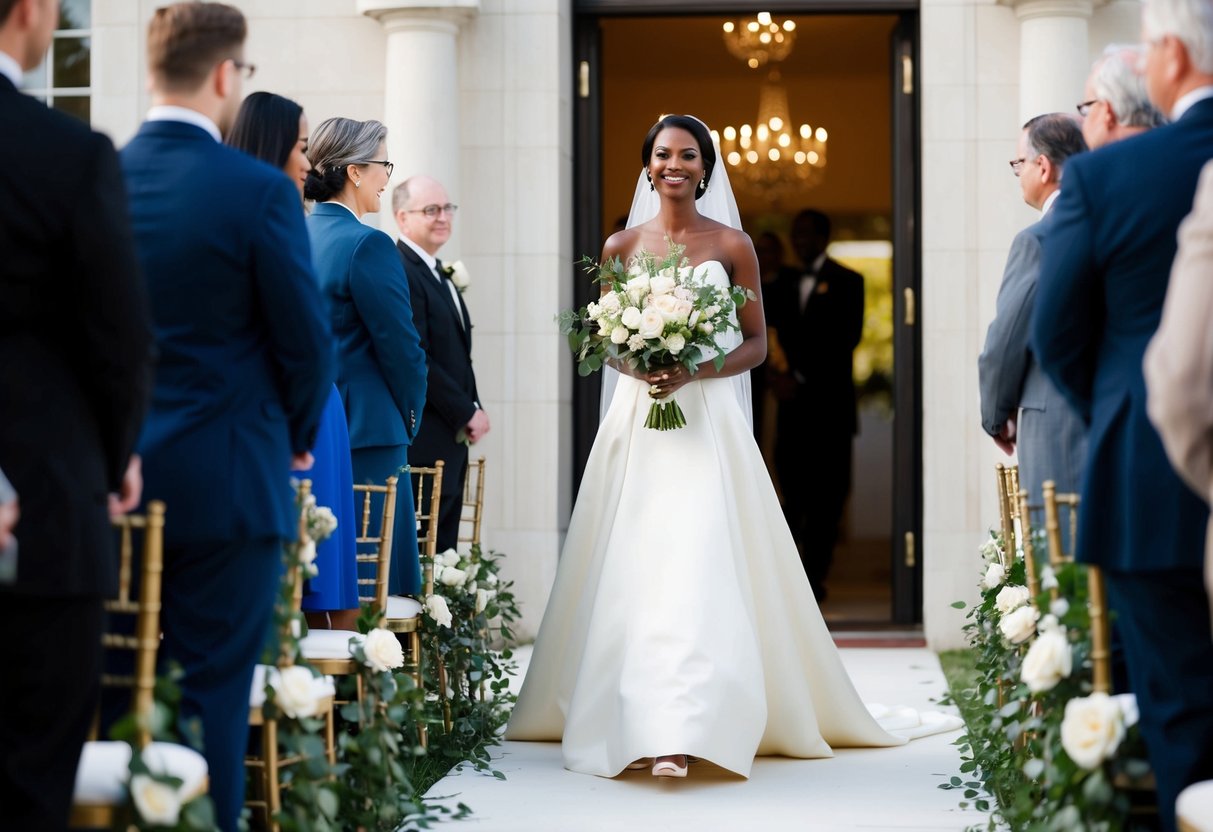
Creating a personalized processional can make your wedding memorable and reflect your family’s values. This is a chance to highlight the connections between loved ones while adding a unique touch to the ceremony.
Creating a Memorable and Unique Experience
To personalize your processional, consider the role of each family member and close friend. You can have the groom’s mother walk down the aisle with a special escort, like a male relative or groomsman. This arrangement shows gratitude and support.
Choose a meaningful song for her entrance that resonates with your family’s history. Music has the power to evoke strong emotions, creating a touching moment for everyone.
Incorporate elements like a ring bearer or flower girl to enhance the experience. Their innocence adds charm to your ceremony and connects generations.
During the rehearsal, make sure to run through each entrance to ensure smooth transitions. This practice helps everyone feel comfortable. It also makes the day even more enjoyable for you, your family, and your guests.