
Who Walks Down with the Mother of the Bride? A Guide to Wedding Traditions
When planning your wedding, one important detail to consider is who walks down the aisle with the mother of the bride. Traditionally, a close family member, such as her son or brother, often accompanies her. This highlights family dynamics during the ceremony. This moment is not just about tradition; it can create lasting memories for everyone involved.
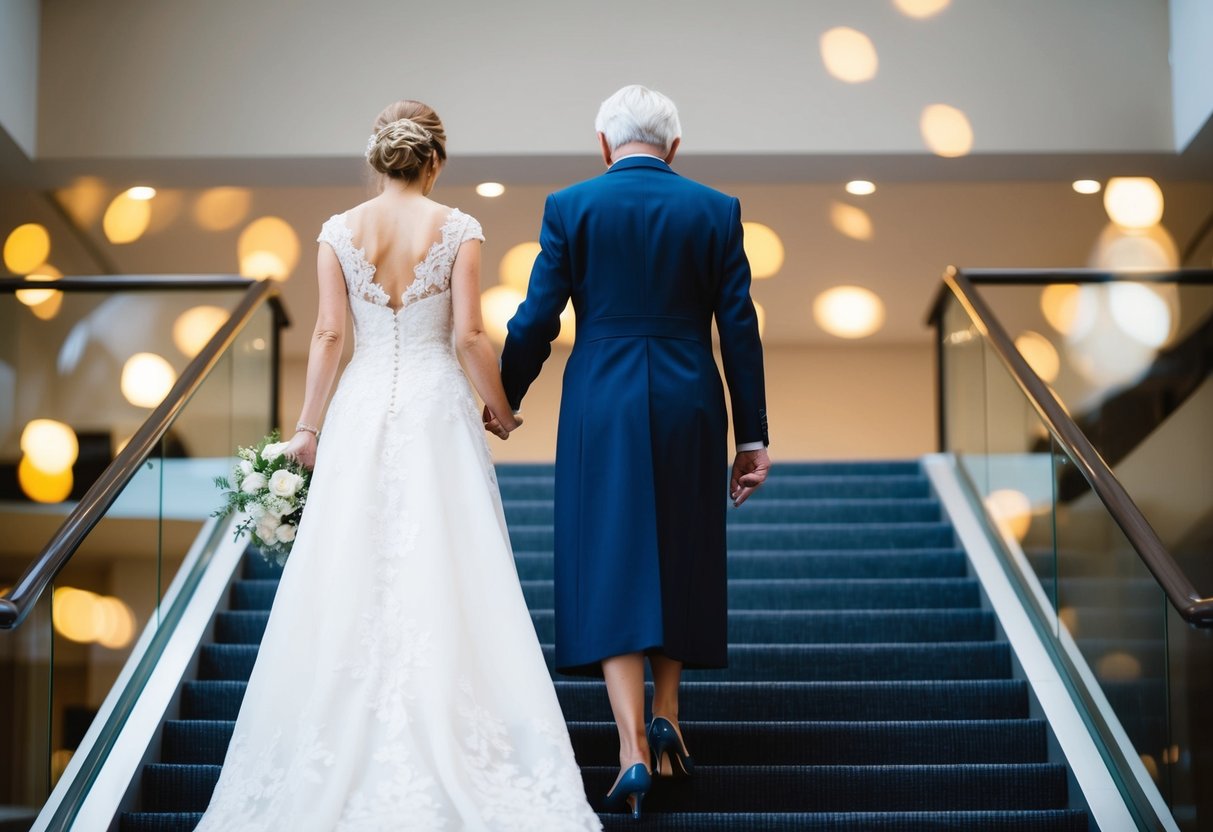
In modern weddings, couples often choose to mix traditional roles with personal touches. You might find that the mother of the bride walks alone, with both parents, or even with her daughter. Each option can give a unique flavor to your wedding procession and reflect the relationships within your family.
Deciding who escorts the mother of the bride can be a meaningful choice that resonates with your wedding’s overall theme. This small detail adds to the beauty of the wedding ceremony, making it even more special for you and your loved ones.
The Role of the Mother of the Bride
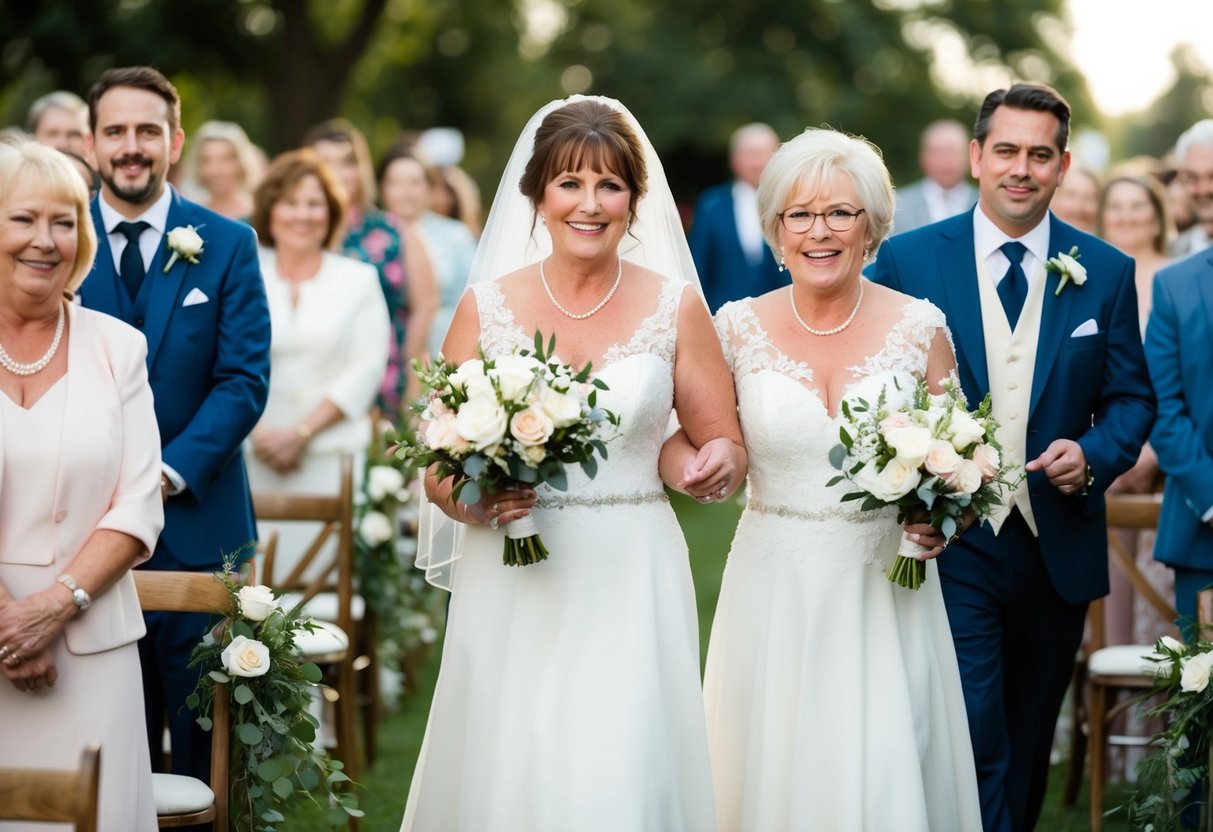
The mother of the bride plays a vital role in a wedding. Her involvement ranges from emotional support to logistical help. This section dives into her significance and how her responsibilities may differ in traditional versus modern weddings.
Significance and Responsibilities
As the mother of the bride, you are often at the heart of the wedding planning. Your responsibilities include helping with budget decisions, selecting vendors, and planning pre-wedding events like the bridal shower.
You are also a support system. It’s common to be the one offering emotional reassurance to the bride during planning stress. Additionally, you play a key role during the ceremony. Traditionally, you walk down the aisle with a family member, creating a memorable moment. This symbolizes your support and love, making the day even more special.
Traditional Versus Modern Perspectives
In traditional weddings, the mother of the bride walking down the aisle is a standard highlight. Often, she is escorted by a male family member, symbolizing family unity. This moment is filled with significance, reminding guests of the importance of family ties.
Modern weddings bring flexibility. You might choose to walk alone, with your child, or even with friends. This approach adds a personal touch that captures your unique relationship with the bride. Regardless of the approach, the essence remains the same: creating a meaningful moment that resonates with everyone. Your role, whether traditional or modern, contributes to unforgettable memories for your family and guests.
The Wedding Processional Explained
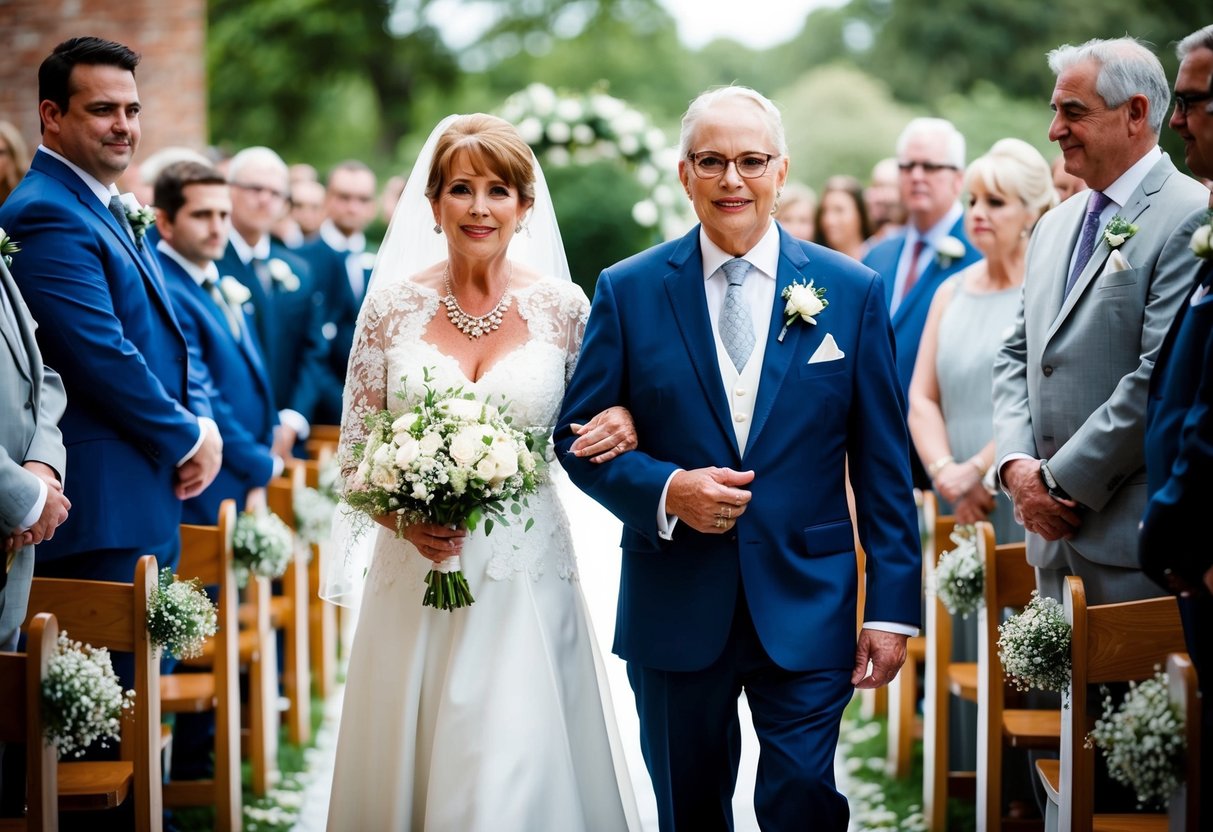
The wedding processional sets the tone for your special day. It defines who walks in and when, creating a meaningful experience. Understanding the order of entrance and who escorts the mother of the bride is essential for a smooth ceremony.
Order of Entrance
The order of entrance is usually clear and organized, starting with family members. Grandparents are often the first to walk down the aisle. Next, the groom’s parents take their seats on the right side. After the groom’s mother, the bride’s mother walks down the aisle, usually seated on the left.
Following them are the wedding party members. The bridesmaids and groomsmen walk down next. The best man and the maid of honor enter together too. The entrance is a lovely mix of family and close friends, building anticipation for the bride’s arrival.
Who Escorts the Mother of the Bride
The question of who accompanies the mother of the bride is important. She may prefer to walk alone, symbolizing her strong role in the family. Alternatively, she can be escorted by a family member or a close male relative, like a brother or son.
If the mother of the bride has a special bond with someone, having them escort her can create a memorable moment. This decision might also reflect family dynamics, making it personal. Choosing who walks her down the aisle is a significant detail, setting the mood before the bride appears.
Cultural Variations in Wedding Ceremonies
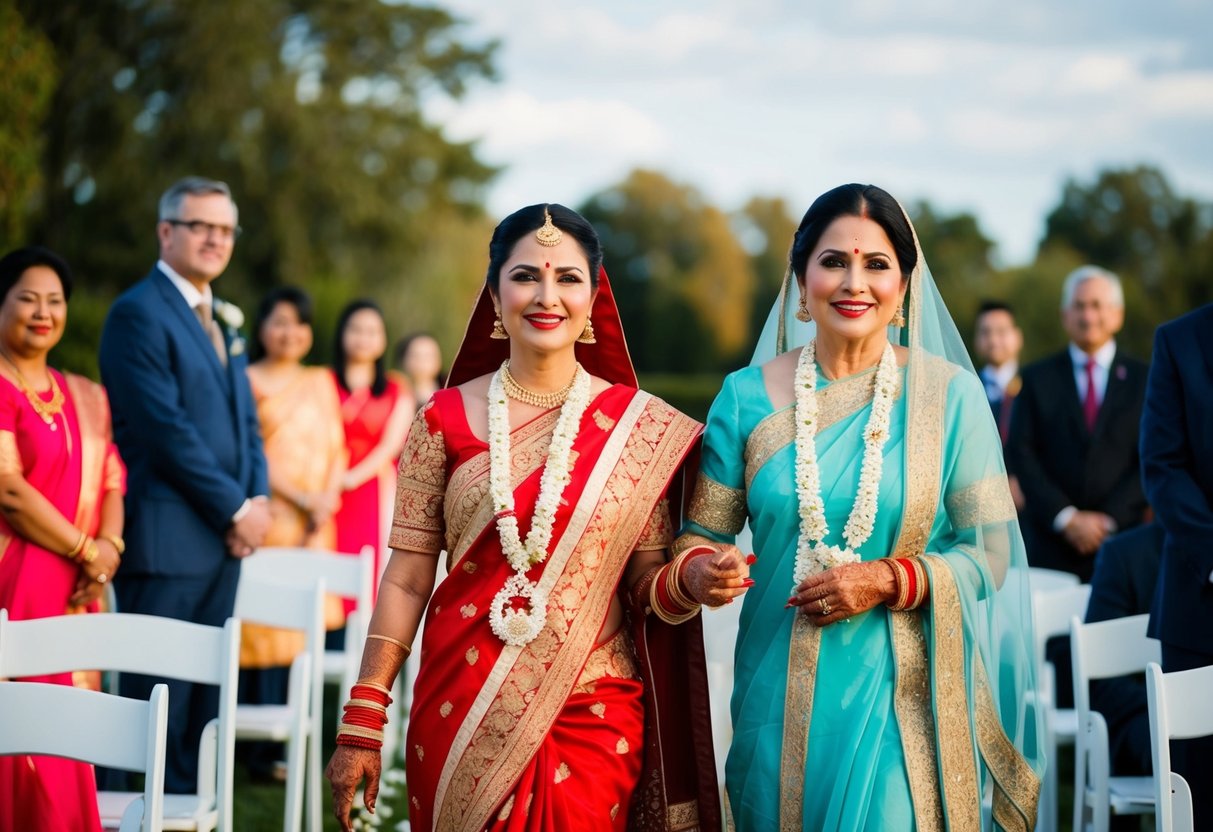
Weddings are rich with traditions that reflect a couple’s culture and beliefs. Each ceremony brings unique elements, especially in how family members participate, including who walks with the mother of the bride.
Christian, Jewish, and Hindu Traditions
In a Christian wedding, the mother of the bride may walk alone or be escorted by a close family member like a son or brother. This part of the Christian wedding processional often symbolizes unity and the support of family.
For a Jewish wedding, traditions include the chuppah where the ceremony takes place. The mother of the bride can be escorted by the groom or another family member. This shows the importance of family in Jewish ceremonies.
In Hindu weddings, the processional is vibrant and lively. The mother of the bride might walk alongside her husband or a significant male figure. The mandap setting is significant, and during the baraat, the groom’s family arrives joyfully, setting a celebratory tone.
Modern Interpretations and Adaptations
Many couples today embrace nondenominational weddings, blending traditions from various cultures. This allows for a unique approach to who walks with the mother of the bride.
In some weddings, you might see the mother of the bride accompanied by both parents or other relatives. Others choose to modernize the ceremony by having friends or children escort her.
This flexibility lets everyone feel included, showcasing love and support. The focus remains on family closeness, honoring traditions while creating new memories.