
Who Walks First: The Bride or Groom’s Mother in Wedding Traditions?
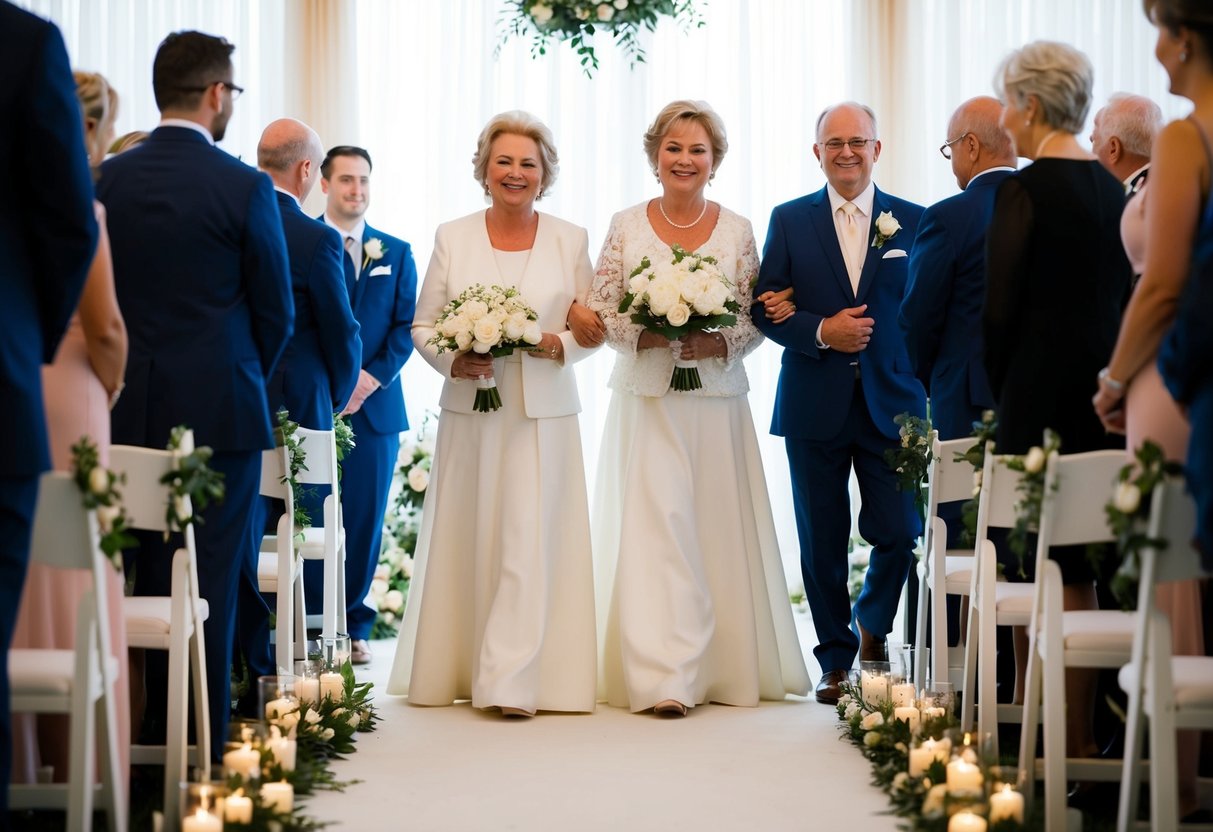
When planning a wedding, you may wonder about the order of the ceremony procession. Typically, the groom’s mother walks down the aisle before the bride’s mother. This moment is significant, as it sets the stage for an emotional and memorable ceremony.
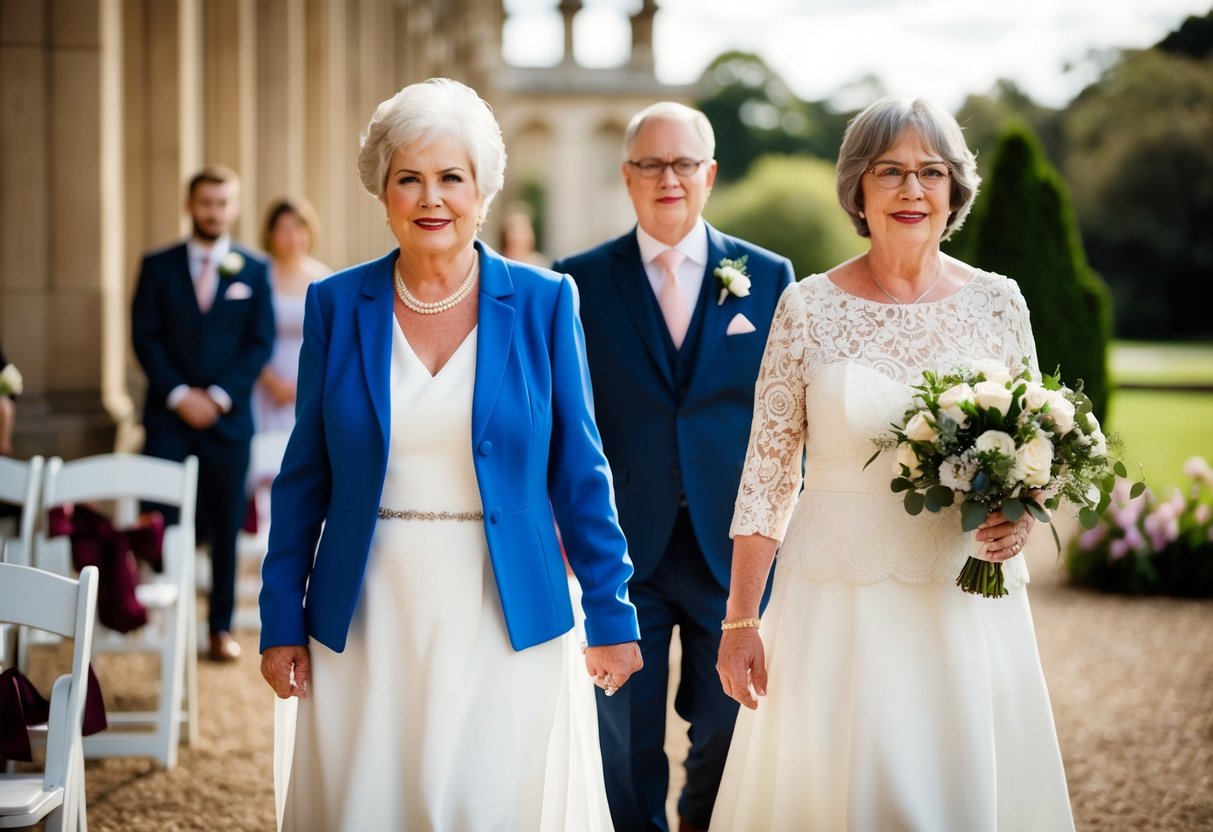
The processional is a crucial part of your wedding day, marking the beginning of the celebration. As family members take their places, these small yet meaningful details contribute to the overall joy of the occasion.
Understanding who walks first can help you make choices that reflect your family’s traditions and your personal style.
With this information, you can confidently plan your ceremony and focus on creating those unforgettable moments. It’s all about what feels right for you and your loved ones, making the ceremony uniquely yours.
The Role of Family in the Wedding Processional
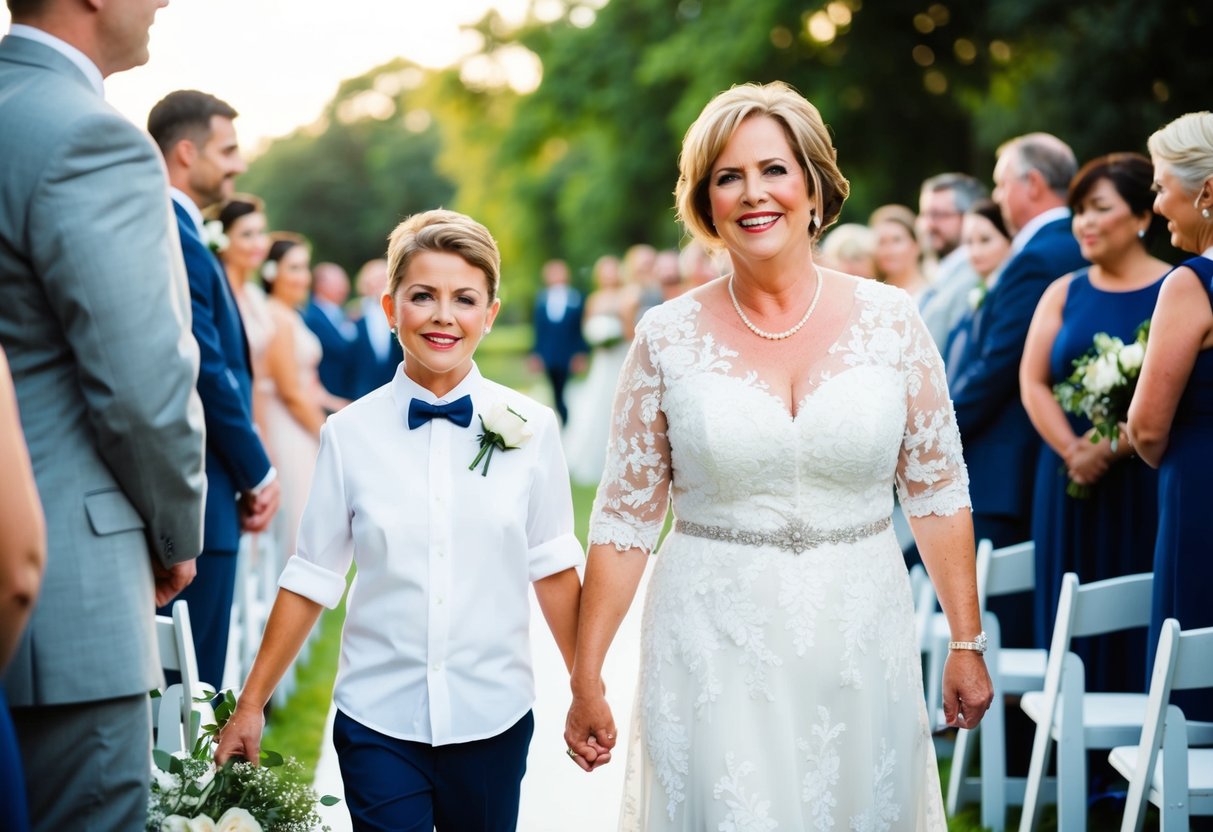
Family plays a crucial role in the wedding processional, signifying support and connection for the couple. Understanding who walks when can help you plan a meaningful ceremony that reflects your family dynamics.
Order of the Grandparents and Parents
The wedding processional often begins with grandparents. They have a special place, symbolizing wisdom and tradition. The groom’s grandparents typically walk first, followed by the bride’s grandparents. This order highlights the involvement of both families.
Next, the parents enter. The groom’s parents generally walk in first, followed by the mother of the bride. The father of the bride usually walks her down the aisle, creating an emotional moment. This order not only acknowledges family contributions but also sets the tone for the ceremony.
The Importance of the Mother of the Bride and Groom’s Mother
The roles of the mother of the bride and the groom’s mother are significant in the wedding processional. The groom’s mother is often the first to walk down the aisle among immediate family members. This symbolizes her support for her son.
The mother of the bride follows, representing her daughter’s family. Their entrance together emphasizes unity and respect between the two families. Both mothers often share a special bond and might even share a moment before the ceremony. This deepens the emotional impact of the procession, making it more memorable for everyone involved.
Exploring Traditional and Modern Processional Orders
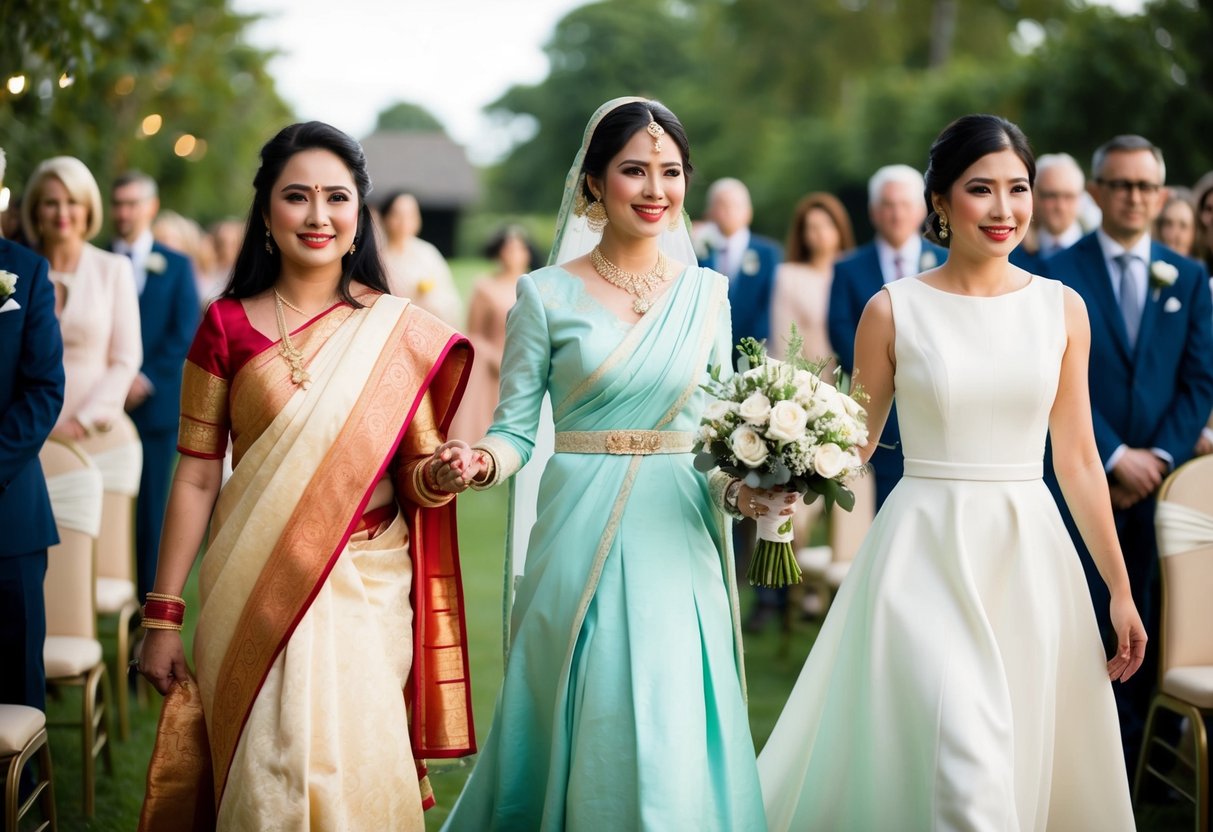
When planning your wedding processional, understanding both traditional and modern practices can help you create a meaningful ceremony. Different cultures and styles influence how family members walk down the aisle, which sets the tone for the day.
Understanding the Traditional Wedding Processional
In a traditional wedding ceremony, the procession follows a specific order. Typically, it begins with the officiant, followed by grandparents and parents. The groom and best man walk down next, signaling the start of the wedding party.
After them come the bridesmaids, followed by the maid of honor. Finally, the bride makes her entrance, often escorted by her father. This order highlights family importance and builds anticipation for the bride’s moment. In Christian weddings, this traditional order is commonly practiced.
Modern Variations and Cultural Influences
Modern weddings often allow for personalized touches. You can alter the traditional order to match your style or cultural background.
For instance, in Hindu weddings, both parents may escort the bride down the aisle, embracing family unity.
In non-religious ceremonies, you might choose to have the couple enter together or flip the order entirely. Other elements, like flower girls and ring bearers, can be included based on your vision.
Always feel free to mix elements from different traditions to create a ceremony that truly reflects you and your partner.
Key Members of the Wedding Party
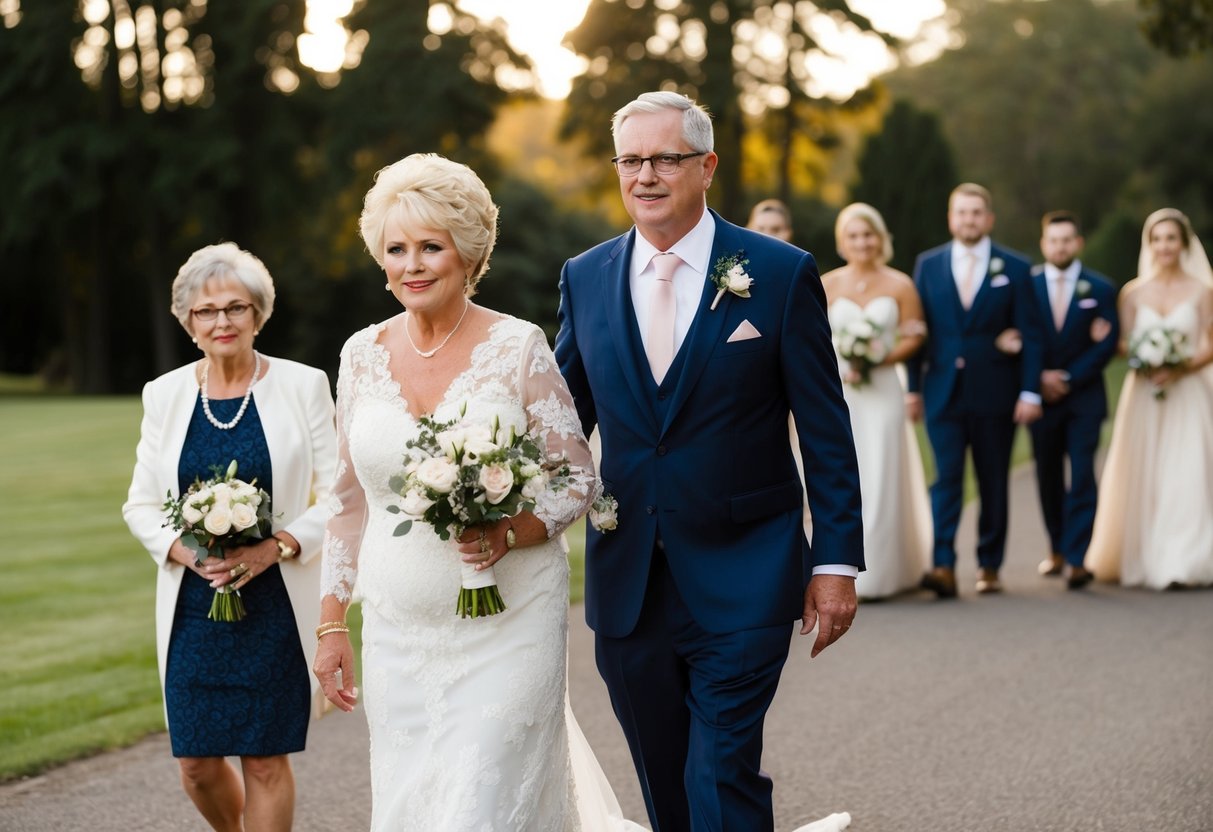
The wedding party consists of important roles that add meaning and support to the ceremony. Understanding these roles helps you appreciate the people who will stand by your side on your special day.
Roles of the Bridal Party
The bridal party typically includes the bride, maid of honor, and bridesmaids.
- Bride: The star of the day, she is the focus of the ceremony.
- Maid of Honor: This person is often the bride’s closest friend or sister. She helps with planning, wears a special dress, and supports the bride throughout the day.
- Bridesmaids: These friends or family members stand beside the bride, wearing matching dresses. They help with tasks like organizing the bridal shower or bachelorette party.
Don’t forget about flower girls, who lead the way by dropping petals as they walk down the aisle. Their adorable presence adds to the charm of the ceremony.
Responsibilities of the Groomsmen and Best Man
Groomsmen and the best man play key roles during the wedding.
- Groom: The groom stands at the altar, waiting for his bride with excitement.
- Best Man: This is the groom’s right-hand man, usually a brother or best friend. He handles various tasks, such as planning the bachelor party and keeping the rings safe.
Groomsmen assist the best man. They support the groom and may help with various arrangements leading up to the wedding. Their presence provides strength and camaraderie.
Remember, ring bearers also have a special job. They carry the rings down the aisle, adding a sweet touch to the ceremony. Each member of the wedding party contributes to the day’s joy and celebration.
The Ceremony Prelude and Recessional
Before the main part of your wedding ceremony begins, the prelude music starts as guests find their seats. It’s a special time that sets the mood for your big day. Then comes the recessional, where the newlyweds exit the ceremony, marking a joyful end to the event.
Seating Guests and Prelude Music
The prelude music typically lasts 15 to 45 minutes. During this time, guests are seated. It’s important to have ushers who guide guests to their seats, helping them feel welcomed.
As for the music, choose calming or romantic tunes that reflect your style. This is your chance to create a comfortable atmosphere before the ceremony.
Remember, grandparents usually walk down first, followed by the mother of the groom and then the mother of the bride, leading into the main event.
The Recessional: Order and Etiquette
After you say “I do,” the recessional is an exciting moment! The order is important here. Traditionally, you and your groom exit first, followed by the bridal party, including your flower girl(s) and ring bearer.
Make sure you plan this out during your wedding planning. Clear communication with your officiant and bridal party helps everything run smoothly.
In this joyful moment, don’t forget to choose upbeat music to celebrate your marriage as you walk down the aisle together.