
Who Walks First in a Wedding? Understanding the Order of Ceremony Procession
When preparing for their big day, many couples wonder about the order of procession. Typically, the officiant walks first, followed by the grandparents, wedding party, and finally, the bride, who is escorted by her father. This arrangement can vary based on traditions, cultural practices, and personal preferences.
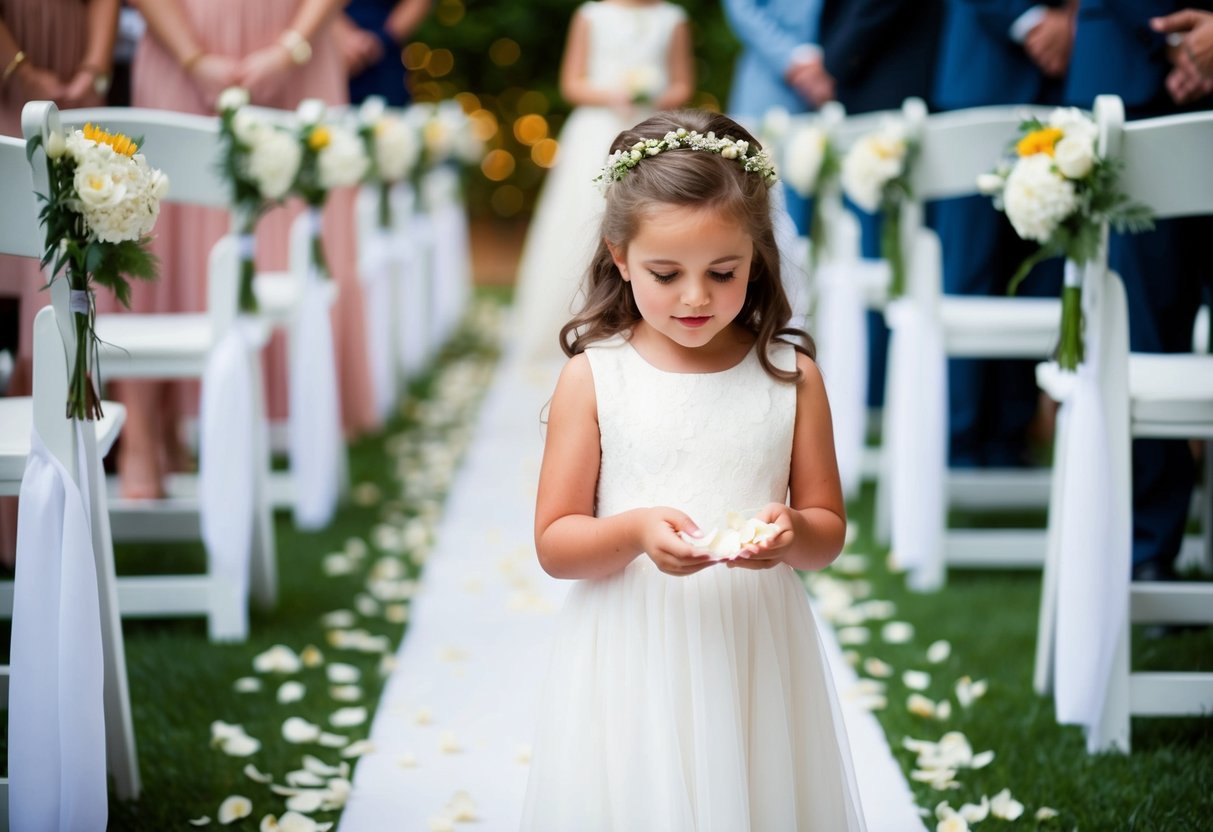
In nondenominational and Christian ceremonies, the processional often follows this classic order, while Jewish and Hindu weddings may incorporate unique elements that reflect their cultural backgrounds. Understanding the nuances of your specific wedding ceremony can help make your day feel even more special.
No matter what type of wedding you plan, knowing who walks first can help you visualize your ceremony better. Each step in the procession sets the tone for the celebration you and your partner will share with family and friends.
Understanding the Traditional Wedding Processional Order
The wedding processional order is important for setting the tone of the ceremony. Each participant has a specific role that contributes to the overall experience. Knowing these roles will help your wedding day flow smoothly.
Roles and Responsibilities
In a traditional wedding processional, different members of the wedding party have specific roles.
- Officiant: Typically walks in first, leading the ceremony.
- Groomsmen and Bridesmaids: Usually walk in pairs. They set the mood for the bride’s entrance.
- Flower Girl: Often follows, scattering petals to adorn the aisle.
- Ring Bearer: Carries the wedding rings, sometimes in a small pillow.
- Bride: Enters last, creating a grand finale for the procession.
The exact order can vary. While some choose a modern approach, others stick to a classic lineup. Understanding these roles can make planning easier. You can also find a printable wedding processional order template to guide you.
Variations Across Cultures
Different cultures have unique processional orders. For instance, in a Christian wedding, the officiant usually proceeds first, followed by the bridesmaids and groomsmen before the bride makes her entrance.
In a Jewish wedding ceremony, the processional often includes both sets of parents, walking down the aisle before the couple. Meanwhile, Hindu weddings may feature a more elaborate entrance with family members and traditional rituals.
For nondenominational ceremonies, couples might create their own order, blending various traditions. A more modern wedding could include unconventional roles or timings, adapted to fit personal styles.
Knowing these variations allows you to personalize the ceremony in a way that feels right for you.
The Key Figures in a Wedding Processional
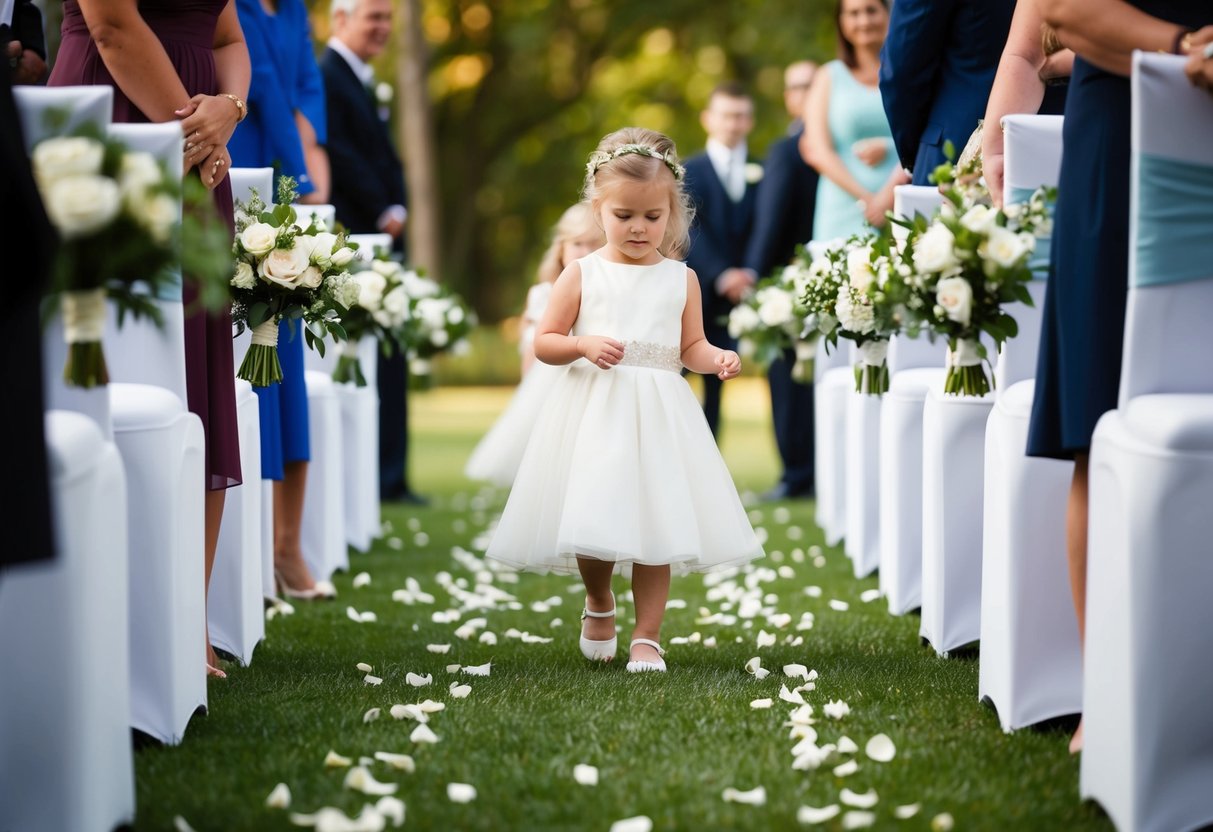
In a wedding processional, each participant has a specific role, contributing to the ceremony’s emotional and formal atmosphere. Understanding the order of these key figures helps set the tone for your special day. Here’s a closer look at who walks when.
The Bride’s Entrance
The bride’s entrance is often the most significant moment of the processional. Traditionally, she walks down the aisle last, symbolizing her transition into a new life. Often escorted by her father, this moment highlights the emotional connection between them.
The music typically shifts to a more dramatic piece as she appears, capturing everyone’s attention. You might choose a song that holds personal meaning to you. Remember, the length of her walk can vary but often takes about a minute, giving guests a moment to admire the beautiful bride.
Order of Family Members
Family members usually walk down the aisle before the wedding party. The processional often starts with the officiant, followed by the grandparents. Next, the parents follow, which can include the mother and father of both the bride and the groom.
The order matters as it reflects family bonds. The parents often sit in designated places after walking down, making way for the next group. Be sure to consider any family dynamics when planning who walks with whom to keep everything smooth and joyful.
The Wedding Party
The wedding party includes the bridesmaids and groomsmen, who play a supportive role. Typically, the groomsmen enter first, often in pairs, led by the best man. Bridesmaids follow, often walking alone or in pairs as well.
The maid of honor is usually the last to enter before the bride, making her entrance memorable. These figures not only support you on your big day but also enhance the event’s overall visual appeal. Coordinating attire for the wedding party can help create a cohesive look for your ceremony.
Ceremonial Variations and Special Considerations
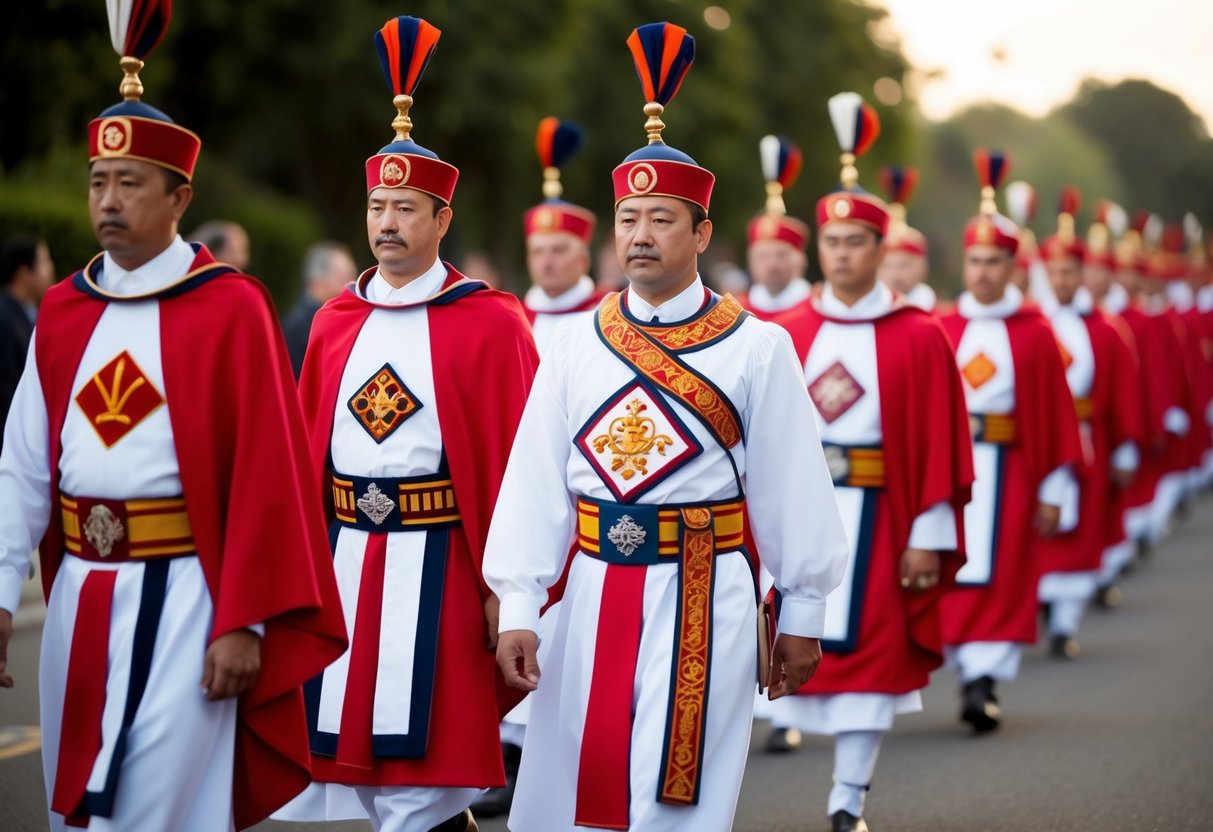
Weddings can vary widely based on culture and religion. From how the couple enters the ceremony to the specific roles played by family and friends, these variations add special meaning to the day.
Religious and Cultural Differences
In religious ceremonies, the order of who walks down the aisle can be very specific. In a Christian wedding ceremony, for instance, the bride typically walks down the aisle last, often with her father. The ceremony may also include ushers to guide guests to their seats.
In a Jewish wedding ceremony, the bride and groom may stand under a chuppah, which symbolizes their new home together. The groom often enters the ceremony first, followed by the bride.
Similarly, in Hindu traditions, the baraat includes a joyful procession of the groom’s family before the bride’s arrival at the mandap, or wedding altar.
Each tradition brings unique practices that enhance the ceremony’s significance.
Non-traditional Processionals
Some couples opt for non-denominational ceremonies. In these ceremonies, the procession can be more relaxed. You might choose to walk down the aisle with both parents or even enter together as a couple.
The prelude music sets the tone, and your entrance can be a moment of personal expression. Creating a unique order for how you and your loved ones enter can make the occasion feel more special and reflective of your shared journey.
Whether you follow traditional roles or mix them up, the key is to create a moment that feels right for you.