
Who Walks First in a Wedding? Understanding the Tradition and Its Meaning
When it comes to weddings, the order of who walks first can set the tone for your ceremony. Typically, the officiant walks down the aisle first, signaling the start of the wedding processional. After the officiant, family members, and the wedding party follow, creating a beautiful display of love and support.
Understanding this order is important, especially if you want to honor family traditions or incorporate specific roles like the flower girl or ring bearer. Knowing who walks first can help you plan a smooth and meaningful ceremony.
This guide will help you navigate the wedding processional order, ensuring that your special day unfolds just as you envision.
The Wedding Processional Order
The wedding processional is an important part of the ceremony. Understanding who walks when can help create a beautiful and organized event. Here’s a closer look at how to determine the order, the roles involved, and any variations that might exist.
Determining the Order
When planning your wedding processional, consider who will walk first and the overall order. Traditionally, the structure follows a specific path. It usually starts with grandparents, followed by the groom’s parents and then the rest of the wedding party.
Typically, the order goes like this:
- Grandparents
- Parents of the Groom
- Mother of the Bride
- Groomsmen
- Maid of Honor
- Bridesmaids
- Flower Girl
- Ring Bearer
- Bride and Father
You can adjust this order to fit your preferences and family dynamics.
Roles in the Processional
Each participant in the processional has a specific role that adds significance to the ceremony.
-
Parents: The mother of the bride usually walks down the aisle first, representing the bride’s family. The groom’s parents follow, symbolizing support for their son.
-
Wedding Party: The best man walks with the groomsmen. After that, the maid of honor leads the bridesmaids. This group supports the bride and groom throughout the ceremony.
-
Flower Girl and Ring Bearer: These young participants often come next, adding charm to the event. They typically walk ahead of the bride.
-
Bride and Groom: Finally, the bride walks down the aisle, usually escorted by her father or another trusted person. This moment is often the highlight of the ceremony.
Cultural and Religious Variations
Different cultures and religions may have unique ways of organizing the wedding processional. For example, in some Hindu weddings, the groom arrives on a horse, creating a festive atmosphere.
In Jewish traditions, both sets of parents may walk down the aisle together before the couple. These variations add rich meaning and heritage to the ceremony.
Understanding these cultural practices can help you create a processional that reflects your values and traditions. Tailoring the order to fit your background can make your wedding even more special.
Key Participants in the Wedding Processional
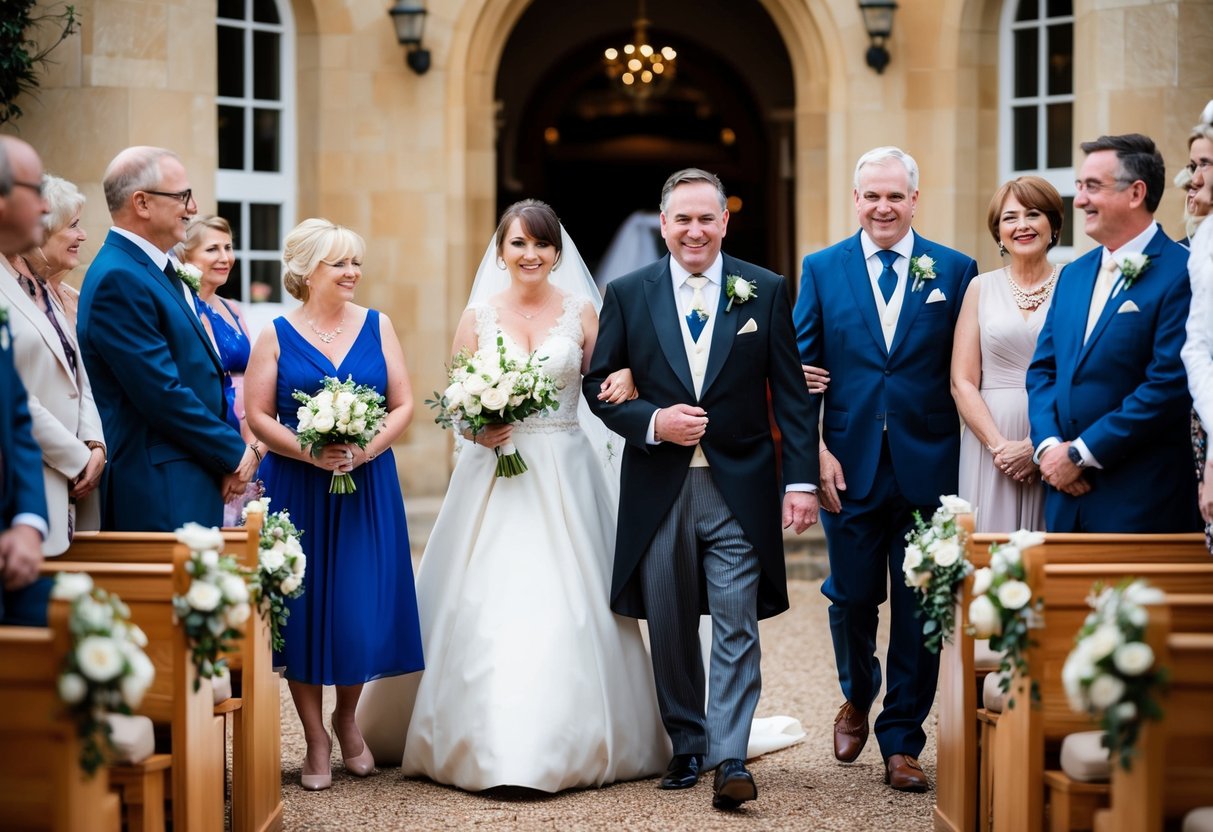
Understanding who walks when and why can enhance the beauty of your wedding ceremony. The processional includes important family members and the bridal party, leading up to the bride’s grand entrance.
Roles of Family Members
Family members play a vital role in the wedding processional. Typically, the groom walks down the aisle first, often accompanied by his parents. This moment honors their support and commitment.
Next, the bride’s grandparents usually walk down the aisle together. Following them, the father walks his daughter down the aisle, creating one of the most poignant moments in the ceremony. The mother of the bride may also have a special role, like lighting a unity candle or offering words of encouragement before the ceremony starts.
The Bridal Party
The bridal party consists of key figures like bridesmaids, groomsmen, and the maid of honor. The bridesmaids usually enter first. They can walk in pairs or individually, depending on your preference.
The best man walks right before the maid of honor, emphasizing their close relationship with the groom. All these participants help set the tone for the celebration and add to the joy of the ceremony.
The Bride’s Grand Entrance
The bride’s entrance is the most anticipated moment in the processional. As you make your way down the aisle, all eyes will be on you. The journey often begins with the music changing to a special piece you choose.
The father of the bride traditionally walks you down the aisle, symbolizing support and love. As you approach the altar, the groom’s reaction can create a memorable atmosphere. This moment marks the official beginning of your wedding vows and the union of two families.
Ceremonial and Cultural Variations
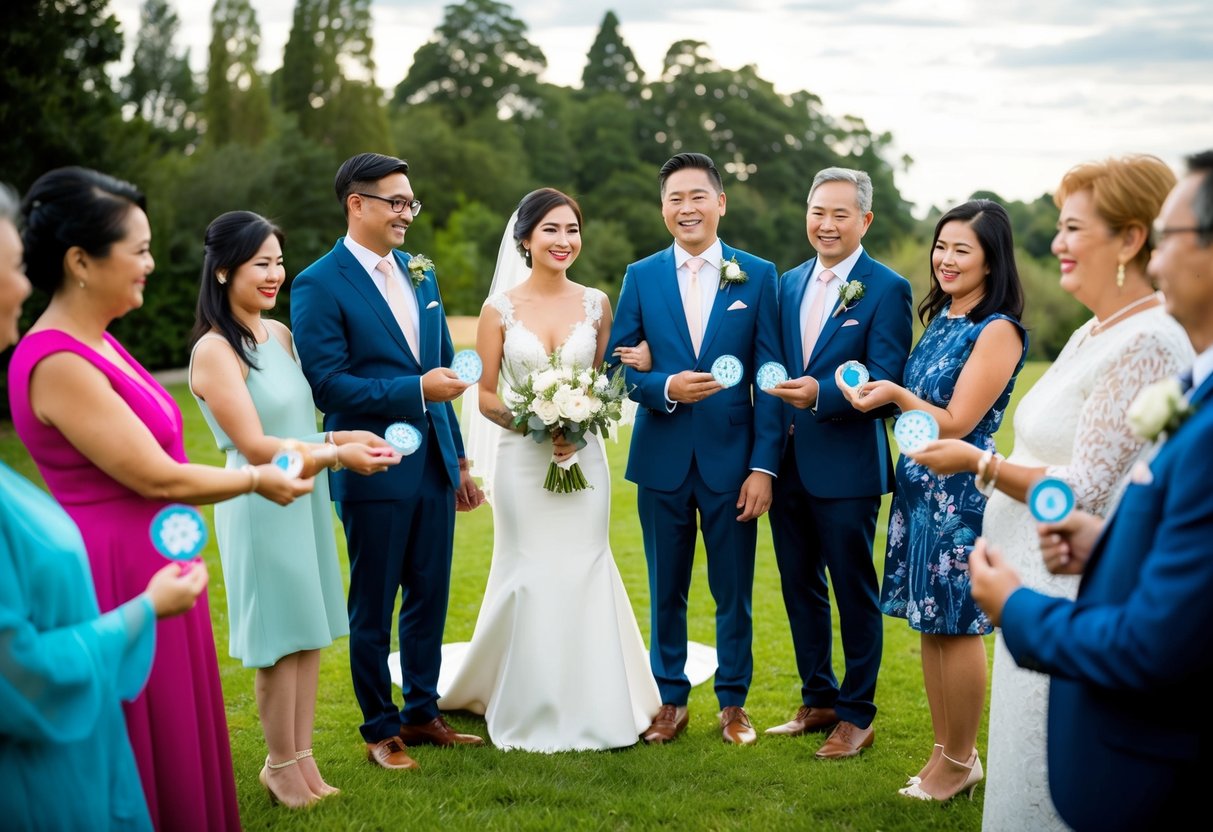
Weddings around the world vary greatly in terms of who walks down the aisle first. Different cultures and traditions play a significant role in shaping the wedding processional order. Here, you will find details about various wedding traditions that highlight the differences and unique practices.
Christian Wedding Traditions
In Christian weddings, the processional often starts with the officiant. Next, the bridesmaids and groomsmen typically walk down the aisle. The maid of honor follows, leading to the bride’s grand entrance. In a Catholic wedding, the order remains similar, but often includes the lighting of candles to symbolize unity. Family traditions might also influence the order, allowing for personalized touches. Music plays an important role in creating the right atmosphere during the processional.
Jewish Wedding Traditions
Jewish weddings feature some distinct customs in the processional. The officiant, or rabbi, leads the way, often under a chuppah. Next, parents of the bride and groom may walk down the aisle, followed by the wedding party. One unique aspect of Jewish weddings is the circling ritual, where the bride circles the groom several times before the ceremony begins. This symbolizes unity and the establishment of their new home together.
Hindu Wedding Traditions
In Hindu weddings, the processional begins with the baraat, where the groom arrives on a decorated horse or in a vehicle, accompanied by family and friends. The bride is typically escorted by her parents to the mandap, an altar set up for the ceremony. Family members may walk behind, signaling support for the couple. The vibrant music and dance during the baraat create a joyful atmosphere. Each step in the processional is rich with cultural significance, often reflecting family traditions.
Modern and Nondenominational Approaches
In modern and nondenominational ceremonies, flexibility is key. Couples may choose any order that feels right for them. Some might start with both partners walking down together, representing equality and partnership. Others may prioritize family members’ walks. The lack of strict rules allows for creativity, allowing personal touches like including children or pets. This approach often melds various cultural elements, resulting in a unique and meaningful ceremony for all.
Planning Your Wedding Processional
Creating the perfect wedding processional takes thoughtful planning. Your processional sets the tone for the ceremony, so it’s essential to organize it effectively. You’ll want to communicate clearly with your wedding party and rehearse everything to ensure a smooth experience.
Steps to Organize the Processional
Start by choosing a wedding planner if you haven’t already. They can help you with the details and make the planning process smoother.
Next, decide on the ceremony entrance order. Typically, the officiant walks in first, followed by the bridal party.
You can use a printable wedding processional order template to visualize the order. Include your parents, grandparents, and anyone else important.
Think about your music choices for each entrance, as this can enhance the mood. Also, plan for the grand entrance so everyone knows when to walk down the aisle.
Communicating with the Wedding Party
Clear communication is vital. Gather your bridal party and explain their roles in the processional. Make sure everyone knows who walks in when and where they should stand.
You might consider creating a group chat to keep everyone informed.
Share your processional order with your family, especially if they are involved in the ceremony. This way, they are prepared and feel included.
Don’t forget to talk about the recessional as well, since it follows the ceremony. It’s nice to have a plan for how everyone exits after the vows.
Rehearsal Walk-through
A rehearsal is essential to ensure everyone is comfortable with the flow. Schedule a time for your wedding party to practice before the big day.
During the rehearsal, the wedding party will walk through the traditional Christian ceremony processional together.
You’ll want to observe the timing and spacing as each person walks in. Check that the music cues are clear and make adjustments if needed.
This practice run will help reduce any nerves on your wedding day. Remember, planning and rehearsing will make the ceremony enjoyable for you and your guests.