
Who Walks First: Maid of Honor or Bridesmaids in Wedding Procession?
When planning your wedding ceremony, understanding the order of the processional is key. Traditionally, the bridesmaids walk down the aisle before the maid of honor. This order highlights the special role of the maid of honor as she follows, usually walking alone to signify her importance.
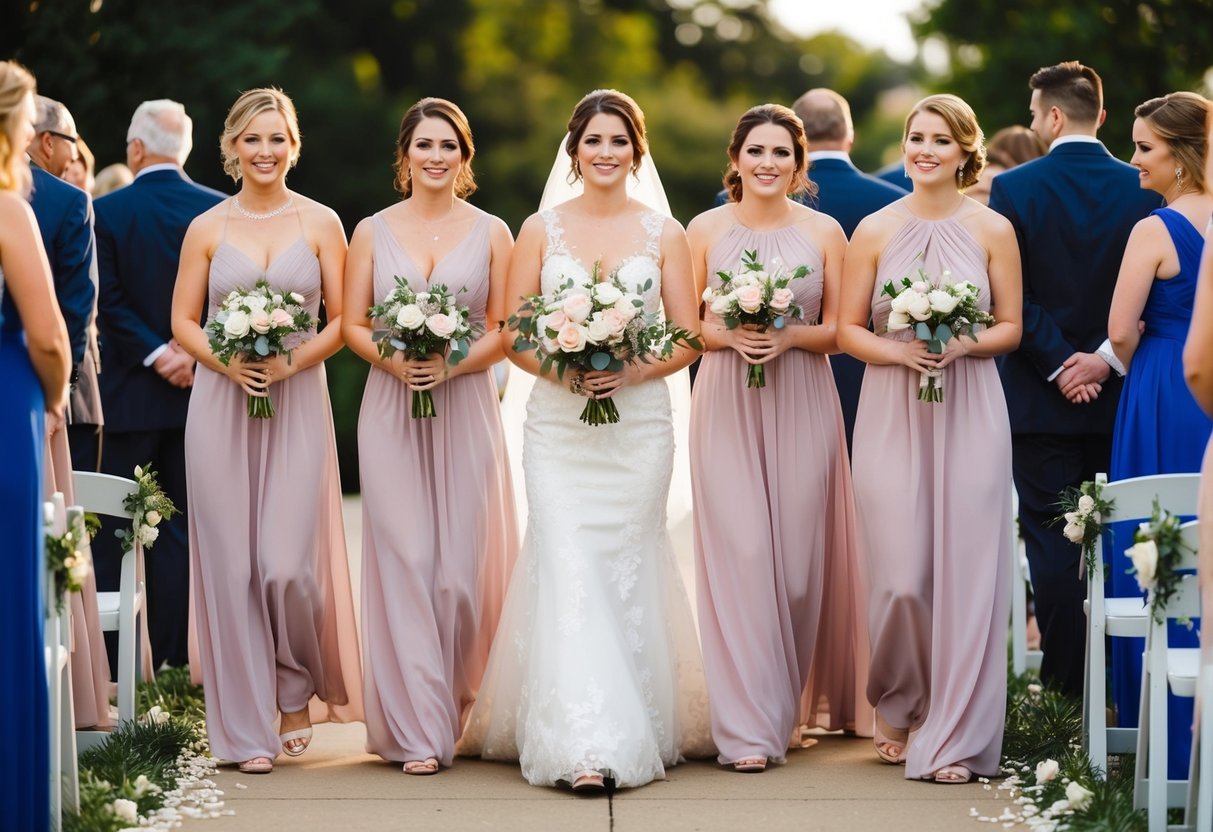
As the wedding processional unfolds, the groom typically stands at the front, waiting for his bride. The bridesmaids, paired with groomsmen, enter first, while the maid of honor, closest to the bride’s heart, walks right before the big moment when the bride makes her entrance.
Knowing who walks first can help set the tone for your ceremony. It brings structure and clarity to one of the most exciting parts of your wedding day, making it memorable for both you and your guests.
The Wedding Processional
The wedding processional is an important part of the ceremony. This is the moment when everyone enters the venue. It usually starts with the ushers, who guide guests to their seats.
Next, the grandparents may walk in, followed by the mother of the bride. She often walks down the aisle just before the bride comes in. This moment is special as she gets to see her daughter prepare for her big moment.
After that, the bridesmaids enter. They may come in one by one or in pairs. The maid of honor is the last of the bridesmaids to walk down the aisle. This adds a nice touch before the arrival of the bride.
The flower girl often walks before the bride, spreading petals along the way. Following her is the ring bearer, who carries the rings. Both of these little ones add charm to the ceremony.
Finally, the bride enters, usually on her father’s left arm. He may walk her down the aisle, sometimes with the mother of the bride by his side.
After the bride takes her place, the officiant stands at the front. The best man is often next to the groom, ready to support him during the ceremony. Each of these roles makes the processional a memorable and heartfelt experience.
Roles and Responsibilities
In a wedding, each member of the bridal and groom’s party has specific roles and responsibilities. Understanding these can help make the day smoother and more enjoyable for everyone involved.
Maid of Honor and Best Man
The maid of honor is often the bride’s right hand. She organizes important events like the bridal shower and bachelorette party. Her support during the wedding planning is essential.
The maid of honor also helps manage the bridesmaids, making sure they are prepared. On the wedding day, she walks down the aisle right before the bride, symbolizing her close bond.
The best man has similar duties for the groom. He helps plan the bachelor party and supports the groom during the day. His responsibilities include ensuring the groom stays calm and punctual.
Bridesmaids and Groomsmen
Bridesmaids play a critical role in supporting the bride. They assist with planning, dress fittings, and can help carry the bride’s bouquet during the ceremony. Each bridesmaid also shares in the joy of the day, standing by the bride’s side.
Groomsmen support the groom in various ways. This includes organizing the bachelor party and ensuring everything runs smoothly. Like bridesmaids, they stand alongside the groom during the ceremony, providing that extra layer of support.
Both groups work together to create a fun and memorable celebration. Good communication keeps everyone in sync and helps avoid any last-minute chaos.
Special Participants
Other important roles include flower girls and ring bearers. The flower girl adds charm to the ceremony as she walks down the aisle, scattering petals. This adorable gesture enhances the wedding’s beauty.
The ring bearer holds the wedding rings, symbolizing the commitment between the couple. His presence adds a sweet touch to the ceremony.
Each of these participants contributes to the joyful atmosphere of the day. They help foster love and excitement, ensuring everything runs smoothly.
Cultural and Religious Considerations
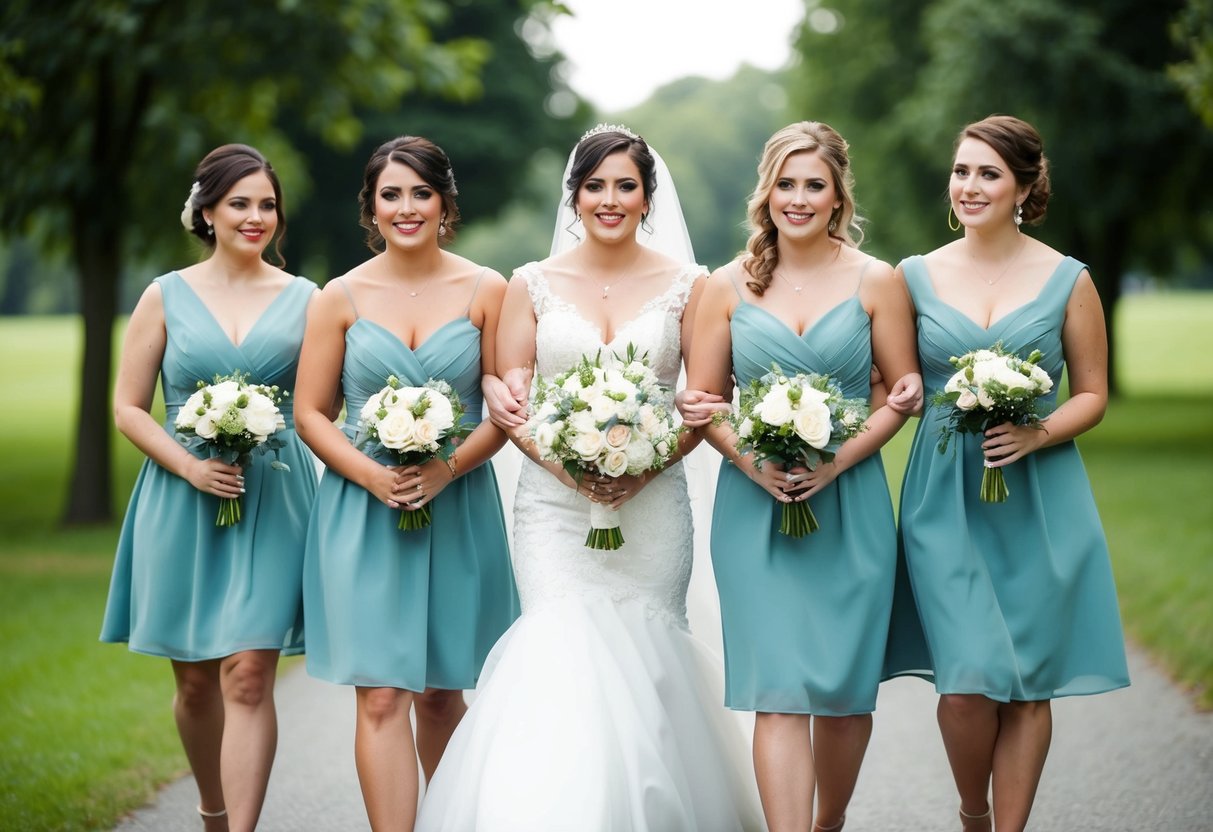
When planning a wedding, cultural and religious traditions can greatly influence the order of the processional. Each tradition has its own customs that may dictate who walks down the aisle first, including the maid of honor and bridesmaids.
Christian Wedding Processional
In a traditional Christian wedding, the processional often begins with the wedding party entering in a specific order. Typically, the bridesmaids walk in first, followed by the maid of honor. This arrangement emphasizes the support of the bridesmaids before the bride makes her entrance. The bride then walks down the aisle, often accompanied by her father. This procession maintains a sense of order and respect, setting a heartfelt tone for the ceremony.
Jewish Wedding Processional
In a Jewish wedding, the processional follows unique customs, particularly involving the chuppah, a canopy where the ceremony takes place. The processional often starts with the groom and his parents entering first. After this, the bridesmaids come in, followed by the maid of honor. The bride walks down last, typically with both parents. This order highlights the unity of families and celebrates the joyous occasion.
Hindu Wedding Processional
For a Hindu wedding, the processional is lively and rich in traditions. It often starts with the baraat, which is the groom’s joyful procession to the venue, accompanied by music and dancing. Following the groom, the bridesmaids and maid of honor may walk in, but the bride’s entrance is the grandest moment. She typically enters under a mandap, showcasing cultural significance. This colorful and festive atmosphere reflects the vibrancy of Hindu traditions.
Nondenominational Wedding Processional
In nondenominational ceremonies, couples have the flexibility to create their own unique processional order. Typically, bridesmaids precede the maid of honor in these weddings, but it can vary based on personal preferences.
Many choose to blend different traditions or follow modern trends. The goal is to create a meaningful experience that reflects your values and beliefs. It’s all about making the ceremony feel special to you and your family.