
Who Walks in with the Mother of the Bride? Understanding the Wedding Procession
The wedding ceremony is often a beautiful blend of tradition and personal choices. One key moment is when the mother of the bride walks down the aisle. Typically, a close family member, such as a brother, son, or even the father of the groom, escorts her. This moment is not only significant for her but can also set the tone for the entire wedding procession.
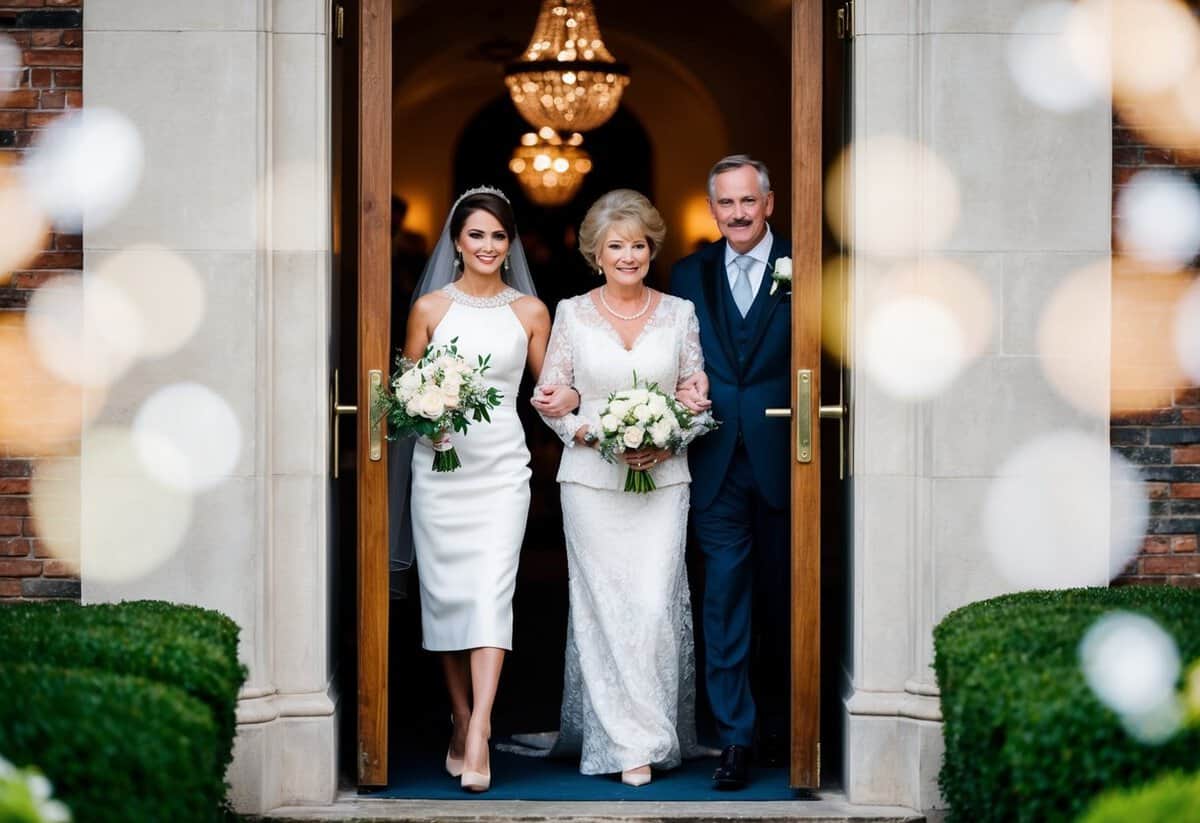
As you plan this special day, considering who will accompany the mother of the bride is essential. It can be anyone who holds a special place in her heart. Whether you choose to stick to tradition or create a new one, it’s a chance to celebrate your family’s love and support.
Remember, this is your day, and customizing these moments can make them even more meaningful. Think about the connections you want to highlight as the wedding unfolds, especially during this heartfelt moment with the mother of the bride.
The Wedding Processional Order
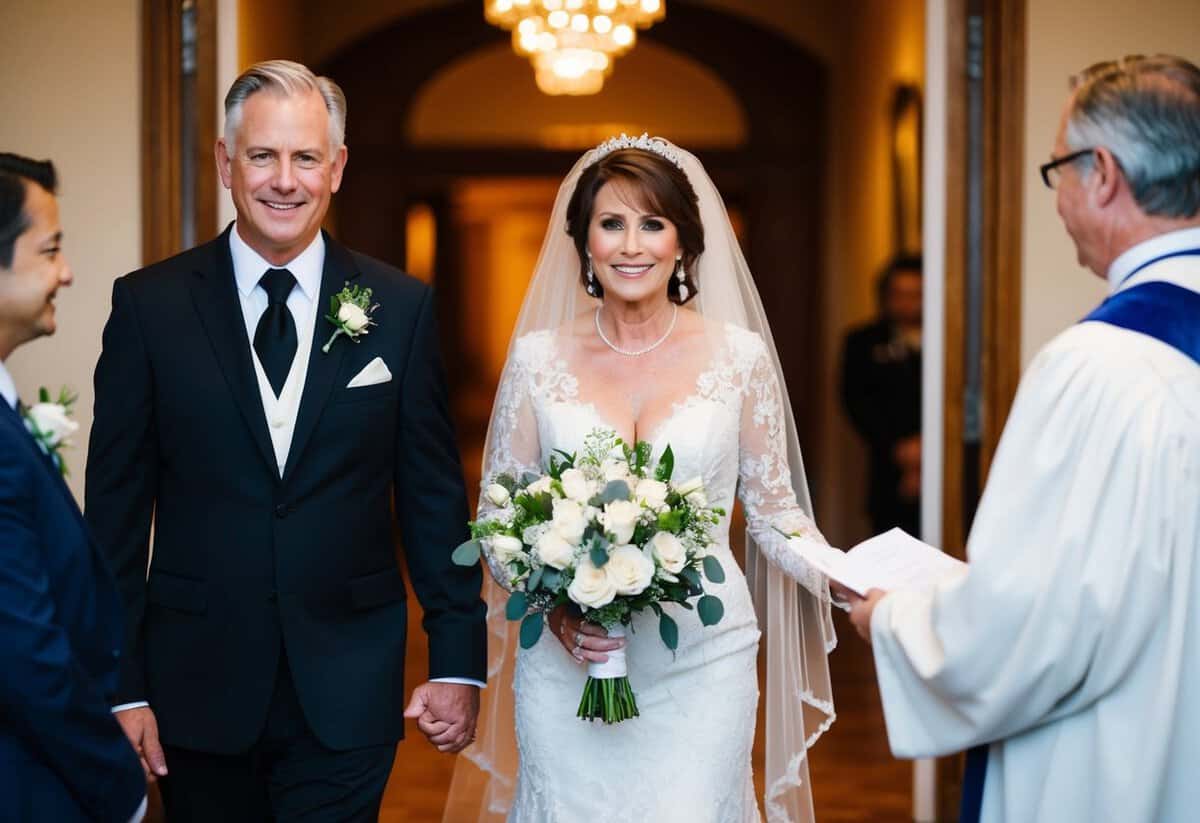
The wedding processional order sets the tone for your ceremony. It details who walks down the aisle and in what order, reflecting both tradition and personal style. Understanding this order helps you create a meaningful experience for everyone involved.
The Role of the Mother of the Bride
The mother of the bride has a special part in the wedding processional. Traditionally, she walks down the aisle right before the bridal party. Often, she is escorted by a close male relative, such as her son or brother. In some cases, she may choose to walk down alone, allowing for a more personal moment.
Seating arrangements usually have her sitting in the front row on the left. This position highlights her role and gives her a special view of the ceremony. The timing of her entrance is important, as she is seated just before the bridal party begins to walk down the aisle.
Traditional vs. Modern Processions
In traditional weddings, the processional order typically follows a specific sequence. For example, in a Christian wedding processional, the groom’s parents walk in first, followed by the bride’s mother. The bride enters last, usually escorted by her father.
In contrast, modern weddings offer more flexibility. You might choose to include friends or family members who are important to you. For a nondenominational wedding processional, the order can be adapted based on your preferences.
Other cultures, like Jewish or Hindu weddings, have their unique customs. In a Jewish wedding, the procession often includes both sets of parents, while a Hindu wedding may have additional ceremonial elements. You can personalize this order to reflect your style and story.
Who Walks the Mother of the Bride Down the Aisle?
The moment when the mother of the bride walks down the aisle is significant. Various traditions and personal choices shape who accompanies her, reflecting family dynamics and cultural meanings.
Traditional and Cultural Variations
In many Christian weddings, the mother of the bride typically walks down the aisle either alone or escorted by a close male relative, like a brother. In contrast, Jewish weddings often see the mother walking with both parents as a symbol of unity.
In Hindu weddings, the situation can differ. The mother may walk with both parents or a close family member. Each culture brings its own customs to this important moment, and understanding these can help you choose what feels right for your family.
Considering Family Dynamics and Personal Preferences
Choosing who walks the mother of the bride down the aisle can involve personal preferences. You might consider family dynamics when making this decision. For instance, if the father is present, he might escort her.
Sometimes, the mother prefers to walk alone to cherish the moment. This can signify her strength and independence. You might also ask close male relatives or siblings to accompany her for added support and connection during this meaningful walk.
Special Moments for the Mother of the Bride
The mother of the bride has unique opportunities to create memorable moments during the wedding day. Two important highlights include the reception toast and the special dance with the groom. These moments not only celebrate relationships but also mark her pride and joy in her daughter’s new journey.
Reception Toast
The reception toast is a heartfelt chance for you to express your love and support. This moment allows you to reminisce about cherished memories while welcoming guests.
When preparing your toast, think about including:
- Personal stories: Share funny or touching anecdotes that highlight your bond with your daughter.
- Words of advice: Offer wisdom about love and marriage that you’ve learned over the years.
- Gratitude: Thank guests for being part of this special day and celebrate the union of two families.
Keep your toast sincere and light-hearted. Aim for 3-5 minutes to keep everyone engaged. This moment is a highlight for both you and the bride, creating lasting memories.
Dance with the Groom
The dance you share with the groom is a special moment that symbolizes the joining of families. This dance allows you to pass on your blessings and celebrate the love between your daughter and her new spouse.
Consider this approach while planning the dance:
- Choose a meaningful song: Pick a tune that resonates with your family or has significance to your daughter’s life.
- Practice together: Rehearse a little to feel comfortable and confident when the time comes.
- Involve others: After a couple of minutes, you can invite everyone to join, making it a fun celebration.
This dance is a cherished moment that can strengthen family bonds. It highlights the importance of support and love on this special day.