
Who Walks Mother of the Bride Down? Exploring Traditional Wedding Roles
The moment your mother walks down the aisle is often filled with emotion and significance. Traditionally, the mother of the bride is escorted by a close male family member, such as her son or brother. She can also choose to walk alone or with both parents. This choice reflects personal preferences and family dynamics, making it a special part of the wedding ceremony.
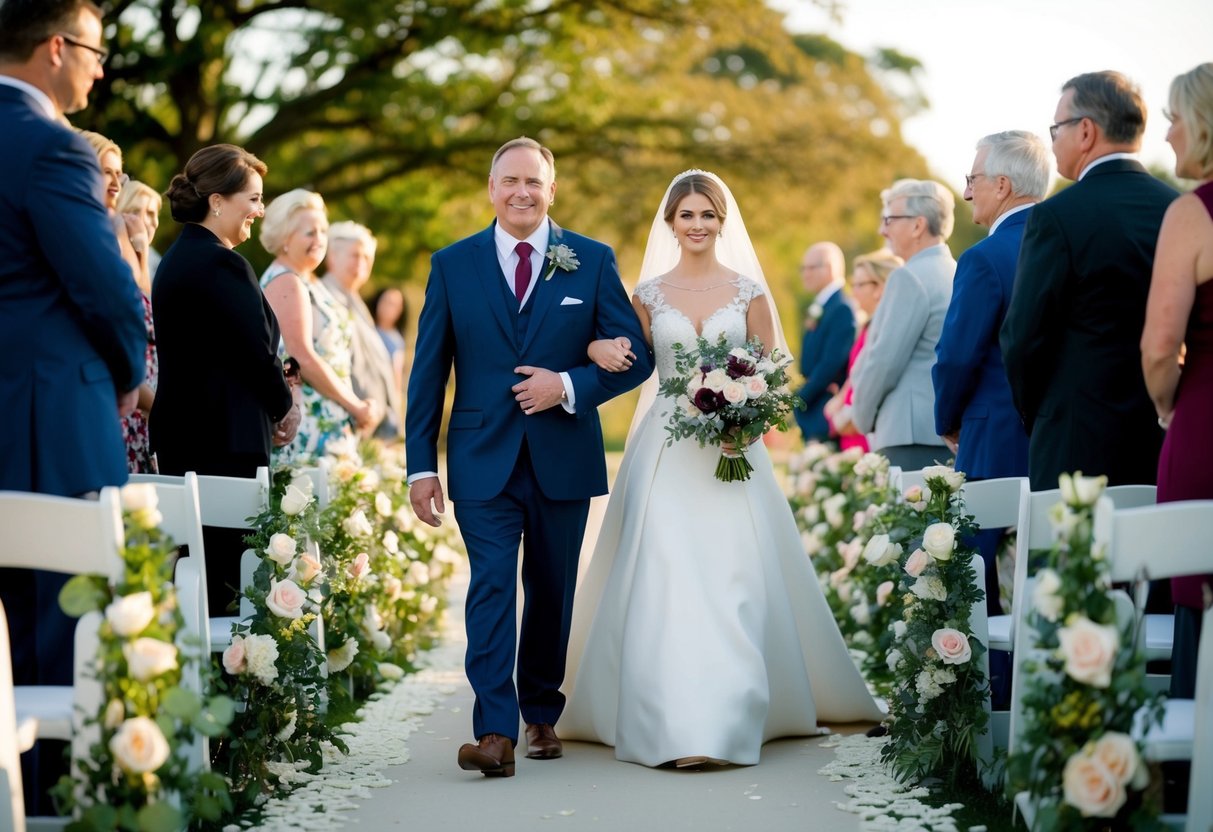
You might wonder how to make this moment even more meaningful. Some families opt for unique arrangements, allowing the mother to walk with her daughter or in a way that honors cherished relationships. The decision should resonate with what feels right for you and your family during this memorable day.
Planning the details of your wedding can be overwhelming, but understanding who walks the mother of the bride down the aisle is an important consideration. It sets the tone for the ceremony and celebrates the bond that family shares during this joyous occasion.
Traditions and Roles in the Wedding Processional
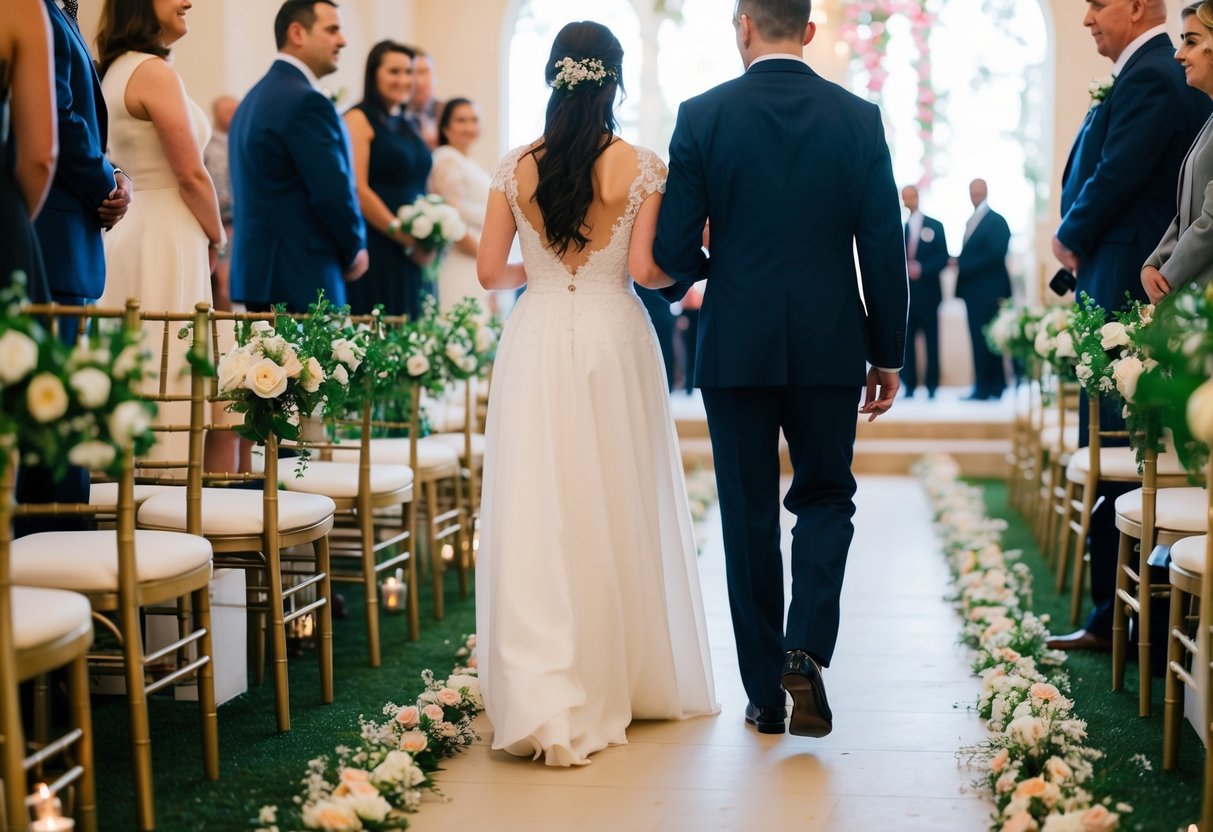
In weddings, the processional is a beautiful and significant moment. You’ll find traditions can differ based on culture and beliefs. Let’s explore the historical roles and the typical order you might see during ceremonies.
Historical Significance
The mother of the bride has a special role in the wedding processional. This act symbolizes respect for the mother’s effort in raising the bride. In many cultures, including Christian and Jewish weddings, it’s common for the mother to walk down the aisle with a close male family member.
In some ceremonies, you may find her escorted by the father of the bride or a son. This moment acknowledges her love and support, and it also highlights the importance of family during this special day. Navigating these traditions can add a personal touch to your wedding.
Standard Processional Order
The standard processional order can vary, but many weddings follow a similar pattern. Usually, the ceremony begins with the grandparents, then the parents of the groom. Next, bridesmaids and groomsmen enter, often paired together.
The maid of honor walks down right before the bride. Traditionally, the flower girl and ring bearer follow, adding a sweet charm to the event. After these important figures, the bride walks down the aisle, often with her father or another family member.
In a traditional Jewish ceremony, you might see distinct customs that honor community and family traditions. This order creates an emotional buildup, making the moment memorable for everyone involved.
Who Escorts the Mother of the Bride
When thinking about who will escort the mother of the bride, you have several meaningful options. These choices can reflect your family’s values and traditions or highlight the independence and strength of the mother.
Family Members as Escorts
One popular choice is family members. The father of the bride often walks the mother of the bride down the aisle if they are still married. This moment can symbolize family unity and support.
If the father is not an option, consider other family members. A son, brother, or even a stepmother can serve as an escort, allowing for a bond during the ceremony. Each option offers a personal touch, making the moment special for everyone involved.
Considering a Close Male Relative or Friend
If family members are unavailable, you might look to a close male relative or friend. This could include a cousin, close family friend, or even a trusted neighbor. They can provide comfort and support during the processional.
Walking with a male figure can add a layer of tradition and significance. If the mother of the bride prefers to walk alone, that option also symbolizes her independence and strength. Ultimately, the choice should reflect her wishes and the family’s unique dynamics.
Modern Twists on Traditional Roles
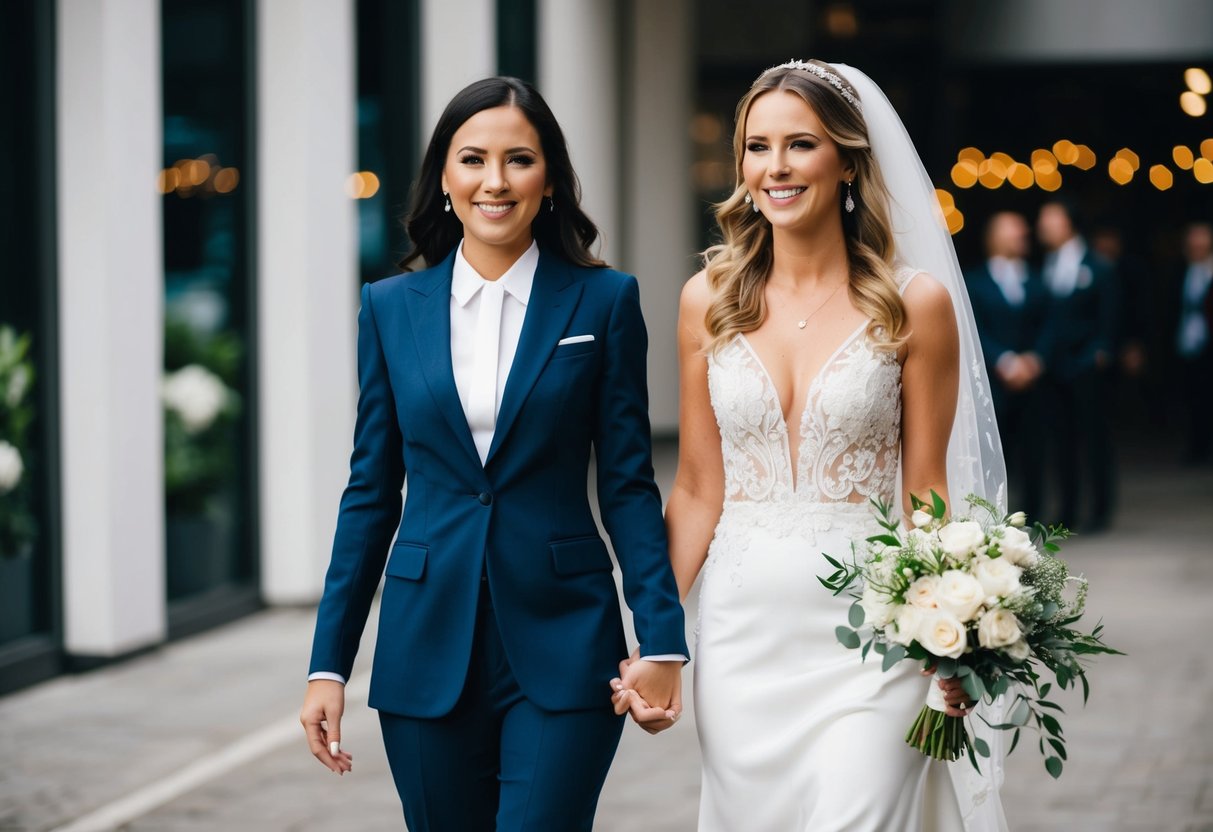
When planning your wedding, you might want to add personal touches that reflect your family’s values and your unique style. Modern weddings often embrace creativity and flexibility, allowing families to decide what feels right for them. Here are some ways to approach who walks the mother of the bride down the aisle.
Personal Touches in the Processional
In modern weddings, the traditional roles can be reimagined to suit your family’s preferences. You might choose to have a sibling, a close friend, or even a child walk your mother down the aisle. This not only honors the special bond but also adds a personal touch to the ceremony.
For instance, in some Hindu weddings, it’s common for family members to play significant roles. You could consider having family members share their favorite memories as they walk to the altar. Another idea is to include meaningful gestures, such as a flower exchange as you walk, symbolizing love and support.
Family Dynamics and Independence
Today, family dynamics often shape wedding traditions. If your mother has a strong, independent spirit, she might choose to walk alone or accompany other special people in her life. This could be a nod to her influence and a celebration of her journey.
For blended families, you might find that including stepparents or grandparents enhances the experience. Each family’s story is different, so don’t hesitate to break away from tradition if it feels right.
Your wedding is about you and your loved ones. Creating a ceremony that reflects that can make it even more meaningful.