
Who Walks on the Runner at a Wedding? Understanding the Processional Order
When planning your wedding, you might wonder about the important details of the ceremony. One such detail is the wedding aisle runner. This feature adds beauty and elegance to the setting, but you may be curious about who walks on it during the event. Traditionally, the ring bearer and flower girl are the only people who should walk on the aisle runner before the bride.
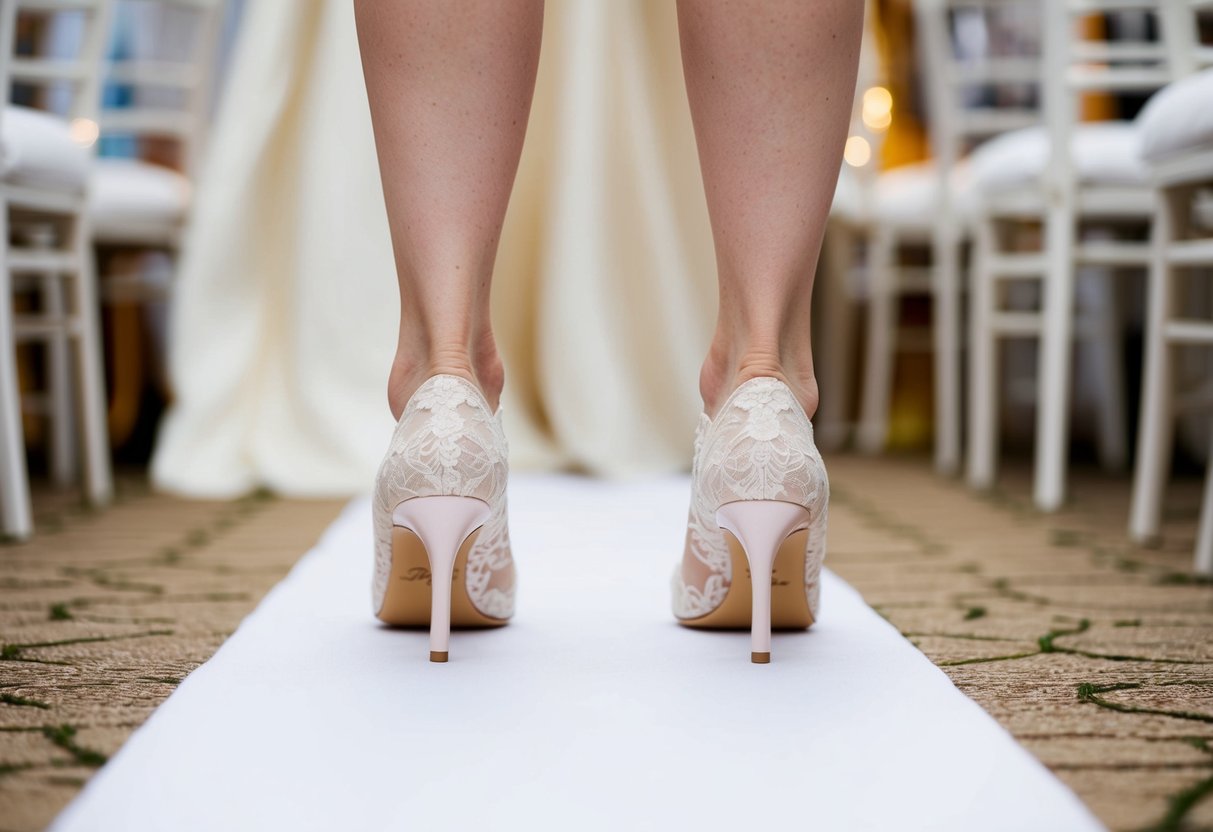
As the wedding processional begins, your wedding party will follow specific roles in a set order. The to-be-weds, along with bridesmaids and groomsmen, will walk down the aisle, making their way to the altar. Understanding this flow can help you visualize the ceremony and ensure everyone knows their part.
Knowing who walks on the runner can make your planning smoother and help clarify the roles for those involved. By preparing in advance, you can focus on enjoying your special day with family and friends.
The Wedding Processional Order

The wedding processional is a special moment that sets the tone for your ceremony. Understanding the order in which participants walk can help you plan this important part of your big day.
Roles and Responsibilities
In the processional, each person has a distinct role. Typically, the officiant is the first to walk down the aisle, positioned at the front.
Next, the parents of the couple may follow, often taking seats in the front rows. They are there to support you on this momentous occasion.
Grandparents can precede or follow the parents, showing respect and honoring family traditions.
Following them, you’ll often see the wedding party. The bridesmaids and groomsmen enter next, usually in pairs, leading up to your entrance.
Finally, the maid of honor and best man walk in, paving the way for you and your partner.
Traditional versus Modern Variations
The traditional processional order is often similar across weddings, but you can customize it.
In a classic setup, the bridesmaids walk down first, followed by the flower girl and ring bearer, who usually come right before the bride.
You might choose to have some fun with a modern twist. Some couples opt for mixed-gender processional lines, where groomsmen and bridesmaids walk together.
Remember, there’s no strict rule. It’s about what feels right for you and your partner.
Cultural and Religious Considerations
Different cultures and religions have unique customs in their processional orders.
For instance, in a Catholic ceremony, the officiant often leads, followed by the altar servers. The bride typically enters last with her father, marking a significant moment.
Other traditions may involve specific roles for family members, like having parents lead in specific orders.
It’s essential to discuss these details with your officiant to make sure you honor your heritage and adhere to any religious guidelines.
The Role of the Aisle Runner

The aisle runner sets the stage for your wedding ceremony, creating a beautiful pathway for the couple and adding a touch of elegance to the decor. Choosing the right material and incorporating decorative elements can enhance the overall atmosphere of your special day.
Choosing the Right Material
Selecting the right material for your aisle runner is crucial. Satin is a popular choice because it feels luxurious and looks stunning. This fabric can reflect light beautifully, adding an elegant touch to your wedding aisle.
You might also consider using a personalized runner with custom prints or designs. This can make your ceremony feel unique and reflect your personality.
If you’re looking for something different, options like burlap or lace can create a rustic ambiance. Each material has its charm, so think about your wedding theme when making your choice.
Setting the Scene for Elegance
Using your aisle runner effectively can elevate your ceremony. Consider adding decorative elements such as flower petals scattered along the path. This not only enhances the visual appeal but also brings a romantic feel to the wedding aisle.
You can also complement the runner with coordinating decorations, like floral arrangements or lanterns placed alongside. These elements tie the decor together and direct the guests’ focus to the couple as they walk down the aisle.
Remember, your aisle runner should not just look good; it should create a warm and inviting atmosphere for you and your guests. With a little thought, you can turn your aisle into a stunning focal point for your big day.
Key Figures in the Wedding Ceremony
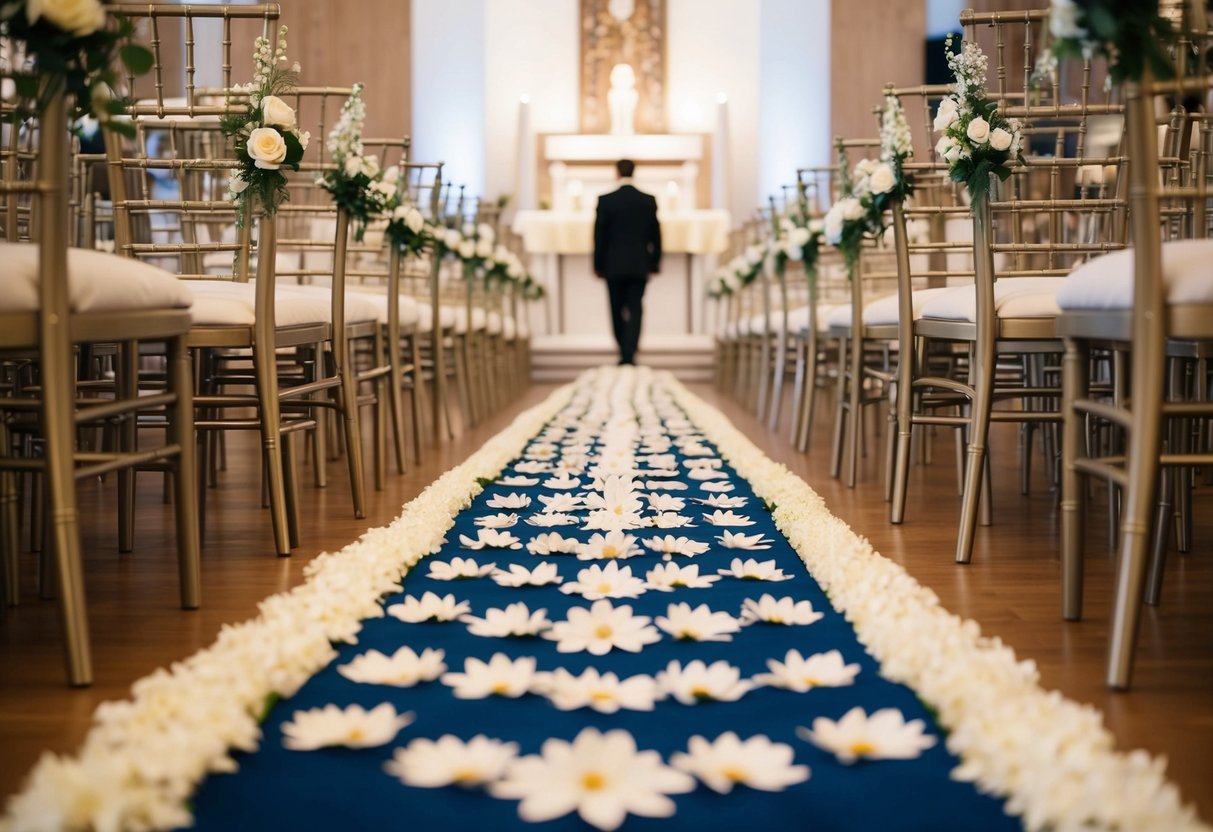
In a wedding ceremony, certain key figures play special roles as they walk down the aisle. These individuals help set the tone for the event and make it memorable for everyone involved. Understanding who these people are can enhance your ceremony planning.
The Entrance of the Bride and Groom
The entrance of the bride and groom is often the highlight of the ceremony. Typically, the bride walks down the aisle last, making a stunning entrance in her wedding gown. Before her, the wedding party, including bridesmaids and groomsmen, may walk in pairs or individually.
Flower girls often precede the bride, adding charm with their petals. If a ring bearer is involved, he usually comes right after the flower girl, carrying the wedding rings on a decorative pillow. This order helps create a beautiful flow to the ceremony.
Significant Family Members
Family members hold important roles during the ceremony. The father of the bride usually walks his daughter down the aisle, symbolizing support and love. This moment is often emotional for both father and daughter.
The mother of the bride may also play a role in the processional, either walking in alongside her husband or seated prominently as guests enter. Other family members might serve as ushers or readers, participating in the celebrations. Their presence helps represent the joining of two families through the couple’s vows.
Planning Your Ceremony Entrance
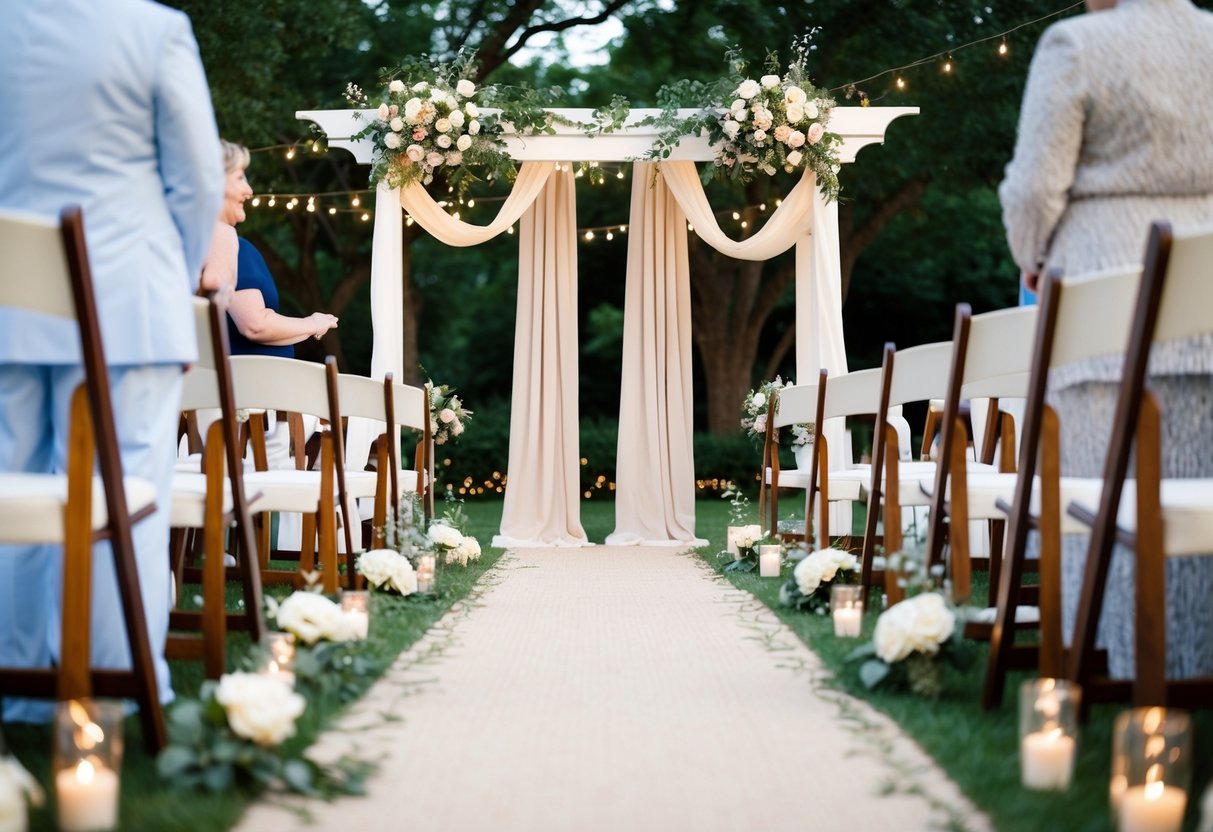
Creating a memorable ceremony entrance is crucial for setting the tone of your wedding. Careful planning and coordination with your wedding planner will help ensure everything goes smoothly on your big day. Here are two key aspects to consider.
Coordination with the Wedding Planner
Your wedding planner is an essential part of organizing your ceremony entrance. They have experience in managing the flow of events and can suggest ideas that fit your wedding theme.
Discuss the processional order with your planner. This helps in understanding who walks first and how each member of the wedding party will enter.
Consider cultural traditions that are important to you. If you are having a traditional wedding or an outdoor wedding, your planner can help tailor the entrance to fit the setting.
Make sure to communicate with your planner about any specific songs or cues you want for the entrance. This ensures that everyone is on the same page, reducing stress on your wedding day.
Sequencing the Order of Entrance
Creating an organized entry requires a careful order of procession. Typically, the officiant walks in first, followed by the wedding party and then the bride.
Here is a common order for a Christian wedding processional:
- Officiant
- Parents of the Bride
- Groomsmen
- Bridesmaids
- Flower Girl
- Ring Bearer
- Bride
If you are considering alternative arrangements, discuss these with your wedding planner. Also, be mindful of your wedding guests’ view.
When planning this sequence, think about how it will look visually. Each person’s entrance can build anticipation for the bride’s arrival.
This is your moment to shine, so structure it to reflect your personality and style.