
Who Walks Out After the Bride and Groom? Exploring Common Wedding Exit Scenarios
After the bride and groom exchange vows, the moment shifts to the recessional. The wedding party is typically the first to walk out after the couple. This includes the best man, maid of honor, and any additional bridesmaids and groomsmen. Following them, the flower girl and ring bearer often make their way down the aisle, adding a touch of charm to the scene.
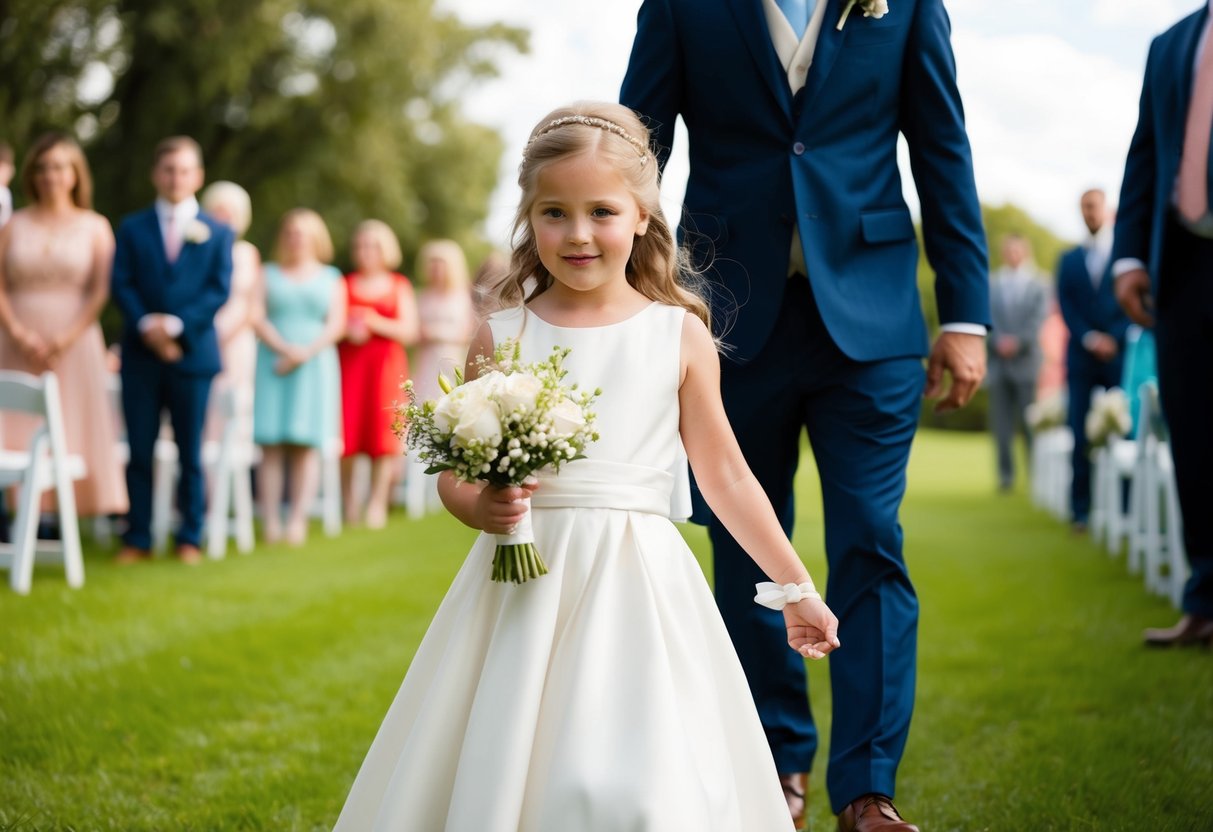
As the ceremony wraps up, the parents of the couple may follow suit, often led by the mother of the bride. This creates a beautiful procession that reflects the joy of the occasion. Understanding these roles can help you plan your own wedding or support a friend’s special day. It’s all about celebrating love and togetherness!
The Wedding Processional
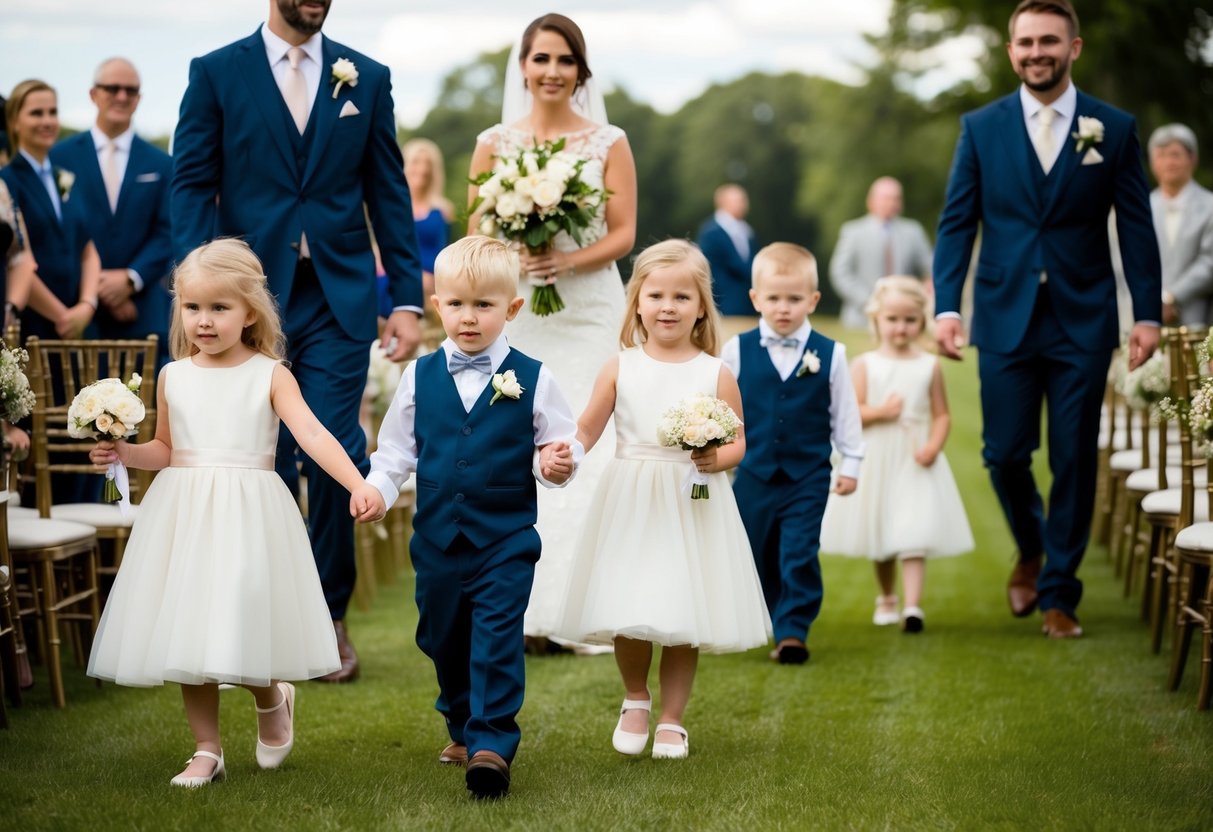
The wedding processional marks the moment guests stand to welcome the wedding party. This includes family members, the bridal party, and, finally, the couple themselves. Understanding this order helps to create a smooth and meaningful ceremony.
Understanding the Wedding Processional Order
The order of the wedding processional can vary based on cultural traditions and personal preferences. In a traditional Christian wedding processional, the seating usually begins with the groom’s side, followed by the bride’s family. Next, the wedding party walks down the aisle.
A common order is:
- Officiant
- Groomsmen
- Bridesmaids
- Flower girl and Ring bearer
- Bride
In a Jewish wedding ceremony, the processional includes the couple walking under the chuppah, often with parents. The processional song sets the mood for this special moment, so choose something meaningful to you.
Roles and Responsibilities in the Processional
Different members of the wedding party have specific roles in the processional. The maid of honor typically walks down last among the bridesmaids, while the best man leads the groomsmen. The ushers play an important part as they help guests to their seats before the ceremony starts.
After the couple has made their grand entrance, they may sign a marriage license or participate in rituals like the unity candle during the ceremony. Each role in the processional adds to the emotional and visual storytelling of your wedding day, making it memorable for you and your guests.
Family Members in the Processional
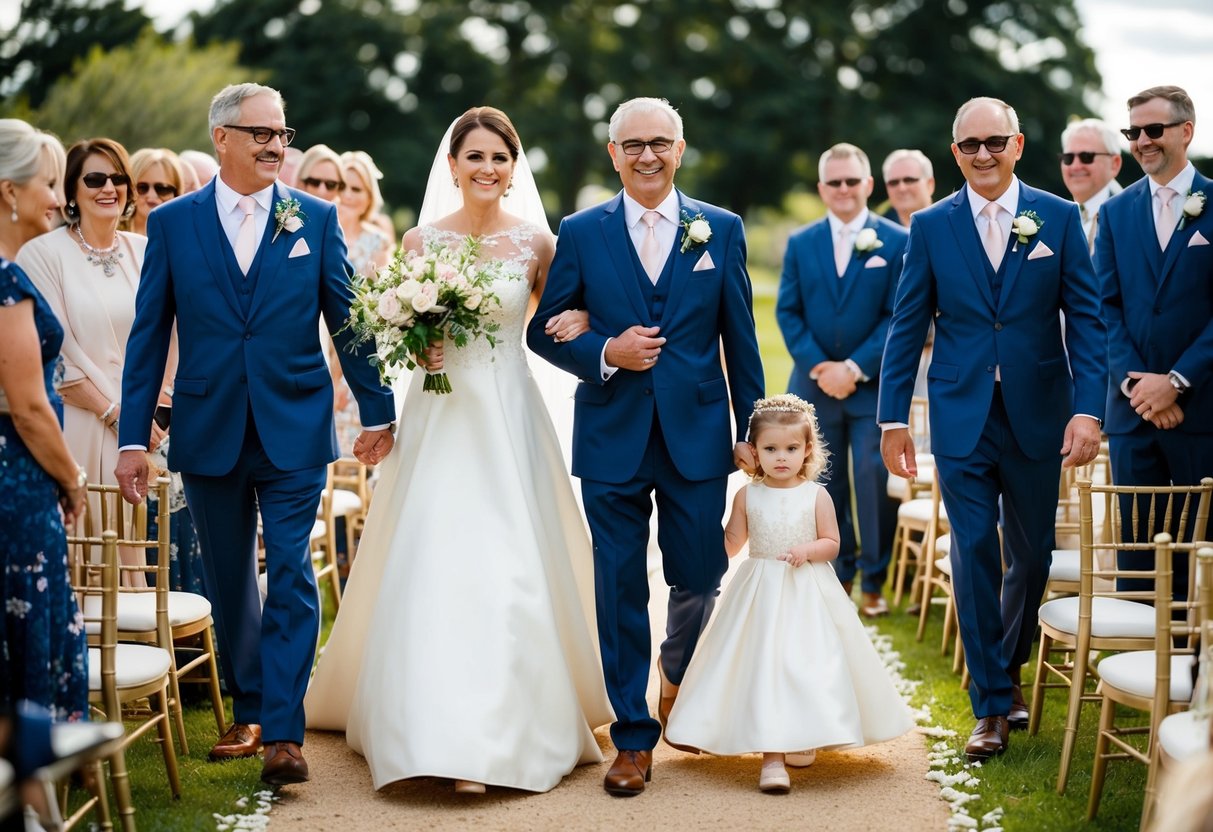
In a wedding processional, family members play important roles. They help set the tone for the ceremony and add to the emotional atmosphere. Various family members have specific traditions regarding when they walk down the aisle.
The Bride’s Family
The processional often starts with the bride’s family. Typically, the mother of the bride enters first. She is often seated just before the ceremony begins. Once she is settled, the father of the bride can escort her as she makes her grand entrance. This moment is often filled with emotions as it symbolizes the bride’s transition to her new life.
After the parents, it’s common for the bride’s grandparents to walk down the aisle. They may be escorted by parents or other family members. This act honors their place in the family and acknowledges their support.
The Groom’s Family
Next up is the groom’s family. The groom’s parents often follow the bride’s family. They may walk down the aisle together or separately. If included, they are usually seated after the bride’s family. This is a way to give both families prominence during the ceremony.
In some cases, the groom may also choose to include his grandparents or siblings in the processional. This inclusion can enhance family unity and make everyone feel more connected during the ceremony.
Extended Family Involvement
While immediate family usually has priority, extended family members can also be part of the processional. This could include aunts, uncles, or close friends who feel like family.
You can decide how to involve them, whether by having them walk down the aisle or find a special way to honor them during the ceremony. It can help create a sense of togetherness and celebration, making the day even more special.
Special Ceremony Inclusions
Incorporating special elements into your wedding ceremony can make it more meaningful. From cultural traditions to memorable additions, these factors transform the ceremony into a unique experience for you and your guests.
Cultural and Religious Considerations
Different cultures and religions often have unique traditions. For instance, in Jewish weddings, a chuppah is used to symbolize the home the couple will build together. The wedding officiant plays a crucial role in guiding these traditions.
In traditional Christian ceremonies, the bridal party usually includes bridesmaids and groomsmen, who walk in specific orders. Many choose to incorporate prayers or hymns that hold significance to them. Civil ceremonies can also reflect personal beliefs and values, making the day just as special.
Consider discussing these elements with your officiant to ensure they fit seamlessly into your ceremony.
Memorable Ceremony Additions
You can add unique touches to your ceremony to create emotional moments. Wedding rings often symbolize love and commitment, and you might choose to have a special moment dedicated to exchanging vows.
Additionally, involving a page boy or using a special wedding processional song can enhance the atmosphere. Some couples choose to include readings or speeches from loved ones, making the day even more memorable.
If you want to keep things organized, consider a printable wedding processional order template. This helps you visualize the sequence of events and ensures everyone knows their role. Each detail counts, so think about what will make your ceremony special and reflect your journey together.
The Wedding Recessional
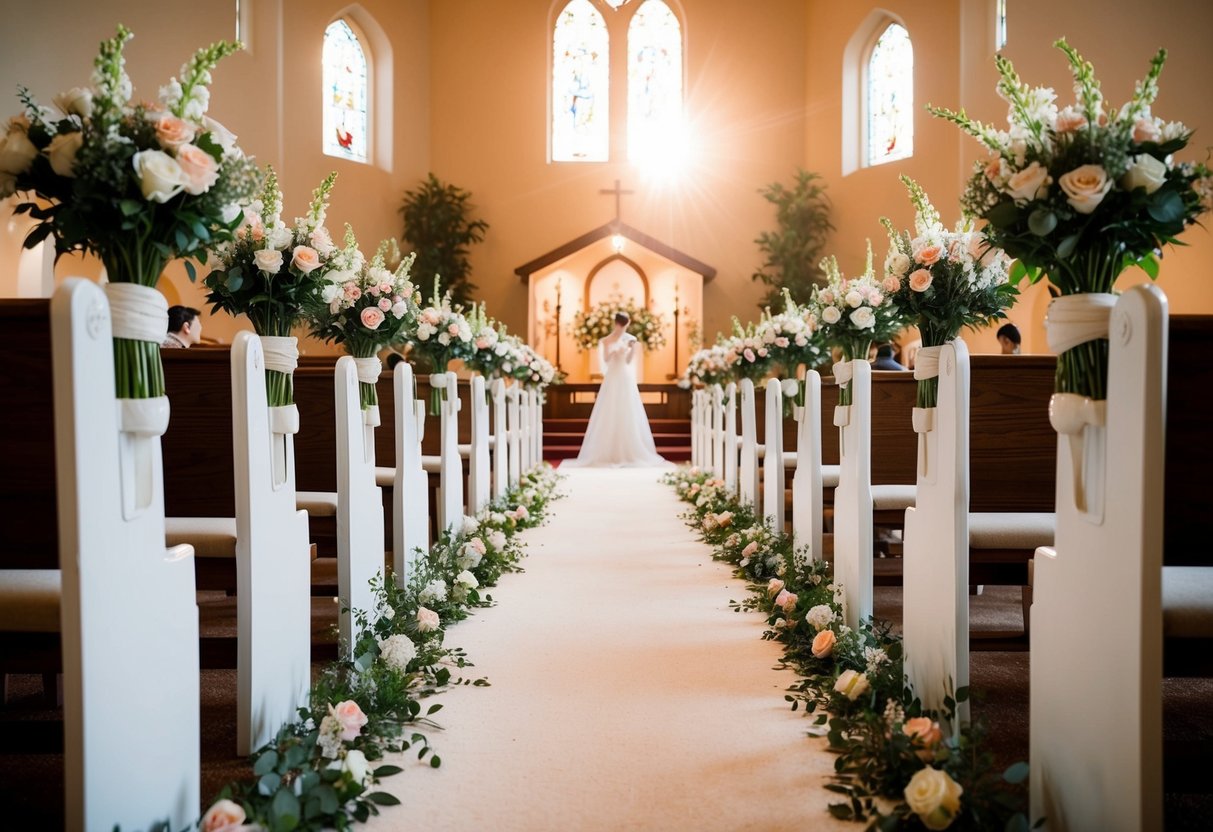
The wedding recessional is an exciting part of your ceremony. It happens right after the officiant pronounces you and your partner as married.
At this moment, a special song plays, marking your official exit. This is when everyone walks out in a specific order.
Typically, the order starts with you and your partner, followed by important people in your lives. Here’s a common order:
- Bride and Groom
- Flower Girl and Ring Bearer (if you have them)
- Maid of Honor and Best Man
- Bridesmaids and Groomsmen
- Parents
You can decide who walks out after you. This can include family members or the wedding party. Some couples choose to have their parents leave right after them, while others let the entire wedding party exit first.
The music for the recessional is usually upbeat and joyful. It’s a fun way to celebrate your first moments as a married couple. You might consider your favorite song for this special time.
Your recessional can reflect your style and preferences. You can customize it to make it feel uniquely yours. Whether it’s traditional or more relaxed, the wedding recessional is an unforgettable moment in your big day.