
Who Walks Out First at a Wedding? Exploring Tradition and Expectations
When attending a wedding, you might wonder who walks out first during the ceremony. Typically, the officiant is the first to make their entrance, followed by the groom. The groom may walk with his parents. After them, the wedding party follows, which includes bridesmaids and groomsmen, before it’s finally the bride’s turn to walk down the aisle.
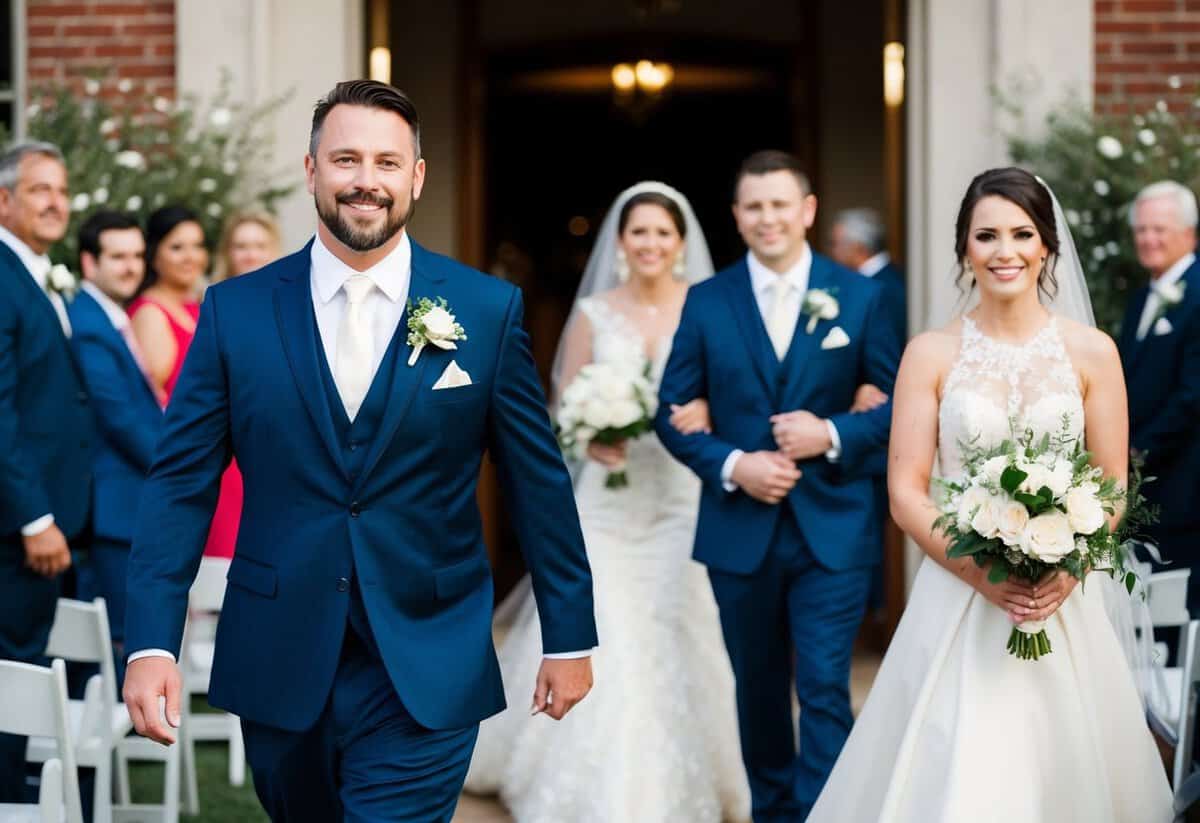
Understanding the wedding processional order can help you visualize the ceremony better and appreciate its flow. Each step adds to the emotional atmosphere, making it a memorable experience for everyone involved. You’ll discover how different cultures or personal preferences can slightly alter this order, adding unique touches to traditional weddings.
As you read on, you’ll learn not only who walks out first but also how the wedding processional can vary based on the couple’s wishes and the ceremony type.
The Traditional Wedding Processional Order
Understanding the traditional wedding processional order can help set the mood for your ceremony. Each person walks down the aisle in a specific sequence, making it a memorable moment for everyone involved.
Role of the Officiant
The officiant is the first to enter. This person is usually at the front of the venue, ready to greet guests. Their role is crucial, as they will guide the ceremony and help make sure everything runs smoothly. Often, the officiant stands in place while the rest of the processional begins, creating a sense of formality and anticipation for the big day.
The Grandparents’ Entrance
Next, the grandparents of the couple are escorted in. This is a lovely way to honor them, acknowledging their role in the couple’s lives. Typically, they walk in pairs or are escorted by a family member. This part of the processional often brings warmth and a sense of family connection to the ceremony.
Parents of the Bride and Groom
After the grandparents, the parents of the bride and groom enter. Traditionally, the bride’s mother walks down the aisle first, followed by the groom’s mother. This sequence gives prominence to the bride’s family while also representing the groom’s family. Sometimes, both sets of parents may walk together, which can symbolize unity.
Groom and Best Man’s Entry
Once the parents are seated, the groom and best man make their entrance. The groom walks towards the front with confidence, ready to join his bride. The best man walks alongside him, offering support and camaraderie. Their entrance marks an important transition leading up to the arrival of the bridal party.
Bridal Party’s Procession
Now it’s time for the bridal party to make their grand entrance. This typically includes bridesmaids and groomsmen walking down the aisle. Bridesmaids often enter first, paired with groomsmen, creating a beautiful visual. Depending on your preference, they might walk in a specific order or enter together. Flower girls and ring bearers often follow next, bringing added charm to the procession.
The Bride’s Grand Entrance
Finally, the moment everyone has been waiting for—the bride’s entrance. Traditionally, the bride walks down the aisle last, often escorted by her father or both parents. This is a powerful moment filled with emotion. The music usually changes to signify her arrival, capturing everyone’s attention and marking the beginning of the ceremony. You may choose to personalize this moment, making it uniquely yours.
Cultural Variations in Wedding Proceedings
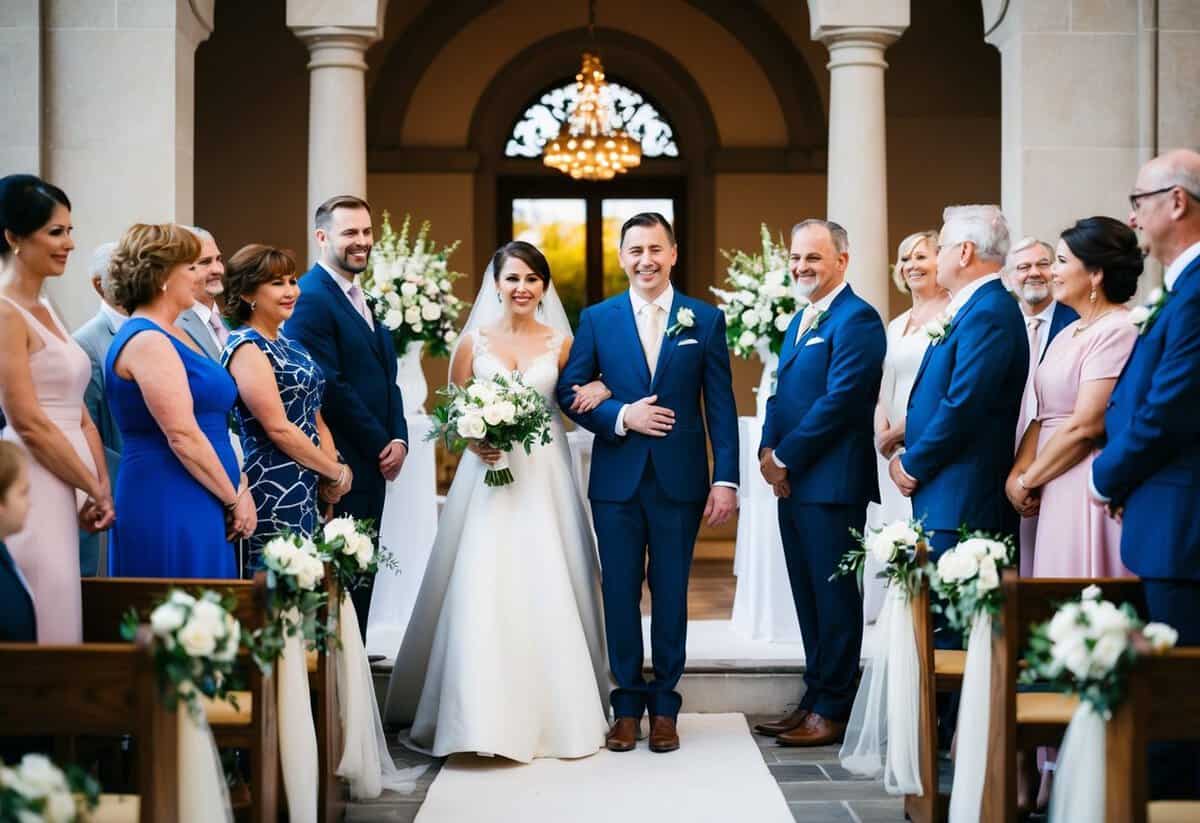
Weddings across cultures often have unique customs that dictate the order of walking down the aisle. Each tradition has specific roles for family and friends, making these events special and memorable.
Christian Wedding Processional
In a traditional Christian wedding, the processional often begins with the wedding party entering in a specific order. Typically, the groom and his party enter first, followed by the bridesmaids.
The bride usually makes her grand entrance last. This can be accompanied by music, which adds to the emotional atmosphere. In some cases, a parent or close relative walks the bride down the aisle.
Catholic ceremonies may include additional rituals, such as the lighting of the unity candle. Overall, the focus is on celebrating love and commitment.
Jewish Wedding Ceremony
In a Jewish wedding, the processional order reflects important traditions. The ceremony typically begins with the groom and his parents. The bride follows, usually under a chuppah (a canopy).
Both sets of parents play a significant role. They often walk together, showcasing family unity. The officiant, often a rabbi, leads the ceremony, guiding the couple through the customs.
The ketubah, or marriage contract, is often signed before the ceremony. This adds another layer of meaning to the proceedings.
Hindu Wedding Tradition
Hindu weddings are rich in rituals, starting with the baraat. This is a lively procession that includes the groom, friends, and family dancing to music as they head to the venue.
During the ceremony, the bride and groom stand under a mandap, which is beautifully decorated. Important rituals like the saat phere (seven circles around the fire) are central to the wedding.
Family members play essential roles throughout. They bless the couple, making the celebration deeply rooted in cultural traditions.
Nondenominational and Modern Approaches
Nondenominational weddings often embrace flexibility in the processional order. Couples may choose their own way, combining traditions or creating something entirely new.
It’s common for the couple to enter together, symbolizing equality. Friends and family may also be invited to join them in the processional.
Modern weddings can include unique elements, such as personalized vows or non-traditional music. The focus is often on making the event reflect the couple’s personalities and values.
Planning the Wedding Processional
When planning your wedding processional, it’s essential to think about the order of events, the music that will set the mood, and how to coordinate everything seamlessly. Each detail contributes to a memorable ceremony experience for you and your guests.
Selecting the Order of Events
Choosing the right order of events for your processional is crucial.
Traditionally, the officiant walks down the aisle first, followed by important family members. You might include parents, grandparents, and the wedding party members in a specific sequence.
A common order includes:
- Officiant
- Bridesmaids and groomsmen
- Maid of honor and best man
- Ring bearer and flower girl
- Bride
Using a printable wedding processional order template can help keep you organized and visualize the flow. Consider your own traditions and how you want to express them on your special day.
Choosing Processional Music
Music sets the tone and enhances the emotional impact of the ceremony.
The processional music should reflect the couple’s style and the ambiance you want to create.
You may choose:
- Classical pieces
- Contemporary love songs
- Instrumental arrangements
Plan for prelude music to welcome guests as they take their seats, building anticipation for the processional.
Test the sound system before the big day to ensure your selected tracks play clearly and align with each important moment in your procession.
Coordinating the Procession
A smooth processional requires coordination. Communicate the order and music choices with your wedding party, so everyone knows when and where to walk.
Consider having a rehearsal to practice the timing. This is especially important for the entrance of flower petals if they are involved. Make sure your flower girl understands how to spread the petals at appropriate moments.
Clear communication and practice will also help your officiant and musicians align perfectly with the flow of the processional. This attention to detail makes your wedding ceremony feel polished and heartfelt.