
Who Walks the Bride Down the Aisle If No Family? Exploring Alternative Options for a Meaningful Ceremony
Your wedding day is one of the most special moments in your life, filled with love and celebration. If you don’t have family to walk you down the aisle, there are many beautiful options to consider. You can choose friends, mentors, or any loved ones who mean a lot to you. The person you select can add a personal touch that reflects your unique journey.
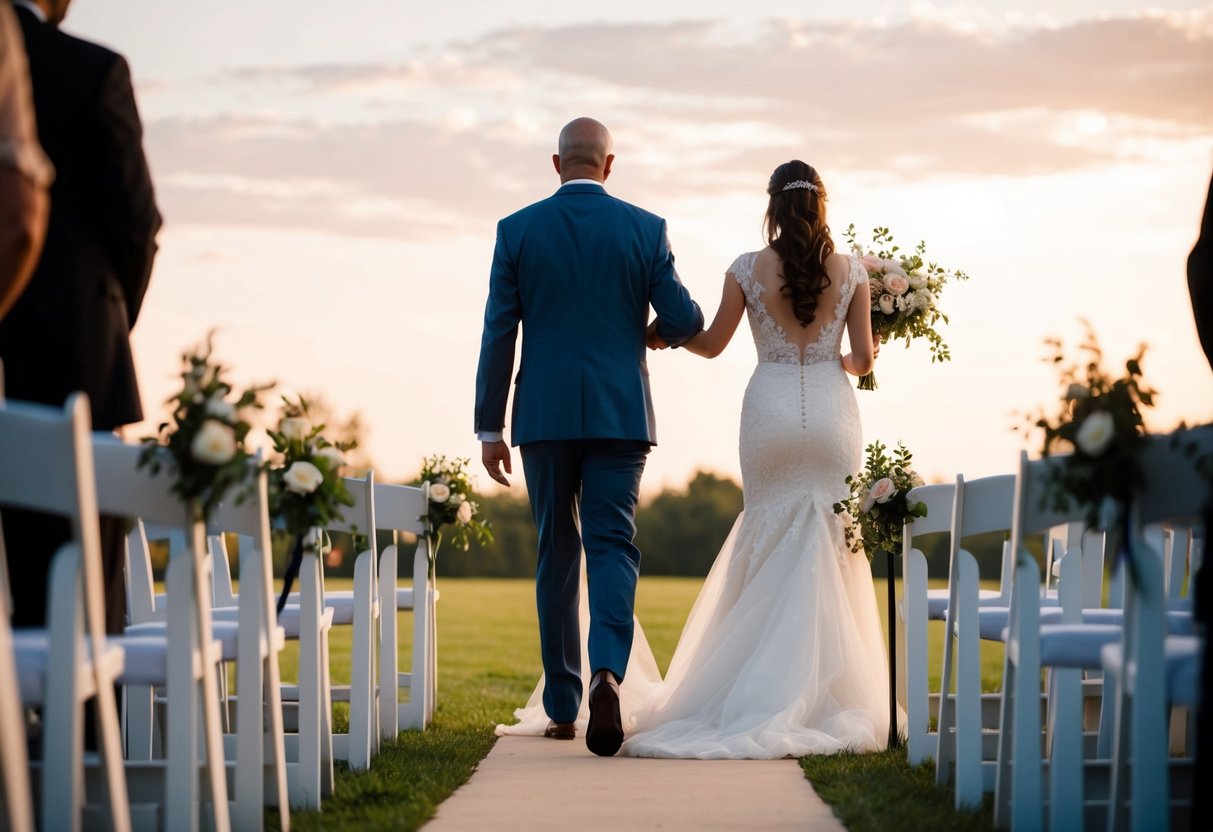
Walking down the aisle is more than just a tradition; it’s a meaningful moment where you can feel supported and cherished. Whether it’s a close friend who has been by your side or a trusted mentor, you have the freedom to decide who best represents your support system. This choice can make your wedding feel more personalized and authentic.
Don’t feel pressured to conform to traditional norms. Your wedding is about you and your happiness. Embrace the opportunity to celebrate your love in a way that feels right for you.
Understanding the Tradition of Walking Down the Aisle
Walking down the aisle is a special moment that represents a transition in life. While many brides have family members participate in this tradition, circumstances differ. This section dives into the origins, family roles, and cultural variations of this meaningful experience.
Origins and Significance
The tradition of walking down the aisle has deep roots. It symbolizes moving from single life to married life. Historically, this act also represented a father giving his daughter away, showcasing a protective gesture.
Over time, this practice evolved. Although the father of the bride is the most common figure, today’s weddings embrace personal choices. Whether it’s the mother of the bride or a close friend escorting you, the focus is on what feels right for you. This meaningful experience is less about strict tradition and more about personal significance.
Roles of Family Members
Family plays a crucial role in this tradition, especially in traditional weddings. The father of the bride walking you down the aisle is a moment cherished by many. It often highlights the bond between parent and child.
If family dynamics change, other options come into play. For instance, the mother of the bride can walk with you. In some cases, siblings, friends, or even mentors take on this role, ensuring you feel supported. This flexibility allows you to create a memorable moment that reflects your relationships, allowing for a meaningful experience that honors your connections.
Exploring Cultural Variations
Different cultures have their unique takes on the wedding aisle tradition. For example, in Jewish tradition, both parents may accompany the bride, showcasing unity and support. Catholic weddings also typically have a father figure escorting the bride, emphasizing the significance of family.
In Indian weddings, the groom may participate in the baraat, a joyful procession to the wedding venue. This celebration is a key part of the tradition, showcasing cultural customs surrounding weddings. Each culture brings its twist, allowing you to choose an approach that resonates with your values and background.
Who Can Walk the Bride Down?

Choosing who will walk you down the aisle can be a meaningful decision, especially if family isn’t an option. Here are some ideas for navigating this important moment.
Role of a Father Figure
If your father isn’t available or you want to include someone else, consider a father figure in your life. This could be an uncle, a grandfather, or a close family friend. They can provide that emotional support and connection.
It’s important to discuss this with them beforehand. Let them know how much this means to you. They can help guide you and make this moment special. When you have someone you trust, it can feel just as significant as a traditional father-daughter moment.
Involving Siblings and Relatives
Your siblings can also play a big role in this moment. A brother or sister may be a great choice. If they are supportive and share a close bond with you, they might enjoy the honor of walking you down the aisle.
If you have a special bond with a cousin or any other relative, consider them too. The focus should be on the love and connection you share. Whomever you choose, it’s about celebrating relationships that matter most to you, regardless of traditional norms.
When the Bride Chooses to Walk Alone
Walking alone is also a beautiful choice. It can symbolize independence and strength, showcasing your journey. This option allows you to embrace the moment on your own terms.
If you decide to walk alone, take a moment to reflect on what this means for you. This could be a time to think about your future and the new chapter you are beginning. It’s perfectly okay if you feel empowered doing this. Own that special moment as you walk down the aisle, full of confidence and grace.
Creative Alternatives to Traditional Family Escorts
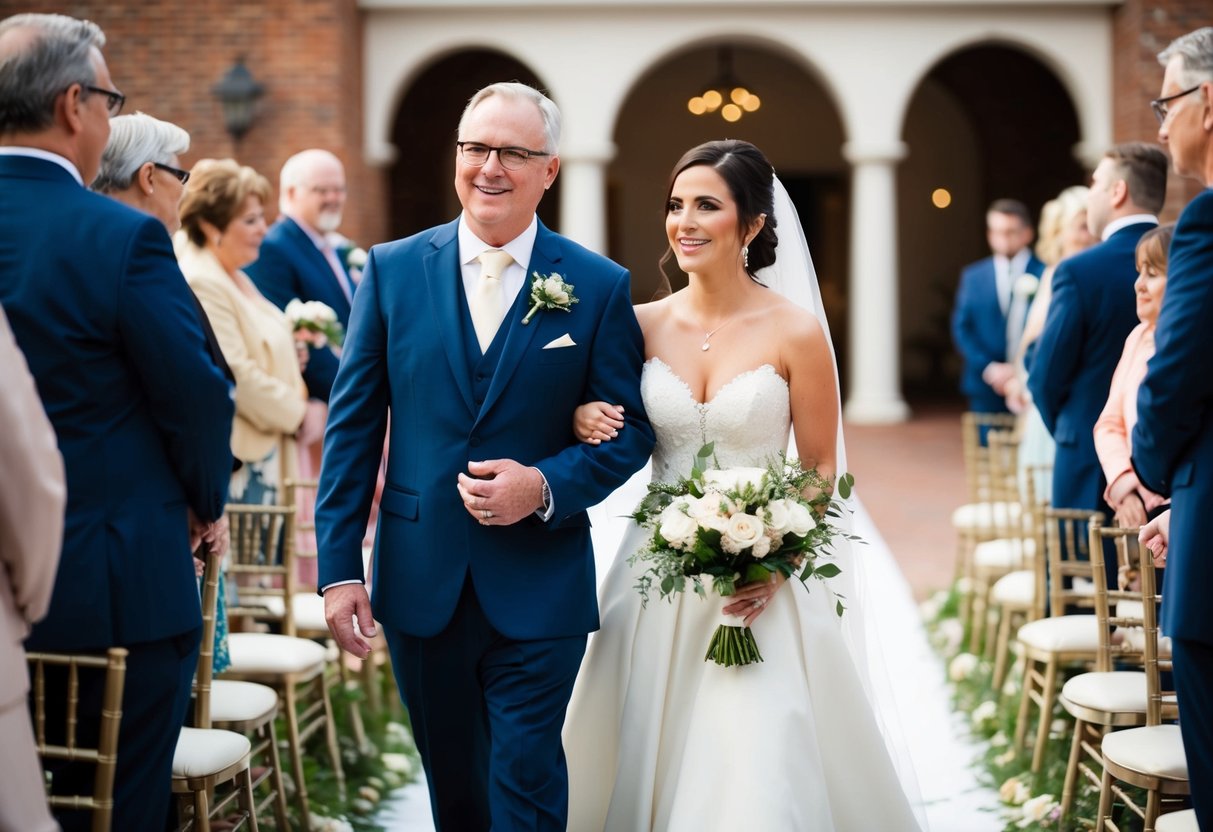
If you find yourself without family to walk you down the aisle, there are many creative alternatives. You can choose meaningful people in your life to join you on this special journey. This section explores options that highlight your unique relationships and bond them to your wedding day.
Friendships and Honorary Guests
Choosing a friend to walk you down the aisle can be a heartfelt option. Your best friend likely knows you the best and can bring joy and comfort during the ceremony. This choice emphasizes the importance of friendship and support in your life.
Honorary guests can also play a special role. Consider inviting someone who has always been there for you—like a mentor or a beloved teacher. This gesture highlights the value of chosen family and how they’ve shaped who you are today.
Incorporating Stepparents
Including a stepparent in the processional can be a beautiful way to honor blended families. If you have a stepparent who has been a supportive figure in your life, think about having them accompany you. This can send a strong message of unity and love.
If you have both a stepmother and a biological mother or stepfather, you can create a unique moment by having them walk you together. This visual representation of your family’s love is both touching and inclusive.
Unified Approach with Both Parents
If your relationship with both parents is positive, you might choose to walk down the aisle with them together. This approach creates a strong visual statement about your family’s support. It signifies that you are entering this new chapter with all the love and backing from both sides.
Even if your parents are divorced, you can encourage them to walk you down together. Choose to focus on the love shared rather than the differences. This can also inspire a sense of unity for your guests.
Processional Variations
You can also think outside the box with your wedding processional. Instead of a traditional walk down the aisle, consider creative variations. For example, consider walking in with your bridesmaids or a group of close friends. This creates a fun and festive atmosphere.
Alternatively, you could enter from the side with a grand entrance, surprising your guests. Dancers, music performers, or even a themed entrance can make your moment unique. Remember, the goal is to celebrate your love in a way that feels right for you.
Integrating the Bridal Procession into Your Ceremony
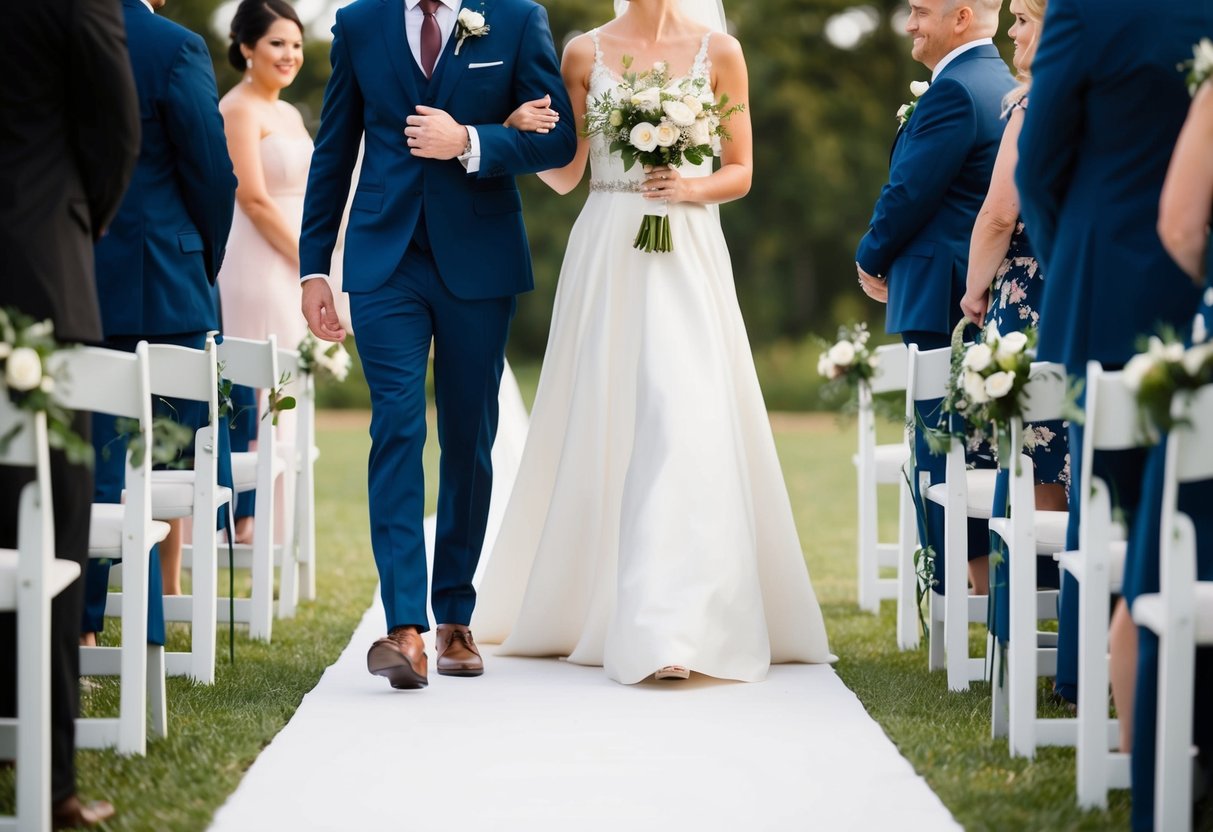
Creating a meaningful bridal procession is important, especially if you have no family to walk you down the aisle. You can still celebrate unity and love with those who support you. Here’s how to make your ceremony personal and heartfelt.
Planning Your Processional Order
Deciding who walks in your bridal procession can be a personal and meaningful choice. You could ask a close friend or mentor to accompany you down the aisle instead of a family member.
Consider including your wedding party, like the maid of honor, to help you feel supported. The traditional order often includes bridesmaids and groomsmen, followed by the bride.
Make sure to communicate your plan with everyone involved, including the officiant, to ensure a smooth transition. This planning helps create a celebration that reflects your unique love story.
Elements That Reflect Unity and Support
Incorporating elements that show unity can enhance your ceremony. You might choose to include a special unity ritual, like a candle lighting or sand ceremony.
These rituals symbolize the joining of your lives and can involve your wedding party. For example, the maid of honor might hold the candle while you light it together.
You can also add personal touches like vows that express gratitude to those who have supported you. This includes friends and mentors who have played a significant role in your life.
Role of Wedding Party Members
Your wedding party plays an essential role in your procession and ceremony. They provide emotional support and help you feel grounded during the event.
Each member can have a specific role. The maid of honor can help with your dress and carry your bouquet. Meanwhile, the ring bearer and flower girl can add charm to the aisle.
These roles bring joy and focus to the day. Make sure each person knows what to do, so your ceremony flows smoothly. This way, you’ll feel surrounded by love and support as you walk toward your future together.