
Who Walks the Bride Down the Aisle If No Family? Exploring Alternative Options for Your Special Day
Planning a wedding can be exciting, but it can also bring up difficult questions, especially if you don’t have family to walk you down the aisle. There are many meaningful alternatives to the traditional walk, such as having a close friend, sibling, or mentor join you on this special day.
This moment is about celebrating love and the people who matter most in your life, regardless of family ties.
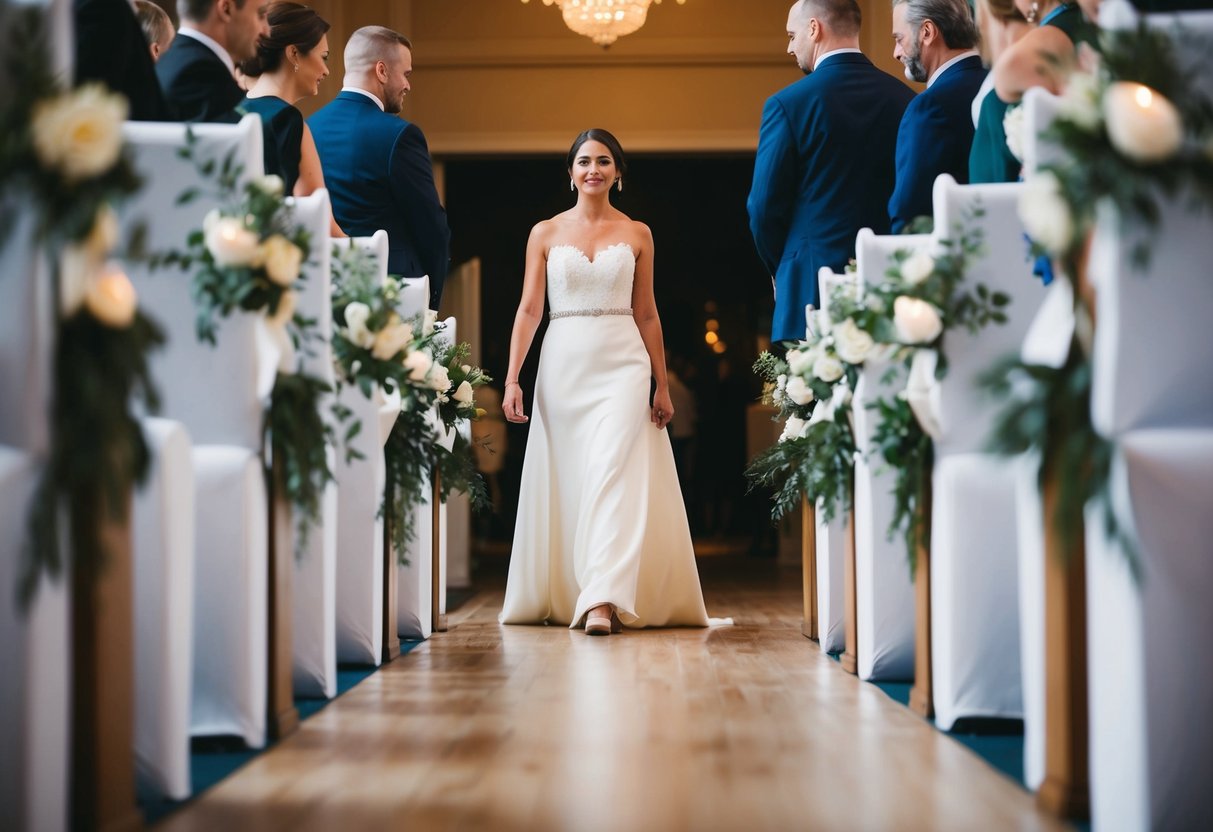
Choosing who walks you down the aisle is a personal choice and can reflect your unique story. You might opt to walk solo, embracing your independence, or perhaps include children or cherished friends.
This moment can be a beautiful experience that highlights your relationships and the support you have from those around you.
Whatever you decide, this walk symbolizes more than just tradition; it celebrates your path and the connections that mean the most to you. Embrace this special moment and make it your own!
Understanding the Tradition and Its Variations
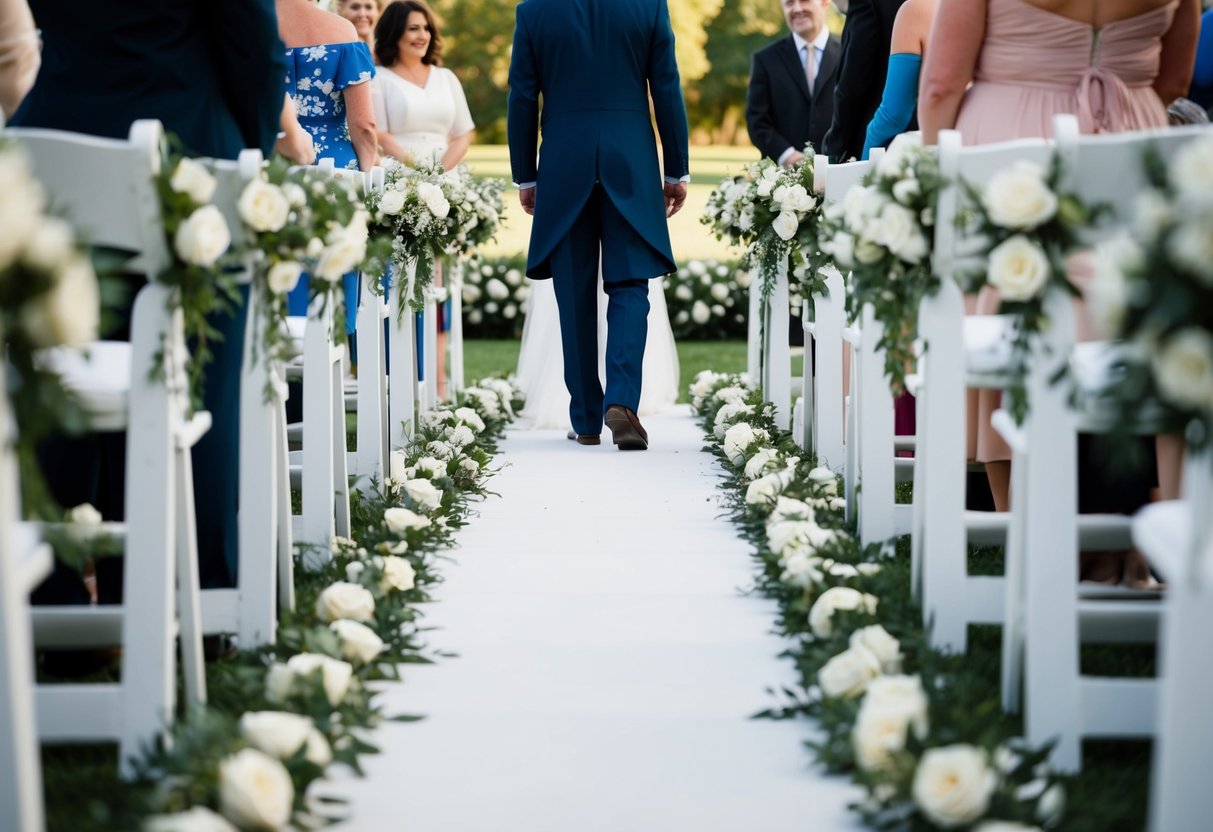
The tradition of who walks the bride down the aisle has evolved over time. Factors like history, culture, and modern family dynamics can influence this special moment. Here, you will explore the historical context, modern interpretations, and cultural variations of this tradition.
Historical Context of the Bridal Processional
Traditionally, the father of the bride has played a key role in the wedding ceremony. His task is to walk his daughter down the aisle, symbolizing giving her away to her partner. This custom dates back centuries, rooted in patriarchal values where women were seen as property.
In ancient times, this processional was also a way to show allegiance among families. The bride’s journey from her family to her new home signified a transition not only in her life but also in social ties.
This practice is still prevalent in many cultures, including Christian and Jewish weddings, where the procession holds deep meaning. Yet, what happens when a bride does not have family to support her in this role?
Modern Interpretations of the Tradition
As families change, so too does the tradition of walking down the aisle. You may choose anyone who is significant in your life to take on this role. This could be a mother, sibling, close friend, or even a mentor.
Increasingly, brides are opting to walk alone for a sense of independence. Some couples even meet halfway to symbolize unity.
Your choice reflects personal values and the celebration of relationships that matter most to you.
Modern weddings also often incorporate blended families. In these cases, everyone might walk together, showcasing love and acceptance in different family structures.
Cultural Variations and Wedding Customs
Cultural customs can also influence who walks the bride down the aisle. For example, in Jewish tradition, both parents may accompany the bride, representing support from both sides.
In Catholic weddings, the father typically escorts the bride, but this can change according to the couple’s wishes.
In Indian weddings, such as the baraat, there are different rituals, including the groom’s procession. Each culture has unique practices that can adjust traditional norms to fit personal and relational dynamics.
These variations illustrate that no matter your background or family situation, this moment can be unique and meaningful.
Alternative Escorts for the Bride
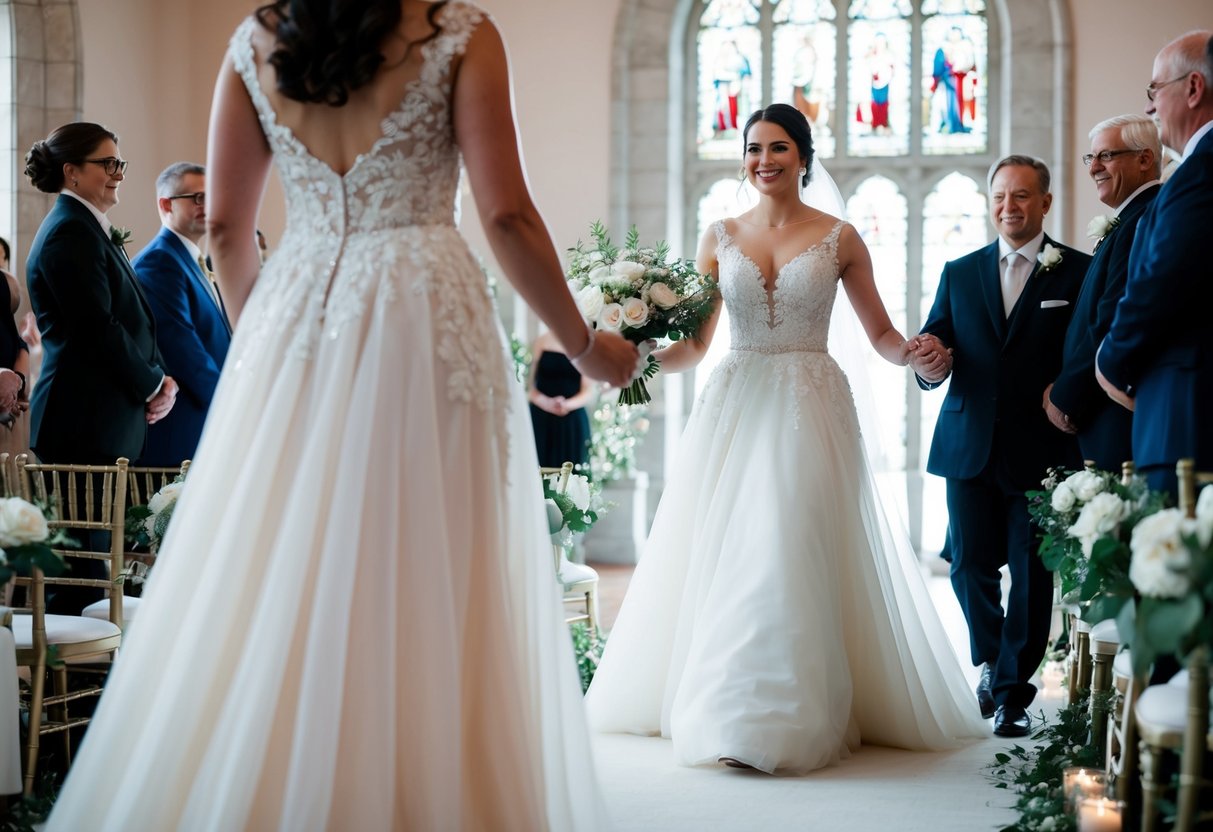
Finding someone to escort you down the aisle can be a meaningful part of your wedding day, especially if family is not present. You have several options to honor your journey and choose someone special to walk with you. Consider these alternatives that can make the moment memorable.
When Family Is Not Present
If your family isn’t available, you can still create a beautiful moment. Think about involving a brother, uncle, or a grandparent. These relatives may be happy to take part in your big day, adding a sense of family connection. If there are no relatives around, consider a stepparent or a father figure who has been influential in your life.
Choosing someone who knows you well can enhance this special moment.
Close Friends and Mentors
Your close friends or mentors can be wonderful alternatives to family members. Your best friend might feel honored to walk you down the aisle. They know your story and can share in this special moment.
A mentor who has guided you through life can also be a great choice. Their support and respect can add meaning to your ceremony, creating a joyful atmosphere as you celebrate together.
Walking Down the Aisle Alone
Walking down the aisle alone can be a powerful statement of independence. Many brides choose this option to celebrate their individuality and strength. It allows you to take a moment for yourself, reflecting on your journey.
This choice does not diminish the significance of the event; instead, it highlights your self-reliance and personal growth.
Remember, this is your day, and how you choose to walk down the aisle should feel right for you.
Roles of the Wedding Party Members
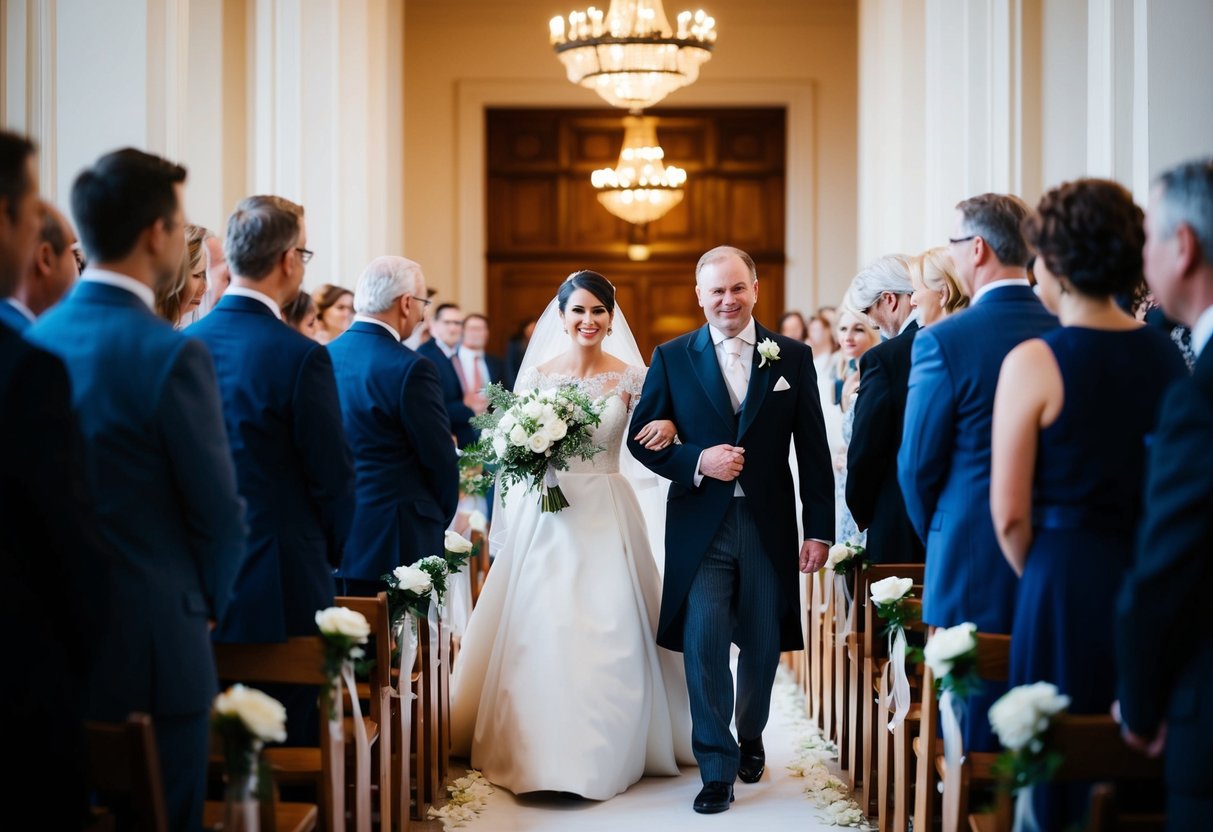
The wedding party plays a crucial role in your big day. Each member has special duties that help make the ceremony joyful and organized. Here’s a closer look at the key roles within your wedding party.
Maid of Honor and Best Man
The Maid of Honor is not just a title; it’s a meaningful role. This is often your best friend or someone very close to you.
She helps with planning, keeps track of the wedding details, and supports you emotionally. On the wedding day, she stands by your side, holds your bouquet, and ensures you have everything you need.
The Best Man, typically chosen from among your close friends or family, has equally important tasks. He assists the groom with planning and may organize the rehearsal dinner.
During the ceremony, he stands with the groom and is responsible for keeping the rings safe until needed. Both the Maid of Honor and Best Man are vital for a smooth wedding experience.
Ring Bearer and Flower Girl
The Ring Bearer is usually a young boy who carries the wedding rings on a pillow. This little one adds charm and excitement to the ceremony. It’s a sweet moment when he walks down the aisle, often making everyone smile.
On the other hand, the Flower Girl typically throws flower petals or carries a small bouquet. She can be a girl of similar age to the Ring Bearer, and her presence brings a sense of innocence and joy to the occasion. Both roles are not just cute; they help set the tone for your wedding day.
Considering Additional Roles
Sometimes, you may want to include other roles beyond the traditional ones. Depending on your wedding style, consider having someone like a Junior Bridesmaid or a Personal Attendant.
A Junior Bridesmaid can be a younger relative or friend who’s not quite old enough to be a full Bridesmaid but still wants to join in the fun. A Personal Attendant can help take care of details, assisting you throughout the day.
These additional roles can help you feel supported, ensuring your wedding day is worry-free and enjoyable.
Planning the Ceremony Walk-Through
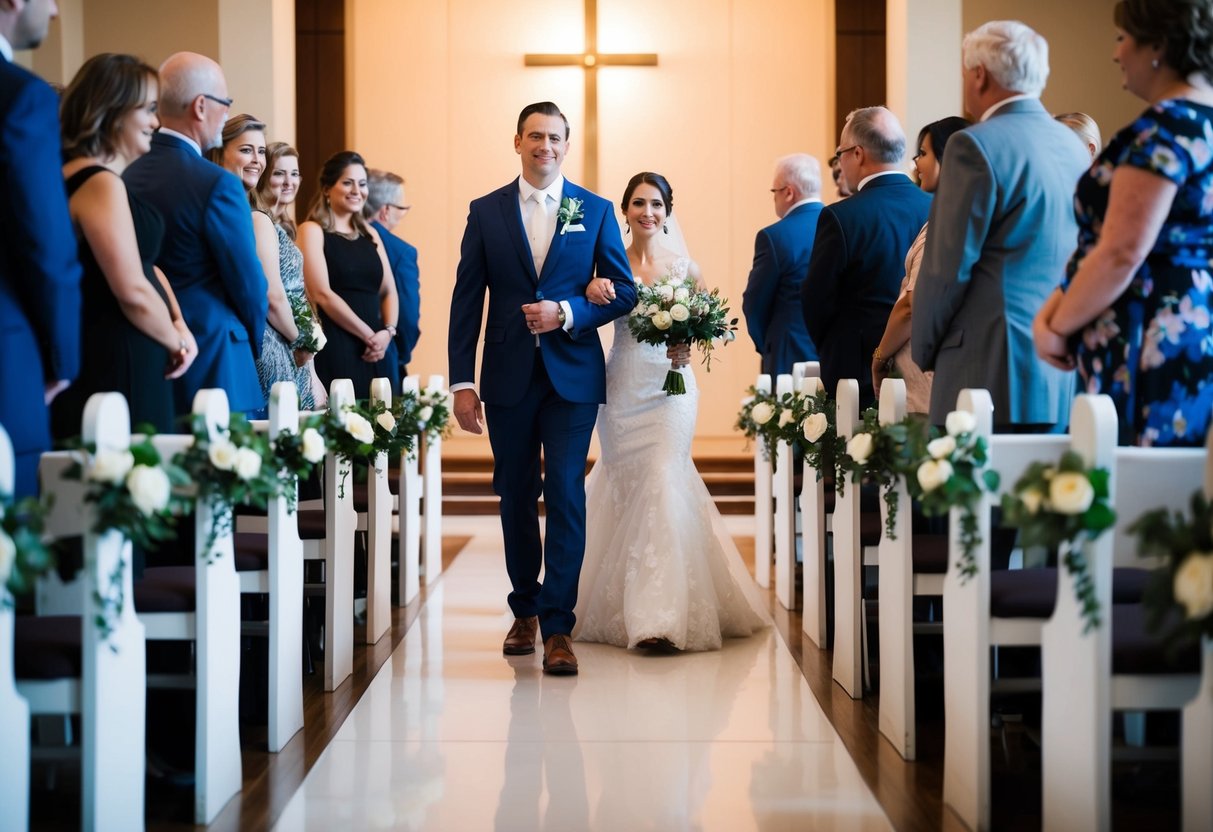
Creating a smooth flow for your wedding ceremony is essential, especially when deciding who will walk you down the aisle. This part of the planning includes organizing the wedding processional order, rehearsing the aisle walk, and personalizing your experience.
Order of the Wedding Processional
The wedding processional sets the tone for your ceremony. If you have no family to walk with you, you have options.
You might choose a close friend, a mentor, or even decide to walk solo.
It’s important to think about who makes you feel comfortable.
Here’s a quick order you might follow:
- Grandparents (if present)
- Wedding Party (bridesmaids and groomsmen)
- Your Chosen Escort (if applicable)
- You, the Bride
This order creates a welcoming environment as guests see familiar faces.
Rehearsing the Aisle Walk
A rehearsal helps everyone know their roles. Gather your wedding party before the big day to practice walking down the aisle.
Consider the timing, music, and where to stand once you reach the altar.
Make it fun to ease any nerves.
Walk through your chosen processional order, so everyone is familiar with it.
Your rehearsal should also cover unexpected situations. For example, what if someone is late?
Being prepared helps everything run smoothly on the day of the ceremony.
Details That Personalize the Experience
Adding personal touches makes your ceremony special.
Think about using mementos or symbols of unity.
Many modern brides choose to walk down the aisle alone, which can be a powerful statement.
You might want to include a meaningful song that reflects your relationship.
Decorations along the wedding aisle can also enhance the atmosphere.
Consider flowers, candles, or photos of loved ones who can’t be there.
These little details make your walk memorable and represent your unique journey.