
Who Walks the Bride Down the Aisle If No Parents? Creative Alternatives for a Special Moment
Choosing who walks you down the aisle on your wedding day can feel overwhelming, especially if your parents are not involved. There are many meaningful alternatives to consider, such as having a close family member, a friend, or even walking down the aisle by yourself. This decision is a personal one that reflects your unique circumstances and relationships.
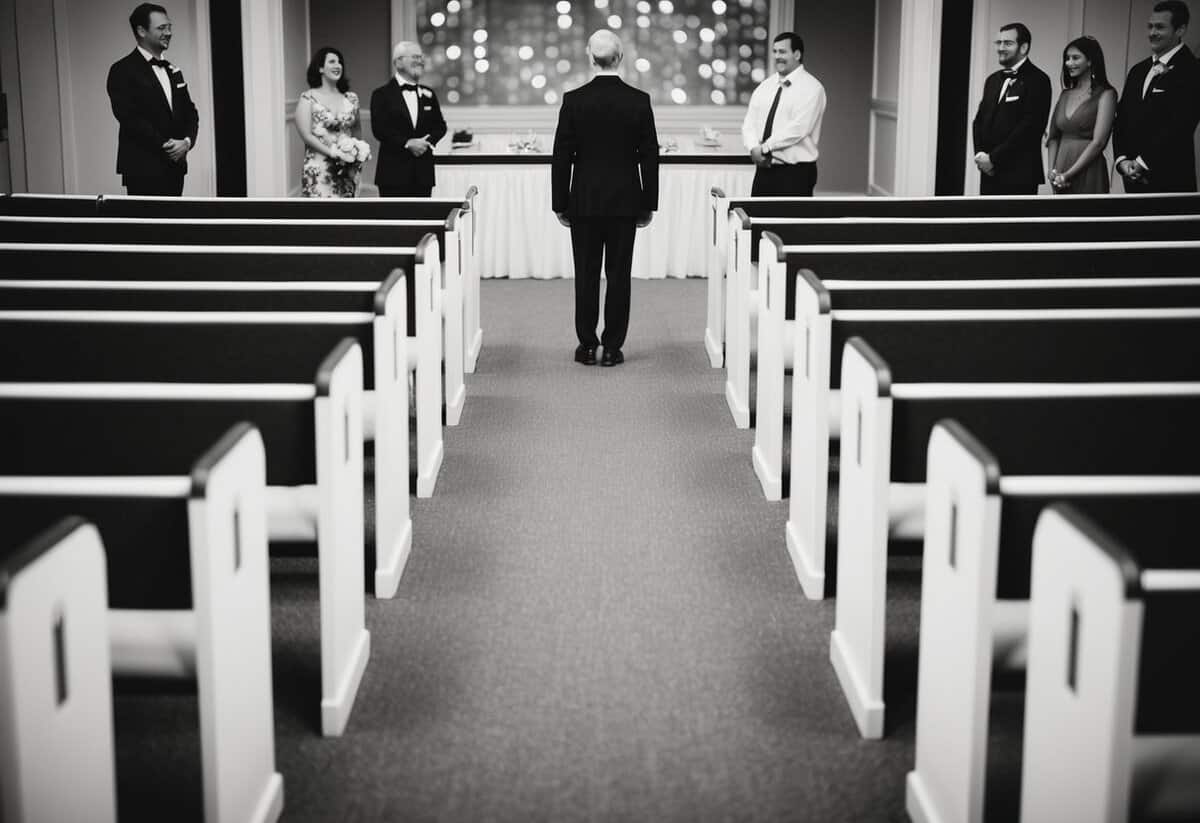
If you have a special bond with a sibling, such as a brother or sister, they can be a wonderful choice. Similarly, a close friend can add a heartfelt touch to your ceremony. Some brides choose to walk solo, symbolizing independence as they take this important step in their life.
Regardless of whom you choose, this moment should celebrate your journey. Finding the right person to share this significant moment with you can enhance your wedding experience and make the day even more special.
Exploring Non-Traditional Escorts
When traditional family roles are not in place, there are many meaningful ways to choose an escort. You can select from close relatives, friends, or even walk down the aisle solo. Each option offers a personalized touch to your special day.
Close Relatives as Escorts
If you have a strong bond with other relatives, they can step in to escort you. This could be a grandparent, sibling, or even a stepfather. Having a loved one who knows you well can add emotional depth to the ceremony.
For instance, a sister may bring a sense of familiarity and comfort. An uncle or aunt can also provide support, celebrating your journey. The key is to choose someone who makes you feel secure.
Friends and Loved Ones
Including friends as your escorts allows you to celebrate chosen relationships. A close friend may know your personality and style, making the moment feel special. Additionally, friends often provide a sense of joy and fun.
You could choose a group of friends to walk alongside you or select one close friend to accompany you. This option emphasizes support and shared joy on your big day. Consider someone whose relationship with you reflects a lasting friendship.
Walking Down the Aisle Solo
Choosing to walk down the aisle alone can be a powerful statement of independence. This option allows you to embrace your journey while showcasing your strength. You may want to take this time to reflect on your path.
Walking solo emphasizes self-reliance and personal growth. It can make a bold statement, showing your readiness to embrace love on your own terms. Many brides find this choice empowering and authentic to their experience.
The Role of Cultural and Religious Traditions
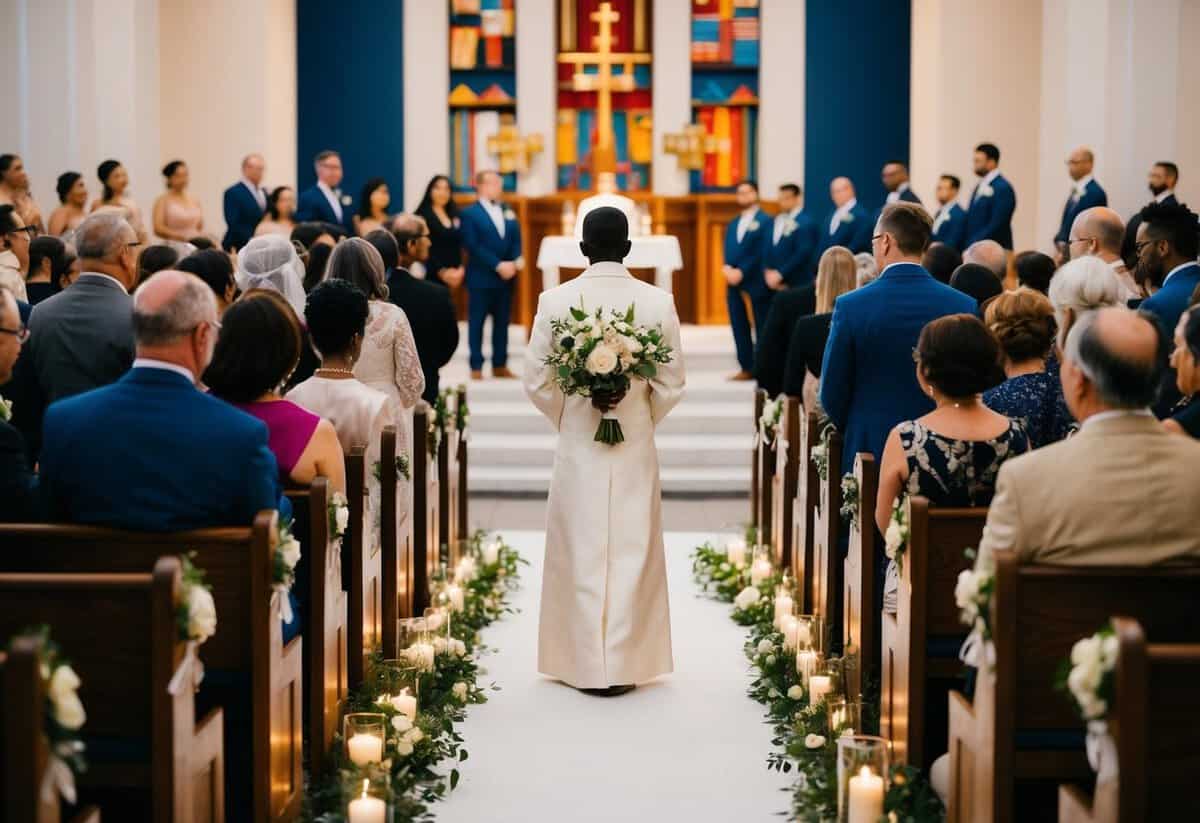
Cultural and religious traditions play a significant role in wedding ceremonies. They help shape who walks the bride down the aisle, especially when parents are not involved. Understanding these practices can make your ceremony feel special and personalized.
Christian Wedding Considerations
In Christian weddings, it is common for the father to walk the bride down the aisle. This tradition symbolizes giving her away. If a father is not present, a close family member or friend can take on this role. Some couples choose to walk together, showing unity from the start.
Another option is for both parents to escort the bride, reflecting a more modern approach. Depending on your church or denomination, specific customs may apply. Discussing your preferences with your officiant can help ensure that the ceremony aligns with your wishes.
Jewish Wedding Customs
Jewish weddings often feature unique customs that can guide who walks the bride down the aisle. Traditionally, both parents may escort the bride, highlighting family support and unity. If no parents are available, a sibling, grandparent, or close friend can fulfill this role.
Another Jewish tradition involves the bride and groom being escorted by both sets of parents. This representation of family bonds adds a meaningful layer to the ceremony. Understanding these options can help you honor your Jewish heritage while creating a memorable experience.
Hindu Wedding Practices
In Hindu weddings, the processional order can vary widely. Typically, the bride is escorted by her brothers or other male relatives, reflecting a familial bond. This practice emphasizes the family’s role in supporting the bride as she embarks on her new journey.
Some Hindu ceremonies may involve the groom’s family escorting him down the aisle first. This can signify the joining of two families. If parents are not present, a close family member or trusted friend can take on a similar role, preserving the essence of the tradition.
Nondenominational Wedding Processional Order
Nondenominational weddings offer flexibility in the processional order. These ceremonies often blend different cultural and religious elements. You can choose anyone special in your life to walk you down the aisle.
Some couples opt for a modern twist, walking together, which symbolizes equality and partnership. Others may include friends, siblings, or mentors to represent their unique family dynamics. Tailoring your processional order allows you to create a ceremony that reflects your values and connections.
The Logistics of the Processional Order
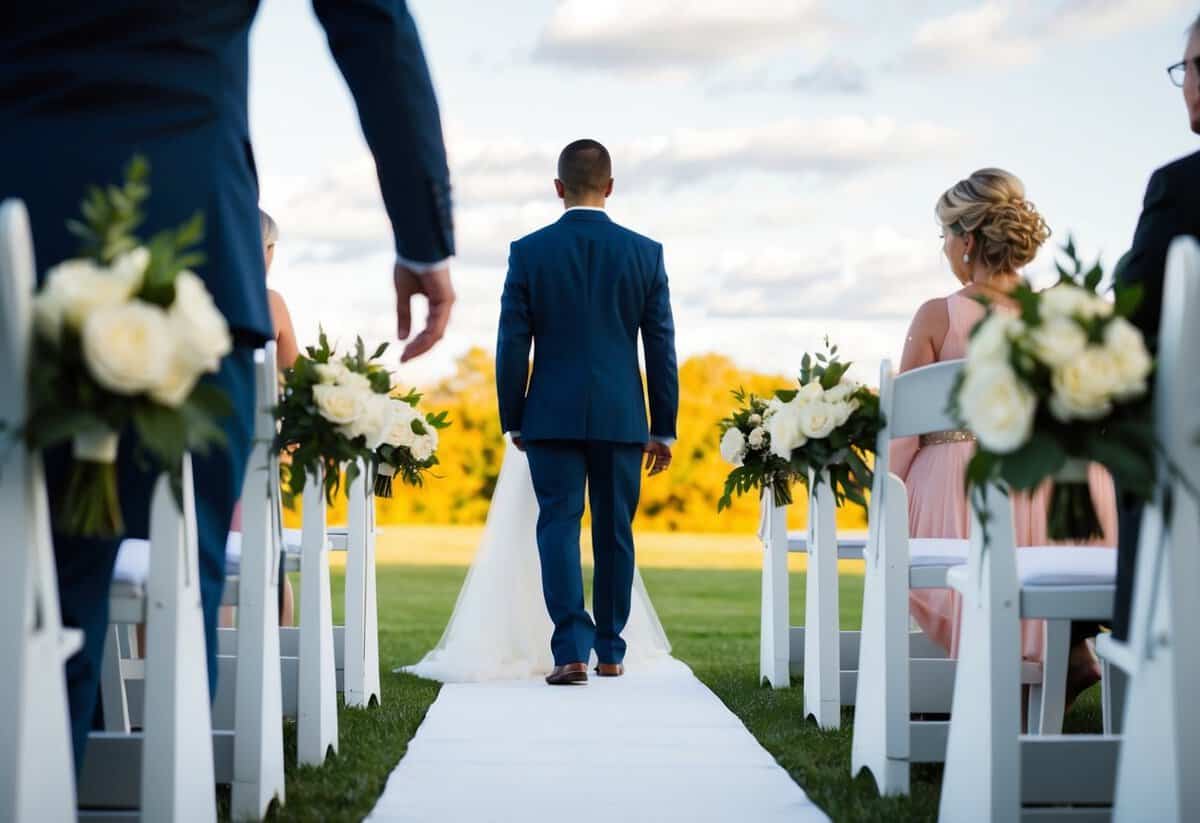
Planning who walks the bride down the aisle can be a personal choice when parents are not involved. Understanding the logistics of the processional order is important to ensure a smooth ceremony. Decisions about the escort and the order can set the tone for your special day.
Selecting the Right Escort
Choosing an escort for the bride is often one of the first steps in planning the ceremony. You might consider close friends, siblings, or other family members who are meaningful to you. Discuss this choice with your wedding planner to ensure it fits well into the overall wedding processional order.
It’s also helpful to communicate with your chosen escort about their role during the ceremony. They should understand where to walk and how to support you during the entrance. This person will play a vital role in making your day feel special.
Processional Variations
The processional order can be structured in various ways based on your preferences and the ceremony style. For instance, walking alone can symbolize independence and strength. Alternatively, some choose to walk with a group of friends or the entire wedding party to create a more dynamic entrance.
Another option is to have a joint entrance where you and your partner walk down the aisle together. This can show unity and partnership right from the start. Whichever option you select, ensure it resonates with you and flows seamlessly with the wedding ceremony for your guests to enjoy.