
Who Walks the Bride Down the Aisle in a Second Wedding? Exploring Modern Traditions and Choices
Planning a second wedding can be both exciting and a bit overwhelming. You may be wondering about the various traditions, especially when it comes to the ceremony. In a second wedding, you have the freedom to choose who walks you down the aisle, and it can be anyone you feel comfortable with.
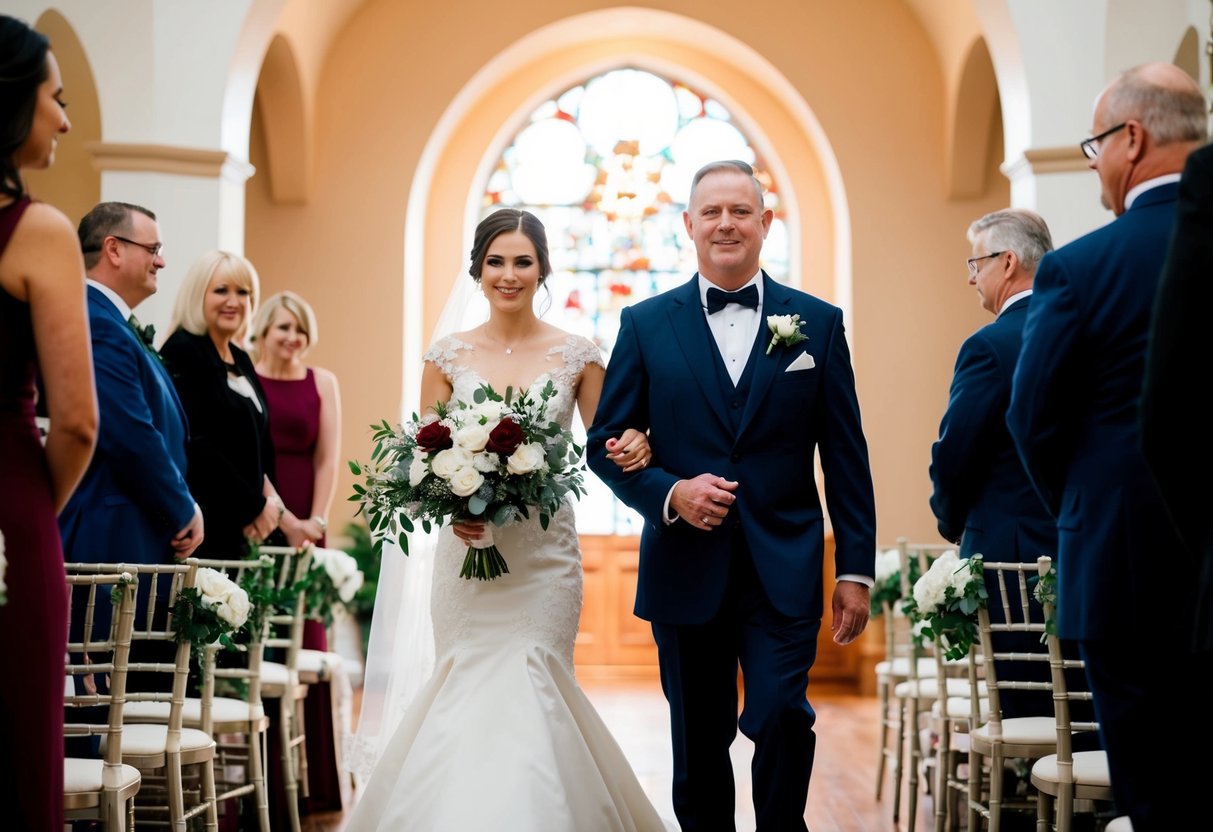
Many people opt for their parent, like their father or mother, while others may choose to walk alone or have their children participate. This moment is all about you and what feels right for your special day, so let your heart guide you. Including family members or children can also symbolize the joining of two families, making the occasion even more meaningful.
Whatever option you choose, make sure it reflects your personality and values. After all, this is your second chance at love, and every detail should resonate with your journey.
Choosing Who Walks the Bride Down the Aisle
Choosing who walks you down the aisle is a special decision in a second wedding. There are many factors to consider, including family dynamics and personal relationships. Understanding these relationships can help you make the best choice for your special day.
Family Considerations in Second Weddings
When planning your second wedding, think about your family structure. If your parents are available, you might choose your father or mother.
You could also consider other family members, like a grandparent or a sibling. Your relationship with them can add emotional significance to the moment.
If you have children, they could also play a key role in this decision. Having a child walk you down the aisle may symbolize the blending of families, which is meaningful in a second marriage.
Roles of the Father of the Bride and Stepparents
Typically, the father of the bride has a traditional role in walking you down the aisle. If he is not present or it is uncomfortable, you might choose to have a stepfather or another guardian in that role.
Stepparents can be included in this moment too. If you have a strong bond with a stepfather, it can be meaningful to have him walk you down the aisle.
It’s important to communicate with your family about these roles. Discussing your choices can help avoid misunderstandings and ensure everyone feels included. By honoring your family relationships, you create a more heartfelt ceremony.
Wedding Processional Structure
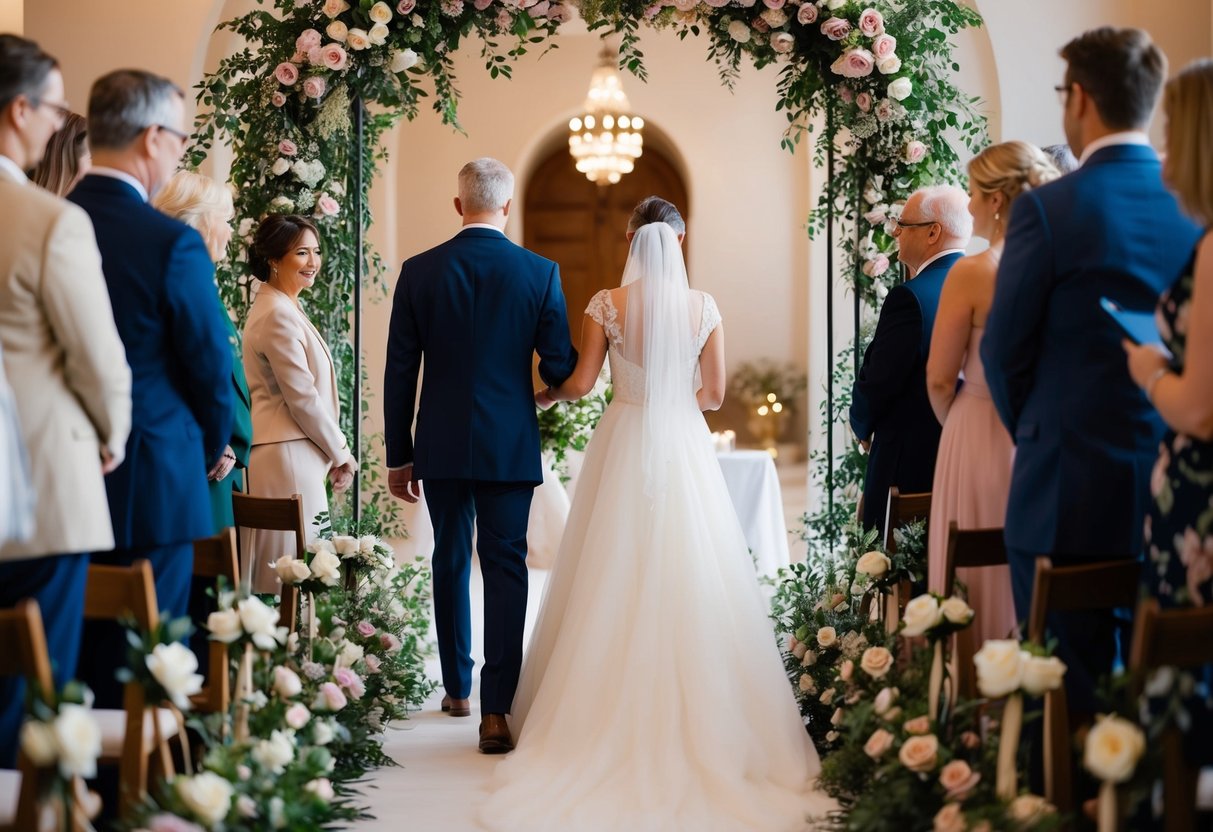
The wedding processional is a key part of the ceremony and sets the tone for the day. In a second wedding, the structure can be flexible to include family and signify the unique nature of the event.
Second Wedding Processional Order
In a second wedding, you have the option to personalize the order in which people walk down the aisle. Many couples choose to include their children, which can create a touching moment for everyone involved.
Typically, the processional might start with the following:
- Grandparents of the bride: Their presence honors family traditions.
- Grandparents of the groom: This represents the joining of both families.
- Children of the couple: If age-appropriate, they can walk together, helping to create a family unity theme.
- Bridesmaids and groomsmen: They walk in pairs, adding a festive touch.
- Maid of honor: Usually walks right before you.
- You and your escort: Finally, you walk down the aisle, often with a parent or special person in your life.
Incorporating Children and Grandchildren
Including children and grandchildren in your second wedding adds a special layer of meaning. They can play significant roles, making the event feel more inclusive and personal.
You might consider:
- Flower girls: If you have young girls, they can toss petals ahead of you.
- Ring bearers: Depending on their age, they can carry the rings or a symbolic item.
- Reading a poem or prayer: Older children can participate by sharing a reading, adding a personal touch.
This inclusion helps bond families and signifies new beginnings. Creating a processional that accommodates your loved ones fosters a sense of joy and connection as you walk down the aisle.
Roles of the Wedding Party Participants
In a second wedding, understanding the roles of the wedding party can help make the day flow smoothly. Each participant has specific duties that enhance the ceremony and support the bride and groom.
Maid of Honor and Best Man Responsibilities
The Maid of Honor plays a vital role in supporting you throughout the wedding planning process. She helps with tasks like organizing the bridal shower, coordinating with vendors, and ensuring everything is ready on the big day. During the ceremony, she stands beside you and holds your bouquet when you say “I do.”
The Best Man has equally important responsibilities. He assists the groom by helping with planning, organizing the bachelor party, and ensuring the groom is calm and prepared for the wedding. During the ceremony, he may hold the rings and give a toast at the reception. Together, these two roles help set a positive tone for your celebration.
Bridesmaids and Groomsmen Dynamics
Bridesmaids and groomsmen create a supportive atmosphere during the wedding. Each bridesmaid is usually a close friend or family member. They walk down the aisle together, often in matching dresses. They are responsible for assisting you with various tasks, like addressing invitations and managing the reception.
Groomsmen share similar duties to support the groom. They typically include friends or family members who stand beside him during the ceremony. Coordination and communication among both groups are important. They ensure everything runs smoothly, from walking down the aisle to dancing at the reception. The flower girl and ring bearer also participate by adding a touch of innocence and charm, making the ceremony even more memorable.